

Diaspora Jews targeted over a dozen times in March, as Iran war fuels tensions
Incidents targeting Jewish communities included shootings, bombings, arson and a car-ramming, in an increase that is apparently linked to Mideast conflict

 Add ToI as a Preferred Source on Google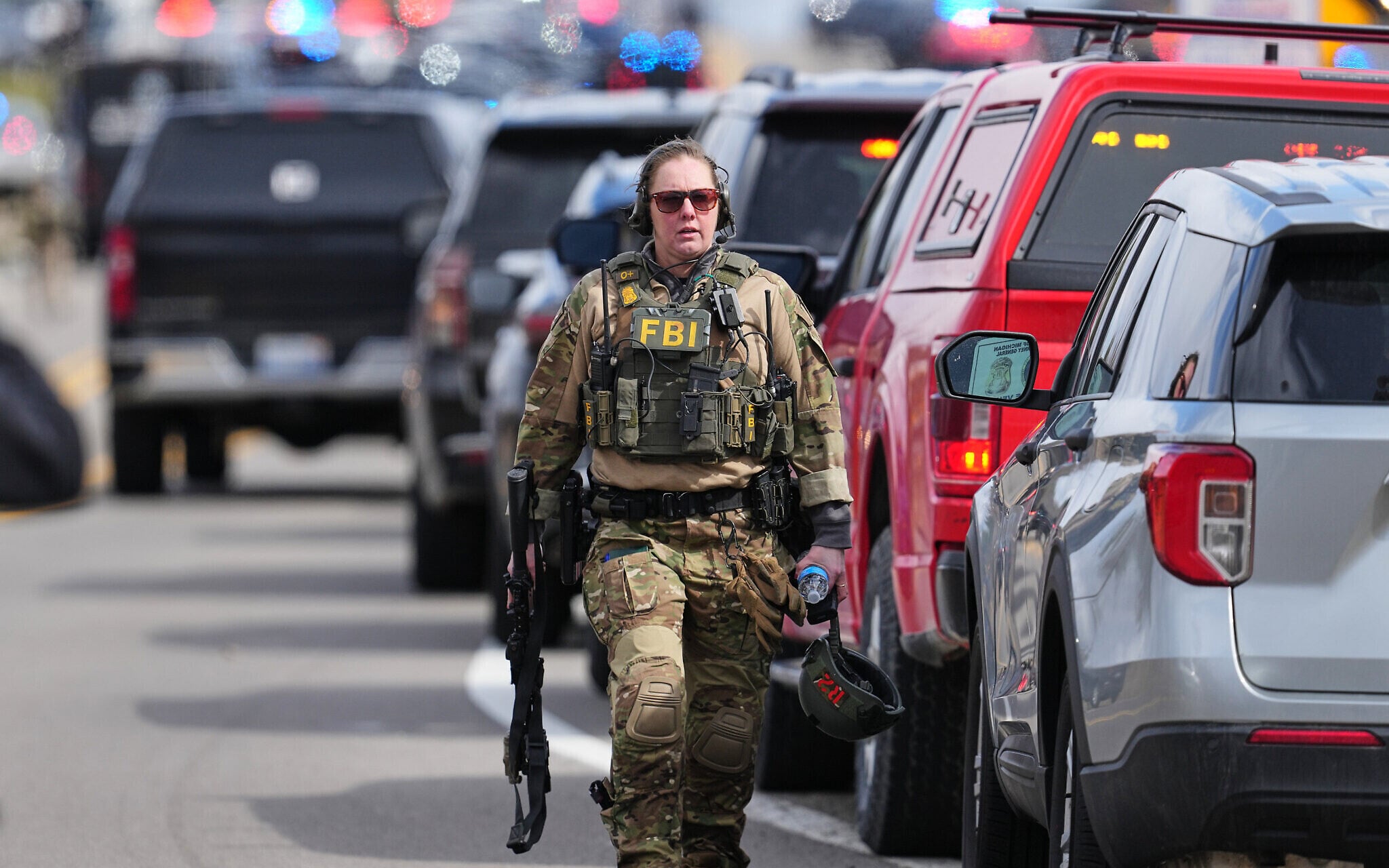
Bombings, shootings, arson and a car-ramming: The past month appears to have been one of the most dangerous on record for Diaspora Jewish communities, amid a surge in attacks during the US-Israeli conflict with Iran.
There were at least 14 incidents, attacks or plots that appeared to target Diaspora Jewish institutions in March, ranging across Europe to Canada and the US. The sum amounts to an incident every other day of the month.
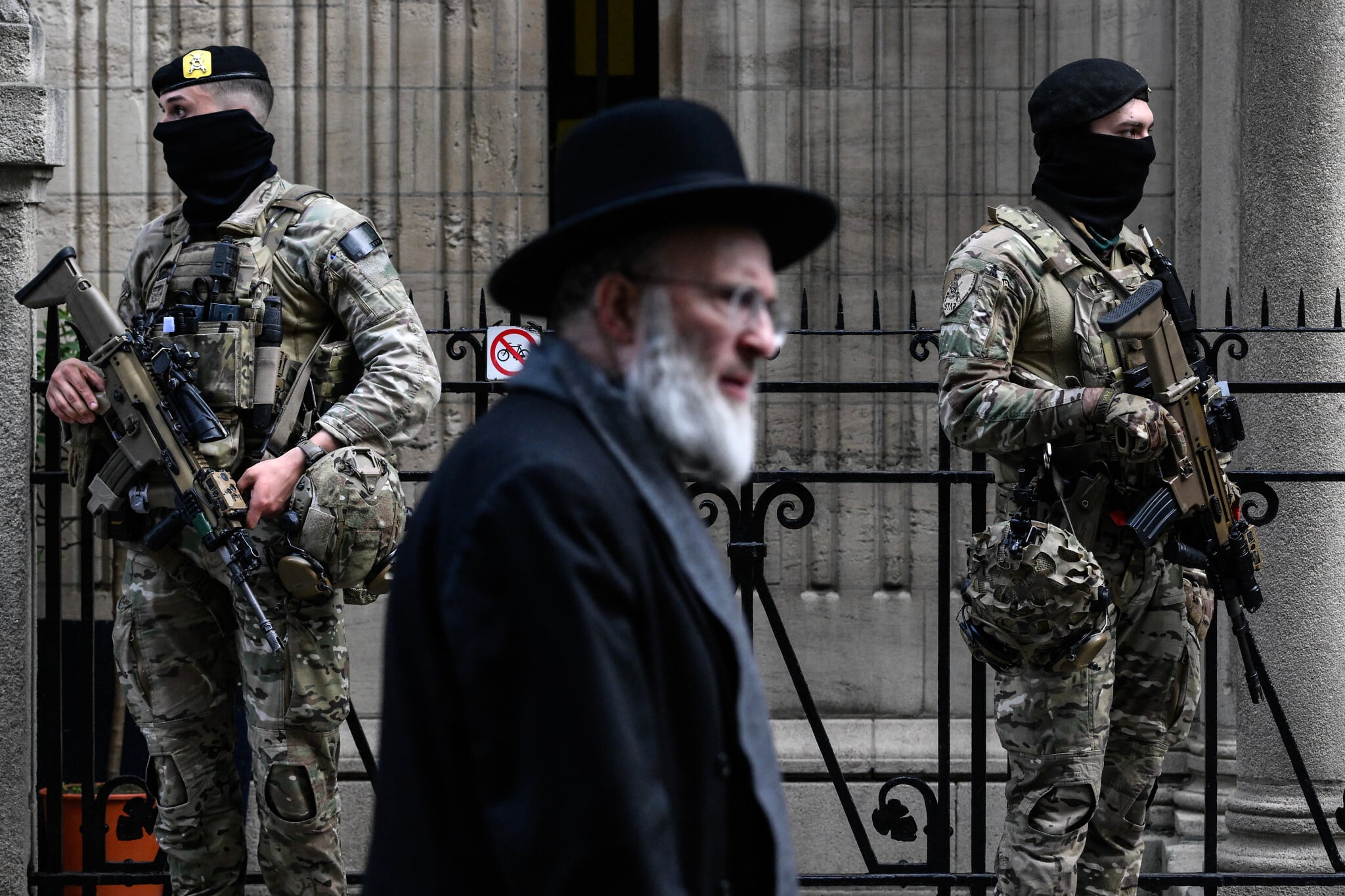
Jewish security officials have sounded the alarm repeatedly, saying the threat environment is at a high point, with a record number of calls for violence directed against Jewish institutions.
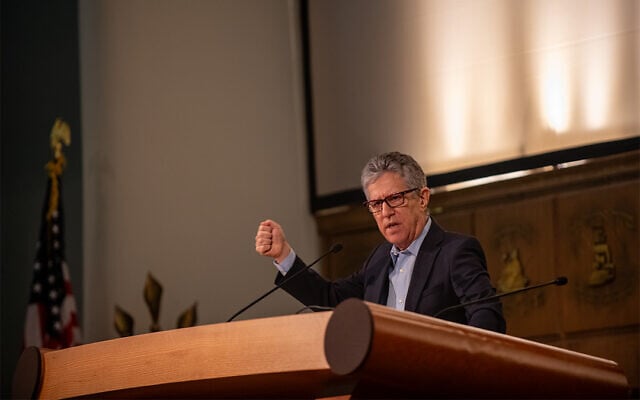
“From Iran and its proxies to other Islamic extremists and adherents to supremacist and neo-Nazi ideology, the rogues gallery of adversaries we face is diverse but united in one thing — their desire to harm and even end us,” Michael Masters, the head of the Secure Community Network, a US Jewish security group, said at a briefing this week.
The war in Iran started at the end of last month, with an increase in incidents beginning soon after:
- On March 2, in Toronto, attackers fired gunshots at a synagogue after a Purim celebration.
- On March 6, authorities in Azerbaijan said they had foiled a series of Iranian terror attacks, including against the Israeli embassy in Baku, a synagogue and Jewish community leaders.
- The same day, UK police said officers had arrested four men on suspicion of assisting Iranian intelligence by spying on locations and people linked to London’s Jewish community.
- Overnight March 6-7, two more synagogues were hit with gunfire in Toronto.
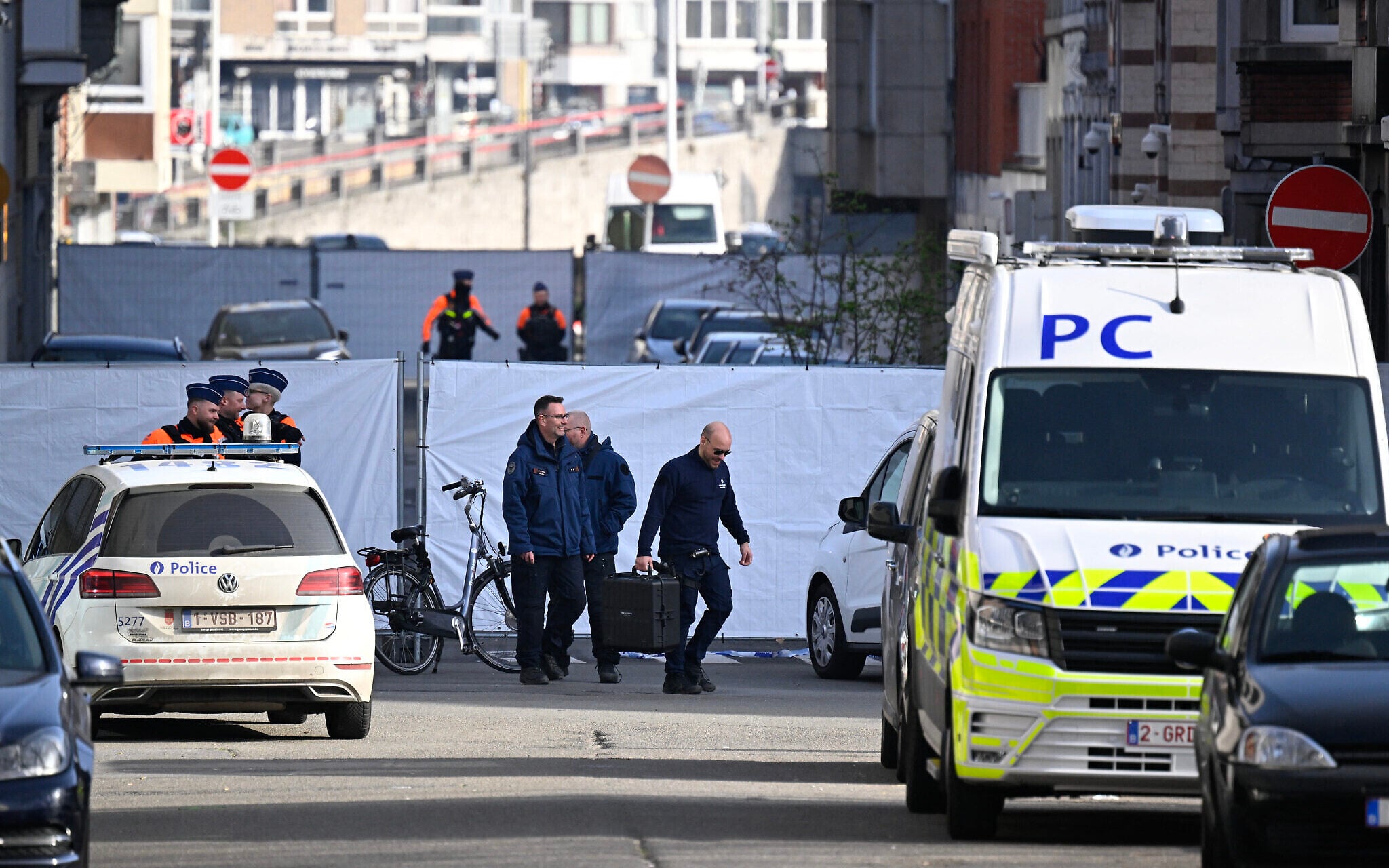
- On March 9, a synagogue was damaged in a blast in Liege, eastern Belgium.
- An armed assailant rammed a truck into a synagogue while children were in class in Michigan on March 12.
- The next day, an explosion outside a synagogue in Rotterdam, in the Netherlands, caused a brief blaze and damage to the building.
- Another explosion damaged a Jewish school in Amsterdam on March 14, in what the city’s mayor described as a deliberate attack against the Jewish community.
- On March 15, French prosecutors said they had placed two men under investigation for planning a “deadly and antisemitic attack.”
- Police in the Netherlands town of Heemstede on March 20 arrested two youths for a suspected arson or explosive attack against a synagogue.
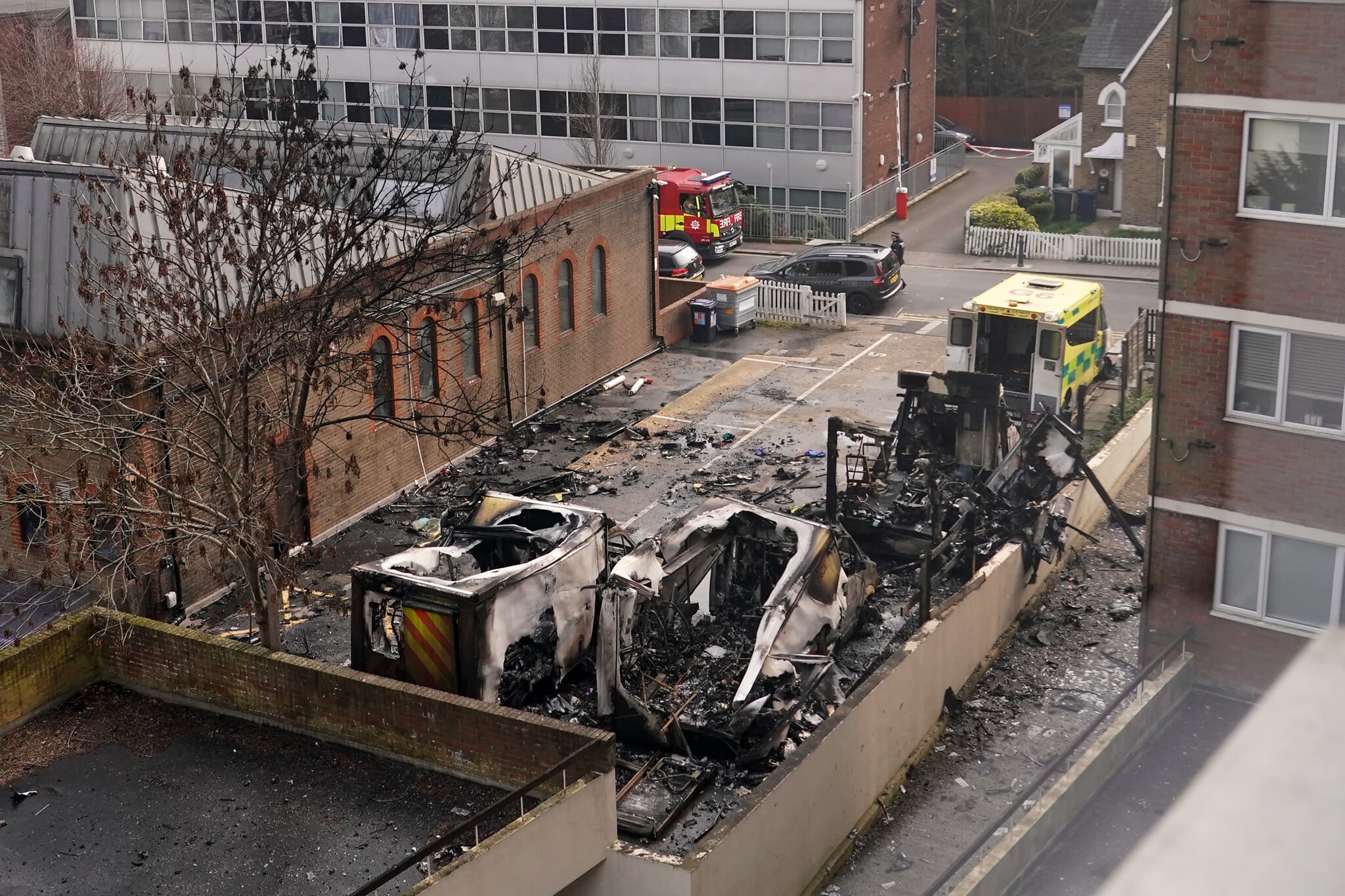
- In London on March 23, attackers torched four Jewish community ambulances.
- Also on March 23, a man in Chicago was charged for threatening to “shoot up a synagogue” earlier in the month.
- In Antwerp, Belgium, on March 24, two minors were arrested for torching a car in a Jewish area, in what authorities said was a suspected antisemitic attack.
Details about the incidents remain scarce as investigations unfold and not all have been named as terrorism.
The attacks did not cause any deaths, besides the Michigan attacker, but recent deadly attacks have taken place in the US, the UK and Australia.
A new group that calls itself Harakat Ashab al-Yamin al-Islamiya, or HAYI, claimed responsibility for several of the attacks in Europe, but there is little concrete information about the organization. Some analysts say the group could be tied to pro-Iranian militias with a local footprint in Europe, serving as a cover for their activities.
Richard Priem, the head of the Community Security Service, a US Jewish group that trains volunteer synagogue guards, said that the difference in the past month appeared to be linked to conflict with Iran.
“There are a lot of similarities in the posting about these incidents, the tactics, the arson, the makeshift IEDs, the video recording it and posting it in the name of groups that all sound and appear the same,” Priem told The Times of Israel, emphasizing that information remained hazy. “You don’t know if they are the same, if they are all tied to that, if it’s copycats, but there seems to be a direct link to the conflict in the Middle East.”
Threats to Diaspora Jews come from an array of bad actors, including the far left, the far right, radical Islamist groups, extremist anti-Israel organizations and state-sponsored terror. There has been an “uptick across the board” since the October 2023 Hamas invasion of Israel, but the recent increase appeared to be tied to state-sponsored groups, Priem said.
In addition to the incidents in Europe with reported links to Iran, the Michigan attacker’s brother was a member of the Hezbollah terrorist group who was killed by Israeli forces.
The attacks or threats came alongside other nonviolent or spontaneous incidents that alarmed Diaspora Jews this month, including pro-terror rallies, online threats against Jewish individuals, antisemitic graffiti, street assaults, community support for terror groups, verbal abuse and anti-Jewish conspiracies proliferating online.
During the Tuesday security briefing held by the Secure Community Network (SCN), experts warned that the threat level was at a historic high and that the dangers will likely continue.
Masters said that, during a recent six-day period, the group monitored more than 8,000 direct calls for violence against Jewish communities in North America, a 137% increase over the average and the “highest number we’ve ever tallied in that time frame.”
Kerry Sleeper, SCN’s chief of threat management and information sharing, said the recent threats most commonly came from lone actors or small cells, motivated by “blended ideologies,” and inspired to violence by online propaganda, mostly focused on conflicts in the Middle East and calls for retribution from Iran.
Iran has been responsible for numerous terror attacks and attempted attacks on Israeli and Jewish targets around the world over the years, using its global network of agents and proxies.
The attackers have used “low complexity, yet high impact tactics,” using firearms, vehicles and flammable materials, which are easily accessible, Sleeper said.
The tactics make it difficult to detect the plots before they are carried out, he said, adding that the near-term threat outlook for Jewish communities will likely remain “highly elevated and complex.”
Upcoming events will also present further risks to Jewish communities, experts said during the briefing.
Matthew Kozma, US Department of Homeland Security undersecretary for intelligence and analysis, warned that the upcoming World Cup, held in the US, Canada and Mexico, presents a security challenge due to the influx of foreign visitors.
Israel’s National Security Council on Wednesday warned Israelis traveling abroad during the upcoming holidays “to take increased precautions” due to the threat posed by Iran and its proxies.
The NSC statement said any concentration of Israelis or Jews abroad during Passover and other upcoming holidays, such as Shavuot, “represents a potential target for attack by terrorist elements.”
It urged Israelis to avoid sharing real-time travel details on social media, avoid events identified with Israel or Judaism that are not secured, pay close attention to surroundings when in areas identified with Israel or Judaism, report any threat or attack to local security forces, and stay away from areas known for hostility toward Israelis and Jews. The NSC also recommended that Passover events not be held in open spaces.
US Jewish security officials have urged precautions, including increased vigilance, coordination with law enforcement, concealing details about events before they take place and vetting attendees.
“Over the coming days, we anticipate an increase in the calls for violence, but that does not mean we need to accept it,” Masters said. “By working together, we can ensure the safety and security of our institutions, organizations, communities and way of life.”







The Times of Israel Community.