

Diphtheria in Australia, like polio in Israel, is collateral cost of pandemic
Two cases of diphtheria reported in Australia, as experts say phenomenon is caused by same vulnerability that brought polio in Israel — missed routine vaccines during the pandemic

 Add ToI as a Preferred Source on Google
Nathan Jeffay is The Times of Israel's health and science correspondent
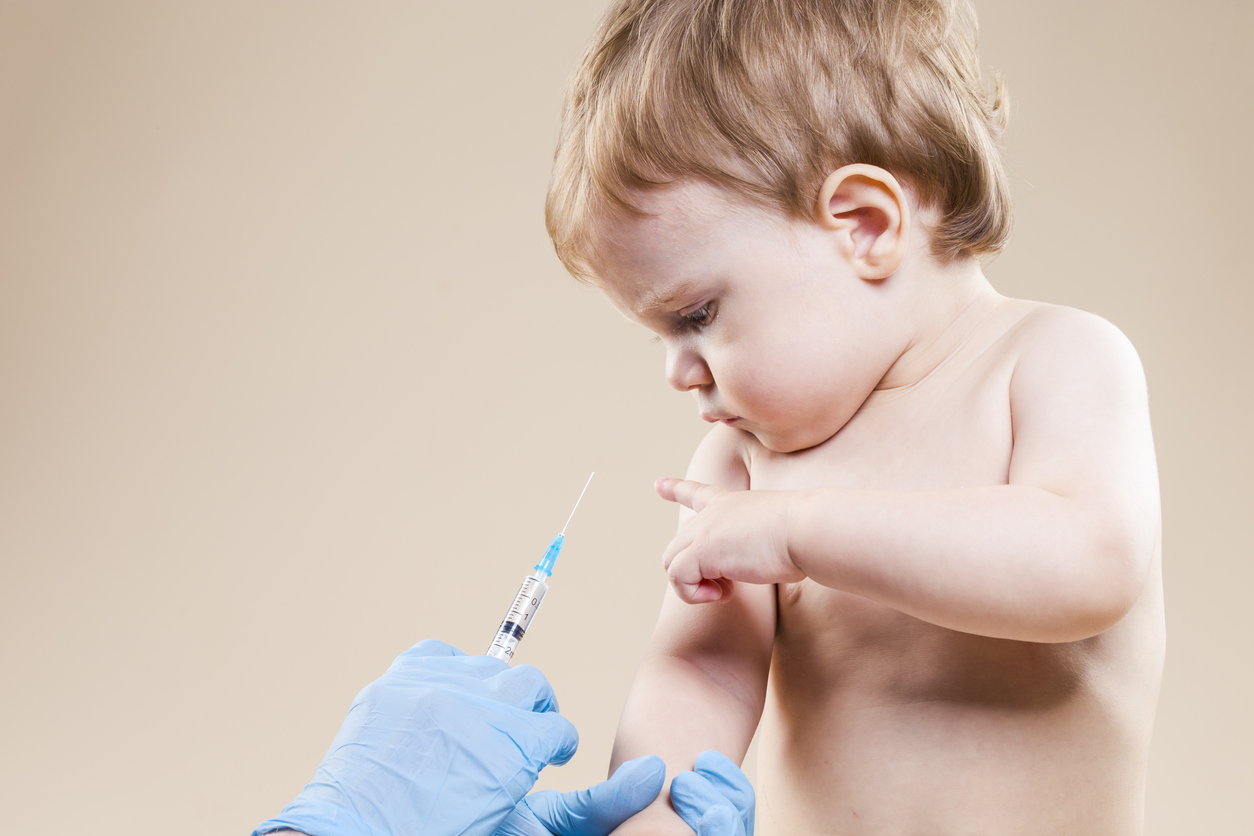
Polio. Diphtheria. After two-plus years of the COVID pandemic, childhood vaccines are taking a hit and diseases long gone from the West are once again rearing their heads.
In chilling news from New South Wales, Australia, reports emerged in recent days that two children have been hospitalized with diphtheria. The disease had been absent in the state since the 1990s.
This comes four months after Israel saw its first clinical case of polio in more than three decades, and several asymptomatic cases. Since then the UK has also found traces of polio in its sewage.
Just as the polio resurgence hasn’t been limited to Israel, experts say that diphtheria could well be seen in Western countries beyond Australia. It’s “definitely” possible that diphtheria could end up in Israel, epidemiologist Prof. Nadav Davidovitch, a leader of Israel’s doctors’ union, told The Times of Israel.
Despite the distance between Australia and Israel, the outbreaks appear to tell the same story: beleaguered parents and medical routines disrupted by the pandemic have led to a slip in routine vaccinations. And the result is the return of long-banished diseases.
Israel should brace itself for outbreaks of diseases that are considered a thing of the past, said Davidovitch. He added that while the polio vaccine drive has been a success — as emphasized on Thursday by the national public health chief — it could still make a resurgence.

The statistics tell a stark story. In Israel, immunization against meningitis has reportedly decreased by 4 percent during the pandemic, as has take-up of the DPT vaccine against diphtheria, pertussis and tetanus. Coverage of the hepatitis A vaccine has fallen from 91% to 71%.
Experts say it’s not an ideologically-driven decrease by anti-vaxxers, but rather the result of parents chasing their tails for more than two years, coping with school closures and times when COVID spikes have prompted them to keep away from clinics.

“The COVID period has influenced other vaccines, including delaying the administration of shots — of course it has consequences,” said Davidovitch, a Ben Gurion University professor. “This is especially true in hard-to-reach groups, and this is what happened with low polio vaccination in parts of the ultra-Orthodox community.”
Prof. Michal Shtein, director of pediatric infectious diseases at Sheba Medical Center near Tel Aviv, commented: “We worried about this and indeed it’s happening. It shows that the pandemic prompted a reduction in routine vaccines, and as a result diseases can advance in society.”
Davidovitch said he sees particularly high risk of mumps, measles and pertussis. “All vaccines that are included in routine vaccination programs are suffering from lower rates than before the coronavirus,” he said. “All the diseases we vaccinate for are risks if vaccine levels aren’t high.”
In the UK, a cross-party parliamentary group has claimed that the discovery of polio in sewers reflects the impact of lockdown restrictions and the “narrow focus” on COVID vaccines which meant other routine vaccinations were deprioritized.
Australian experts are also raising concerns about vaccines levels.
Chris Maher, a senior vaccine advisor to UNICEF Australia, said the diphtheria cases highlight the need to increase vaccines.“It is a disease we associate with an older time,” he commented, according to the Sydney Morning Herald. “We don’t associate it with our society now because we know if we vaccinate people we stop it occurring.
“The fact that it has popped up again should be a shock to us, and should be something that encourages us as a community to achieve high levels of vaccine coverage so we protect our kids.”
In Israel, the ultra-Orthodox community is a particular concern, as vaccination rates tend to be lower there, and as communities living in high-density areas, there is heightened risk of spread. But Shtein said the challenge is less complex than widely assumed.
“There are some anti-vaxxers, but they are a small minority, and it’s much more the practical challenges of running large families that hold back vaccine rates,” commented Shtein. She said that if healthcare providers can find ways of giving convenient access to vaccines, this can increase take-up.
She noted that awareness-raising also works, and the Health Ministry’s campaign promoting polio vaccines has a strong impact.
Davidovitch thinks the drop in rates highlights a need for outreach. “There is an urgent need to invest in incentives, strengthening workforce and targeting hard to get groups,” he commented. “We need to be much more proactive and innovative in health promotion and targeted outreach, this needs to be sustainable as this crisis is unfortunately going to continue.”
“When there is proactive approach, targeting hard-to-get groups, using past experience and making use of connections to the community,” he added, “as we saw with polio, in Jerusalem, you can make important achievements.”








The Times of Israel Community.