

Cooking up caveman culture, study shows Neanderthal neighbors were split on how to butcher
By comparing cut marks on bones found at northern Israel caves, researchers find early humans clung to passed-down methods just like you might stick to grandma’s recipes
 Add ToI as a Preferred Source on Google
Rossella Tercatin is The Times of Israel's archaeology and religions reporter.
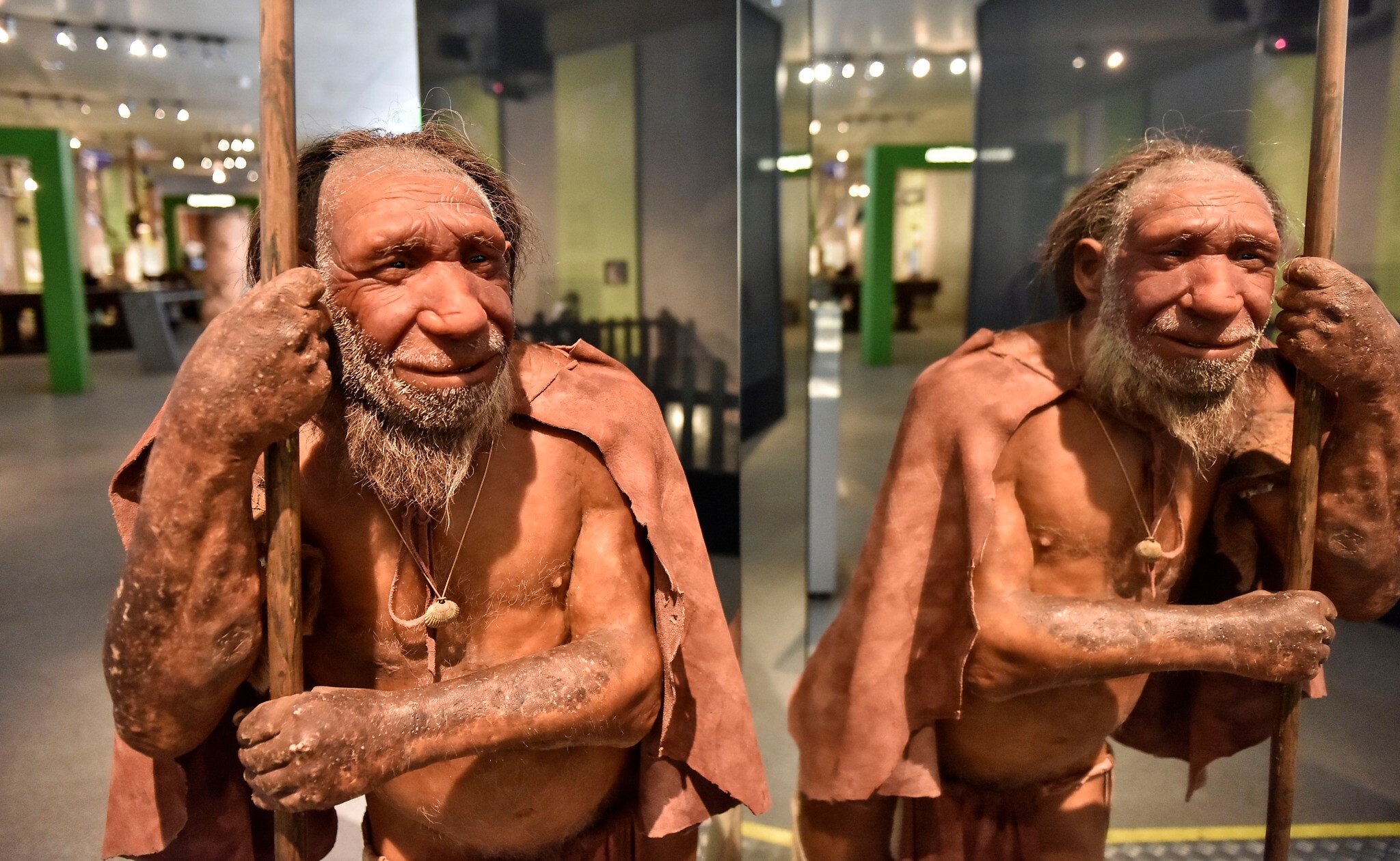
Humans occupying two caves in northern Israel approximately 60,000 years ago butchered their game in different ways despite living in similar environments and using similar tools, suggesting the development of distinct cultural traditions, according to a study published Thursday.
The results, which appear in Frontiers in Environmental Archaeology, may further hone the modern understanding of ancient Neanderthals, who rather than being efficiency-driven brutes may have clung to ideas passed down from generation to generation through shared experience and teaching, creating differentiation between groups of cave-dwellers.
“For a long time, Neanderthals were viewed as very practical, focusing on achieving what they needed in the most efficient way,” Anaëlle Jallon, PhD candidate at the Hebrew University of Jerusalem and lead author of the study, told The Times of Israel over the phone. “Now we are starting to realize that there were more subtleties, there were cultural aspects.”
A team of Israeli and international researchers analyzed cut marks on nearly 350 animal bone fragments from the Amud and the Kebara caves in northern Israel and documented how the cuts resulted from different processing techniques.
The cuts had been made by early humans using rudimentary stone tools to prepare meat for cooking or consumption. Different tools and different techniques would produce different patterns visible on the bones.
Distant from each other by roughly 70 kilometers (43 miles), Amud in the Upper Galilee and Kebara on the Carmel Range are considered among the richest prehistoric sites in the region.
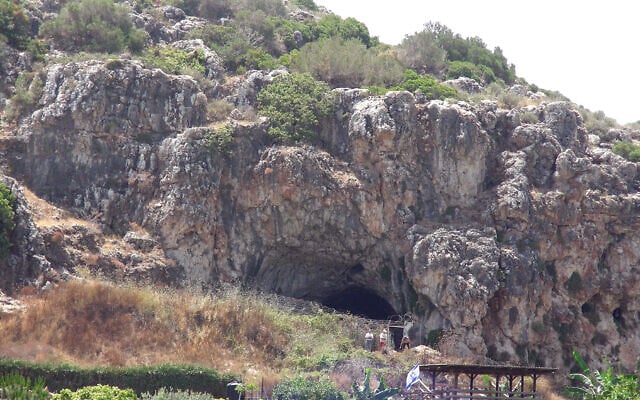
“We are talking about two caves from the late Middle Paleolithic, both of them located in the Mediterranean ecological zone,” said Jallon. “It’s quite rare to have the opportunity for such a direct comparison.”
The caves have been intermittently excavated for decades. They are closely linked to the Neanderthal population that inhabited the region at the time. Over the years, archaeologists have uncovered burials with human remains, lithic tools, combustion features, and animal bones.
Both sites primarily show evidence of hunting gazelles and fallow deer, supplemented by other animals, such as boar, wild goats like ibex or mountain goats, and possibly large animals like aurochs.
The stone tools presented similar shapes, characteristic of Neanderthals, and the burial sites were located near the walls of the caves.
Yet, the similarities between the two communities did not extend to the way they liked to prepare their food.
No-nonsense Neanderthals
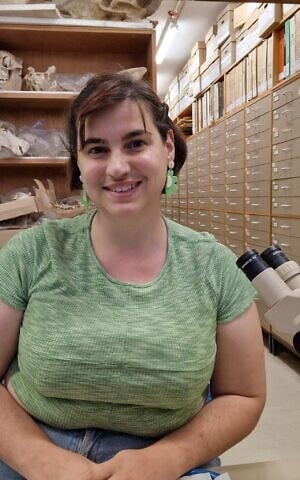
Jallon noted that the researchers would have expected early humans at Amud and Kebara to have employed similar food processing techniques.
“They lived in the same climate, hunted the same animals, and faced the same challenges,” Jallon noted. “There are only so many ways you can butcher a gazelle, and therefore we would have thought someone figured out the best way to do so and everyone would use it, but this was not the case.”
The cut-marks on bone fragments from Amud were more densely packed and less linear in shape than those at Kebara.
The bone fragments analyzed for the study were retrieved from two layers at Amud, dating back around 68,000 and 55,000 years ago, and from one layer at Kebara, dating back 60,000 years ago.
“When we research prehistoric times, the time framework is always a big challenge because we work with very big slices of time,” Jallon noted.
“We cannot really be sure that people were living in the Amud and Kebara caves at the same time,” she added. “Still, what is really interesting is that if we compare the patterns of cut marks of bones from the two layers at Amud, they remain similar despite an interval of 13,000 years.”

According to Jallon, this suggests that the early humans occupying the cave maintained a form of tradition in butchering their game over a long period, which remained distinct from that of humans occupying the Kebara cave roughly in between the two periods.
“At Kebara, we had to limit our samples to one layer, so we could not compare butchering techniques from different times,” she said.
If early humans indeed occupied both caves simultaneously, it’s reasonable to assume they would have interacted — and possibly influenced one another.
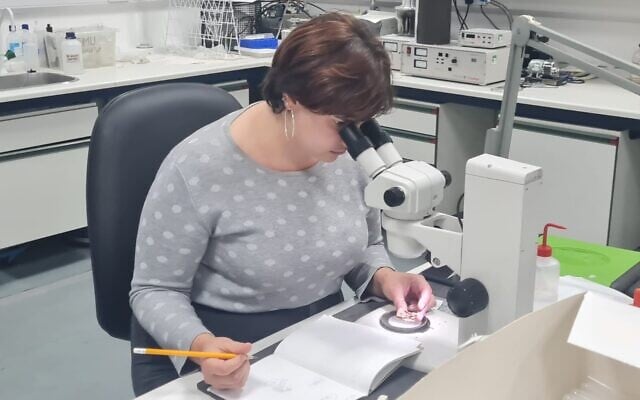
“Seventy kilometers can be covered in a day and a half of walking,” Jallon said.
But when they returned to their home caves, they would butcher their meat in their own way, rather than borrowing from the traditions of their neighbors, the same way you might make chicken soup the way your grandmother taught you, even if you know other methods are out there.
According to the researcher, further research could provide additional insight into the culinary traditions of early humans.
“Maybe one day we will be able to reconstruct Neanderthals’ recipes,” she quipped.










The Times of Israel Community.