

Faces, testimonies of 101 UK survivors of Nazi atrocities captured in new book
‘Portraits for Posterity: Photographs of Holocaust Survivors in Great Britain’ started as a single photo op before growing into an exhibit and then book
 Add ToI as a Preferred Source on Google
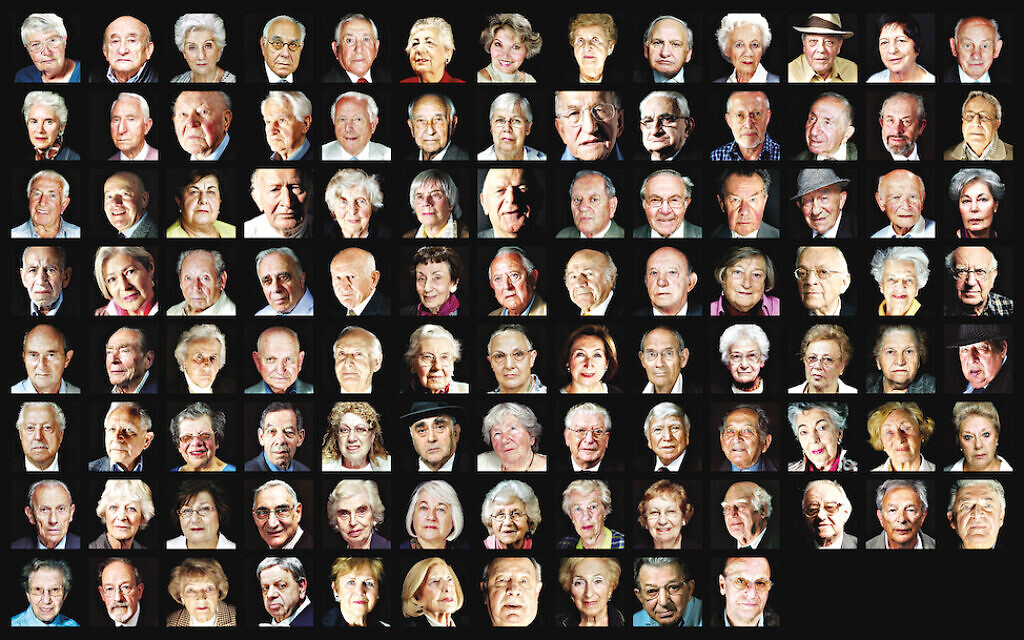
LONDON (Jewish News) — If pictures are worth a thousand words, then Matt Writtle’s breathtaking portraits of Holocaust survivors must fill an entire library.
For more than two years, Writtle, alongside curator Jan Marsh and project manager Jacki Reason traveled across the United Kingdom to photograph and record the personal testimonies of 101 survivors of Nazi atrocities.
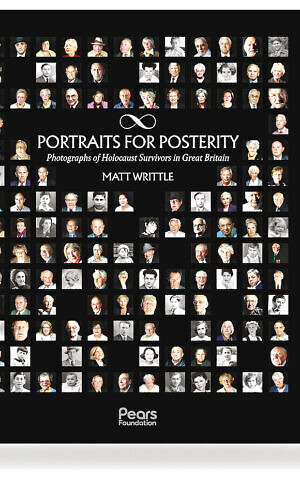
Thirty of the photographs were initially exhibited at City Hall in 2007 and now, more than a decade later, Writtle has brought the collection together in a new book, “Portraits For Posterity.”
Writing in the foreword, project manager Reason explains that the idea came about after visiting the Holocaust exhibition at the Imperial War Museum for the first time and realizing that one of the video testimonies showed a familiar face.
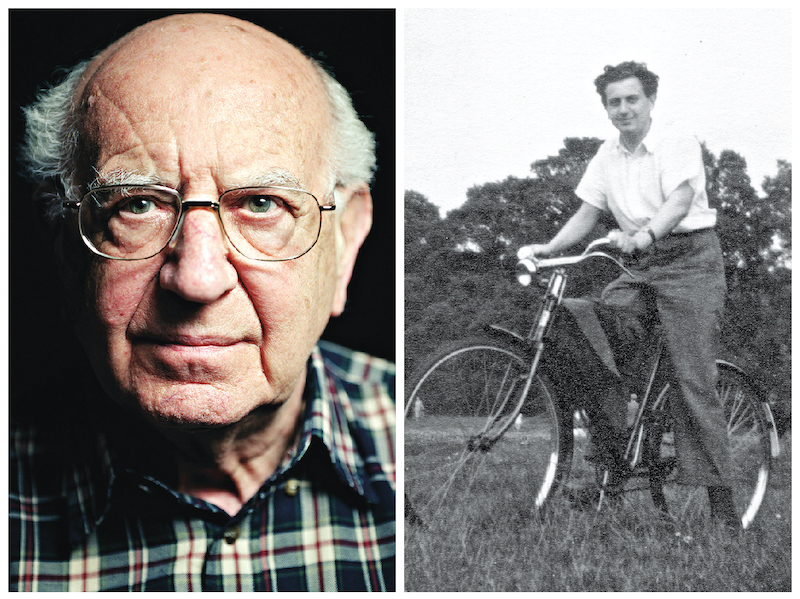
“He was Roman Halter, whom I met every day in the swimming pool, and who lived five minutes away,” Reason said.
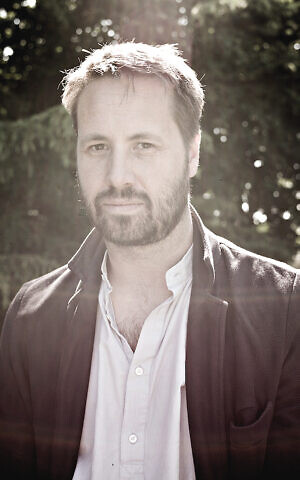
Fellow swimmer Marsh, who worked at the National Portrait Gallery, suggested creating a portrait of Halter and it wasn’t long before Reason enlisted the help of her neighbor, Writtle, a freelance photographer for The Times.
When the proposal was put to Halter, his response was, “Yes, but why just me?” From there, he introduced the group to his wife Susie, who was a fellow survivor, and put them in touch with both the Holocaust Survivors’ Centre and ’45 Aid Society.
Beginning with one portrait and testimony, they swiftly progressed to 30 and then 100 – “adding one more for luck,” writes Marsh.
They traveled from London to Manchester, Leeds, and Hove, and the portraits were exhibited across the length of the country, from Cornwall to Liverpool.
The exhibited portraits made an impact. Measuring 20” by 16”, visitors would find themselves staring into the life-sized faces of more than 100 men and women who had witnessed the barbarity of the Nazi regime and, importantly, survived.
But despite the success of the exhibitions, Writtle always felt the collection would be “perfect as a permanent memorial in a book,” not only to preserve their history for future generations, but also to make it more accessible to the wider public.
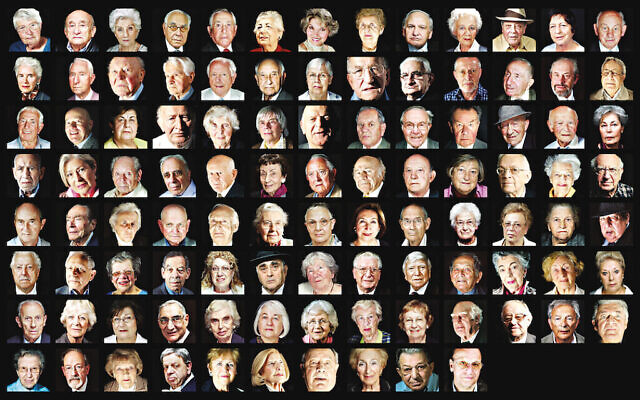
“The reasons behind doing this are clear and obvious, in that the book is a reminder to everyone, especially in contemporary times, to look and see what these people had to endure,” Writtle explains.
“This is what human beings did to other human beings. Given the nationalization and protectionism currently existing, it is not a far reach to think something like this can happen again,” he says.
From the outset, Writtle wanted to tell the stories of the survivors through the power of the lens and suggested the portraits should relate their individual contributions to British society. But after discussing it with Halter, he realized all that was needed was a much simpler approach for a more powerful message.
He explains: “I chose black to symbolize the horror of the Holocaust and used the light as a symbol of their survival.”
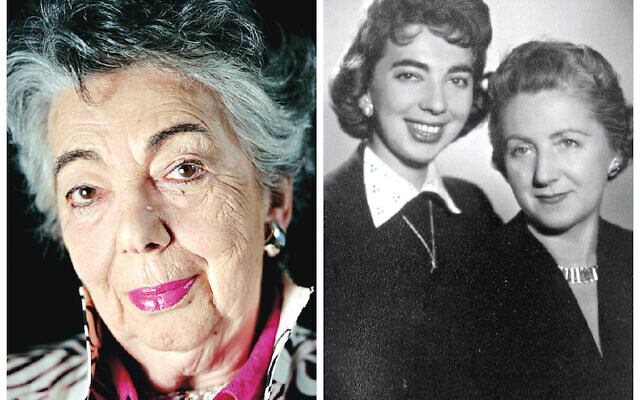
Using film and a medium-format camera, he fixed a single light high up and over the shoulder of his subject, while three reflectors surrounded his camera lens. The resulting effect was that the survivor could neither see him nor his assistant during the shoot, allowing him to capture even the smallest moment of contemplation.
“You would see them start to go off into their own mind, lost in their thoughts — and that’s when I would take the picture,” adds Writtle.
Mostly the survivors would remain quiet throughout the shoot, preparing themselves to speak about their experiences afterwards.
“But sometimes there would be occasions when the survivors would talk and that was when there would be tears behind the camera,” reveals Writtle. “I still can’t believe people would do that to people.”
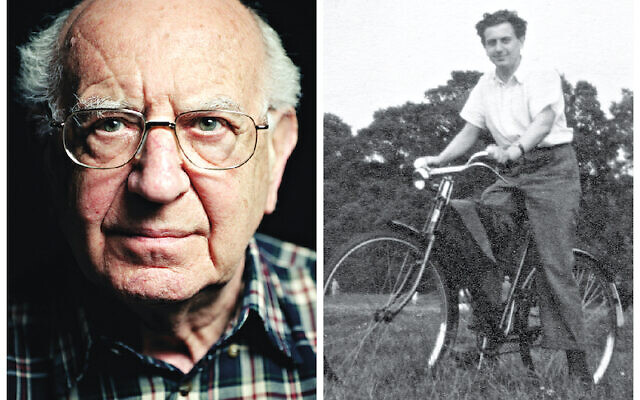
One survivor’s story that has stayed with Writtle is that of Eva Clarke. “I remember she walked in and I remarked that she didn’t look old enough to be a survivor,” he says. “She looked at me and said: ‘It’s funny you should say that. I will tell you my story in a moment.’
“I sat and listened to her story. Her mother weighed just six stone [84 lbs] and was on the back of a cart going up to the gas chamber, when the Allies starting bombing. She then went into labor and had to give birth on the back of this cart, in silence, on her own, while other prisoners attempted to cover her. If she had been found out, the guards would have shot her and the baby.
“There are so many horrendous stories, but that one for me really stood out,” Writtle says.
Having had the privilege of meeting so many Holocaust survivors, Writtle acknowledges they have a “special stoicism.”
“When you meet them, they could be my grandma, a family member, someone who is just like you and me — and that really was quite powerful to me, because it shows the Holocaust could happen to anyone,” he says. “But at the same time, there’s no doubt they are impressive human beings, because they experienced something that horrific and yet were able to continue with their lives.”
“Portraits for Posterity: Photographs of Holocaust Survivors in Great Britain” by Matt Writtle is now available on Writtle’s website.







The Times of Israel Community.