

Failed Israeli strike in Doha sparked push that led to Trump’s Gaza plan — report
Sources tell Axios that attack in Qatar prompted a diplomatic ‘rallying cry’ and ‘changed the regional dynamics,’ opening the door for ‘a real discussion’ on ending the Gaza war
 Add ToI as a Preferred Source on Google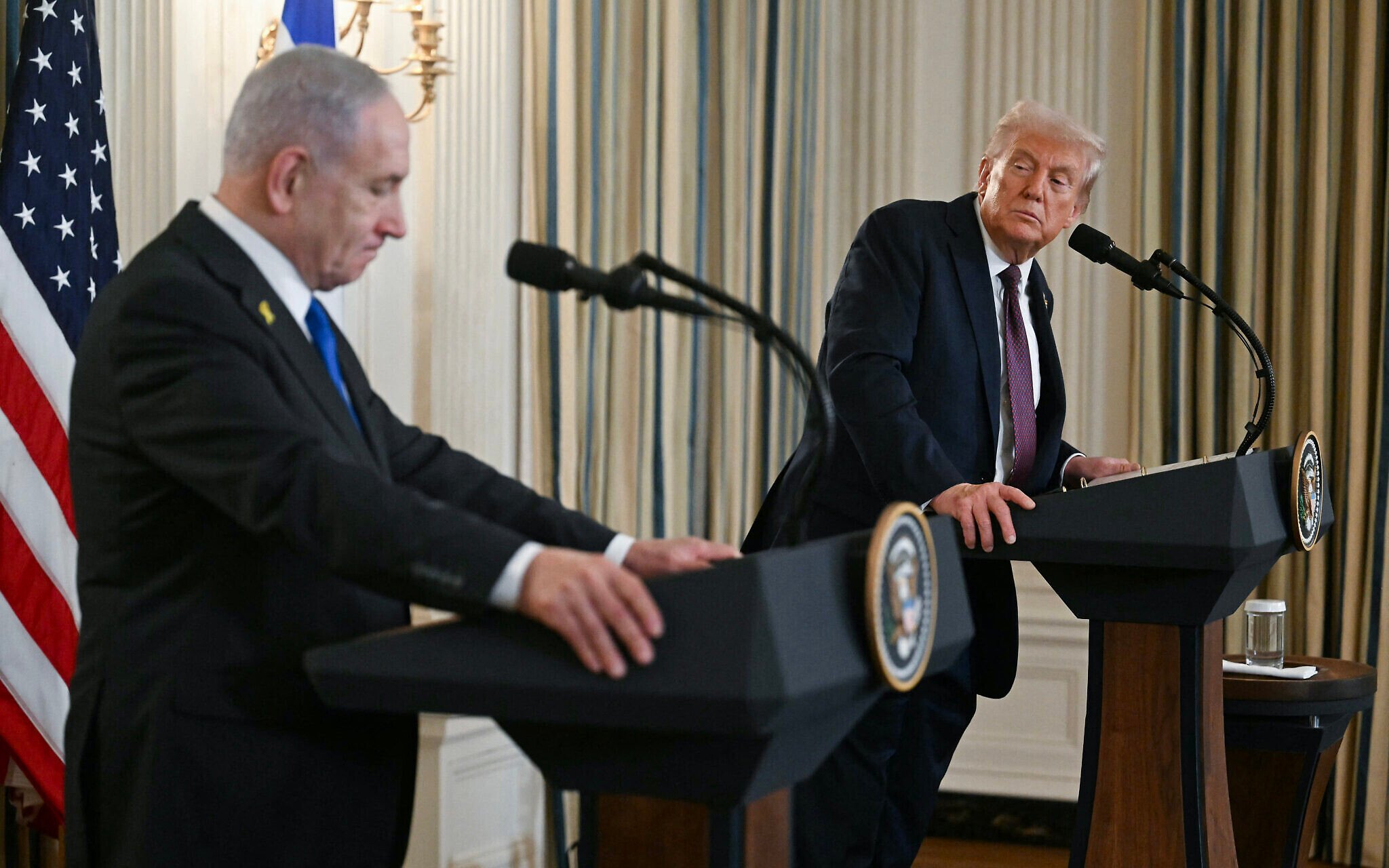
Israel’s failed attempt to assassinate Hamas leaders in Qatar last month sparked the diplomatic push that lead to the formulation of US President Donald Trump’s newly proposed Gaza ceasefire and hostage deal, according to a Wednesday report citing US and Israeli sources.
According to Axios, the unprecedented strike in Doha on September 9, which targeted several top Hamas leaders at their offices in the wealthy Gulf nation’s capital, led to a wave of outrage among Arab leaders against Israel and renewed calls to find a diplomatic end to the war in Gaza.
“The Arabs were speaking with one voice,” the report quoted a Trump adviser as saying, noting that the backlash against Israel presented “a rallying cry that seemed negative at first” but could be “turned into something positive.”
At the time, Trump’s advisers Steve Witkoff and Jared Kushner were already holding discussions with Israeli officials, including Strategic Affairs Minister Ron Dermer, about a post-war vision for Gaza, the report said. When they learned about the Israeli strike, the two were furious, it added.
Recognizing the diplomatic opportunity, Witkoff and Kushner got Trump’s approval to begin crafting a broader peace plan, the outlet added, building on the US ceasefire proposal and a post-war framework Kushner had already worked on with former UK prime minister Tony Blair. This evolved into the current 20-point plan unveiled by Trump and approved by Prime Minister Benjamin Netanyahu on Monday, which Hamas has yet to respond to.
“The failed Doha attack changed the regional dynamics and opened the door for a real discussion about how to end the war in Gaza,” a US official was reported to say.

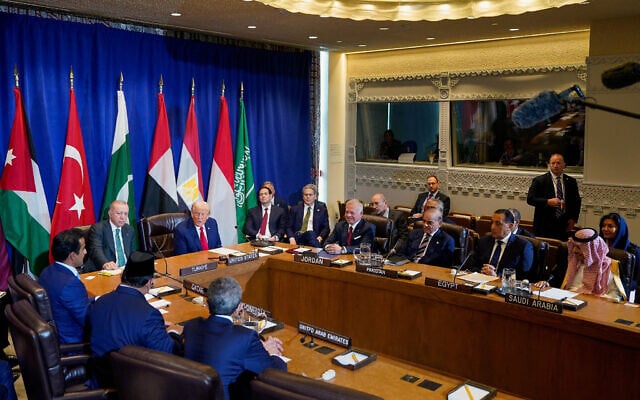
On the sidelines of last week’s UN General Assembly, Qatar proposed a summit in New York between Trump and leaders from eight Arab and Muslim countries, during which the regional leaders bashed Israel for its strikes in Doha and for the humanitarian crisis in Gaza.
At the meeting, Trump and Witkoff presented their newly formulated plan to end the war, which received “positive reactions in the room,” according to Axios. By the next evening, the US and Arab leaders had reached a preliminary agreement, and the plan was forwarded to the Israelis.
Once these regional countries backed the deal, Trump turned to pressure Israel and, after initial pushback from Netanyahu, the US president reportedly told the Israeli premier to “Take it or leave it.”
“And leave it means we walk away from you,” Trump said, according to a source, who added: “Donald Trump has had enough, for many reasons.”
“If you accept this plan and Hamas rejects it, I will give you full backing to continue fighting them,” Trump assured Netanyahu, and within days, Netanyahu was publicly on board.
“Netanyahu knew what he had to do,” a source told Axios. “Give him credit: when he realized he had to do it, he did it.”
According to the report, Trump told Netanyahu that he was looking for a “clear yes” to the proposal, not a “yes, but.”
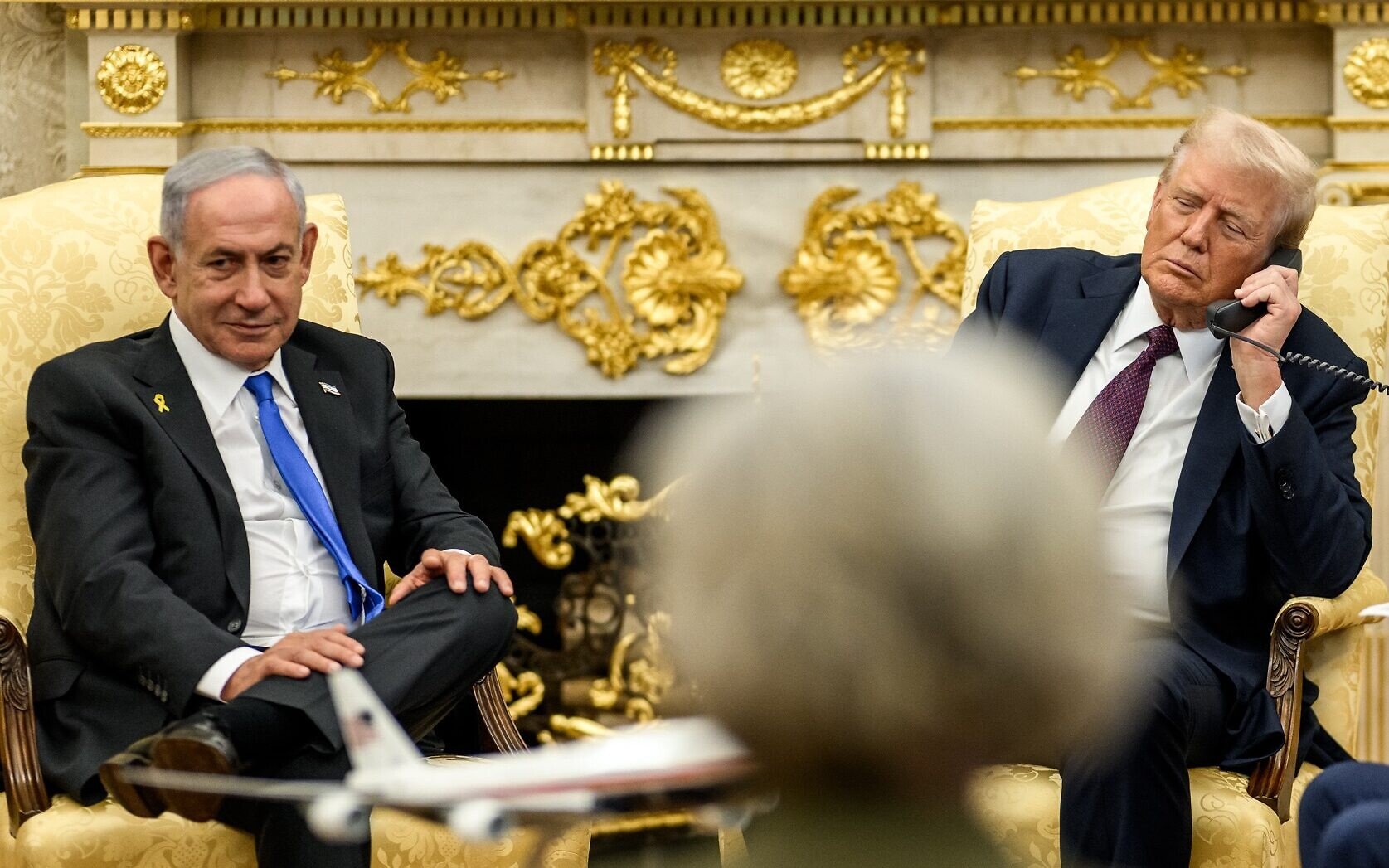
Trump also demanded that Netanyahu personally apologize to his Qatari counterpart, Mohammed bin Abdulrahman al-Thani, for violating Qatar’s sovereignty. Netanyahu acquiesced, and Trump arranged a phone call between the two Mideast leaders while the Israeli premier was in the Oval Office on Monday.
Netanyahu agreed to Trump’s proposal with several amendments, the report added, including over the terms of the IDF’s withdrawal from Gaza. This infuriated the Arab leaders, who demanded a delay in public announcements about the plan pending approved changes.
“[Netanyahu] told Trump… he won’t just withdraw and let Hamas reconstitute,” said an Israeli official. Trump agreed.
Despite Arab frustration and Qatari advising to delay the plan’s release, Trump went ahead with publishing it on Monday.
The next day, Trump said he expectd a response from Hamas within “three or four days.” While some Arab officials welcomed the announcement, they emphasized the deal is still under negotiation.
“Tweaks” may still happen, a US official said, but Trump won’t renegotiate the full plan to satisfy the demands of either Israel or Hamas.
Now that Israel has agreed, at least publicly, to the plan, the US is relying on Qatar, Egypt and Turkey to bring Hamas on board.
“If Hamas walks away, they will be unfunded and on an island… So fingers crossed for Hamas,” a US official told Axios.





The Times of Israel Community.