

For Israel’s most vulnerable workers, safety often comes second when missiles fly
Deaths of construction workers and a caregiver in Iranian attacks highlight dangers faced by laborers who feel forced to choose between shelter and livelihood
 Add ToI as a Preferred Source on Google
Stav Levaton is a military reporter for The Times of Israel
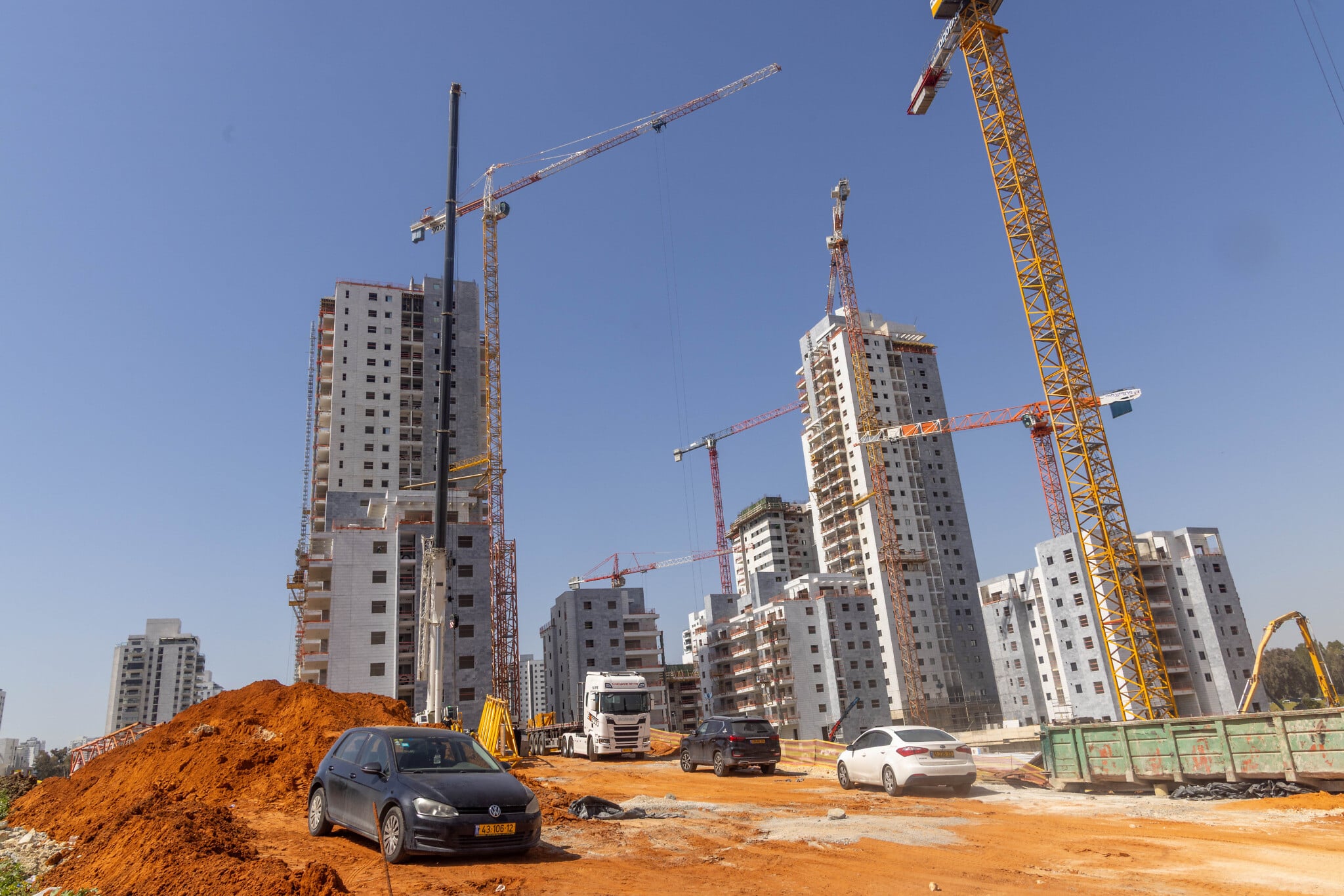
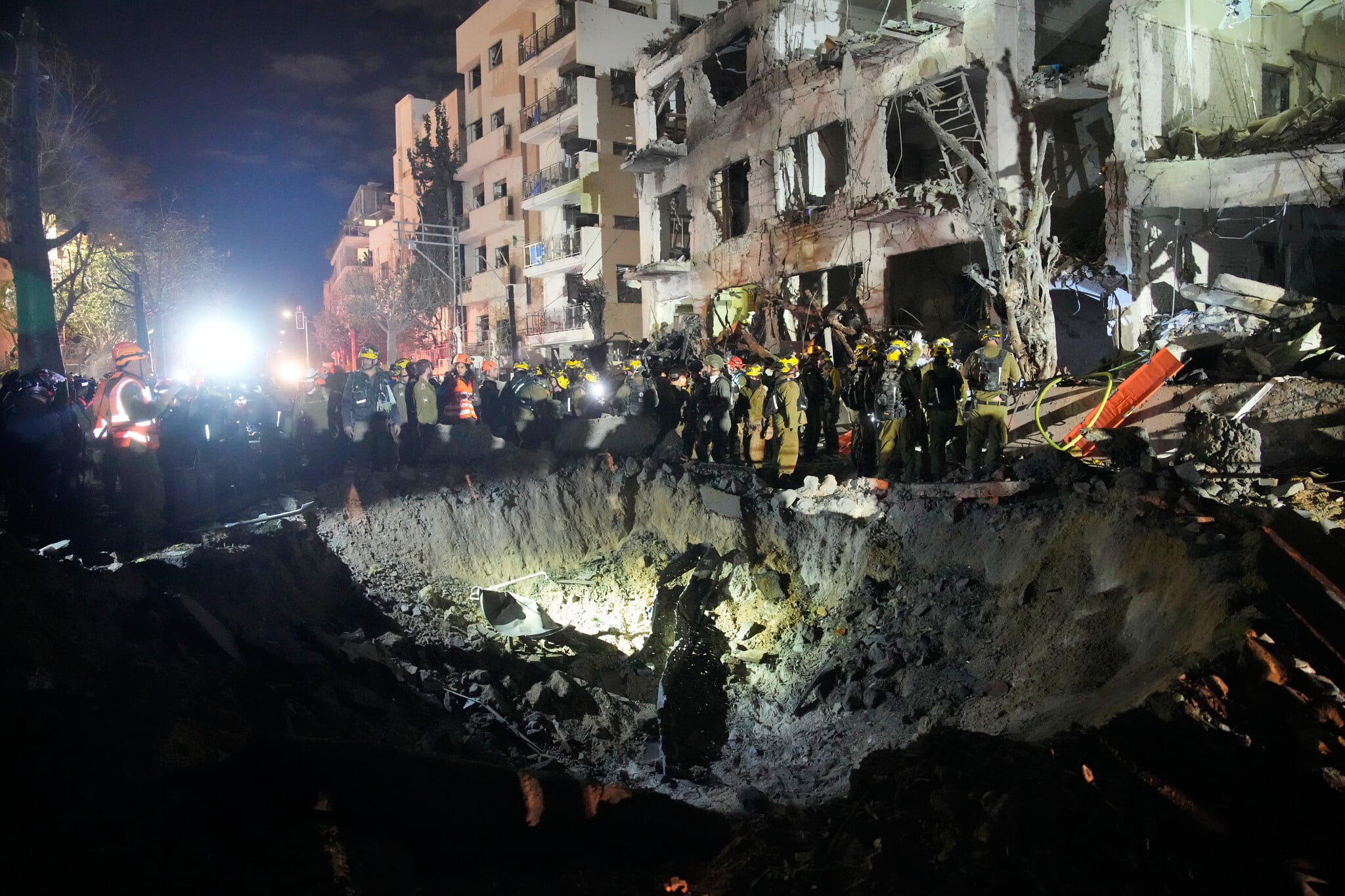
When air raid alarms rang out in central Israel on March 9, a crane operator was only starting his way down from the cab in which he was hoisted high above a Yehud building site.
“I came down and barely made it. I got the alert, waited for them to disconnect me from the load, closed up the crane and went down,” the crane operator told the Haaretz news outlet. “It took a few minutes, and time was running out; by the time I started descending, the siren had already begun.”
As he ran to a nearby underground parking garage for protection, he recalled seeing fellow workers Rustam Gulomov and Amid Murtuzov.
“Ten seconds after I made my decision and went down to the garage, there was the boom. I went back up after half a minute and just saw them lying there on the floor,” he said. “I couldn’t understand why they hadn’t gone inside.”
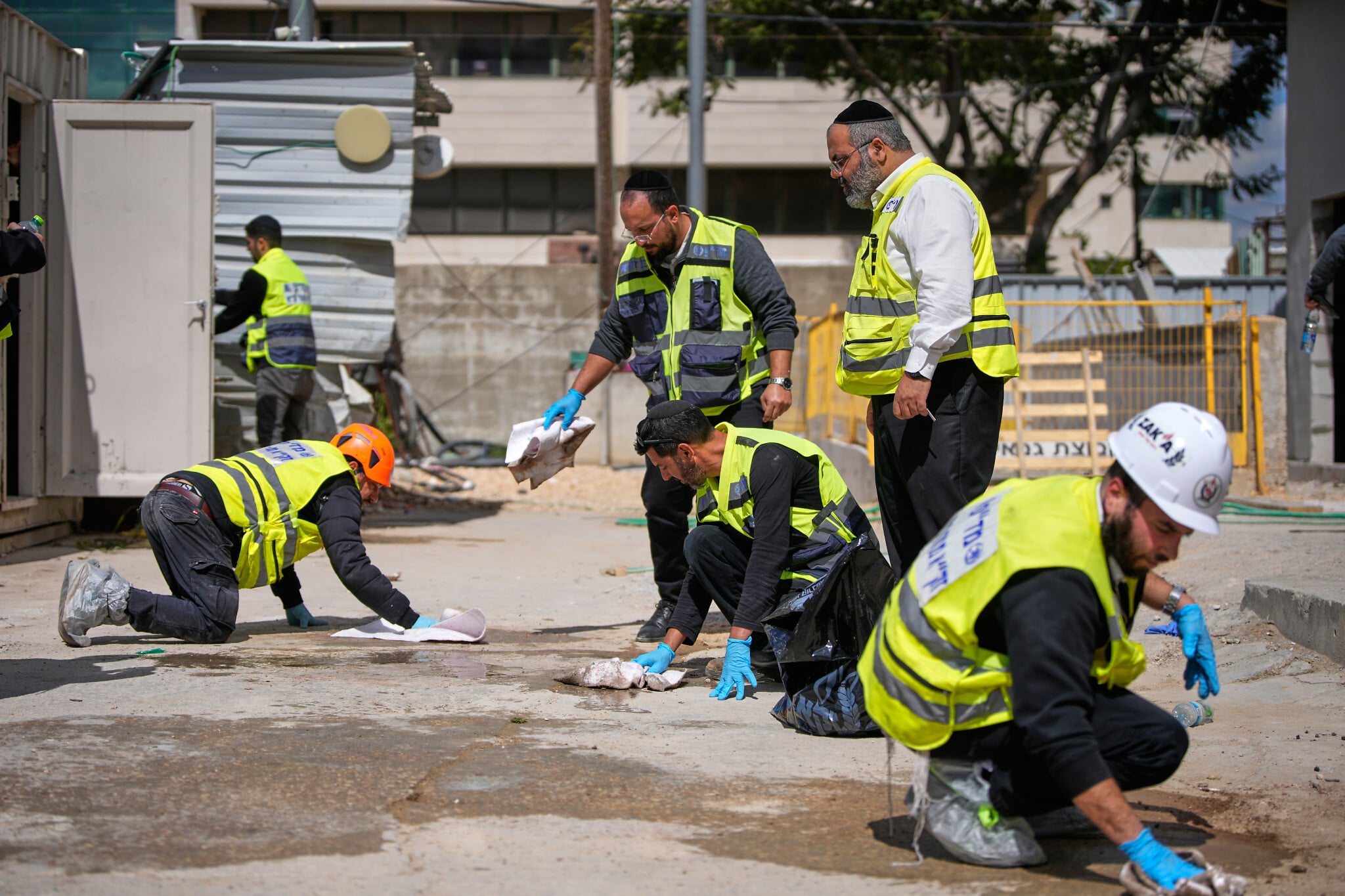
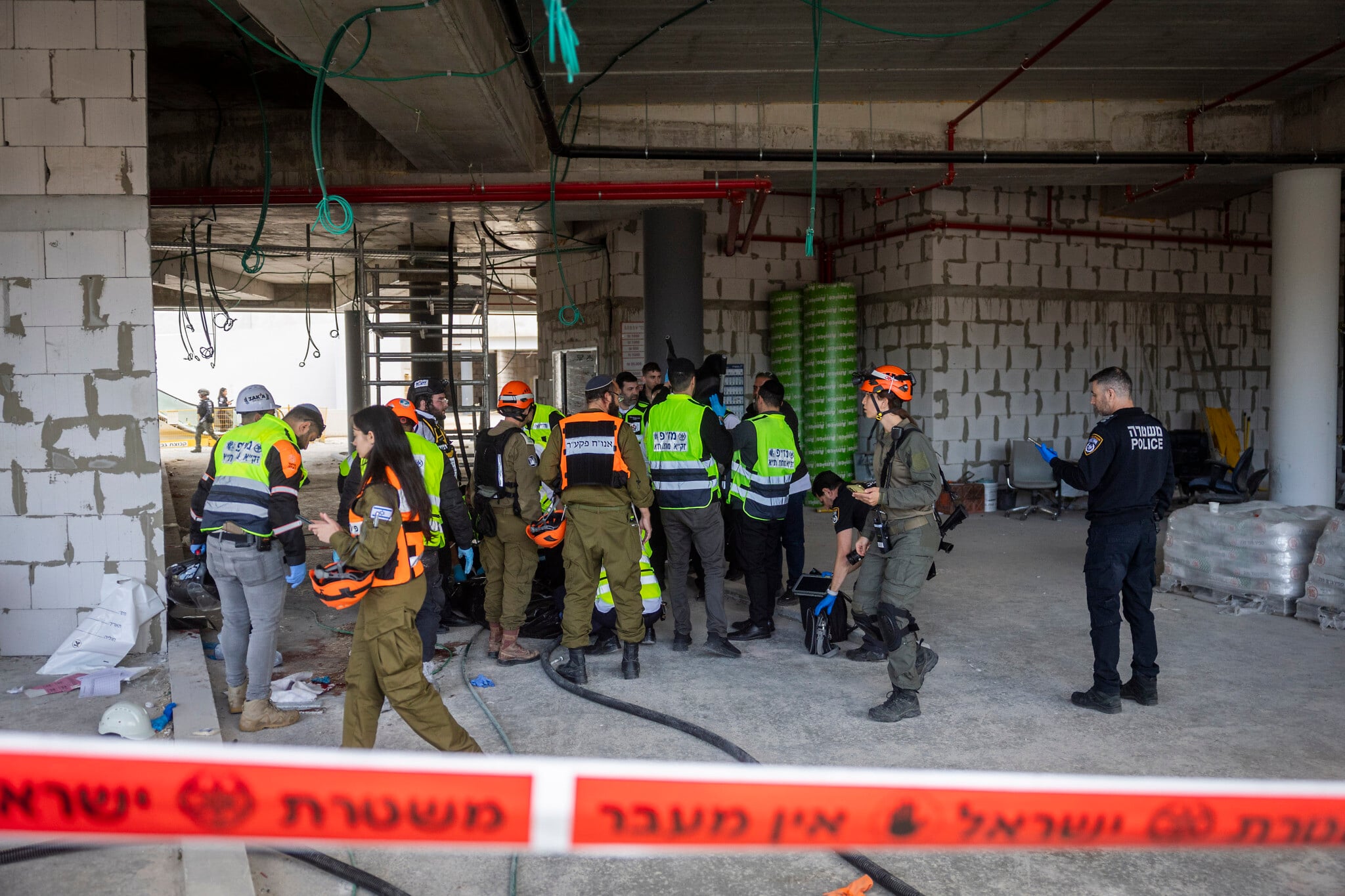
Gulomov and Murtozov, both from nearby Petah Tikva, were killed by the apparent cluster munition that impacted at the site. The two were not in a bomb shelter at the time of the attack, according to a preliminary investigation, despite having access to protected spaces.
It’s unclear why the pair did not seek shelter, but neither was it an anomaly. Workers in a handful of industries deemed essential — including construction, agriculture and residential care — are often left exposed when missile alerts are triggered, whether from lack of nearby shelter, the nature of the work itself, or other constraints that keep them from reaching safety.
On February 28, the first day of the US-Israel conflict with Iran, the National Emergency Authority — which coordinates Israel’s civilian home front during emergencies — published an updated list of workplaces classified as part of the “essential economy” during a national state of emergency. The designation allows certain sectors deemed critical to basic civilian life and the functioning of the economy to continue operating during wartime.
After the Yehud tragedy, the chief of the Home Front Command, Maj. Gen. Shai Klapper, said that dozens of other construction workers survived the attack after entering bomb shelters.
“We had a serious incident at this construction site, where several people were injured. At the same time, I want to say that there were dozens of workers whose lives were saved. Their lives were saved because they were in a protected space and followed the guidelines,” he said in a video published by the military.
Meytal Russo, vice president of Kav LaOved, a legal aid group for disadvantaged workers, said the incident “highlights a dangerous gap between the guidelines on paper and the reality on the ground.”
The deaths, she added, provided “shocking evidence that the state is allowing the construction sector to operate at the expense of workers’ safety.”

Under Construction and Housing Ministry guidelines, work is permitted only at sites with proper protective infrastructure. Home Front Command restrictions also prohibit work at sites where there is no shelter that can be reached within a minute or two.
But according to Russo, inspectors often “turn a blind eye” to sites in the excavation or structural phases, “where there is no realistic chance of reaching protection in time.”
“In construction, workers operating cranes or working in deep excavation pits sometimes require up to 10 minutes to evacuate — time they simply do not have in real situations,” she said.
In a satirical video posted on social media, crane operator and content creator Artyom Jeymanson tried to find humor by showing what he does during a siren while working on a crane: In the clip, Jeymanson walks viewers through his routine of donning a helmet, stepping out of the crane’s operating cabin, and then joking that he stays in place, singing Israel’s national anthem, “Hatikva,” while wrapped in an Israeli flag.
“What else do I have to do?” he asks the camera in between verses. “It’s worked till now.”
In some cases, Russo noted, workers were told by construction site managers to “simply lie flat on the ground instead of providing proper protective infrastructure.”
A Kav LaOved report from earlier this year found that as of 2025, there were only 80 inspector positions for the entire country in the state’s Occupational Safety Administration, which operates under the Labor Ministry. The report found that construction remained the most dangerous occupation, accounting for 59 percent of the 80 worker deaths last year — underscoring dangers at job sites even when missiles are not falling.
Attempts by The Times of Israel to contact the Construction and Housing Ministry and the Labor Ministry were unsuccessful. Calls to hotlines for workers set up by the Occupational Safety Administration also went unanswered.
Construction workers approached by The Times of Israel to speak about their experiences during the war declined to speak, even anonymously or off the record. According to Kav LaOved, many fear being exposed as whistleblowers and subsequently losing their jobs.
Survival over safety
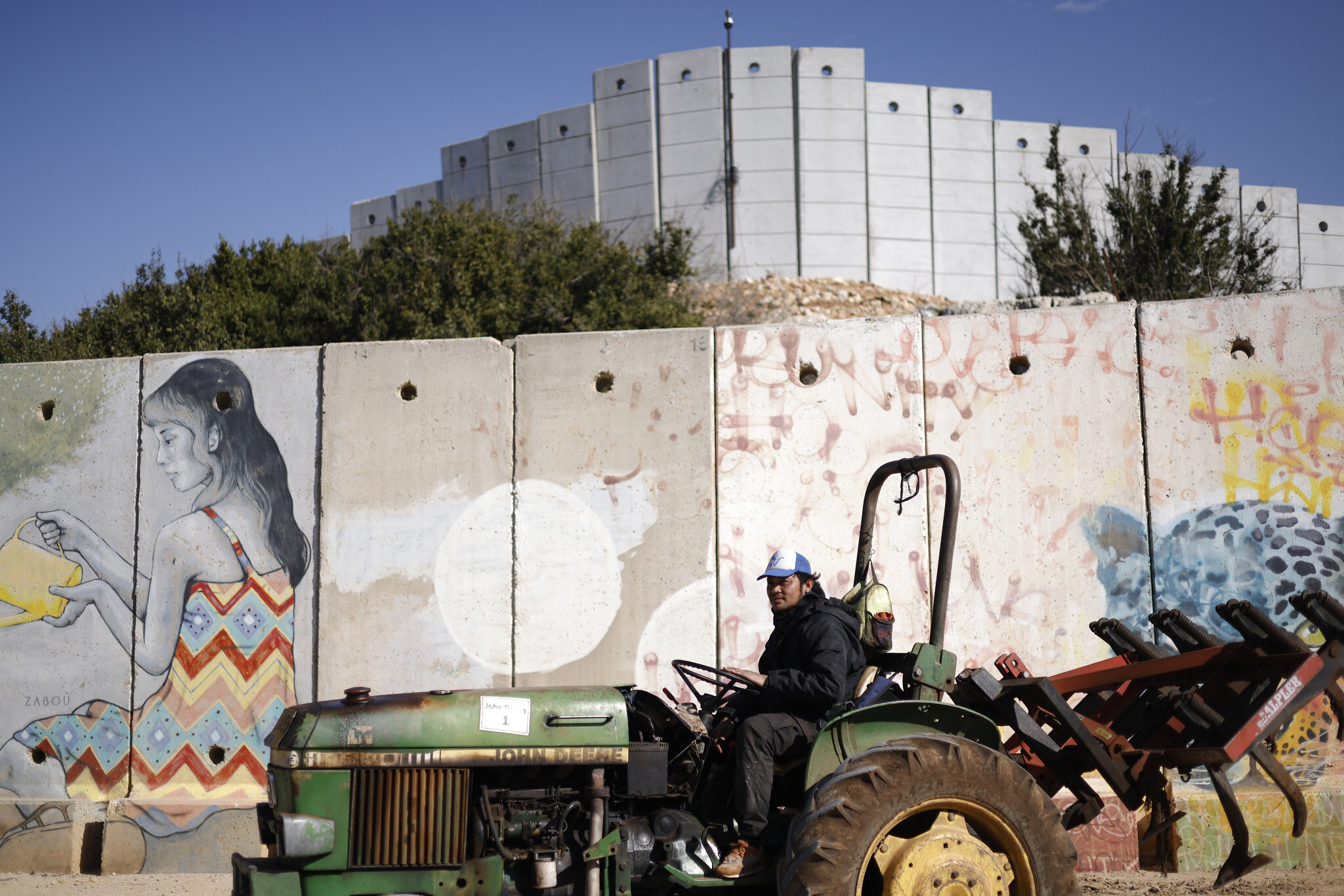
Though exposed to more danger than many others due to the outdoor nature of their jobs, construction and agricultural workers have repeatedly been required to continue working during periods of rocket fire since Hamas’s October 7, 2023, onslaught, often in open areas with little or no access to immediate shelter, according to Kav LaOved.
The report found that during previous rounds of fighting, some workers said they lacked access to shelters or were sent to work in fields even during heavy rocket fire, fearing that refusing could cost them their wages or their jobs.
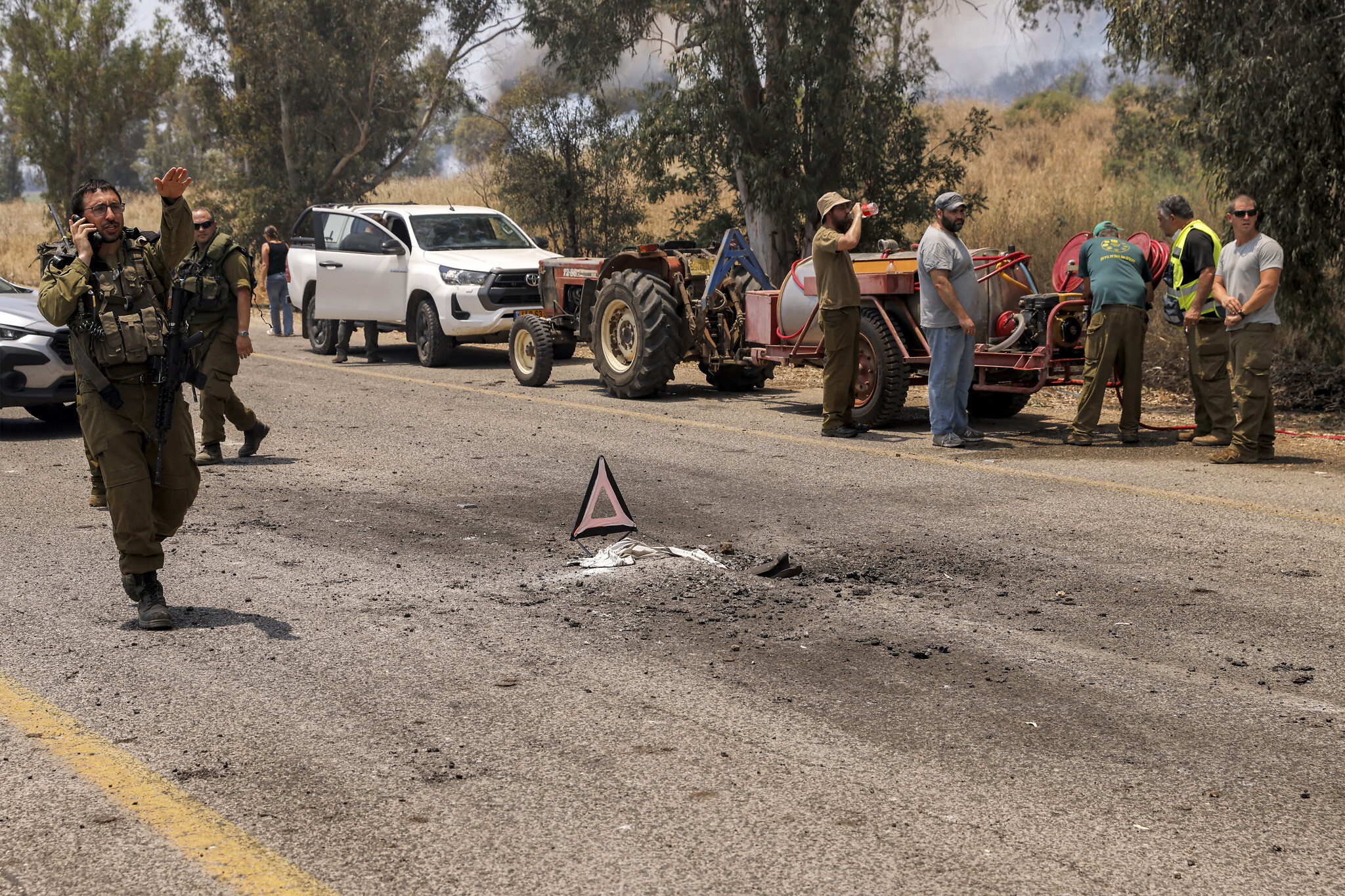
Though most civilians evacuated northern Israel when Hezbollah began firing into the region on October 8, 2023, many foreign workers remained to work the fields, despite having almost no refuge. Among those killed in cross-border anti-tank missile attacks and rocket strikes were at least five Thai nationals and one Indian employed as agricultural laborers.
Kav LaOved noted one case in which a projectile that landed in an orchard near an unspecified border killed a foreign worker and injured another. After recovering in his home country, the worker returned to Israel, only to be asked by his employer to resume work in the same area where the attack had taken place.
For some laborers, turning down dangerous work simply isn’t an option.
“Many workers go to work despite protection problems because they must continue to survive,” Russo said.
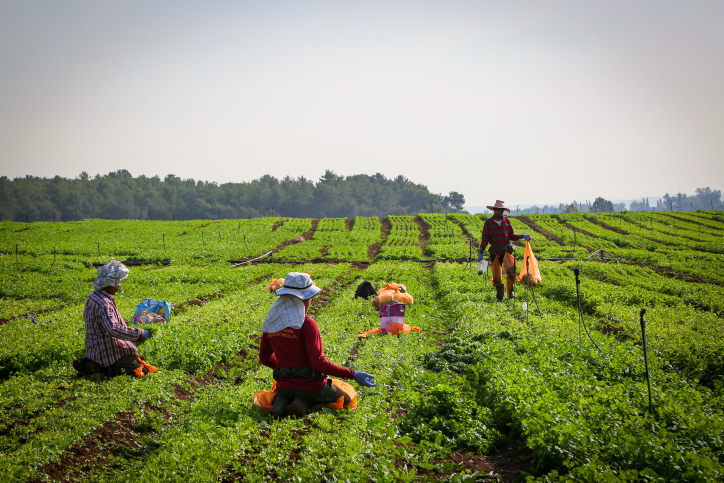
According to the Knesset Foreign Workers Committee, there were more than 195,000 legally employed foreign workers in Israel as of April 2025, alongside over 33,000 undocumented workers. Few are thought to have left when war broke out in late February. The vast majority of them work in construction, agriculture and elderly care.
Under Israeli law, an absence of more than 90 days can be interpreted as termination of employment and may jeopardize a foreign worker’s permit, according to Zari Hazan & Co., a law firm specializing in immigration law and the legal status of foreign workers in Israel.
The firm described one case in which a client was unable to reach her workplace due to the security situation, but was only saved from losing her status thanks to the intervention of lawyers.
An impossible choice
Residential caregivers tasked with helping the elderly or infirm who may lack the ability to reach shelter in time face a different kind of danger, with their position forcing them to choose between prioritizing their own safety or potentially sacrificing their own well-being to remain beside a person in their care.
There is no clear official guidance on what caregivers are required to do when sirens sound, leaving the decision largely up to the workers themselves and the families of the patients they assist.
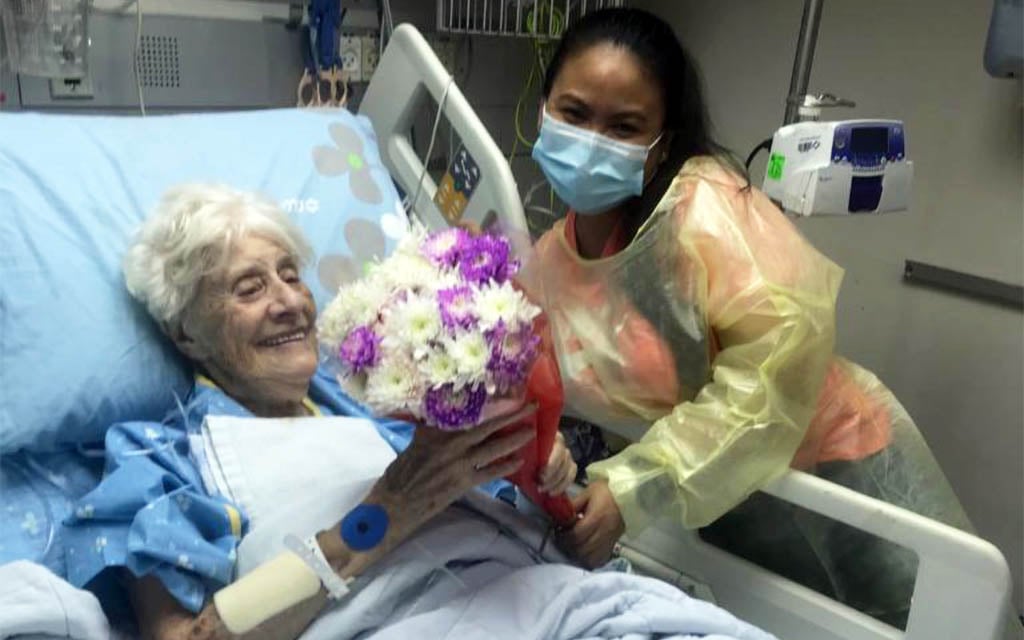
Such was the case for Filipina caregiver Mary Anne Velasquez de Vera, 32, who was killed “while selflessly assisting her patient to safety” during an Iranian missile attack, according to the Israeli embassy in Manila.
While Velasquez de Vera was mortally wounded while making her way to a bomb shelter with her elderly patient, other caregivers may have patients who are unable — or unwilling — to reach protected spaces when alarms sound.
“If the patient cannot or does not want to reach a protected space — especially if they are not inside the home — the caregiver is placed in an impossible dilemma, even though it is clear that she has both the right and the obligation to protect herself,” Russo noted.
She said that in such situations, caregivers “must protect themselves, and the employer’s family must allow this,” adding that responsibility for patients who cannot reach protected spaces should fall on the state — not on the caregivers themselves.
Lost in translation
Another layer of complexity stems from the fact that many workers in these vulnerable sectors are foreign laborers who are not fluent in Hebrew or familiar with official guidelines — or even fully informed of current events.
An attorney speaking on behalf of Zari Hazan & Co. explained that the language barrier can make it difficult for workers to understand emergency alerts, security instructions or procedures for reaching protected spaces.
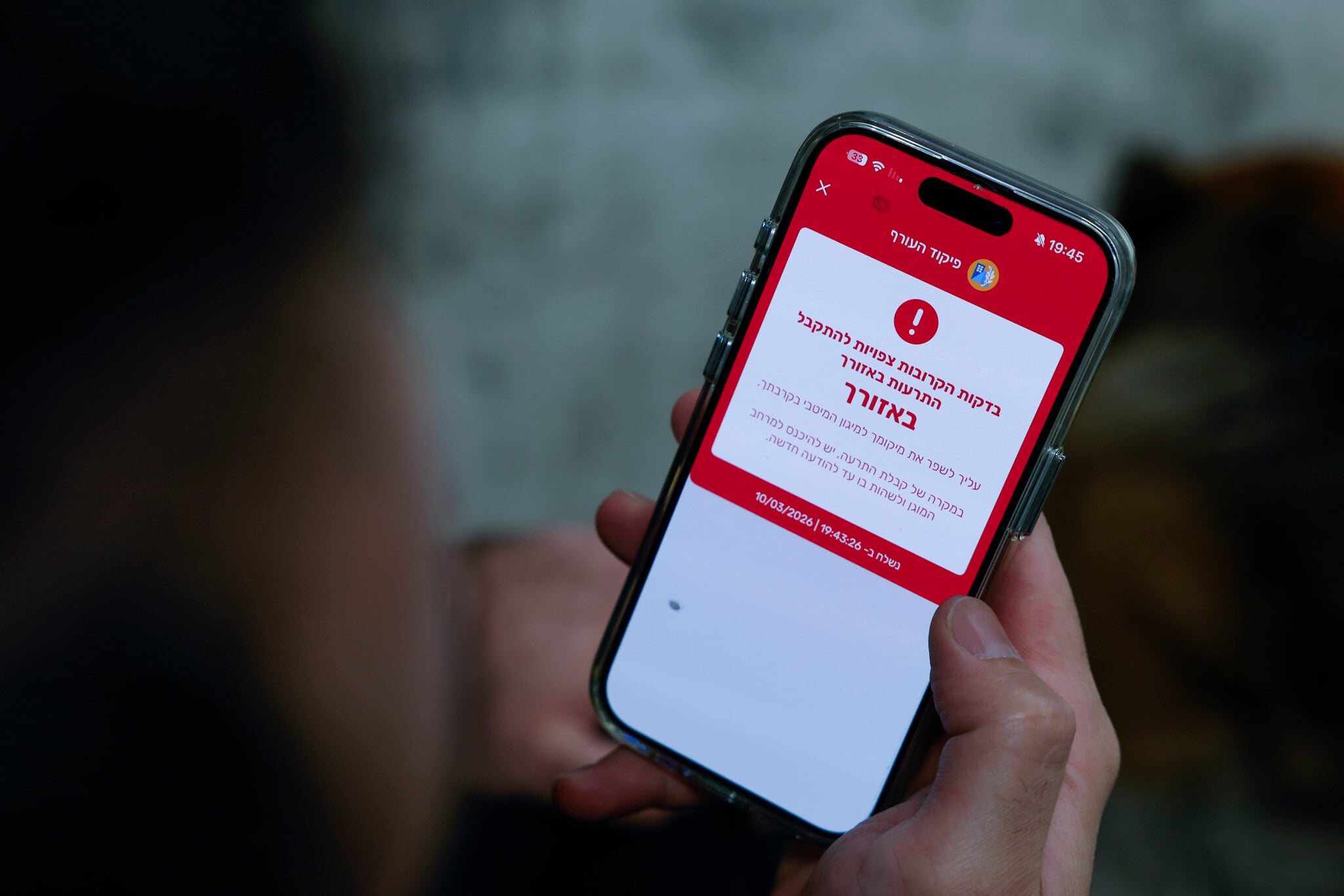
“We encounter workers who call their families in panic just to understand what they are supposed to do,” the attorney told The Times of Israel.
Since the start of the war, the firm has tried to help foreigners by hosting webinars and digital briefings for employers and workers, translating safety instructions into participants’ native languages “so that every family knows exactly how to act,” the attorney said.
Additionally, the Central Bureau for Foreign Workers, which operates under the Interior Ministry’s Population and Immigration Authority, published a series of educational videos in the days leading up to the war with Iran, outlining proper conduct during sirens and other emergencies.
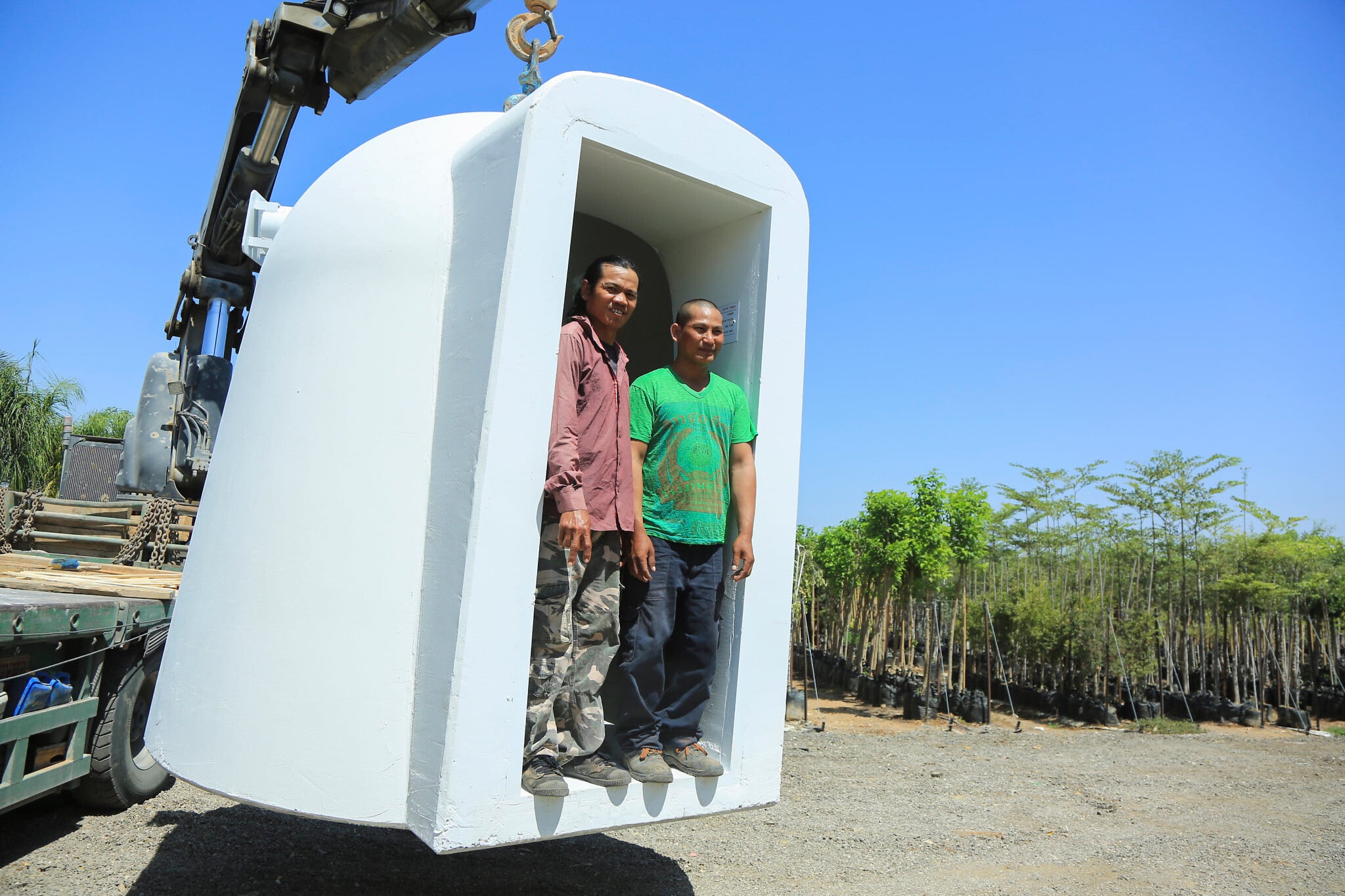
The videos were prepared in languages commonly spoken by foreign workers in Israel, including Thai, Filipino, Russian, Hindi and Sinhala.
However, Russo emphasized that there is more work to be done.
Tragedies such as the one at the Yehud construction site should force policymakers to confront the gap between safety guidelines and the realities faced by essential workers, she said. Until then, the burden of wartime risk will continue to fall on those with the least protection.






The Times of Israel Community.