

Former top cop rebuffs criticism of police dealings with Gantz firm
‘It’s much ado about nothing,’ Roni Alsheich says after comptroller censures police for failing to issue tender
 Add ToI as a Preferred Source on Google
Shoshanna Solomon was The Times of Israel's Startups and Business reporter
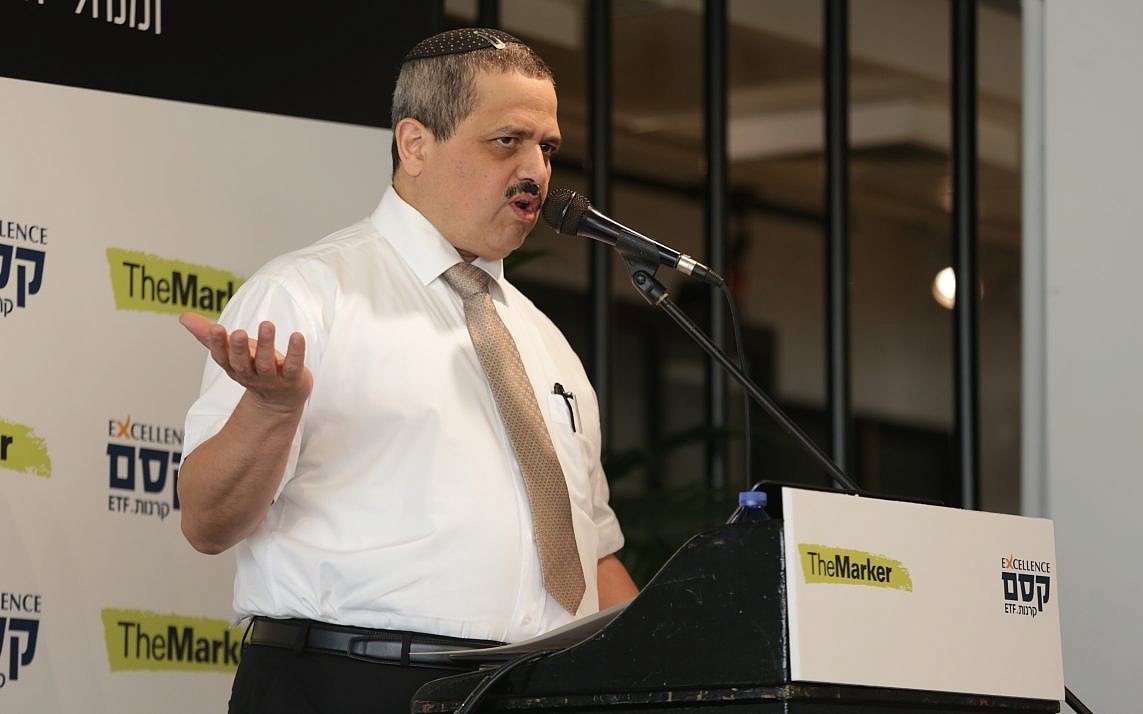
Former Israel Police commissioner Roni Alsheich said on Wednesday that criticism from the state comptroller regarding the relations of the Israel Police with a cybersecurity firm formerly run by prime ministerial candidate Benny Gantz was unfounded.
“It’s much ado about nothing, and I’ll stop here,” he said in answer to a question about the affair at a business conference attended by Israeli investors in Tel Aviv.
The State Comptroller’s Office in March castigated the Israel Police for negotiating a contract with a cybersecurity company firm called Fifth Dimension headed at the time by Gantz without issuing a tender, in violation of acquisition regulations.
State Comptroller Yosef Shapira also said in its report, detailing alleged deficiencies in the police’s acquisition process, that Fifth Dimension presented law enforcement with false information about its operations.
The report prompted Gantz’s Likud political rivals to call for a criminal investigation. Gantz’s Blue and White party denied any wrongdoing on his part. Channel 12 news noted at the time that the comptroller had not transferred the report for the attorney general’s office for possible follow-up investigation since there was no allegation of criminal wrongdoing.

As police chief at the time, Alsheich conducted the corruption investigations against Prime Minister Benjamin Netanyahu that have led the Attorney General Avichai Mandelblit to announce he would charge the prime minister with criminal wrongdoing in three separate cases, pending a hearing. Alsheich, appointed by Netanyahu, ended his term on December 2 after the prime minister declined to extendit for a customary fourth year.
In his talk to the investors on Wednesday, Alsheich shied away from political issues because of the upcoming elections on April 9. He focused his talk instead on deterring crime, and said that to fight all kinds of criminality — from driving infractions to corruption — deterrence, and not just enforcement, was key. Each corruption case should be examined for insights to be gained from it, he said, and steps should be taken to create deterrence.
He said political parties should sit down with law enforcement officers to learn from their experience about what can be done to help prevent corruption.








The Times of Israel Community.