

Four soldiers killed, 3 wounded in south Lebanon clash with Hezbollah
Slain troops named as Cpt. Noam Madmoni, Staff Sgt. Ben Cohen, Staff Sgt. Maxsim Entis, Staff Sgt. Gilad Harel; civilian hurt by a rocket attack in border community of Avivim
 Add ToI as a Preferred Source on Google
Emanuel (Mannie) Fabian is The Times of Israel's military correspondent
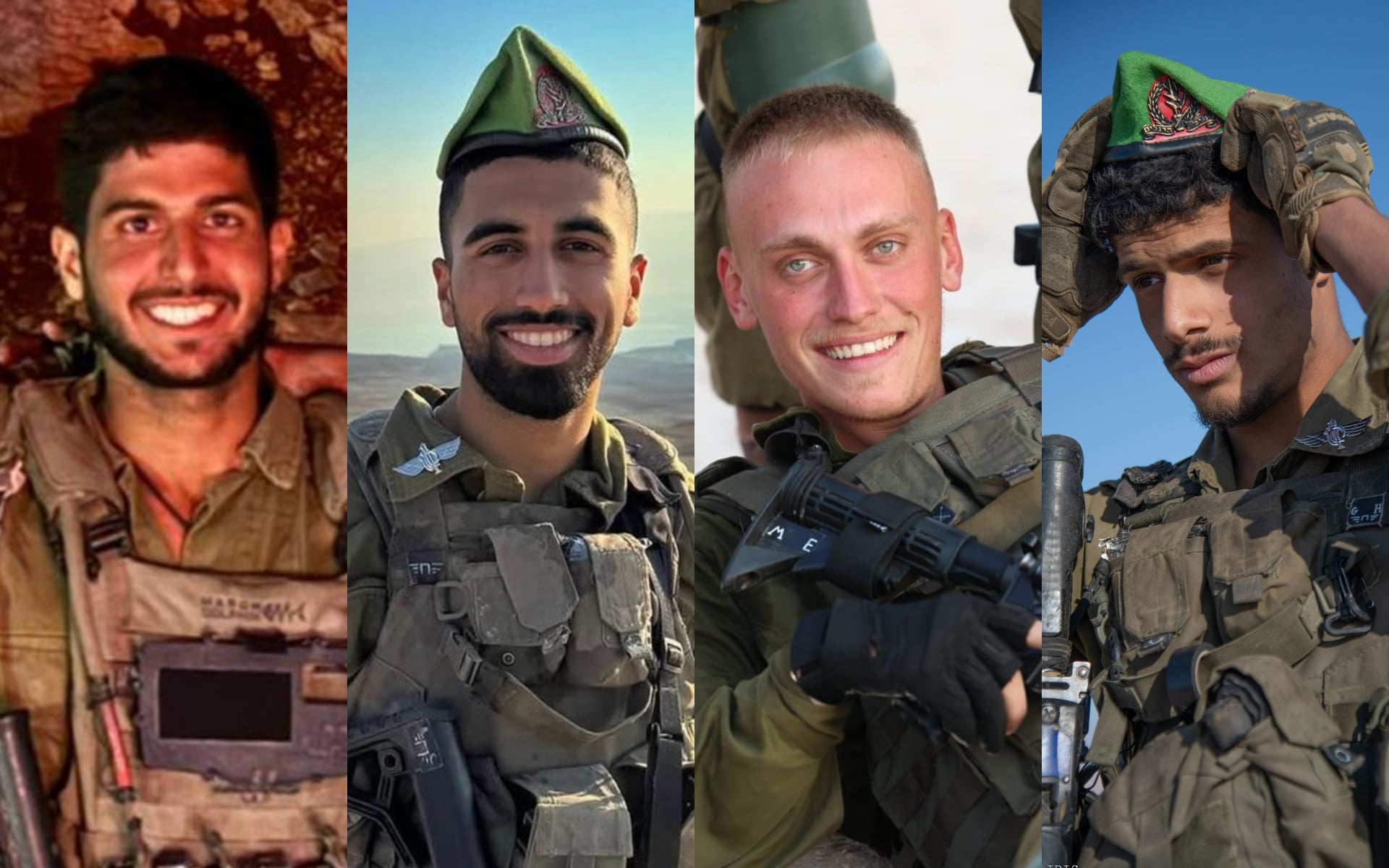
Four Israeli soldiers were killed and three others were wounded in a clash with Hezbollah in southern Lebanon, the Israel Defense Forces announced on Tuesday, as the military continued to battle the Iran-backed terror group. Separately, a civilian was wounded by a rocket attack in the border community of Avivim.
Meanwhile, Defense Minister Israel Katz said that the IDF would remain in control of large swaths of southern Lebanon until the threat of Hezbollah is removed, and that “all homes in Lebanese villages near the border will be destroyed.”
The slain soldiers were named as Cpt. Noam Madmoni, 22, from Sderot; Staff Sgt. Ben Cohen, 21, from Lehavim; Staff Sgt. Maxsim Entis, 21, from Bat Yam; and Staff Sgt. Gilad Harel, 21, from Modiin.
All served with the Nahal Brigade’s Reconnaissance Unit.
In addition, one soldier was seriously wounded, a reservist was moderately hurt, and another soldier was lightly injured in the Monday incident.
Four other Israeli soldiers were wounded in separate Hezbollah attacks in southern Lebanon on Monday, the IDF said.
In one incident, a soldier was moderately wounded by shrapnel from a rocket that struck near Israeli forces, and in separate incident, three reservists were lightly wounded after a drone impacted near them.
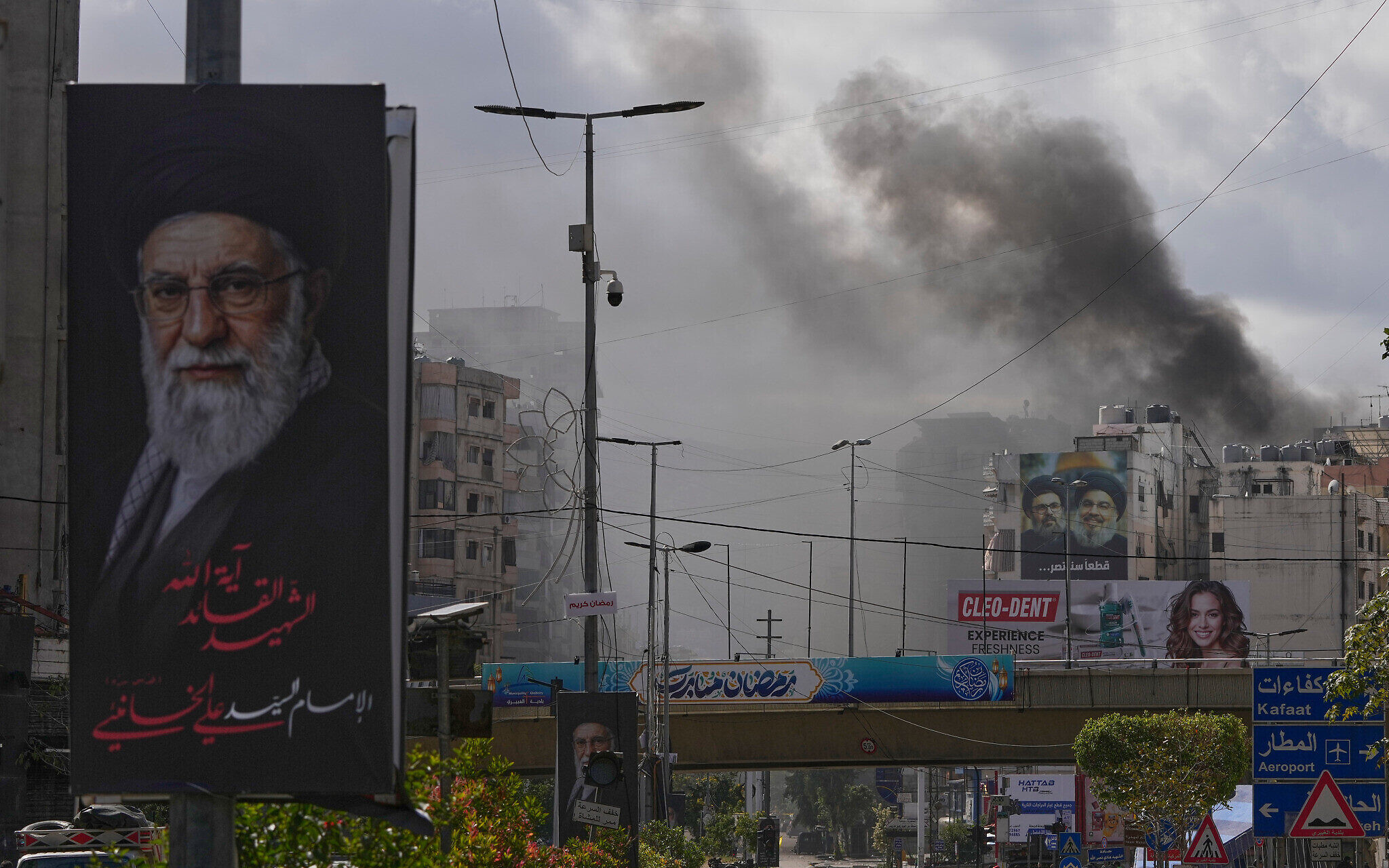
The clash in which the four were killed marked the single deadliest incident for the IDF since it launched a new ground offensive against Hezbollah in southern Lebanon amid the war with Iran.
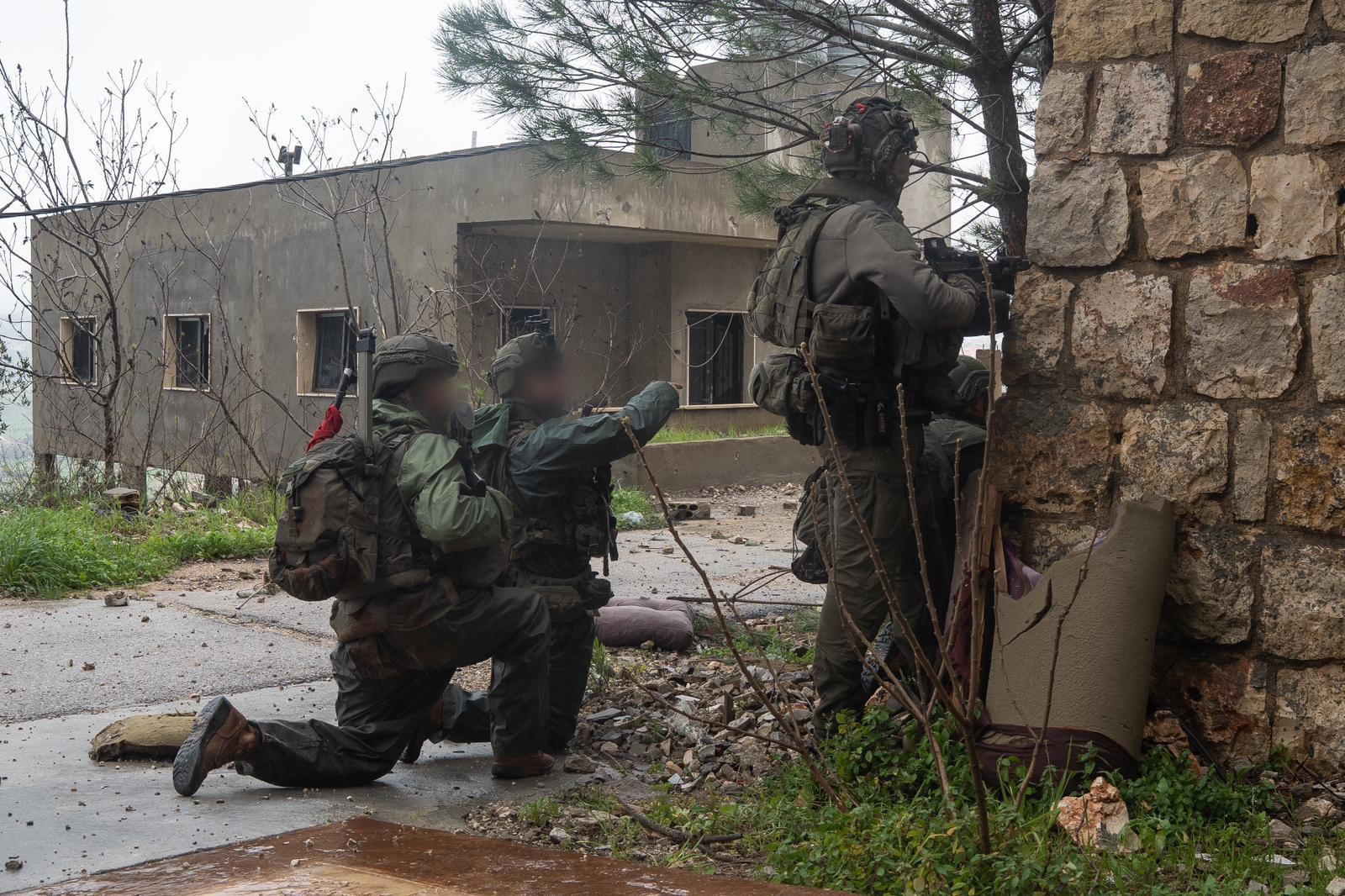
According to an IDF probe of the incident, during operations in the southern Lebanese village of Beit Lif at around 6:30 p.m. on Monday, troops of the Nahal Reconnaissance Unit spotted a cell of Hezbollah gunmen.
The soldiers exchanged fire with the operatives from close range, hitting several of them, the military found. During that exchange of fire, one soldier was killed and three were wounded.
Other troops rushed forward to assist the forces who were exchanging fire with the Hezbollah gunmen, before being ambushed by additional terror operatives, during which the other three soldiers were killed.
While the dead and wounded soldiers were being evacuated from the gun battle, Hezbollah operatives fired an anti-tank missile at the troops, which did not cause any further injuries, according to the probe.
The IDF said it returned fire, with tank shelling and airstrikes, against the Hezbollah operatives in the area.
Ten IDF soldiers have been killed in southern Lebanon amid fighting against Hezbollah, two civilians were killed by Hezbollah rockets, and an Israeli civilian was mistakenly killed in the north by Israeli artillery shelling.
Additionally, the IDF said Tuesday that troops operating in southern Lebanon captured a Hezbollah operative.
According to the military, the operative was carrying out surveillance on forces of the 36th Division. He was captured by troops and taken to Israel for interrogation.
The military said the division also killed dozens of Hezbollah operatives who attempted to ambush the forces, and located numerous weapons in southern Lebanon in the past day.
In one incident, troops spotted an RPG-wielding operative and killed him before he could open fire, the army said.
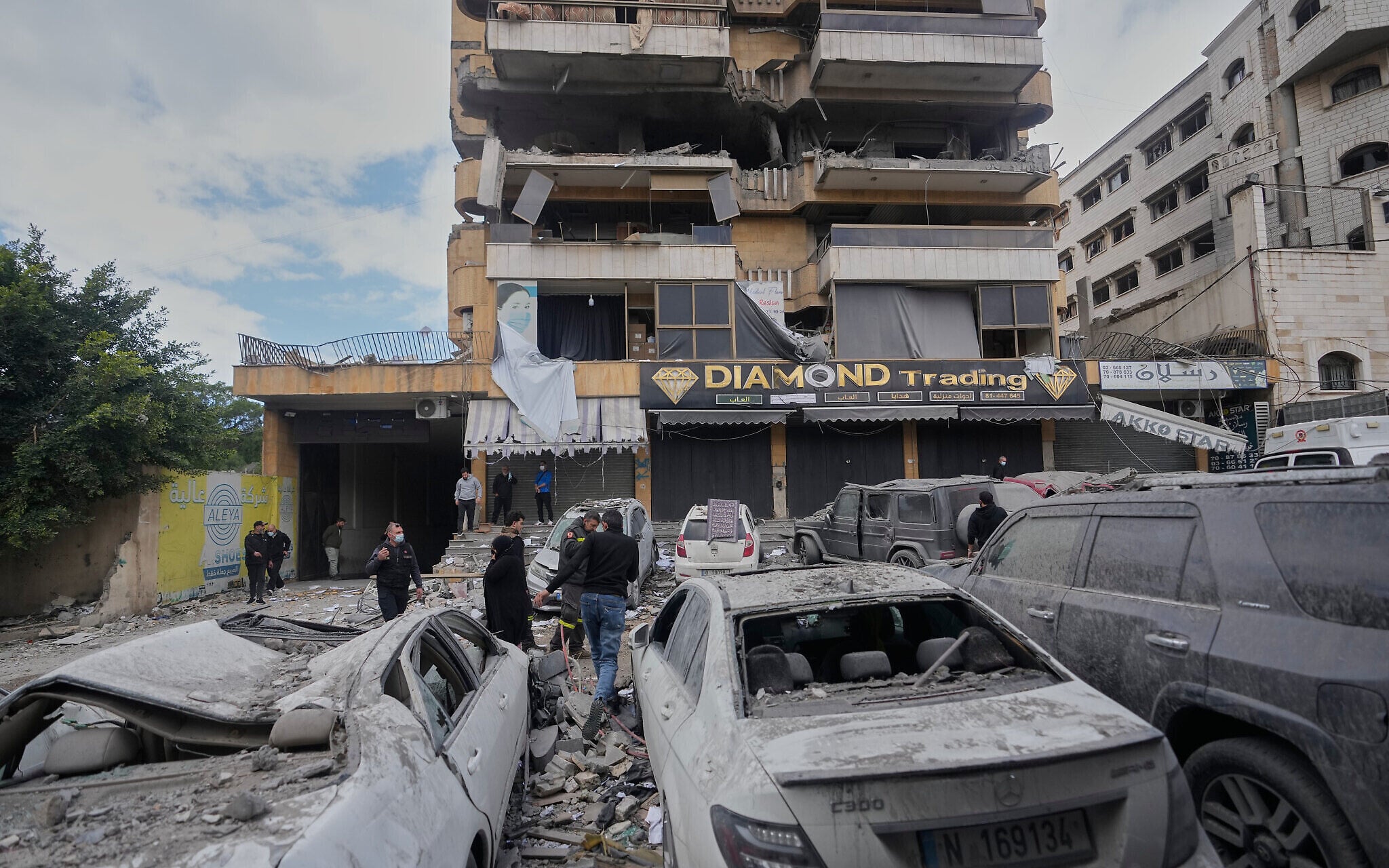
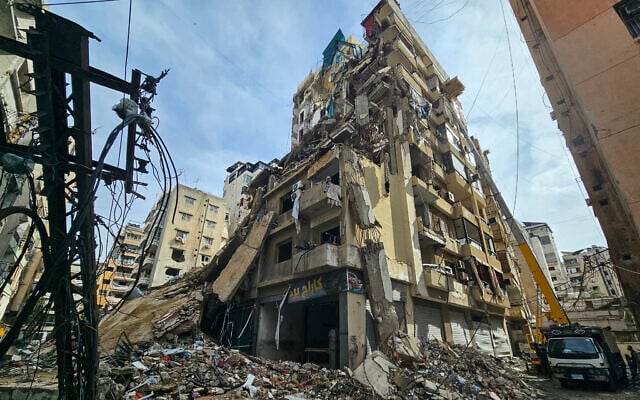
Separately, top Hezbollah commanders responsible for coordinating between the Lebanese terror group and Palestinian terror organizations were killed in an Israeli strike in Beirut on Monday, the IDF said.
The military said the strike in the Lebanese capital targeted and killed Hamza Ibrahim Rakhin, the deputy commander of Hezbollah’s Unit 1800, along with the unit’s chief of operations and another operative.
“Unit 1800 is the unit responsible for coordination between the Hezbollah terror organization and Palestinian terror organizations in Lebanon, Gaza, Syria, and Judea and Samaria (the West Bank),” the IDF said in a statement.
The military said that as part of his role, the deputy chief of Unit 1800 oversaw the deployment of Palestinian terror operatives in southern Lebanon to confront Israeli troops.
In other strikes in Beirut on Monday, the IDF said, it bombed Hezbollah headquarters and command centers.
The IDF has said that it has killed some 800 Hezbollah operatives, including hundreds of members of the terror group’s elite Radwan Force, since hostilities in Lebanon escalated amid the war with Iran.
More than 2,000 Hezbollah targets in Lebanon have also been struck, including hundreds of command centers, weapon depots, and rocket and missile launchers, according to the IDF.
Katz, the defense minister, reiterated on Tuesday that the IDF plans to establish a new security zone in southern Lebanon and said that “all homes in Lebanese villages near the border will be destroyed — in accordance with the Rafah and Beit Hanoun model in Gaza,” in order “to remove, once and for all, the threats near the border.”
“At the conclusion of the operation, the IDF will establish a security zone inside Lebanon… and will maintain security control over the entire area up to the Litani River,” he said following a situation assessment with senior military officials.
The buffer zone would be controlled with surveillance and firepower, as well as ground troops in areas deemed strategically necessary, the military had said.
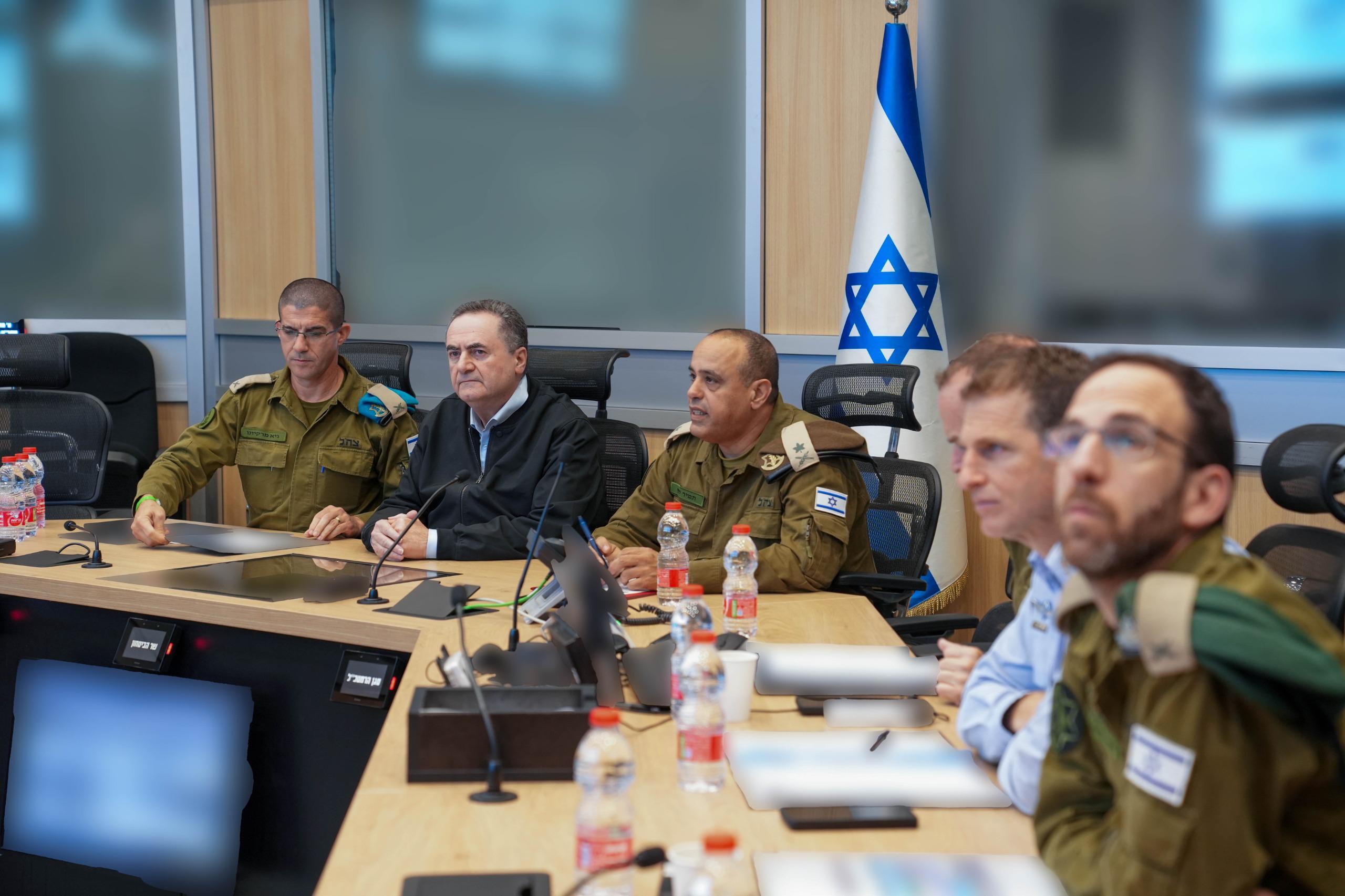
Katz stated that Israel will bar the return of “more than 600,000 residents of southern Lebanon” to areas south of the Litani River “until the safety and security of northern Israeli residents is ensured.”
He added that “we are determined to separate Lebanon from the Iranian arena – to pull out the snake’s teeth and strip Hezbollah of its ability to threaten,” adding that Israel will seek to “change the situation in Lebanon” through an ongoing IDF security presence.
Katz previously said he had instructed the IDF to raze all buildings in the so-called “first line” of Lebanese villages close to the Israeli border.
Meanwhile, Hezbollah continued to fire rockets at Israel.
On Tuesday, a 56-year-old construction worker was moderately wounded by a rocket strike in the border community of Avivim after sirens sounded in the community, medics said.
Magen David Adom said the man was hit by shrapnel and was taken to a hospital.
In an evening barrage on Monday, Hezbollah fired five rockets from Lebanon at the Krayot suburbs of Haifa. According to the IDF, four rockets were intercepted while the fifth was allowed to hit an open area “according to protocol.”
An earlier rocket that triggered sirens in Haifa and nearby towns was also intercepted.
No injuries were reported.
Hezbollah has been firing hundreds of rockets per day, according to the IDF. The vast majority of the daily rocket fire has been directed at Israeli forces operating in southern Lebanon, with only a few dozen projectiles crossing the border into Israel.
The IDF believes Hezbollah still possesses thousands of short-range rockets, along with hundreds of longer-range projectiles. The IDF has said that Hezbollah is launching most of its attacks from deep within southern Lebanon, and not from close to the border.
Hezbollah broke the November 2024 ceasefire and began firing into Israel in early March after Israel and the US attacked its patron Iran.





The Times of Israel Community.