

From a riven Israel in 1996 to a divided US today, every legitimate vote counts
Only a full, definitive result — however narrow its margin, however frustratingly long it might take to finalize — can allow a leader to credibly govern a country

 Add ToI as a Preferred Source on Google
David Horovitz is the founding editor of The Times of Israel. He is the author of "Still Life with Bombers" (2004) and "A Little Too Close to God" (2000), and co-author of "Shalom Friend: The Life and Legacy of Yitzhak Rabin" (1996). He previously edited The Jerusalem Post (2004-2011) and The Jerusalem Report (1998-2004).
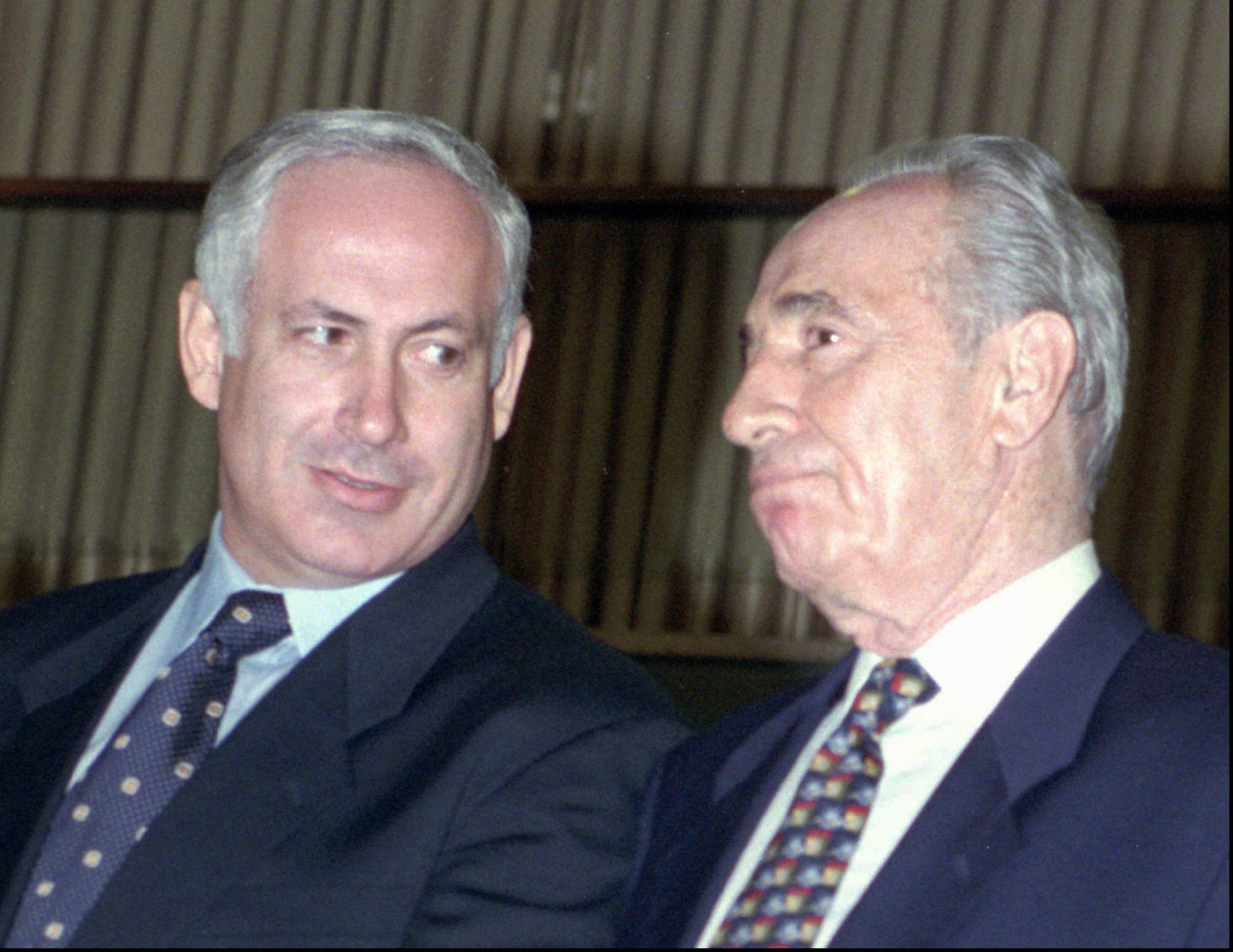
In May 1996, six months after Yitzhak Rabin was assassinated, Israel went to the polls to elect his successor.
Shimon Peres, the Rabin ally-turned-rival who had taken over as prime minister in the wake of the killing, went to bed on the night of May 29 believing, on the strength of TV exit polls, that he had defeated his challenger, Likud leader Benjamin Netanyahu.
He woke up the next morning to discover that the exit polls were wrong, and Netanyahu had defeated him by the extraordinarily narrow margin of 29,457 votes — less than 1% of the total number of votes cast. (That was the first of three elections in which Israel, in a since-scrapped electoral reform, chose its prime minister on one ballot and its Knesset members on another.) It was Netanyahu who went on to form a majority coalition, which governed Israel for the next three years.
Less than two years ago, in the first of what would prove to be three rapid-fire elections, Benny Gantz went so far as to deliver a victory speech on the basis of a single TV exit poll that predicted that his Blue and White party would muster enough Knesset seats to oust Netanyahu. The poll was wrong. Likud and Blue and White tied at 35 seats each. Neither could form a government. New elections were called and Netanyahu remained prime minister.
Israel was acutely divided in the wake of the November 4, 1995, Rabin assassination — horrified that one of its own citizens, a Jewish extremist, had taken the life of its prime minister. The country was also bloodied and shaken by a horrifying surge in Palestinian terrorism, which had seen four suicide bombings in 10 days in the run-up to the 1996 vote. As those three close-fought elections last year and this year underline, Israel remains profoundly divided, with Netanyahu a sharply polarizing figure — a skilled and experienced statesman, a leader who has striven to minimize Israeli military casualties, a masterful orator, and a serial batterer of Israeli law enforcement institutions as he battles corruption charges against him.

Throughout its closely contested elections in recent decades, however, Israel and its various leadership rivals have broadly respected the electoral process. They’ve jumped the gun on occasion; Naftali Bennett briefly sought a recount last year when his party missed out on Knesset seats; Netanyahu has sometimes questioned both the voting process and even the legitimacy of the vote in the Arab sector. But neither he nor his rivals have challenged the fundamental legitimacy of the national vote or claimed their rivals were fraudulently intervening in the process.
High-stakes political defeat is always galling; Israel’s various unsuccessful leaders, however grudgingly, and often after protracted failed efforts to somehow muster coalition majorities, have always accepted it. After being on the very brink of defeat more than once, Netanyahu remains in power in Israel right now not because he was able to, or sought to, skew, manipulate or halt the vote count, but because he outmaneuvered his rivals in building a majority coalition once the final count was in.
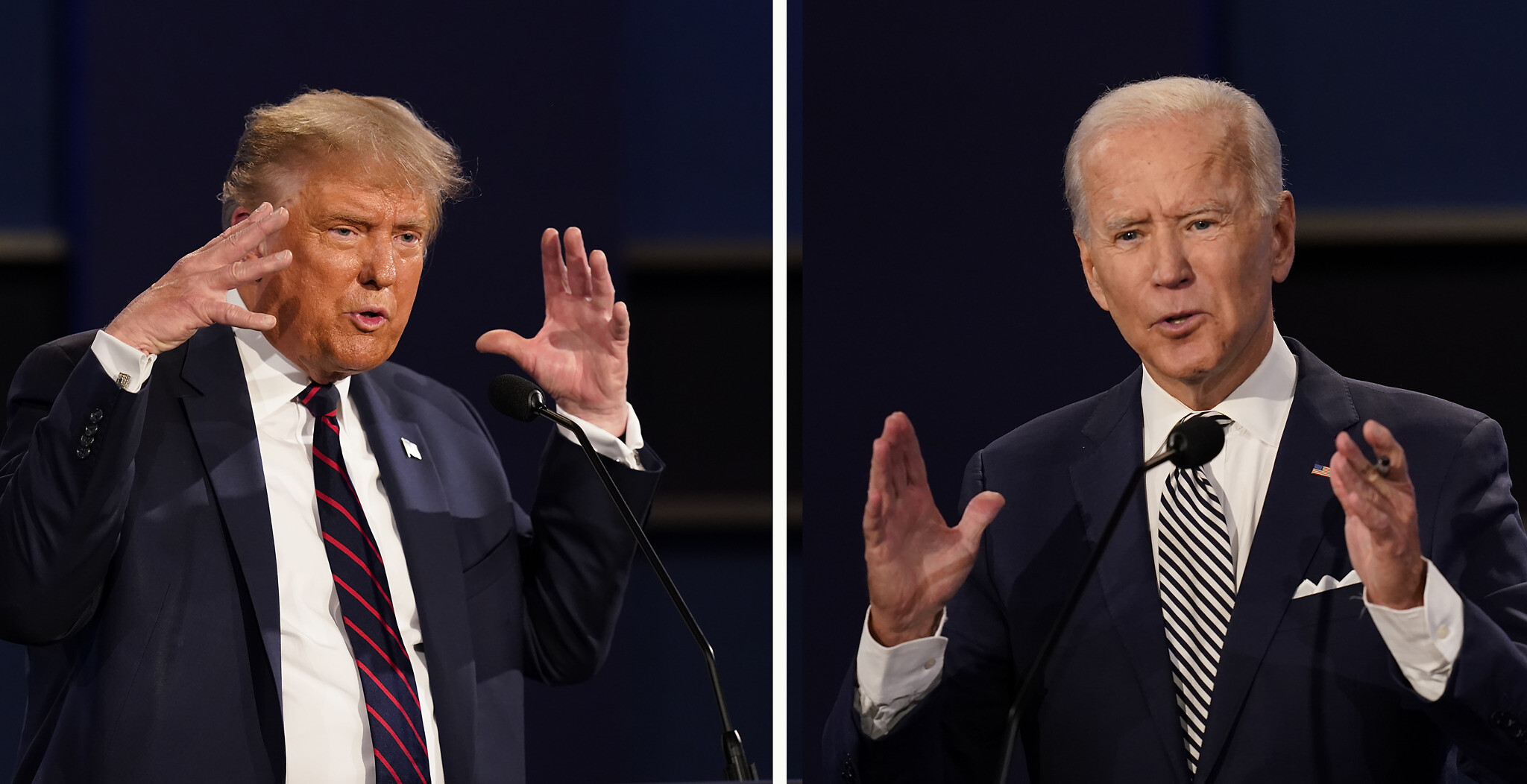
I’m noting all this here, obviously, because, as I write, President Donald Trump has claimed victory in the US elections, alleged fraud without evidence, and threatened to go to court to try to stop the vote count, even though both he and his challenger Joe Biden have potential paths to victory, with many votes still being tallied and battleground states still in play.
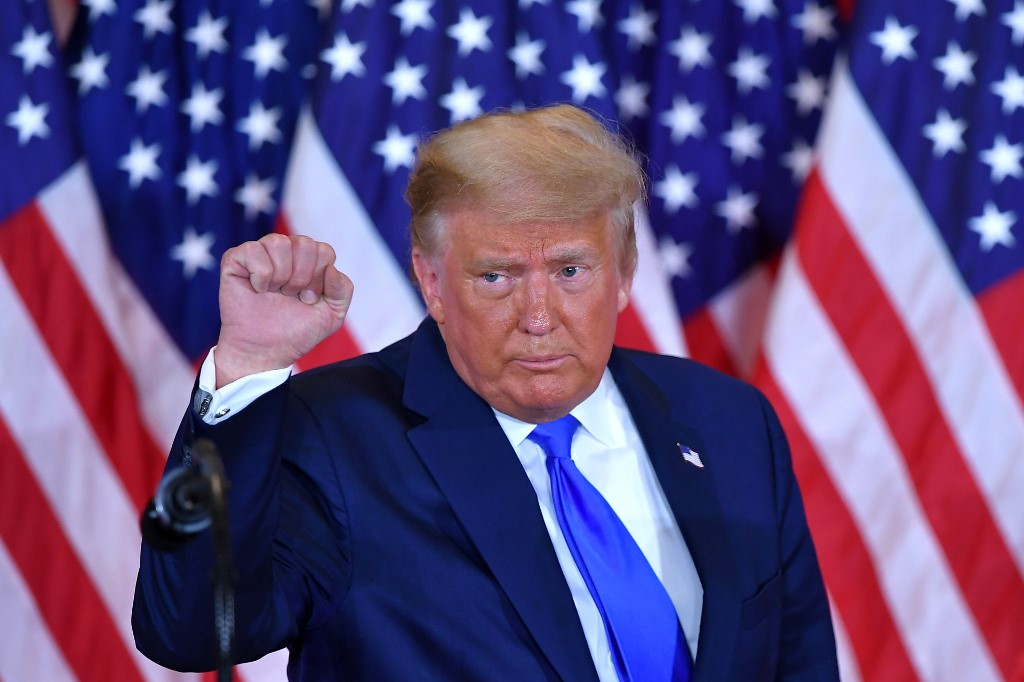
Four years after he first dramatically outperformed the surveys, and despite the travails of COVID-19, Trump may indeed emerge victorious. And so might Biden. But what ought to be needless to say is that all legitimate votes must count in determining the election’s outcome. That is simply fundamental to the democratic process, and fundamental to the electorate’s acceptance of that process.
Like Israel on so many of our election days, America is profoundly divided — so divided that with the overwhelming majority of votes already counted, the result of the election is still not clear enough to call. But only a full, definitive result, however narrow its margin, however frustratingly long it might take, can enable the president to credibly lead the country.
The American and Israeli electoral processes are not identical, but the democratic principles at their root are the same. Our deepest divides and disagreements are uniquely our own, but for both our countries, our broader national interests require that we surmount them.
A gutsy little democracy in a region of autocracy and tyranny, Israel looks to the United States as its core ally, and as our superpower democratic inspiration. We overcame a political assassination and a subsequent election in which the victor emerged on the strength of just 29,457 votes. Let that be a little reciprocal inspiration.
—
** This Editor’s Note was sent out earlier Wednesday in ToI’s weekly update email to members of the Times of Israel Community. To receive these Editor’s Notes as they’re released, join the ToI Community here.










The Times of Israel Community.