

‘Greatest Name in Jewish Hotels’ captured in documentary film on British Jewry
With its class and kosher food, The Green Park was the seaside vacation destination for post-war England’s upwardly mobile religiously observant
 Add ToI as a Preferred Source on Google
Renee Ghert-Zand is the health reporter and a feature writer for The Times of Israel.
Almost everyone’s heard of the Borscht Belt and its famous hotels — Grossinger’s, Kutsher’s, and the Concord — where New York Jews vacationed and laughed to noted mid-20th century entertainers Milton Berle, Mel Brooks and Danny Kaye.
Less known is Bournemouth, a Borscht Belt of sorts for British Jews on the southern coast of England. Only two-hours from London, the fashionable beach town once boasted eight large kosher hotels and many smaller inns that attracted a steady stream of Jewish guests.
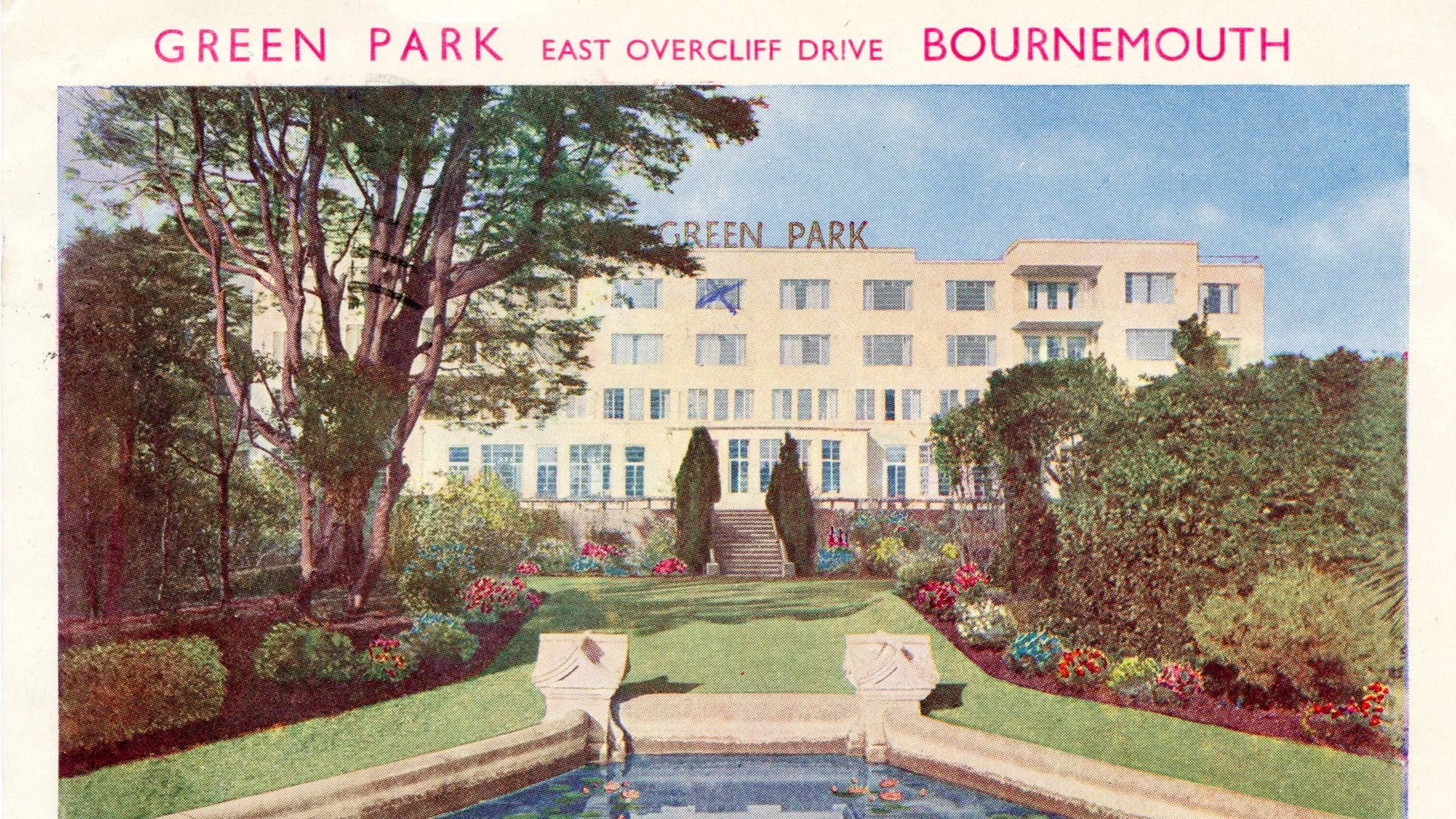
But there was one Bournemouth hotel that stood out among the rest: The Green Park. Established in 1943 and open for the next 43 years, it was undisputedly the poshest Jewish-owned, kosher hotel in the UK, if not all of Europe. Dubbing itself the “The Greatest Name in Jewish Hotels,” the Green Park was a nexus of exclusivity — and heimishness.
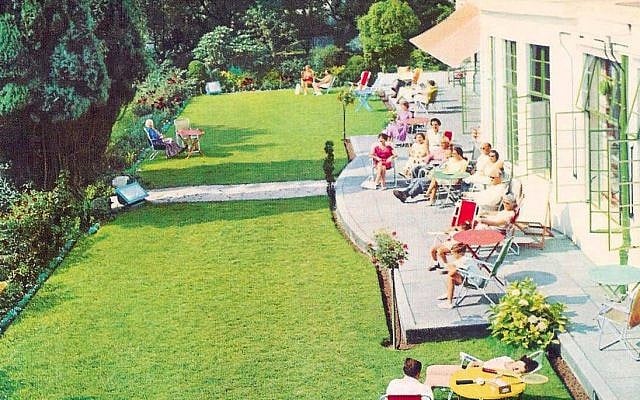
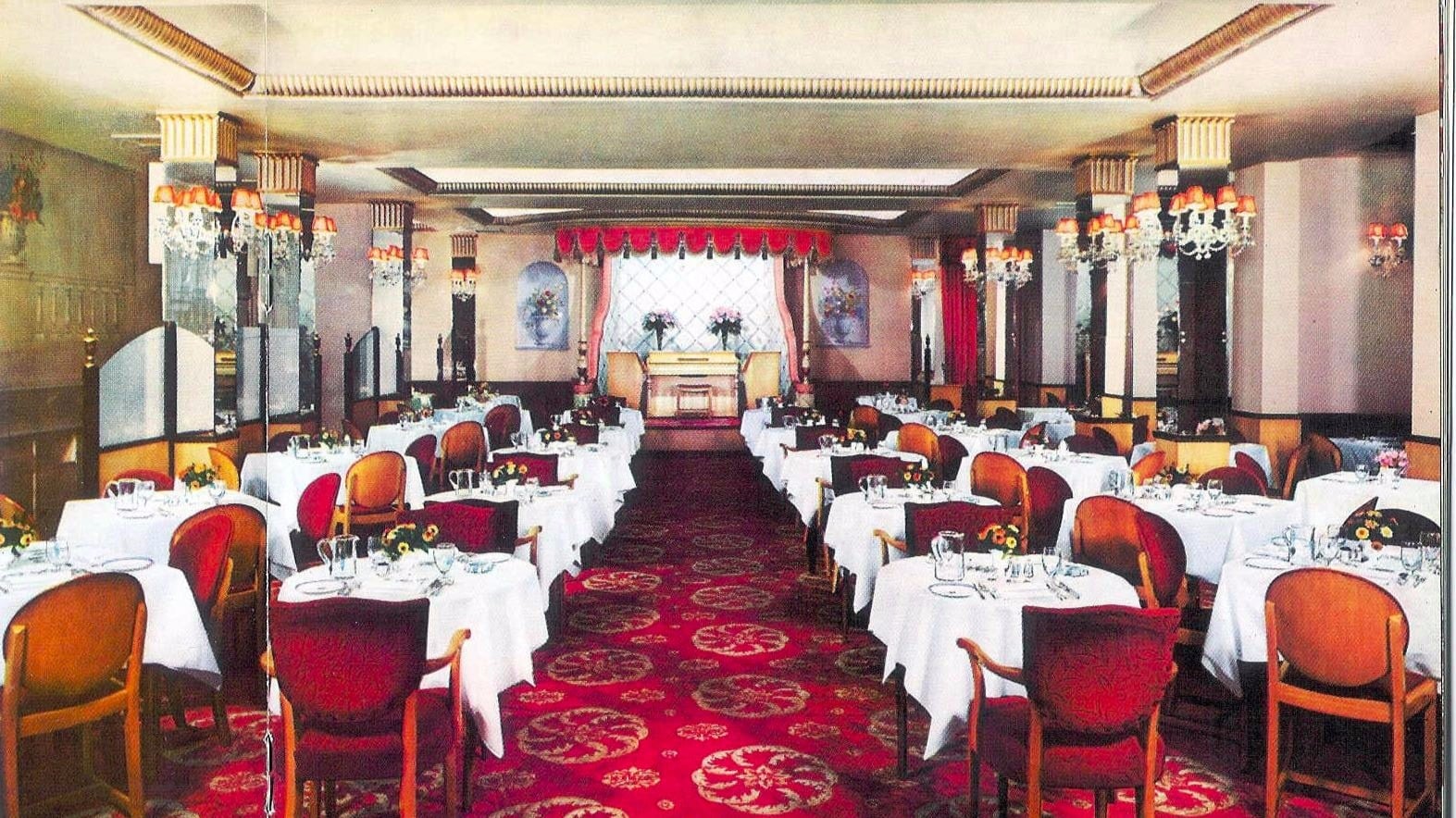
An ultimate beachside holiday destination offering elegant accommodations, delicious food, and top-notch entertainment, The Green Park attracted the crème de la crème of post-World War II Britain’s upwardly mobile Jews. It was the place to see and be seen, and more importantly to be welcomed and embraced by other Jews — especially the hotel’s hospitable owners, Ruben “Ruby” and Sarah Marriott and their family.
Documentary film “The Green Park,” screening September 17-20 as part of the UK Jewish Film Festival, tells the story of the hotel and the family who ran it. More broadly, the film uses the tale of this luxurious hotel as a springboard for examining key developments in British Jewish history in the post-war period.
The film’s premiere at the 2015 UK Jewish Film Festival marked the culmination of more than a decade of work and research by producer Marsha Nuriya Lee, a member of the family that owned The Green Park who wanted to capture its legacy before it was too late.
“I started work on this film 13 years ago because I knew the people who had been involved wouldn’t be around forever,” Lee told The Times of Israel. “There’s a danger with dealing with contemporary history. People don’t feel the urgency.”
Of the family members who took care of the day-to-day running of The Green Park, only Sarah Marriott’s sisters Hannah and Judy Richman are still alive today. Now elderly and living in an apartment building opposite the site where the hotel once stood, they recount on camera what life was like at The Green Park until 1986, when it was sold to developers who erected apartment buildings in its place.
Ruby and Sarah Marriott were the children of early 20th century Eastern European immigrants. They were running a boarding house in Torquay when the opportunity to purchase a newly built, 60-room (with ensuite bathrooms) Art Deco hotel in upscale Bournemouth arose in 1943.
Relying on financing from friends and family, Ruby took the risk and bought the establishment, bringing along not only his wife, but also his mother-in-law and four unmarried sisters-in-law to help run it. (One of the sisters — director Lee’s mother-in-law Helen — eventually married and moved to London, but the other three remained single and at the hotel.)
“It was an amazing piece of bravery on my father’s part to take on that responsibility during the war,” said son David Marriott in a phone interview with the Times of Israel from his home in Netanya, Israel.
With a military ban on the southern coast during the war, the only guests at the kosher hotel at first were Jewish Allied Forces soldiers. The film recounts how Jewish soldiers from the Commonwealth countries and the US joined British Jewish soldiers at the hotel for Passover seder.
They just always thought big and about making things the best
Once the war was over, the hotel’s clientele switched over to civilians, and The Green Park quickly developed a reputation for excellence.
According to Ruby and Sarah’s niece Frances Israel, who lives in Jerusalem, the Marriotts and Richmans had an instinctive feel for running a high-quality business.
“They just always thought big and about making things the best,” Israel said.
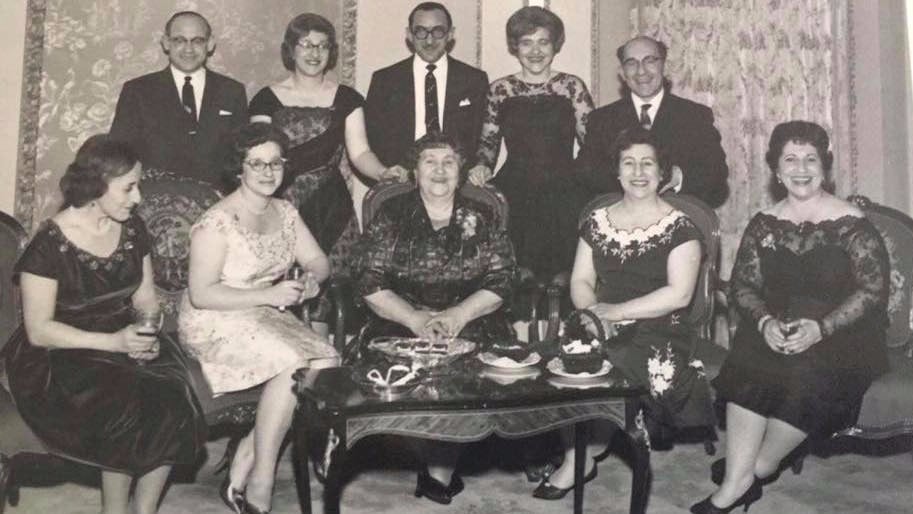
One could imagine an entire film based solely on amusing anecdotes from life at The Green Park. It’s main character would undoubtedly be Ruby Marriott’s mother-in-law — Bubbe Richman, as she was known to all. A large, wig-wearing woman, she was a commanding presence. With her Yiddish-inflected English, penchant for brandy and champagne, and handbag full of playing cards (she was reportedly a notorious cheat), Bubbe Richman didn’t concern herself with fancy British mannerisms.
Such a film would recount all the romances started at the hotel, and also include gossipy tidbits like the one shared by Betty Traves, the hotel’s spunky receptionist of 25 years, in an interview on an associated Green Park Memories website.
“Could I tell you about the lady who always went up to bed at night and asked for a pot of tea? She always wanted the youngest of the porters to take it up. And when he got up there, she used to have one breast hanging over the sheet. So, we called her ‘One-Tit Lil,'” Traves said.
However, this isn’t the the film Lee envisioned or ultimately made for a number of reasons. First, finding people with memories of the hotel willing to share them on camera posed challenges, as was locating original photos and Super 8 home movie camera footage shot on holiday decades ago and stashed away in attics.
Furthermore, the American-born Lee wasn’t interested in telling merely the story of her husband’s family’s hotel. She wanted to use The Green Park as a lens on British Jewish culture in the post-war period, a subject she believed had been underrepresented.
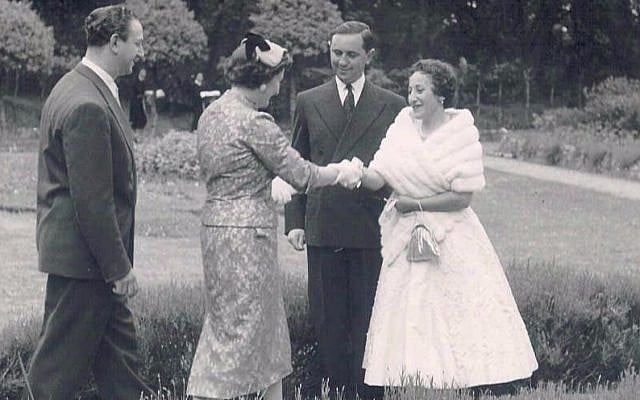
A leading UK historical filmmaker, Justin Hardy came on board as director, excited about learning about and presenting a slice of British life unfamiliar to him. He liked the idea of presenting The Green Park as a microcosm for what was going on in the larger Jewish community, both in the UK and globally.
“I had not made a film like this. It was a really fresh approach” Hardy said.
Using historical photos and footage, interviews and dramatized vignettes, “The Green Park” portrays the narrative of the hotel chronologically and thematically as it intersected with major historical events and cultural and socioeconomic trends.
The film deals with British Jews’ reckoning with the Holocaust as survivor guests arrived at the hotel with tattooed numbers on their arms, and with their grappling with dual loyalty issues when the Jewish underground bombs British Mandate headquarters at the King David Hotel in Jerusalem in 1946.
In later decades, the increased affluence of hotel guests — driving Jaguars and dressed in diamonds for dinner — reflected the increased acceptance and participation of Jews in the upper echelons of business and society. Loosening of social mores in the 1960s and 1970s, especially for young people on holiday at the seaside, gave rise to questions about inter-dating, assimilation and Jewish continuity.
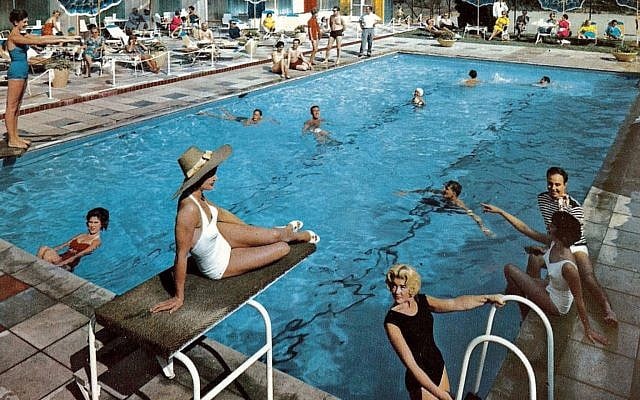
According to Hardy, many of the interviewees for the film were eager to speak about Israel and its importance. Israel’s victory in 1967’s Six Day War was a turning point for the British Jewish community’s sense of identity, but it also signaled the beginning of the end of The Green Park. With Jerusalem’s holy sites now accessible and international air travel more affordable, British Jews began visiting Israel instead of vacationing in Bournemouth. In its last years, The Green Park lost its lustre as younger people went abroad on packaged holidays and left it to their grandparents to play cards with the Marriotts and Richmans by the seaside.
Noticeably absent from the film, which was completed before recent upticks in racist incidents and the publication this month of the largest study of attitudes towards Jews and Israel ever conducted in Britain, is any significant addressing of anti-Semitism during the post-war decades.
I was as English as them and as Jewish as me
Lee and Hardy reported that interviewees did not speak about the subject, preferring to focus more on their integration into British society and pride in being both British and Jewish.
“Growing up in England as an Orthodox Jew in those years, I didn’t experience overt anti-Semitism. I was conscious of it existing, but it never showed itself in an ugly way, and it never affected the hotel,” said Israel.
David Marriott, who literally grew up at The Green Park and was one of only eight Jewish boys at the local public school in Bournemouth, agreed. Similarly, he never felt any hostility from fellow golfers as he rose through the ranks as a skilled competitive player.
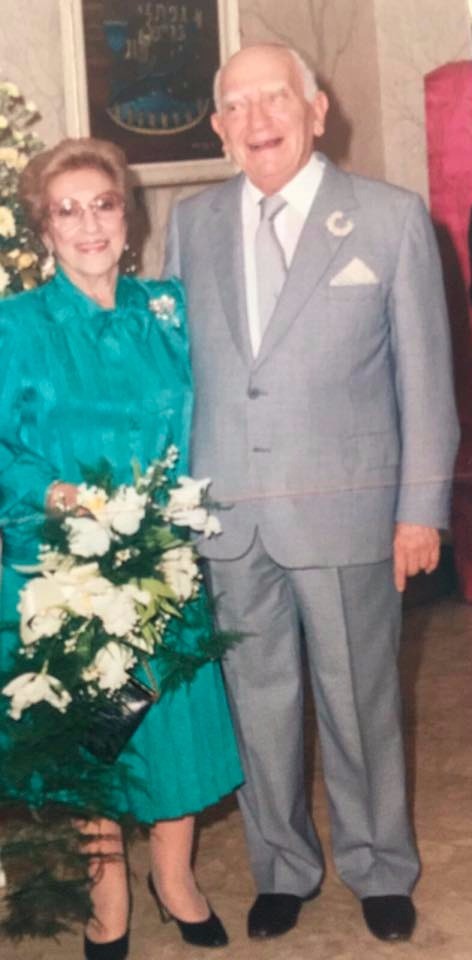
“I was as English as them and as Jewish as me, and they respected it,” he said.
Within the walls of The Green Park and on its surrounding grounds, Jewish tradition was respected and Jewish law observed. According to David Marriott, all the chief rabbis of Great Britain comfortably stayed at the hotel. At the same time, less observant Jews felt equally welcome.
“My father obviously wanted to run a top-level hotel, but the Yiddishkeit — kashrut, the davening — was the raison d’être of it all for him,” Marriott said.
Israel remembered her father helping to lead prayer services at the hotel’s synagogue on holidays, and that many young people were educated Jewishly during their regular, repeated stays at The Green Park.
“The hotel was run along Orthodox lines, but in a non-intrusive and non-judgemental way. Through the hotel and its warm atmosphere, people learned a great deal and came toward Judaism,” Israel said.
The Green Park has been gone for 31 years, but the community it created endures.
“Our guests and staff became our friends and family. I’m still regularly in touch with the guys I met when we were all youngsters at The Green Park,” said Marriott.






The Times of Israel Community.