

Haifa artworks can be seen on the way to work (or school)
Curators launch Videonale, the first video biennale focused on female art
 Add ToI as a Preferred Source on Google
Jessica Steinberg, The Times of Israel's culture and lifestyles editor, covers the Sabra scene from south to north and back to the center
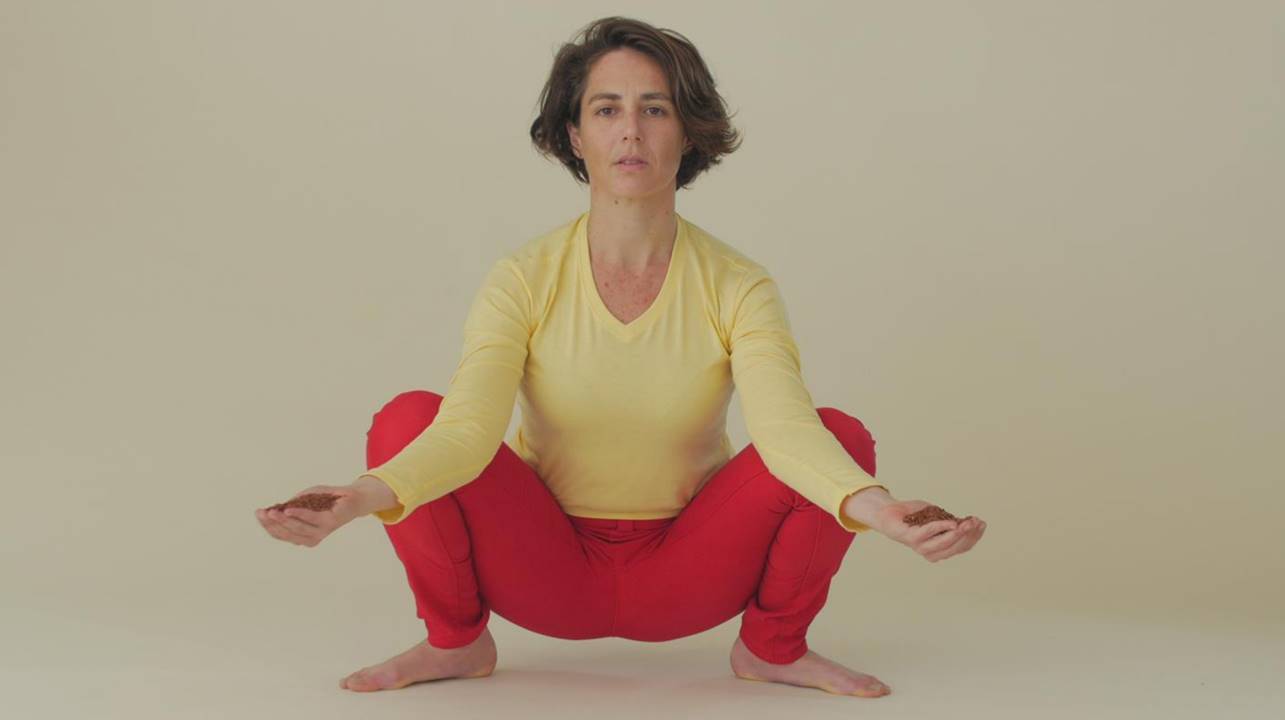
Take a stroll down Ben Gurion Boulevard in Haifa’s German Colony this spring and stop at one of the video screens placed outdoors.
There’s one at the City Center Mall and another at the Aroma Cafe; the Colony Hotel is hosting a screen as is the Templars Hotel, along with the Haifa Tourist Board and Wizo Academy of Design on a nearby side street.
They’re all part of Videonale #1: Image of Happiness, a new project by curators Belu-Simion Fainaru and Avital Bar-Shay, known for creating the Mediterranean Biennale.
This biennale features works by 20 female video artists from Israel and abroad.
“You don’t have to go to a museum to see this art,” said Bar-Shay. “It can be on the way to something else.”
This first Videonale, said Fainaru, came together against the backdrop of the ongoing protests against the judicial overhaul in Israel and women’s active participation in the protests.
“We always wanted to do one with just women,” said Bar-Shay. “Women and how they deal with their own questions, the rights of women, the complexity and criticism of women in society.”
With the focus on women, it made the most sense to center the public event around video art, which got its start in the late 1960s during the second wave of feminism and offered a place for women in the male-dominated art world, said Bar-Shay.
“Video was an area that wasn’t controlled by men, and women could have more expression,” she said. “Women could penetrate it and video performance became a maiden world in which they could express themselves.”
Video art and performance is an art method in which the medium is the body, and often the body of the artist, added Bar-Shay. In most of the Videonale works, it’s the artist herself who appears in the work, relating back to matters of sexuality and feminism.
“Some of them are hard to watch,” she said. “That’s the idea, that art is supposed to be critical and wake you up, making you ask questions. The goal is to awaken conversation, and there are viewers who are against it and other who identify with it.”
The Videonale, part of the Mediterranean Biennale group, opened April 20 and will close in June. A full map of all the video art locations is available at the Mediterranean Biennale website.








The Times of Israel Community.