

Israel’s army chief meets US defense officials in Washington amid Iran tensions
Military seeking to stay in loop on potential strike as US docks missile destroyer in Eilat; after EU slaps IRGC with ‘terror’ label, Iran declares European armies ‘terror groups’
 Add ToI as a Preferred Source on Google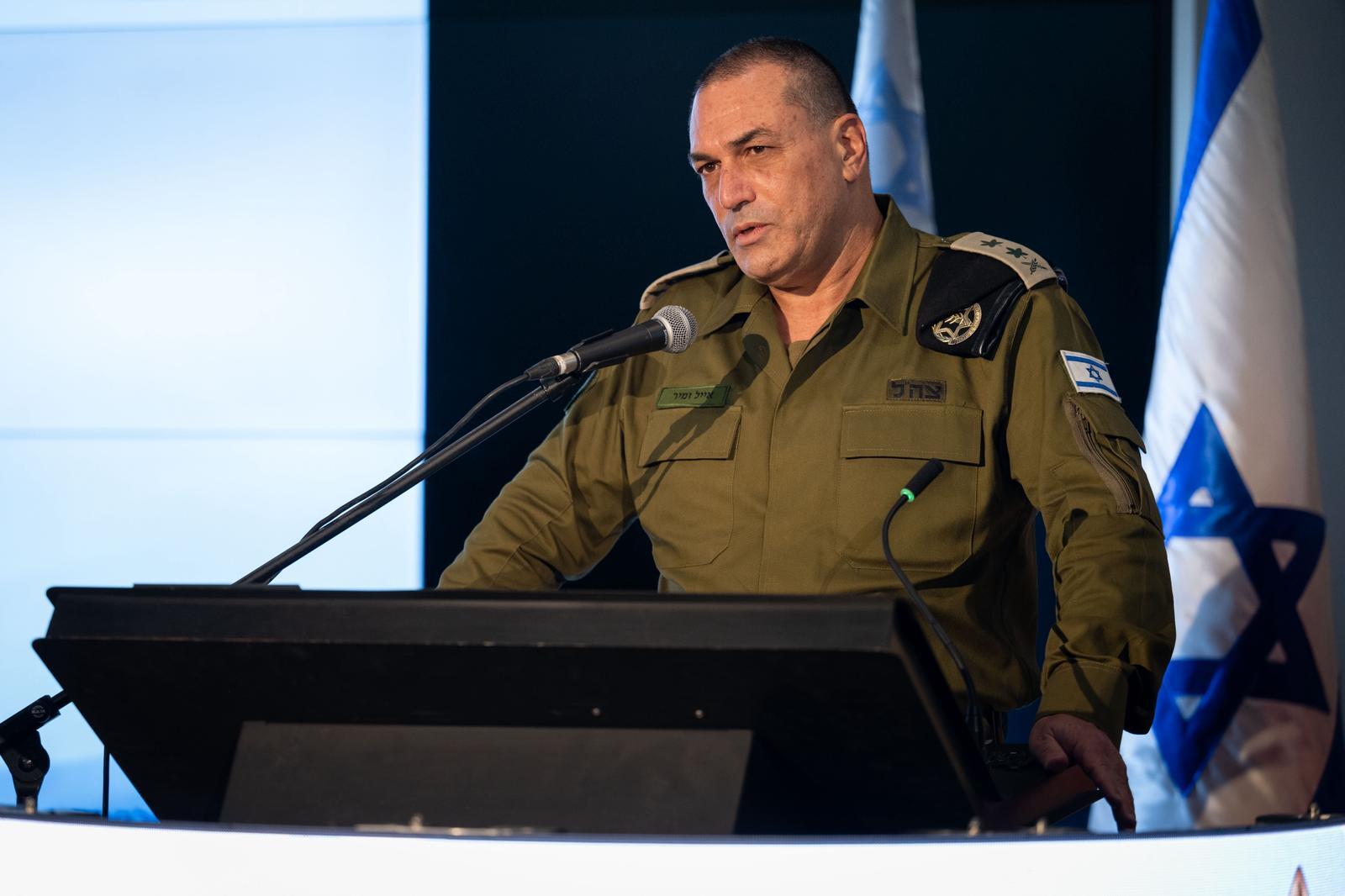
IDF Chief of Staff Lt. Gen. Eyal Zamir was in Washington, DC, over the weekend for a series of discussions with American defense officials regarding Iran, The Times of Israel has learned.
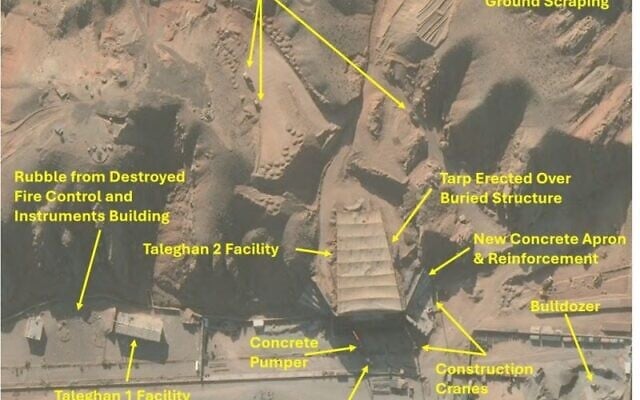
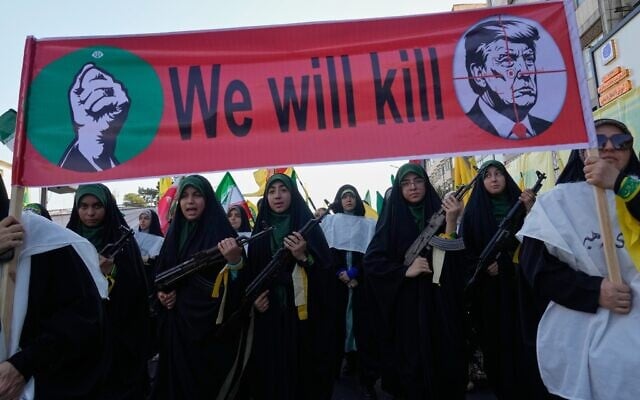
The meetings in the United States came as US President Donald Trump continued to threaten military action against Iran against the backdrop of the regime’s killing of protesters, and as Tehran makes efforts to rebuild its nuclear and missile programs following the June 2025 war with Israel.
News of the whirlwind visit was only permitted for publication on Sunday morning, as the Israel Defense Forces remained on high alert amid the high tensions with Iran.
A report by Army Radio on Sunday claimed that Zamir said in a recent security assessment that an American strike in Iran could take place within a period between “two weeks and two months.”
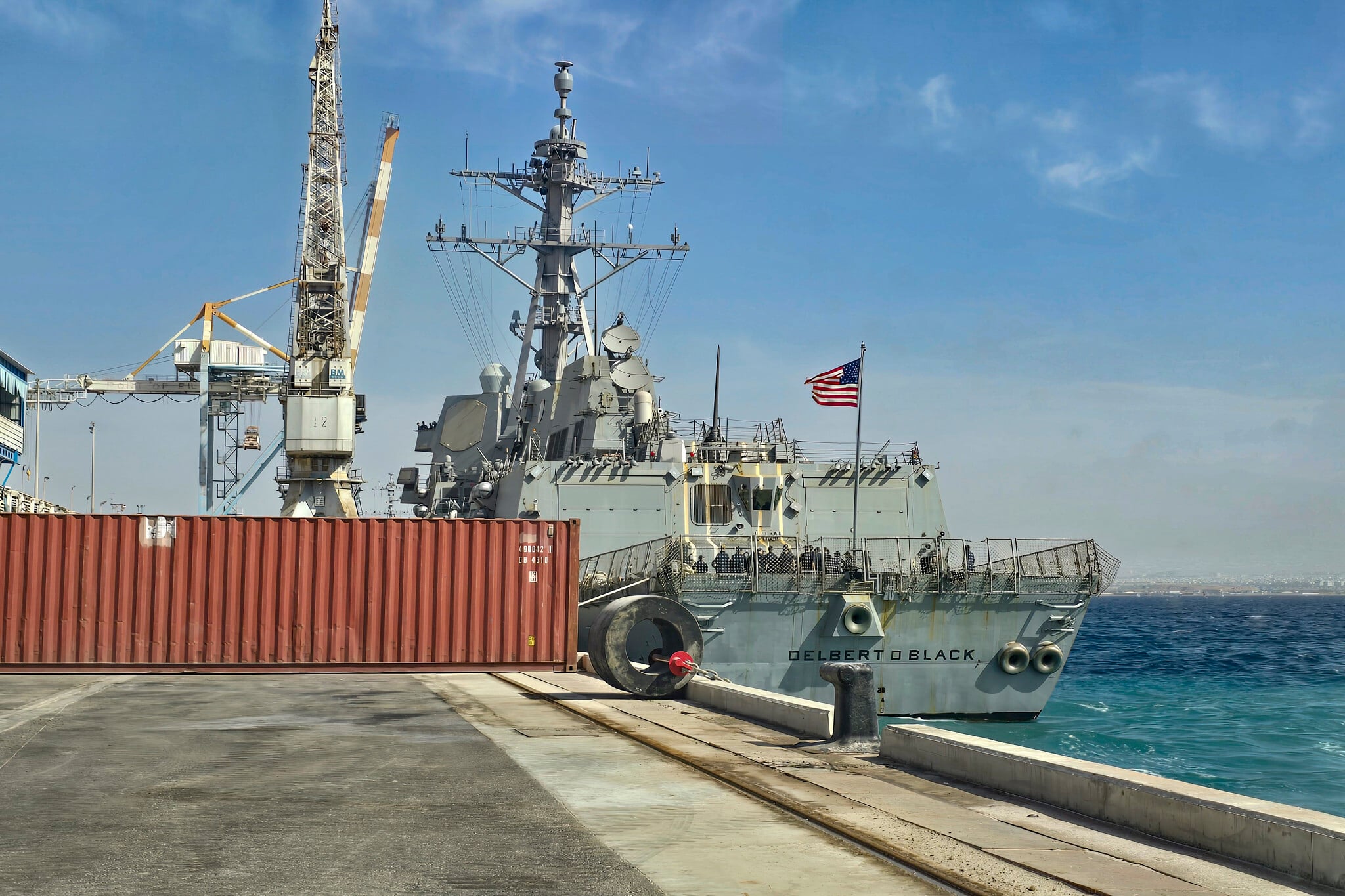
The US has been moving military assets to the Middle East, boosting available firepower and defensive capabilities in the region. On Friday, an American missile destroyer docked at Israel’s Red Sea port city of Eilat.
During the weekend visit, Zamir met with the US Chairman of the Joint Chiefs of Staff, Gen. Dan Caine, and other American officials at the Pentagon.
Joining Zamir in the US for the meetings were Maj. Gen. Hidai Zilberman, head of the IDF’s Planning Directorate and former defense attaché to the US; incoming Israeli Air Force chief Brig. Gen. Omer Tischler; Brig. Gen. Amit Adler, head of the IDF’s Tevel international cooperation unit; and Brig. Gen. Manny Liberty, head of the Military Intelligence Directorate’s Operational Division.
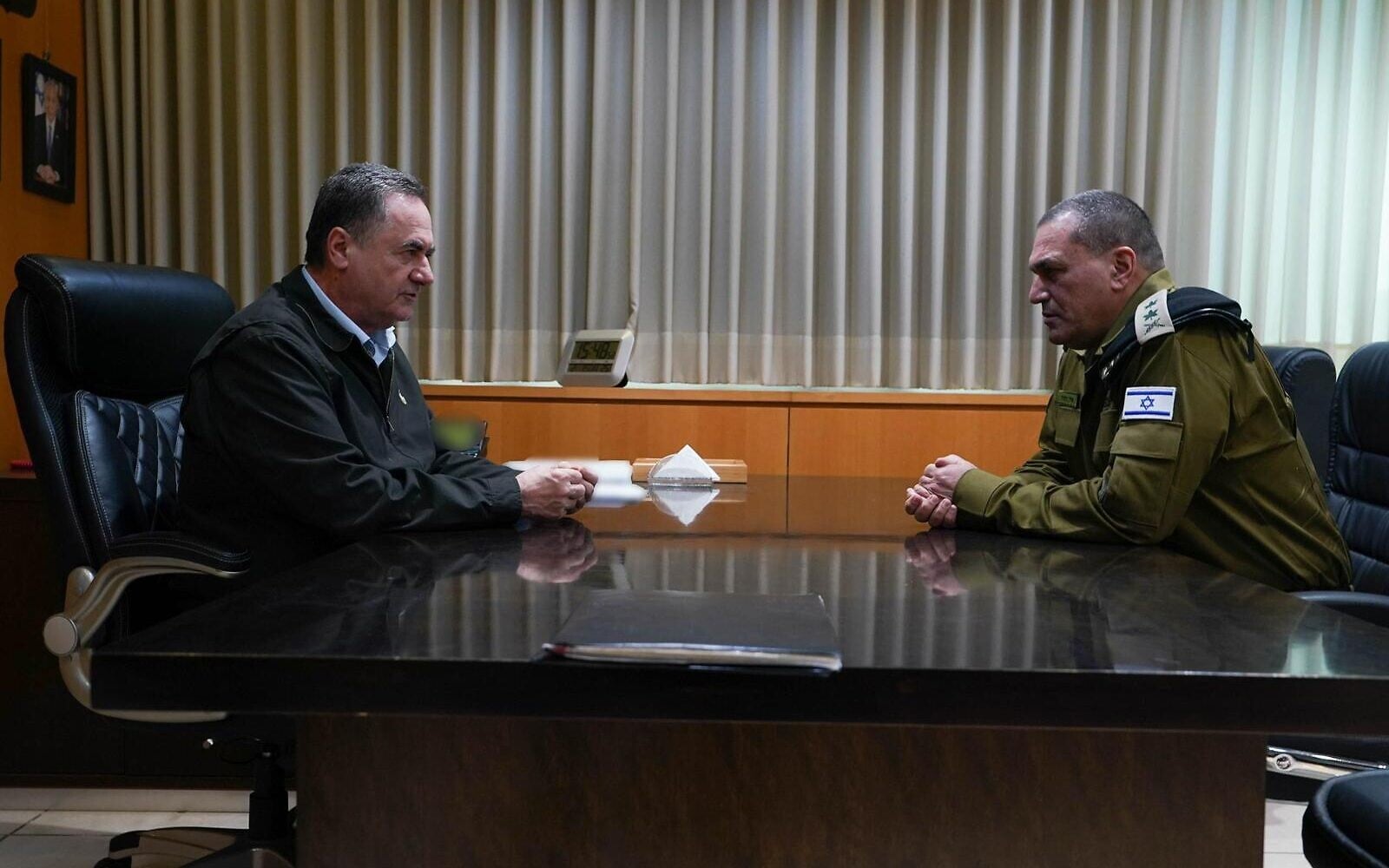
After returning to Israel, Zamir sat down with Defense Minister Israel Katz for a meeting.
“Following the series of meetings the IDF chief of staff recently held in the United States, the two are discussing, among other things, the regional situation assessment and the IDF’s operational readiness for any scenario,” Katz’s office said in a statement.
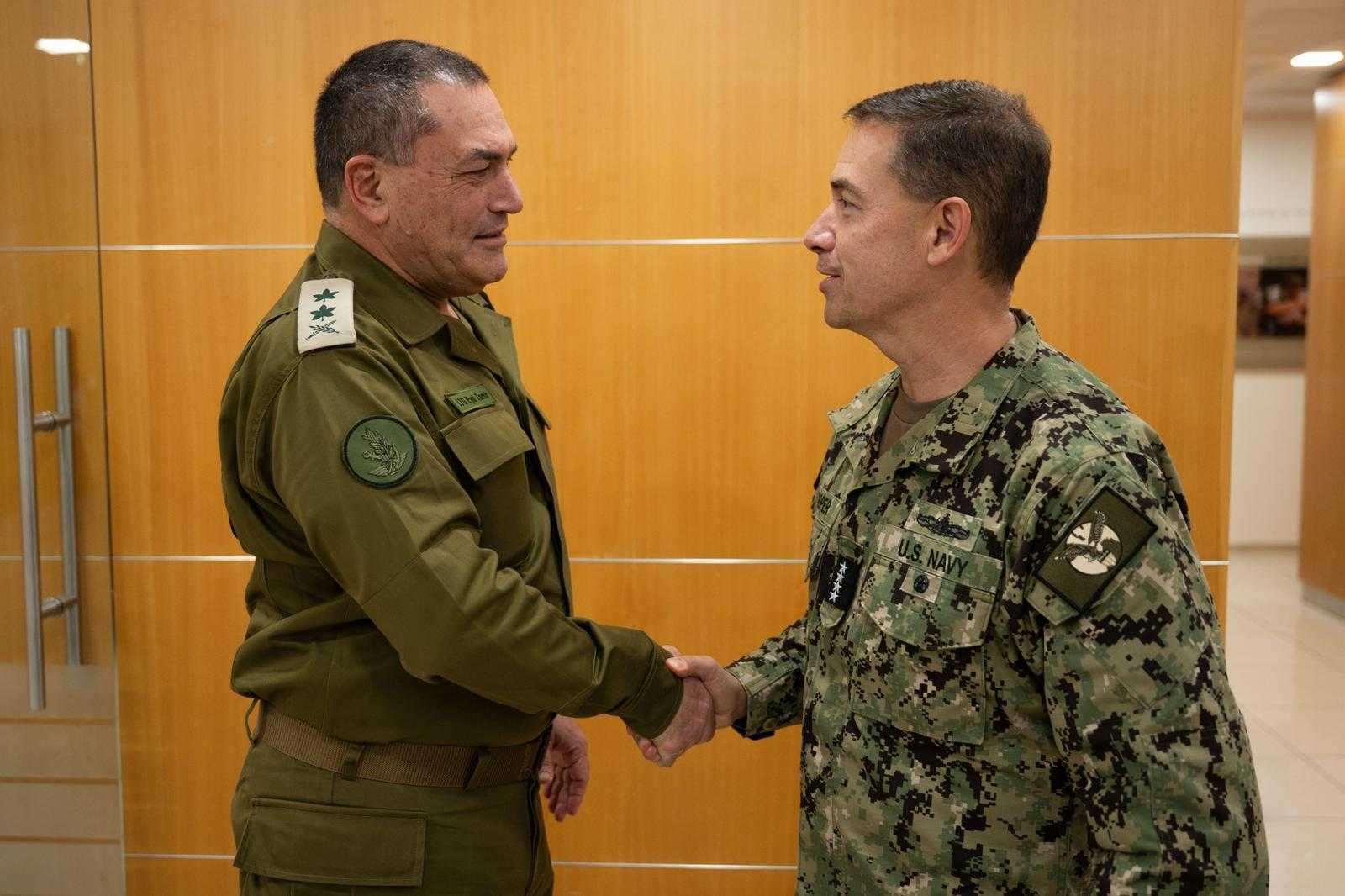
Last week, Zamir met with US Central Command chief Adm. Brad Cooper in Israel, as part of efforts between the militaries to coordinate ahead of a possible American strike in Iran.
The chief of the IDF’s Military Intelligence Directorate, Maj. Gen. Shlomi Binder, also visited Washington for talks with the US administration the same week.
The IDF has sought sufficient advance warning from the US before any potential strikes in Iran, to allow it to prepare defensively and to be ready to alert the public.
Meanwhile, the Wall Street Journal reported that American airstrikes on Iran are not imminent since the US military was still deploying additional air defense systems to the Middle East to bolster protection for Israel and its Arab allies.
According to the report, which cited US officials, the Pentagon was moving THAAD and Patriot air defenses to bases with US personnel across the Middle East.
US air defenses, in addition to those operated by Israel, were crucial to protecting the country during the 12-day war with Iran in 2025 and two previous missile and drone attacks launched by the Islamic Republic in 2024.
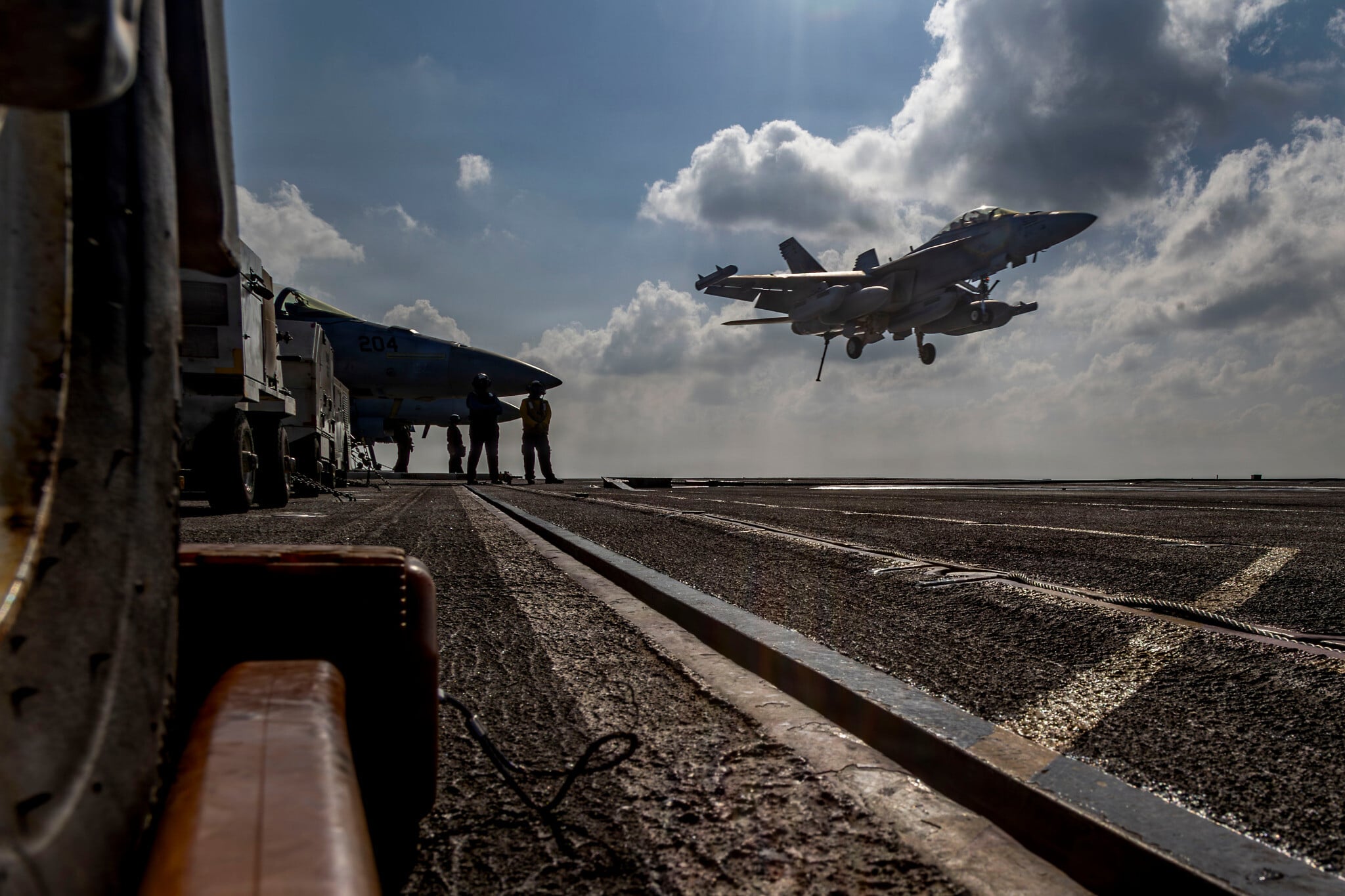
News of Zamir’s visit to Washington surfaced the same day Iran appeared to backtrack on plans to conduct a military exercise in the Strait of Hormuz, days after US Central Command warned against “unsafe and unprofessional behavior near American forces,” which it said “increases risks of collision, escalation, and destabilization.”
An Iranian official told Reuters Sunday that the Islamic Revolutionary Guard Corps’ naval forces had no plan to carry out live-fire exercises in the strait, a key transit hub for global energy supplies, contradicting US claims and media reports.
“There was no plan for the Guards to hold military exercises there, and there was no official announcement about it. Only media reports, which were wrong,” the official said.
Iran’s Foreign Minister Abbas Araghchi had criticized CENTCOM’s warning Friday. “The US military is now attempting to dictate how our Powerful Armed Forces should conduct target practice in their own turf,” he wrote on X.
The European Union followed the Trump administration’s example late last week in declaring the IRGC a terrorist organization. The US designated the IRGC a terrorist organization in 2019.
The EU’s decision sparked diplomatic retaliation from Iran, which on Sunday declared European countries’ armies to be “terrorist groups.”
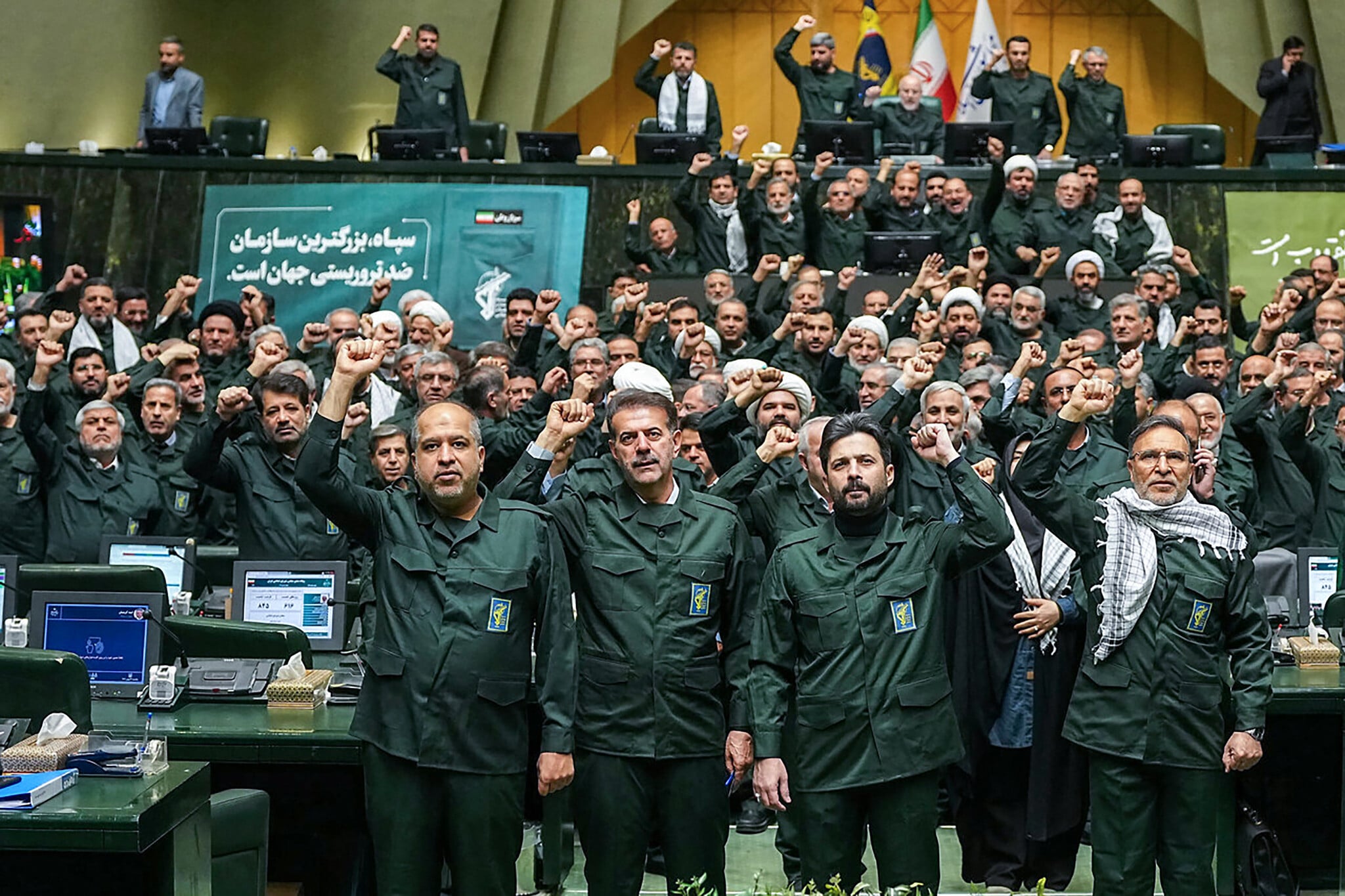
Dressed in a Guards uniform in a show of solidarity, Iran’s Speaker of Parliament Mohammad Bagher Ghalibaf said that under “Article 7 of the Law on Countermeasures Against the Declaration of the IRGC as a Terrorist Organization, the armies of European countries are considered terrorist groups.”
Amid reports of hiking tensions, Iran’s security official said Saturday that progress had been made toward negotiations with the US, even as the Islamic Republic’s army chief warned Washington against launching military strikes.
Trump confirmed the two sides were talking, while keeping the threat of an attack in the foreground.
“Contrary to the hype of the contrived media war, structural arrangements for negotiations are progressing,” said Ali Larijani, head of Iran’s Supreme National Security Council.
Larijani spoke a day after the Kremlin said he had held talks in Moscow with Russian President Vladimir Putin.
Iranian President Masoud Pezeshkian said Saturday that a broader conflict would hurt both Iran and the United States.






The Times of Israel Community.