

In Beit Hanoun for 5th time, officers say Hamas battalion to be destroyed ‘within a week’
ToI joins Givati Brigade in northeast Gazan town, where terror operatives have remained holed up for nearly 2 years; inside tunnel, troops kill Hamas company commander

 Add ToI as a Preferred Source on Google
Emanuel (Mannie) Fabian is The Times of Israel's military correspondent
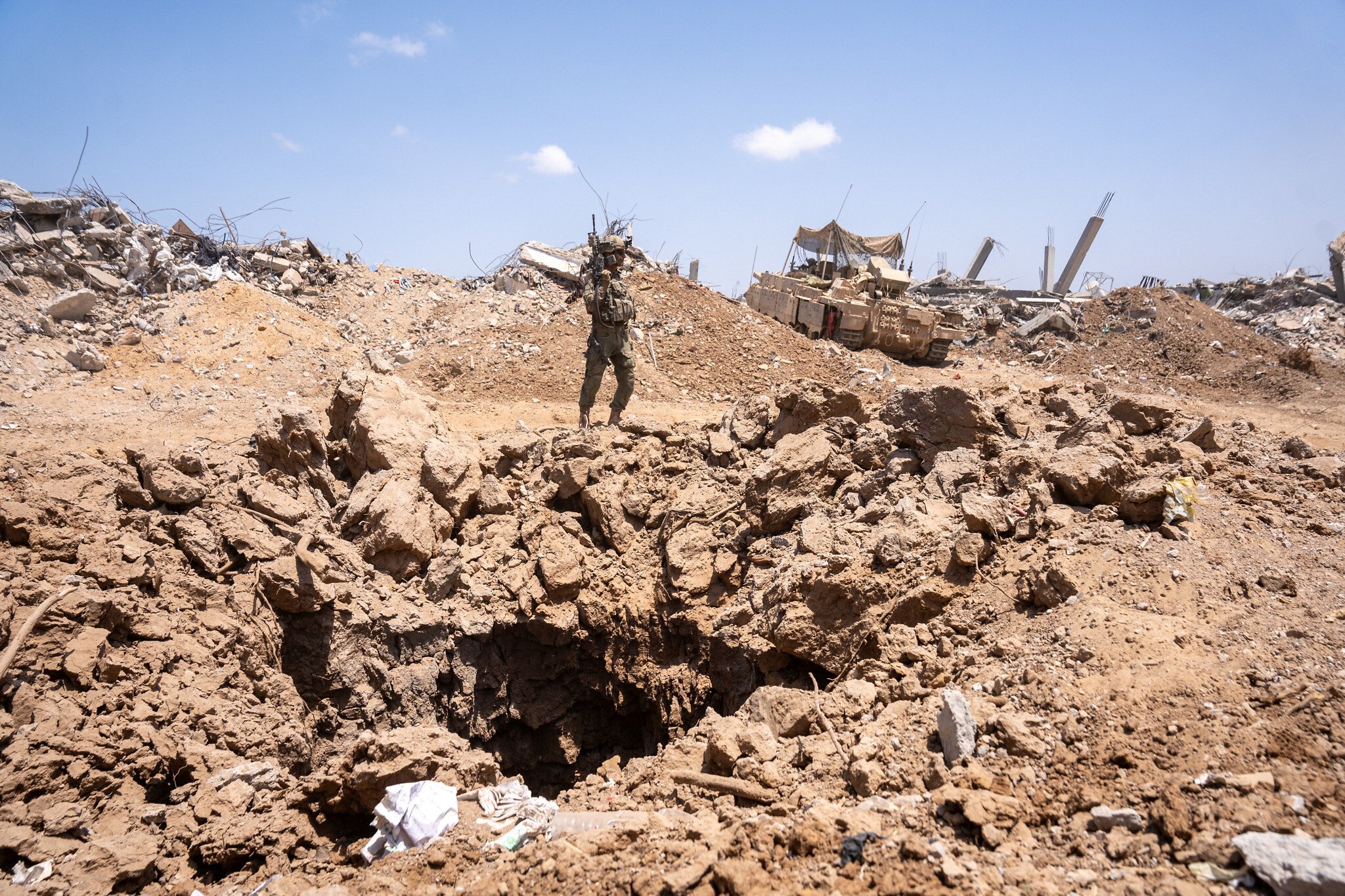
BEIT HANOUN, Gaza Strip — It is now the fifth time that the Israel Defense Forces is operating in the town of Beit Hanoun, located on the northeastern edge of the Gaza Strip, just across from Israel’s southern city of Sderot.
But this time — almost two years into the ground offensive — IDF commanders say their work to destroy Hamas’s crippled and surrounded “battalion” in Beit Hanoun is almost done.
The Hamas battalion in Beit Hanoun now only consists of a handful of operatives, and the vast majority of the terror group’s tunnels in the town have been demolished, according to officers.
“I believe that within a week we can finish, and what I mean by finish is that there are no more tunnels,” said Col. Netanel Shamaka, the commander of the Givati Infantry Brigade, to reporters during an escorted visit to Beit Hanoun on Wednesday.
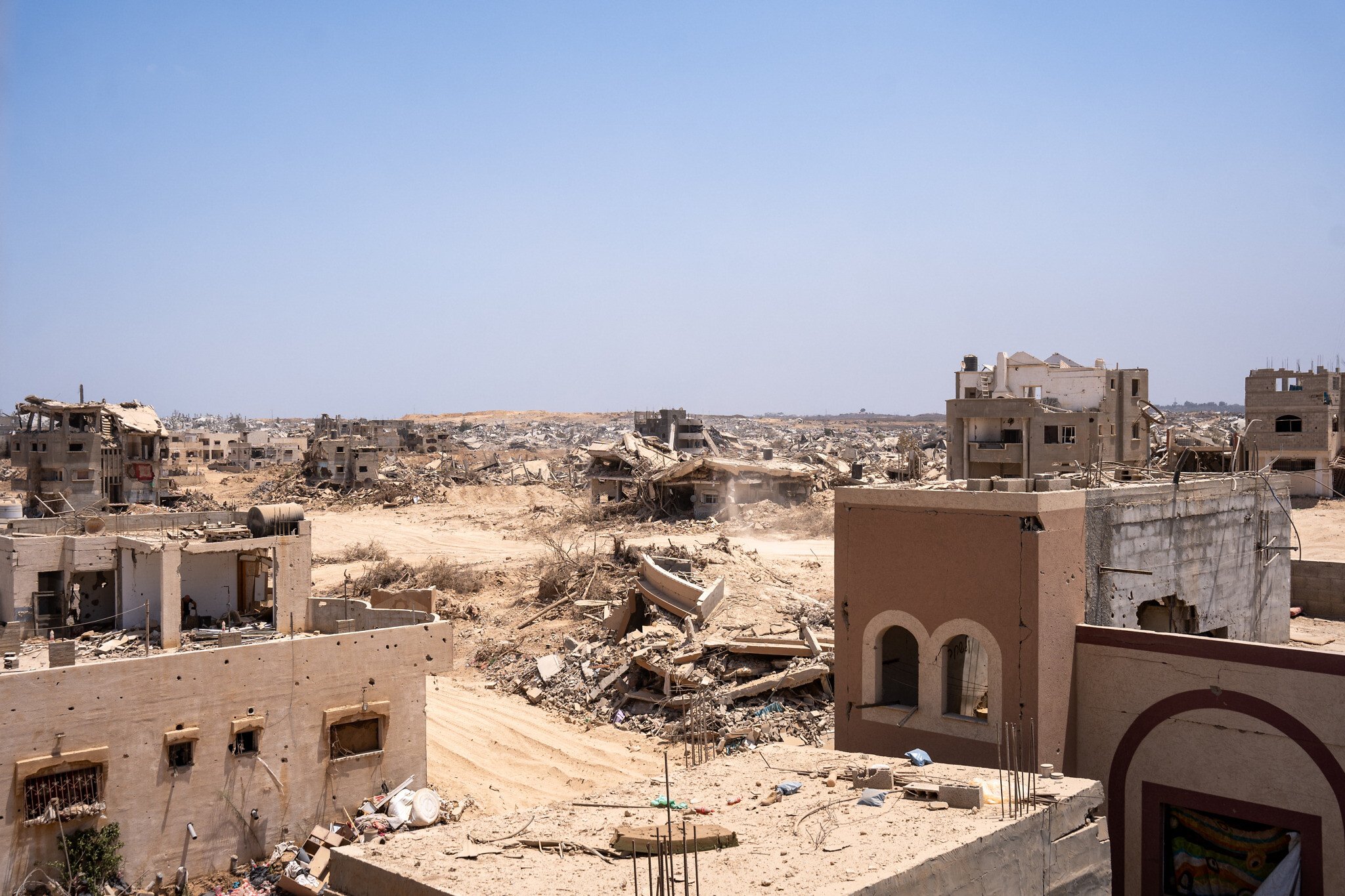
In the past two months, the military has razed nearly every single structure in Beit Hanoun, amid a hunt for Hamas’s tunnels and other infrastructure in the area.
No hostages are believed by the IDF to be held by Hamas here.
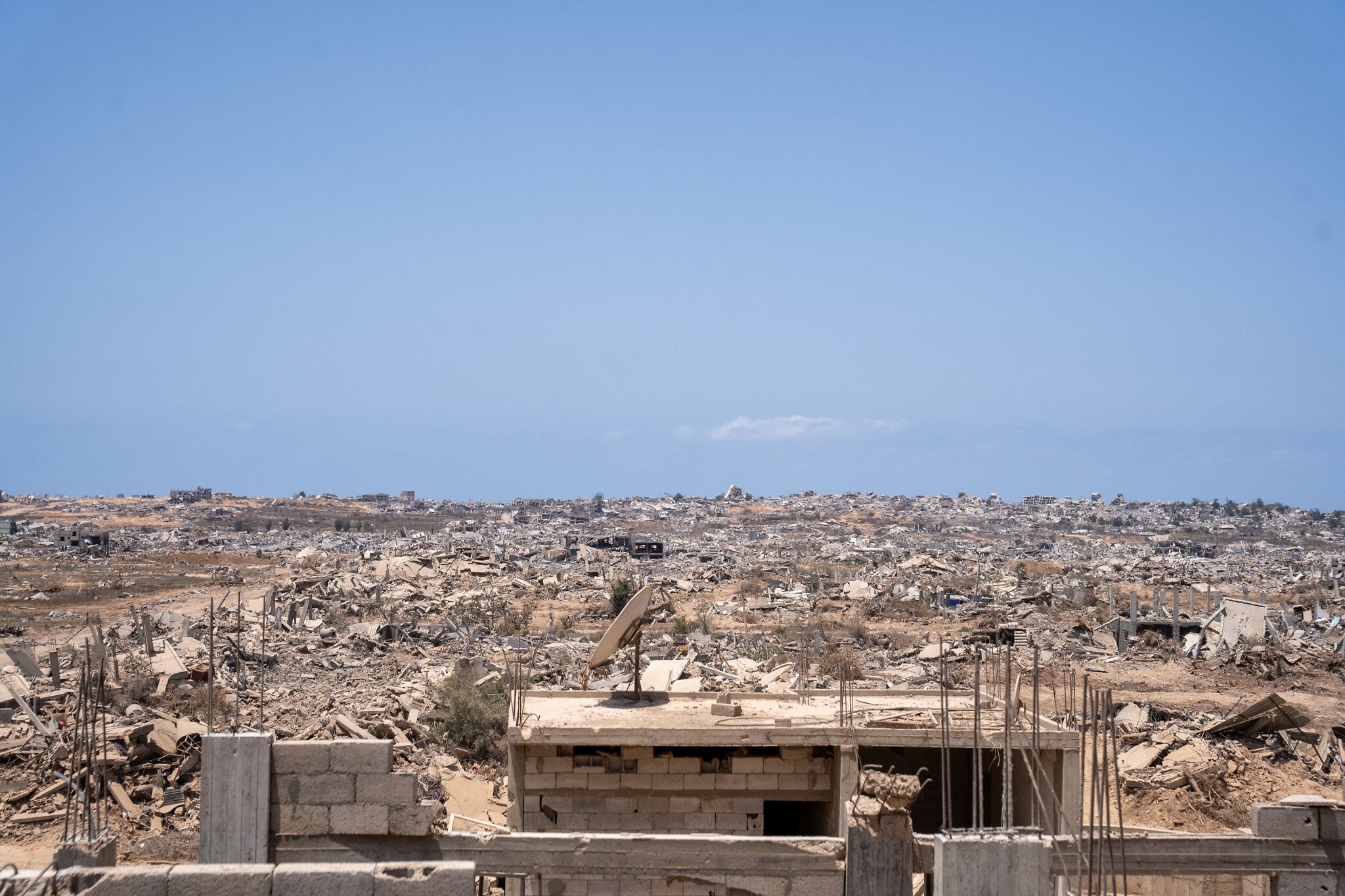
“The mission isn’t to destroy buildings for the sake of it; the mission is to destroy Hamas infrastructure,” Shamaka said.
“Maybe 10 buildings will remain standing [when we finish], which belong to civilians and there are no tunnel entrances in their homes,” he said.
The Givati commander said that in Beit Hanoun, “everywhere we dug we found tunnels.”
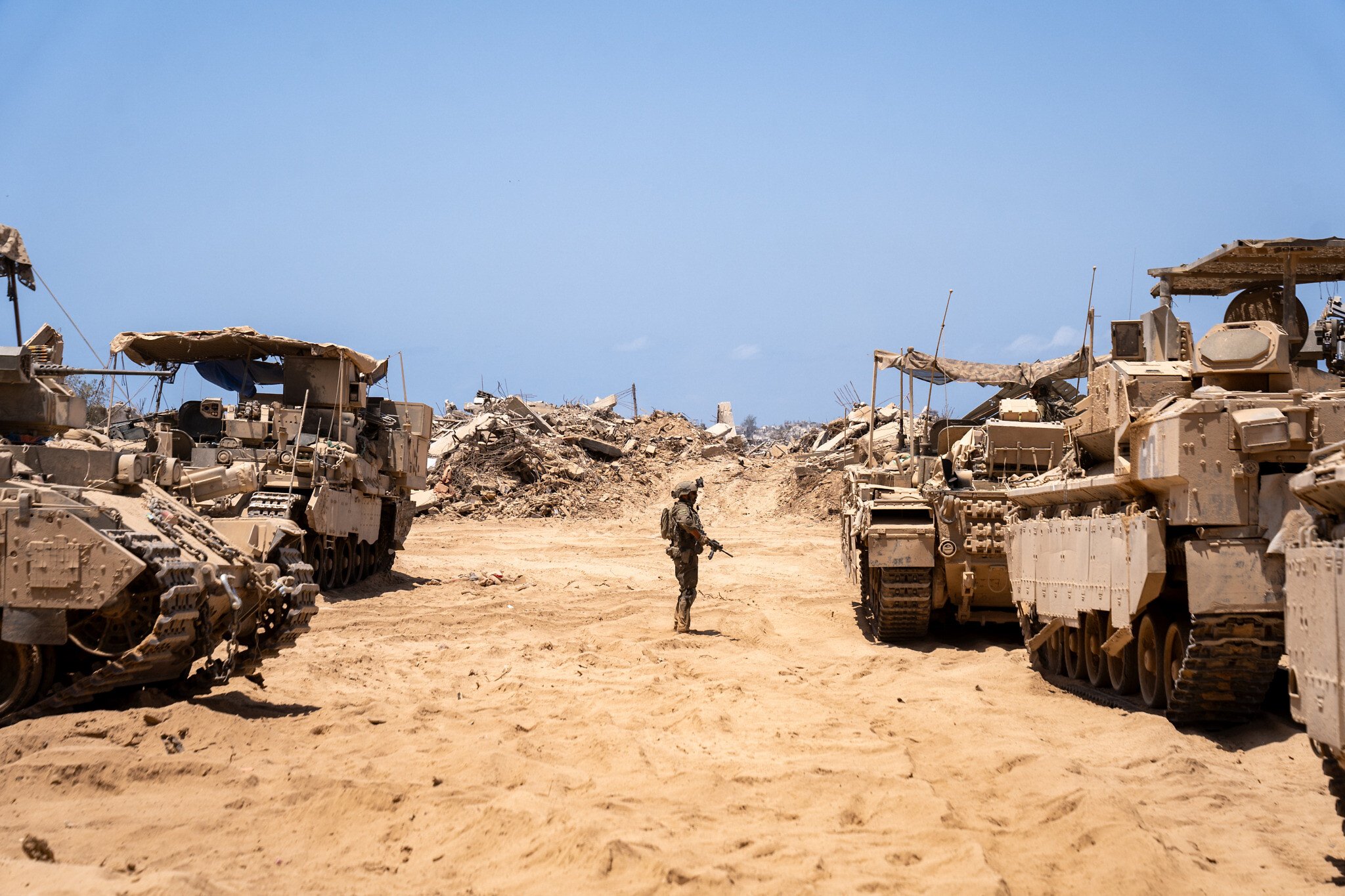
One main tunnel route ran across Beit Hanoun, underneath schools, medical clinics, homes and other civilian sites, with dozens of small underground routes branching off it, Shamaka said.
The main tunnel, which had entrances underneath the homes of all the Hamas commanders in the town, also connected Beit Hanoun with Beit Lahiya to the west and to Jabalia to the south, he said.
When the IDF launched the fresh offensive in Beit Hanoun, troops reached the tunnel’s junctions and cut off the routes leading outside the town, surrounding the few dozen Hamas operatives not only above ground, but also below it.
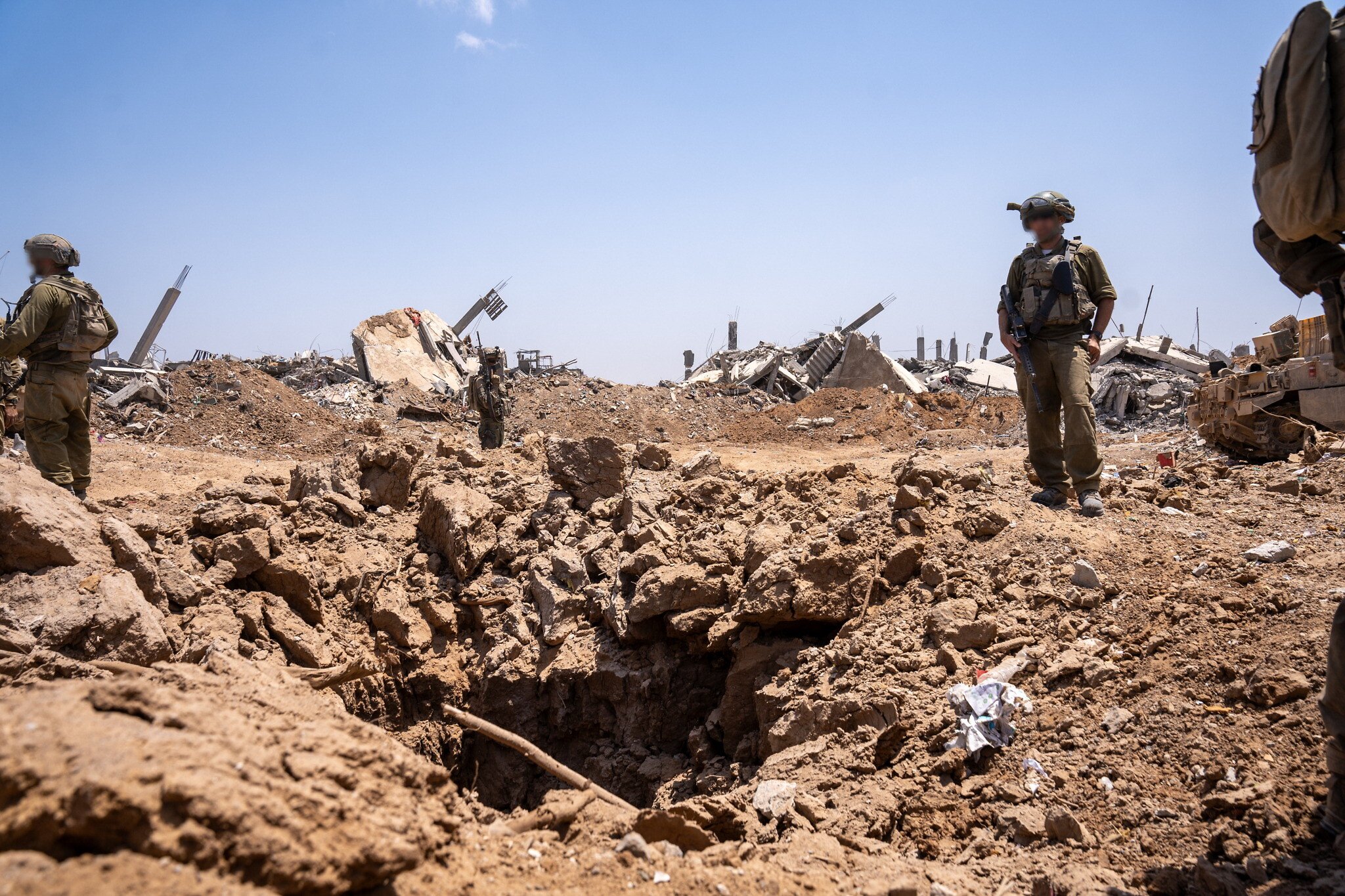
“We are locating, mapping [the tunnels out] and destroying them. This led to the elimination of many terrorists who were hiding underground,” Shamaka said.
During attempts to uncover the tunnel routes, combat engineers killed — almost by accident — a Hamas company commander who had been wanted since the October 7, 2023, onslaught, alongside other operatives in the Beit Hanoun Battalion.
After digging down and hitting the tunnel, troops of the 7107th Reserve Combat Engineering Battalion dropped an explosive charge inside.
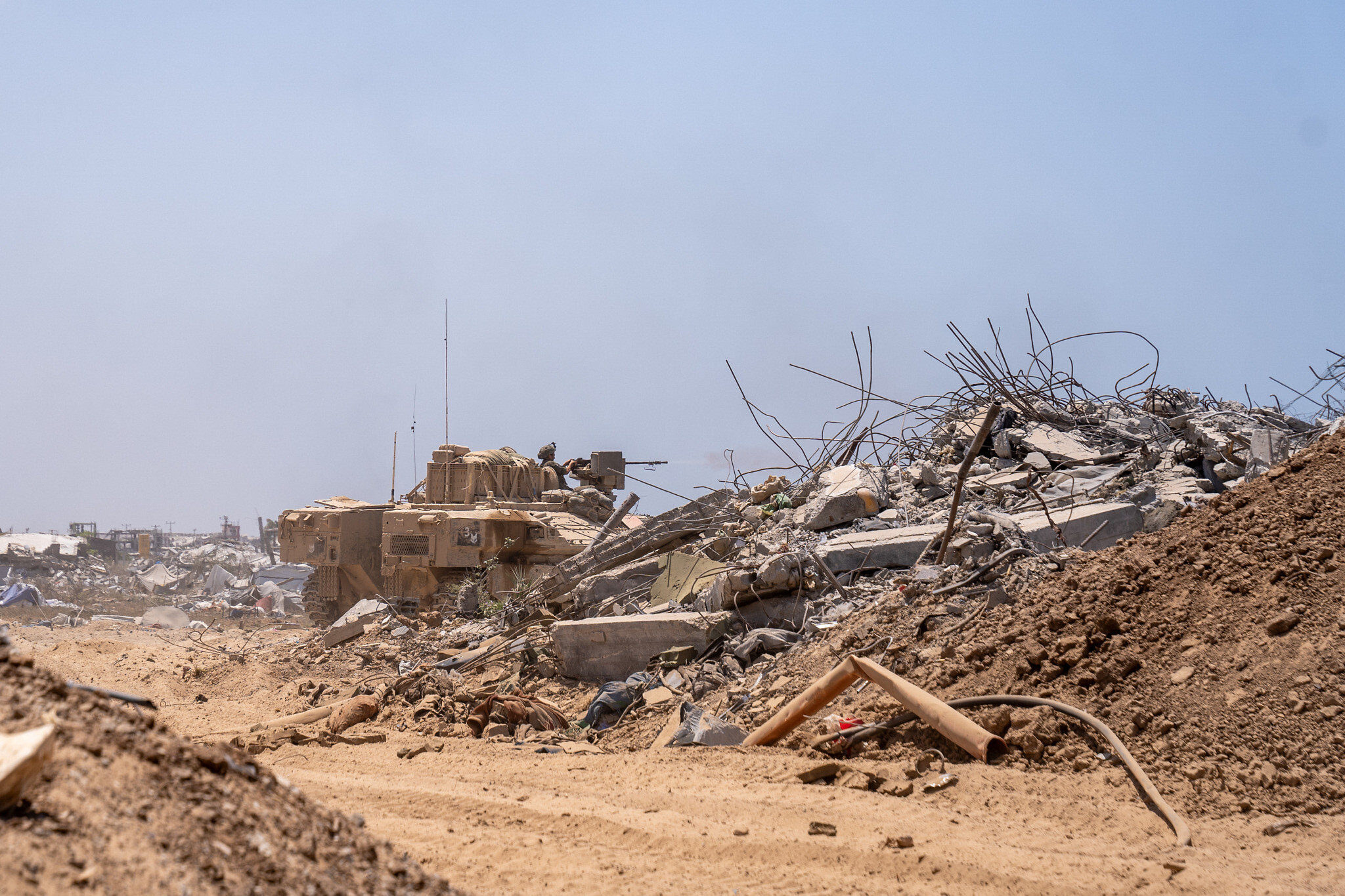
The blast killed Mohammed Sahwil, a company commander in the Beit Hanoun Battalion; Akram Abu Jarad, a platoon commander; and several other operatives.
Their bodies were only located later when the combat engineers sent down a drone to inspect the tunnel, according to IDF officers. Inside the tunnel, the troops also recovered weapons and intelligence documents.
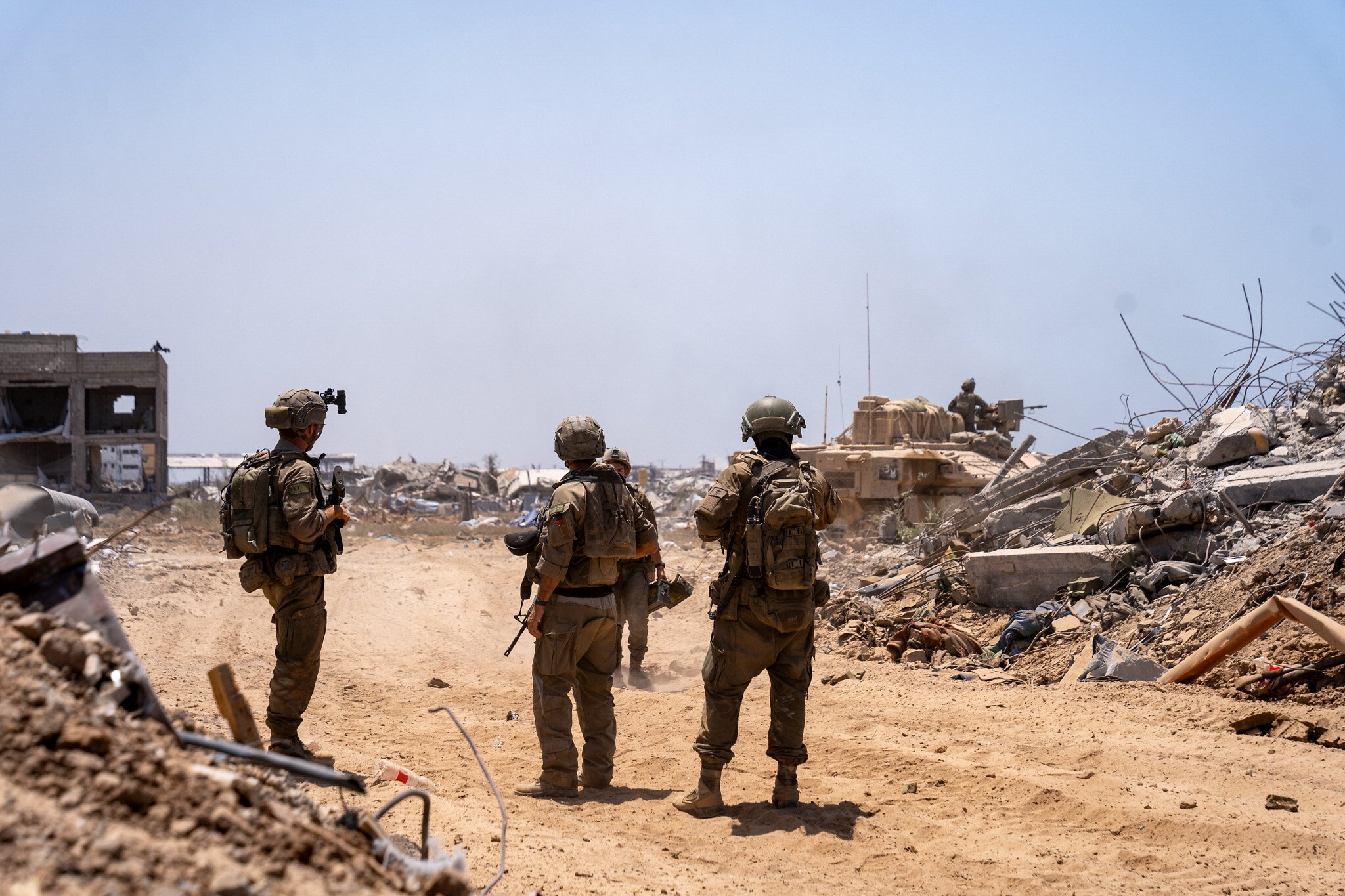
“We carried out several tactical actions to kill the enemy in its tunnels. This is one of the results,” Lt. Col. “Gimmel,” the commander of the 7107th Battalion — who can only be identified by his first initial in Hebrew due to security concerns — told reporters at the site of the razed tunnel.
“A tunnel ran here under our feet, with living terrorists, only a few days ago. We identified their elimination and destroyed the entire tunnel,” he said.
The IDF believes there are only four or five remaining terror operatives in Beit Hanoun, as the majority were either killed during the fighting or fled, like the battalion commander, Hussein Fayyad.
Before the war, the Beit Hanoun Battalion — like the other 23 Hamas battalions across the Strip — consisted of over 1,000 operatives.
Fayyad, the Beit Hanoun Battalion commander, was targeted in a recent strike, but the IDF is unsure if he was killed. Previously, the military declared him dead in a strike, only to backtrack after he was seen out in public during a ceasefire.
“What kept Hamas standing for a year and 10 months in Beit Hanoun was only the tunnels,” Shamaka said. “[The operatives] quickly went down into the tunnels that [Hamas] dug and hid there. The moment we managed to reach the main routes, they started to come out and we struck them,” he said.
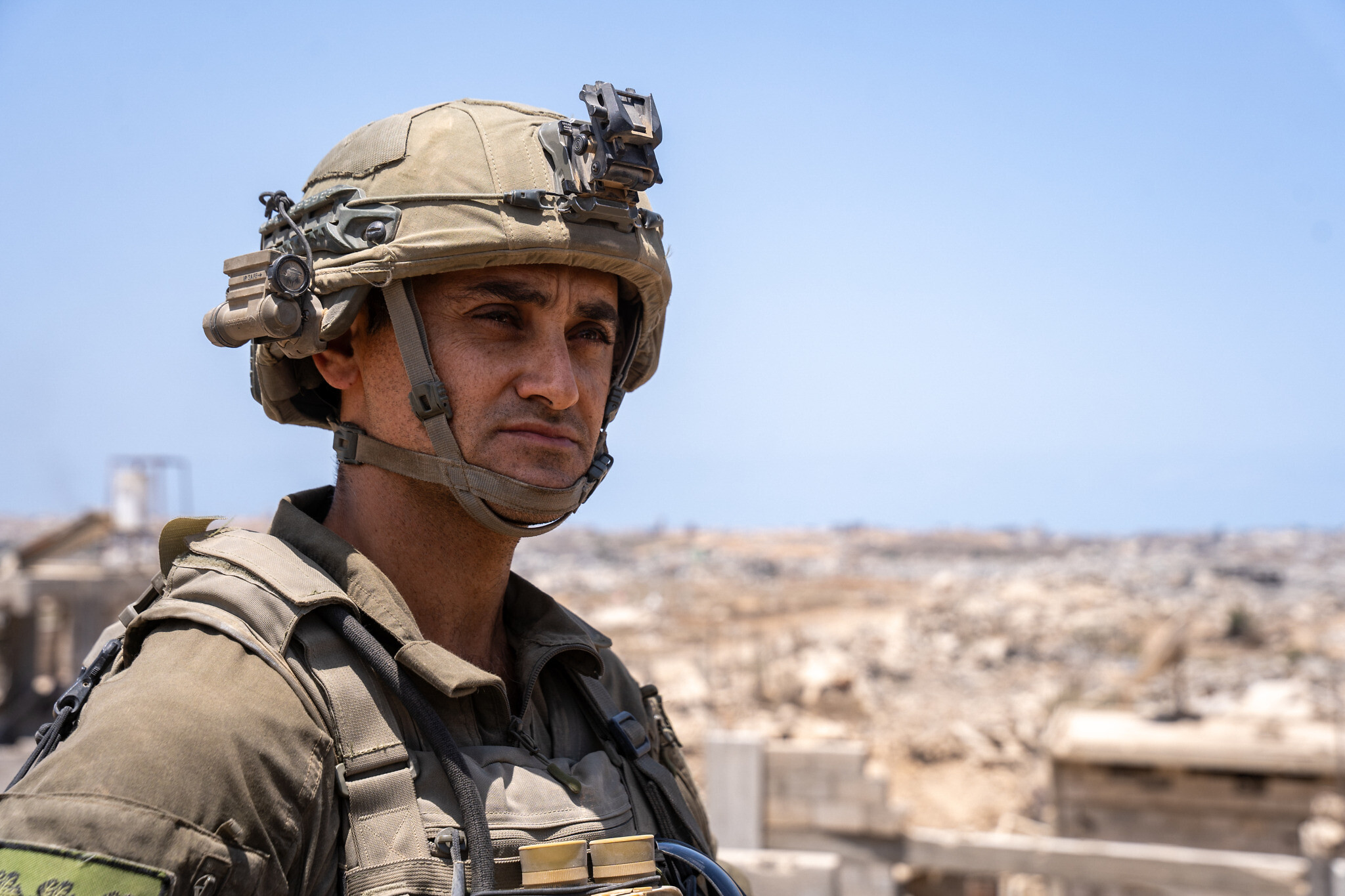
“Unfortunately, in the past year, [the Beit Hanoun Battalion] caused a not-small number of casualties to our forces, and the assessment is that within a week we will be finished with Beit Hanoun,” Shamaka said.
But he stressed that nothing is absolute. There still may be tunnels that the military is unaware of, and “terrorists could come from Gaza City overground” to Beit Hanoun and launch an attack on Israel.
“I’ll need to be here” to prevent that, the Givati commander added.









The Times of Israel Community.