

In first day of cross-examination, Netanyahu pressed on the veracity of his memory
Prosecution challenges PM on his relationship with Milchan and his police testimony, pointing to 1,778 times he told officers he ‘doesn’t remember’
 Add ToI as a Preferred Source on Google
Jeremy Sharon is The Times of Israel’s legal affairs and settlements reporter
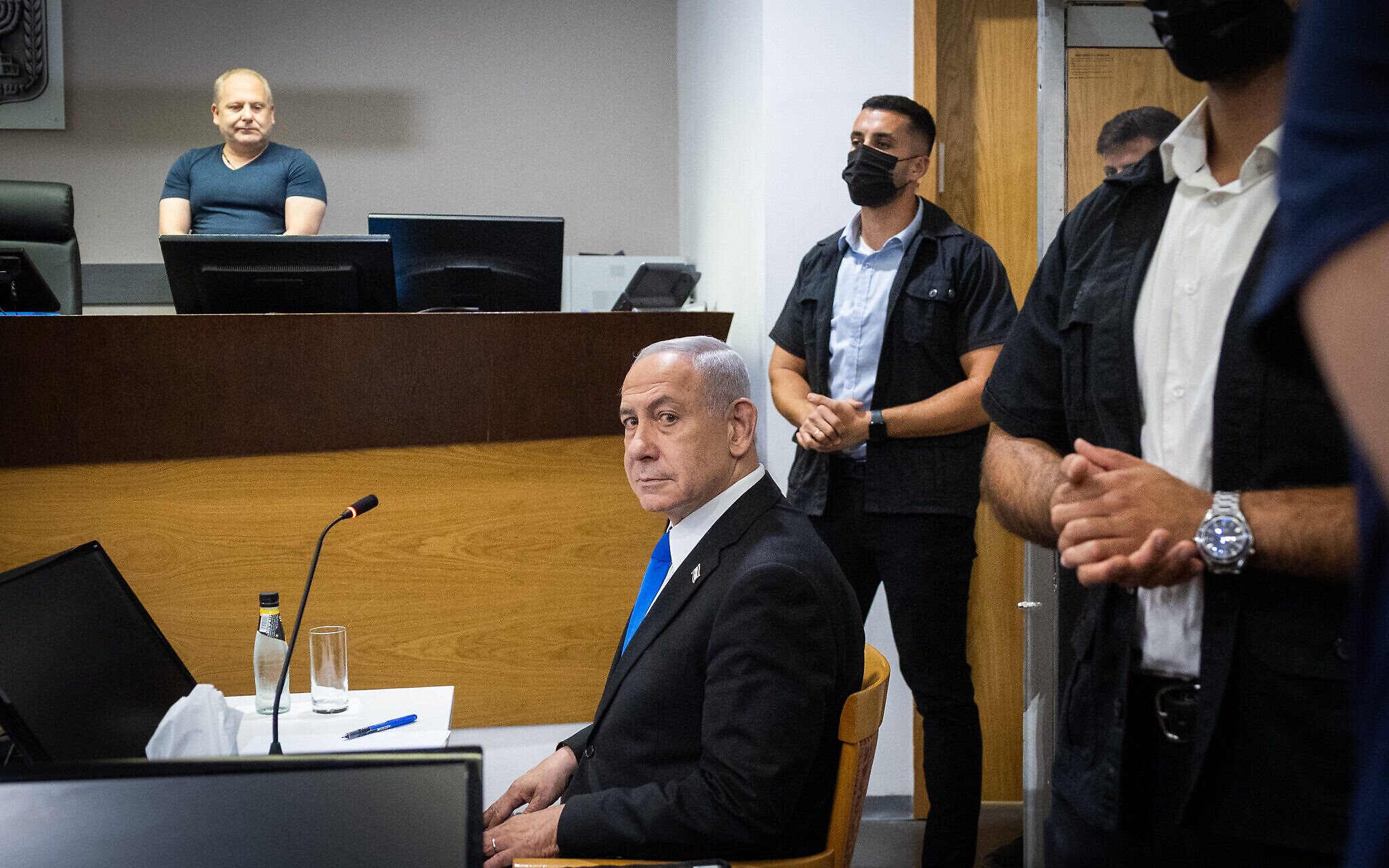
At the start of Prime Minister Benjamin Netanyahu’s cross-examination Tuesday morning in the Tel Aviv District Court, five years after his corruption trial began, the prosecution sought to undermine his credibility as a witness and chip away at the veracity of his testimony.
Netanyahu had to contend with sharp questions about his preparations for interrogation during the investigation, his liberal use of the phrase “I don’t remember” under questioning, and the circumstances surrounding the gift of a giant Bugs Bunny doll by a Hollywood mogul to his son Yair in 1996.
Cross-examination will likely take some 12 months to complete, given the 36 sessions Netanyahu took for primary testimony and the numerous complications of the legal calendar and the prime minister’s leadership responsibilities.
Prosecutor Yehonatan Tadmor of the State Attorney’s Office began the cross-examination with questions about Case 1000, in which Netanyahu is accused of fraud and breach of trust for accepting luxury gifts worth hundreds of thousands of shekels from Hollywood mogul Arnon Milchan and Australian billionaire James Packer. The indictment alleges that Netanyahu performed various favors and provided certain assistance to Milchan, in particular, in return.
At the beginning of the hearing, Judge Rivka Friedman-Feldman, who presides over the three-judge panel adjudicating the case, reminded the prime minister of his obligation to tell the truth when responding to the prosecutors’ questions.
The hearing was punctuated by repeated objections by Netanyahu’s lawyers to questions posed by the prosecution, resulting on numerous occasions in the prime minister leaving the hearing while the judges deliberated the issue.
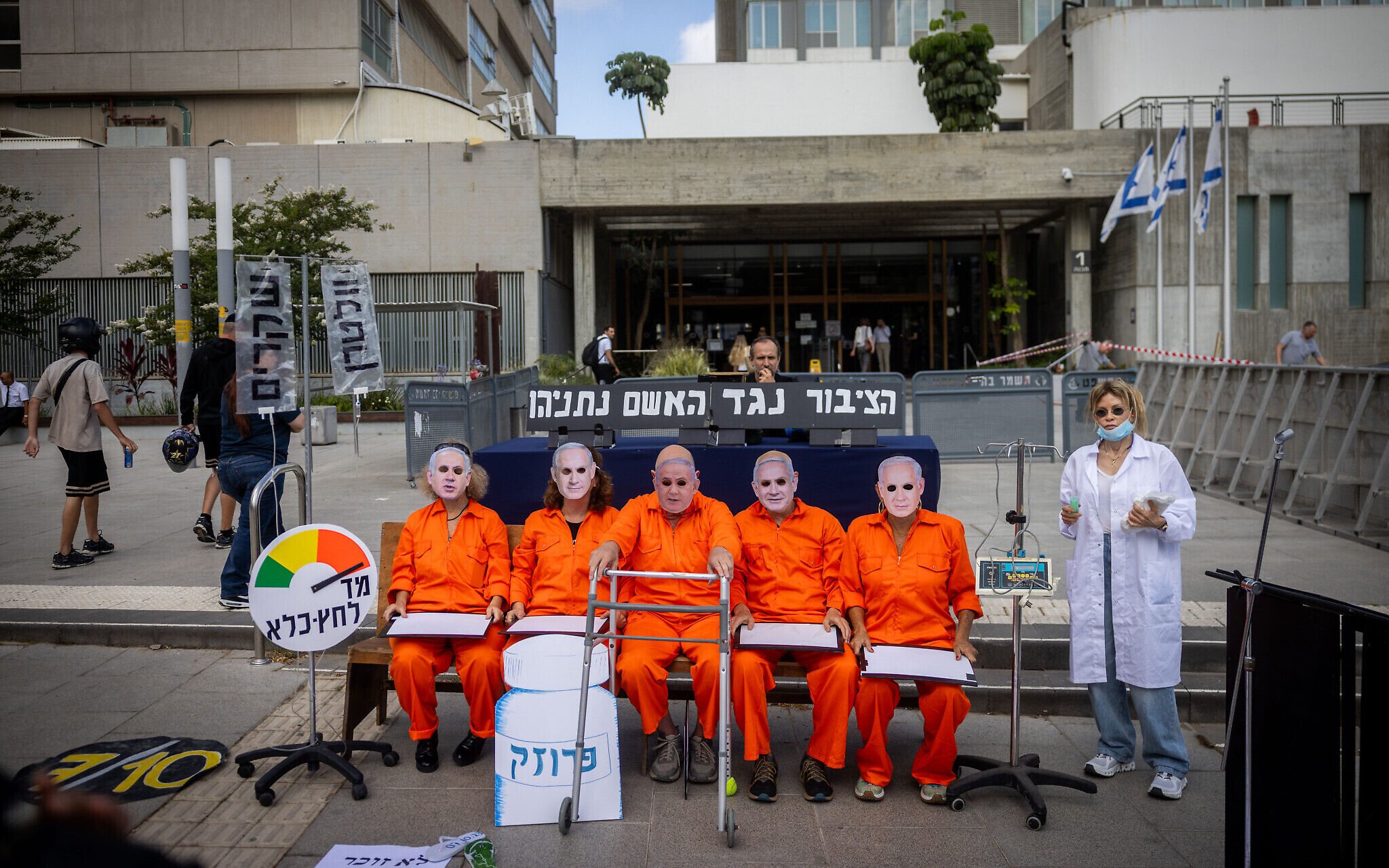
Tadmor opened with questions about the period when Netanyahu was first summoned by police for questioning regarding Case 1000 in 2016, asking the prime minister if he had prepared for the police interview, and specifically if he knew it was connected to his relationship with wealthy businessmen and his receipt of valuable gifts from them.
Netanyahu said he remembered that the issue of his relationship with the businessmen came up in his preparation for questioning, adding that “I don’t do favors for businessmen.”
Tadmor asked the prime minister specifically about a list of 10 businessmen that had been drawn up by the prime minister’s lawyers, ostensibly in preparation for the police interview, which included Milchan and Packer.
“I don’t remember. I thought the whole ridiculous thing began because of an article by Gidi Weitz — it’s persecution,” said Netanyahu about a Haaretz journalist who reported on the prime minister’s connections to Milchan at the time.
The prosecutor also tried to demonstrate that Netanyahu had tried to manipulate the interrogation process by repeatedly asking for breaks and consulting with his lawyers during such breaks, although the prime minister denied that he had done so.
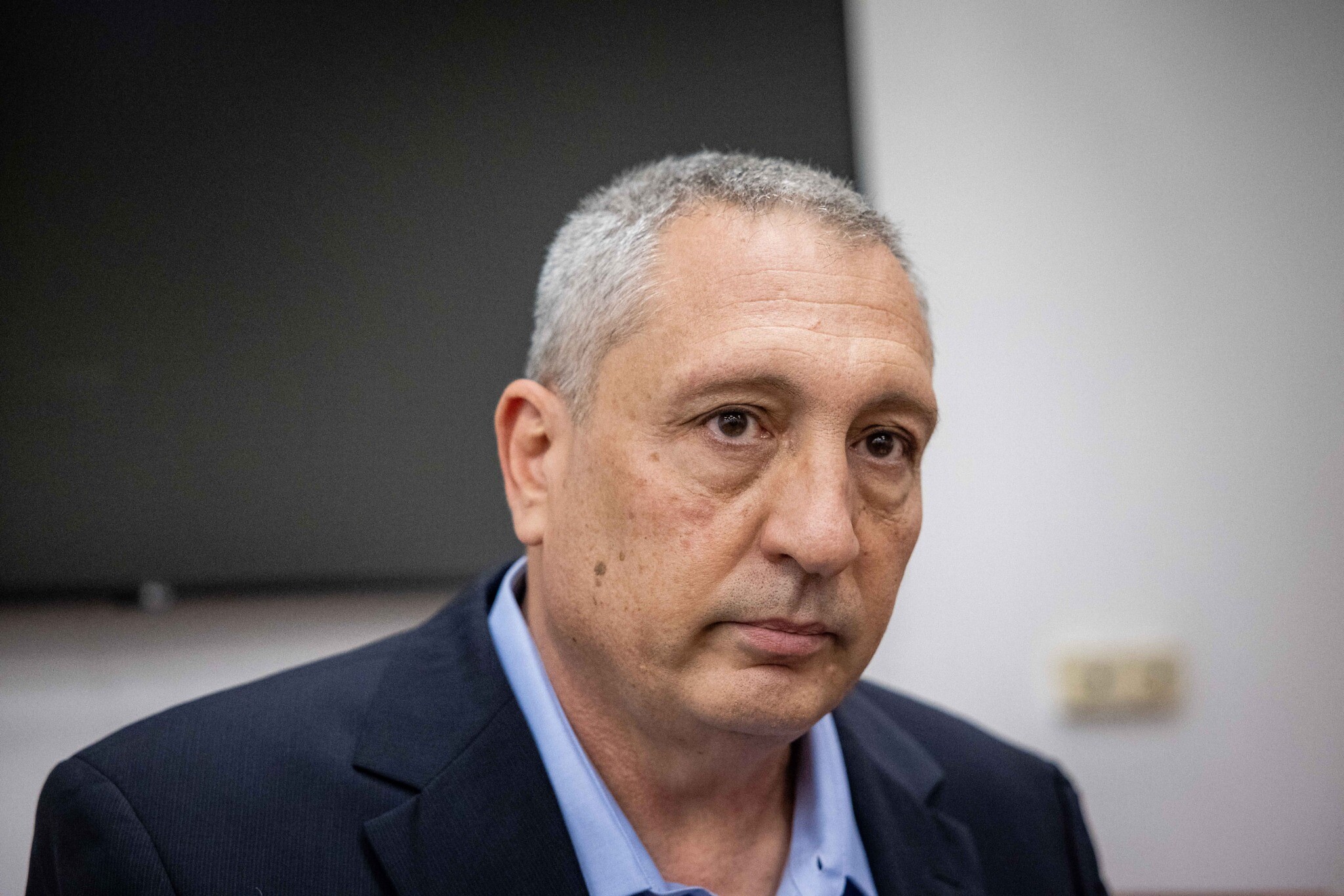
To undermine Netanyahu’s credibility as a reliable witness, Tadmor pointed out that state witness Nir Hefetz, a former senior aide to the prime minister, had testified that Netanyahu had a “phenomenal” memory, and that the prime minister himself recalled specific details about long-past meetings during his primary testimony.
The prosecutor also noted that Netanyahu said fully 1,778 times during police questioning regarding cases 1000 and 2000 that he “doesn’t remember,” and that his use of the phrase increased as the interrogation sessions continued.
“I am saying that you said ‘I don’t remember’ when it was convenient for you,” charged Tadmor.
Netanyahu argued in response that no one can remember every precise detail about past events, especially as they fade further into the past, adding that the details of some meetings stuck out more than others.
Judge Friedman-Feldman interrupted at one point, asking, “When you said ‘I don’t remember,’ did you do it to avoid answering?” to which Netanyahu responded, “No.”
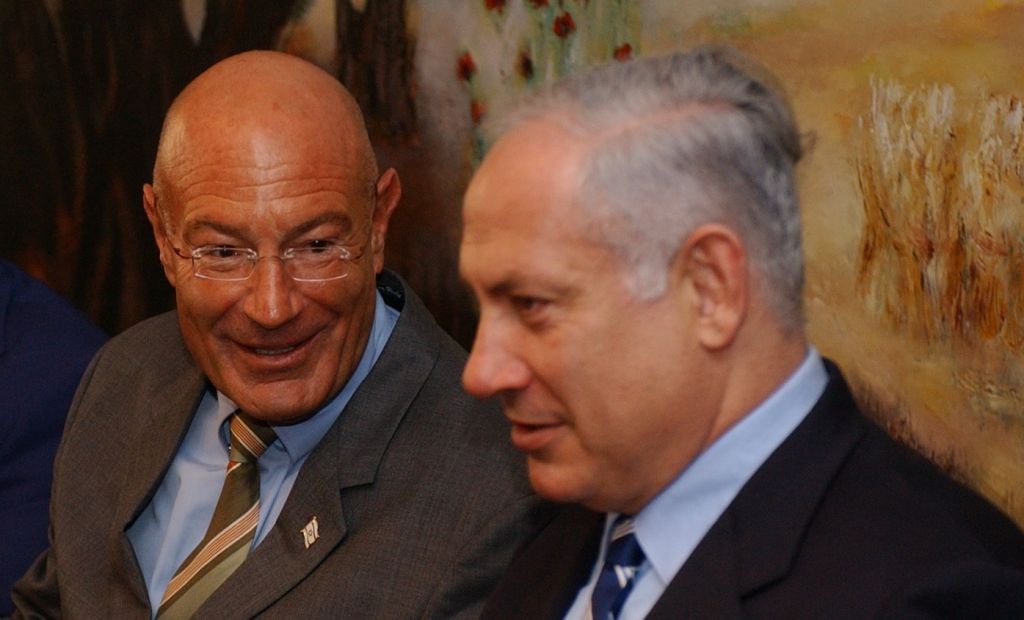
Turning to Netanyahu’s relationship with Milchan, Tadmor sought to establish that the Hollywood producer had first and foremost sought out Netanyahu’s favor in order to obtain help from him in the future, and that the relationship was not a friendship — as Netanyahu has consistently asserted in response to claims that the gifts he received from the Hollywood mogul were reciprocated with gifts.
The fruits of those endeavors, the prosecutor argued, were borne out in the circumstances of Case 1000, with Netanyahu accepting luxury gifts worth hundreds of thousands of shekels from Milchan, and in return helping Milchan with obtaining a long-term US visa, and planning to help him invest in the television market and merge the Keshet and Reshet networks.
The prosecutor sought to illustrate that this was the nature of the relationship by describing the first meeting between Netanyahu and Milchan, which took place in 1996 in New York at a movie screening in a hotel where the prime minister and his wife were staying.
Ahead of the meeting, Netanyahu’s wife, Sara, demanded that the movie that was supposed to have been screened be changed, and also asked Milchan to bring a Bugs Bunny stuffed toy with him for their son Yair.
But Milchan turned up with a small toy, which Sara deemed not big enough, and he went off to look for a bigger one.
“He showed up with a small stuffed animal, and Milchan scampered around all of New York in the rain,” Tadmor said.
The prosecutor also read from Milchan’s testimony in the trial in 2023, in which he said, “I didn’t have a driver, it was raining, but I got a pretty big Bugs Bunny, very big, and no one wanted to stop. I looked for a cab, and I’m standing there with the Bugs Bunny, and in the end… I got to the prime minister’s hotel… Sarah took the Bugs Bunny and said it was okay… and then we ate dinner.”
Tadmor pressed Netanyahu, arguing that it was strange to make such demands of Milchan upon meeting him for the first time.
The prime minister said in response that he did not recall that the movie was changed, and that “regarding the Bugs Bunny, I have no idea how it arrived.” Then he joked, “It sounds like the Hollywood movie ‘Who Killed Roger Rabbit.'”
“Confirm to me that you knew it was important to Milchan to meet with you. Confirm to me that Milchan was important,” Tadmor insisted to Netanyahu.
“I knew a lot of people who wanted to meet with me,” said Netanyahu simply, in response.
Later in the hearing, Tadmor sought to further call into question the veracity of Netanyahu’s testimony, and questioned him about his intentions regarding his political career, following his electoral defeat in 1999.
“I was a political corpse, the TV commentators eulogized me, and at the time I also thought they were right. I didn’t think about coming back then, and I didn’t want to,” said Netanyahu.
Tadmor challenged him on that assertion, however, saying that Netanyahu had always planned to return to political life, and read aloud a segment from the prime minister’s 2022 book in which he wrote that at the time “I had no doubt about my ability to return at some point,” and that “my prominent presence in Israeli politics was maintained.”
Netanyahu is on trial in three corruption cases. He faces charges of fraud and breach of trust in Case 1000 and Case 2000, and charges of bribery, as well as fraud and breach of trust in Case 4000.
In Case 2000, the prime minister is accused of fraud and breach of trust over his alleged attempt to reach a quid pro quo agreement with the publisher of the Yedioth Ahronoth newspaper Arnon (Noni) Mozes, whereby Yedioth would give the prime minister more positive media coverage in exchange for legislation weakening its key rival, the Israel Hayom free sheet.
Case 4000, also known as the Bezeq-Walla case, is the most serious the prime minister faces, in which he is accused of authorizing regulatory decisions that financially benefited Bezeq telecommunications giant shareholder Shaul Elovitch by hundreds of millions of shekels. In return, Netanyahu allegedly received favorable media coverage from the Walla news site, which Elovitch also owned.








The Times of Israel Community.