

In first, Israeli researchers develop mRNA jab against antibiotic-resistant bacterium
Scientists from Tel Aviv University and the Israel Institute of Biological Research say their vaccine uses lipid nanoparticles and shows 100% protection in animal models
 Add ToI as a Preferred Source on Google
Reporter at The Times of Israel
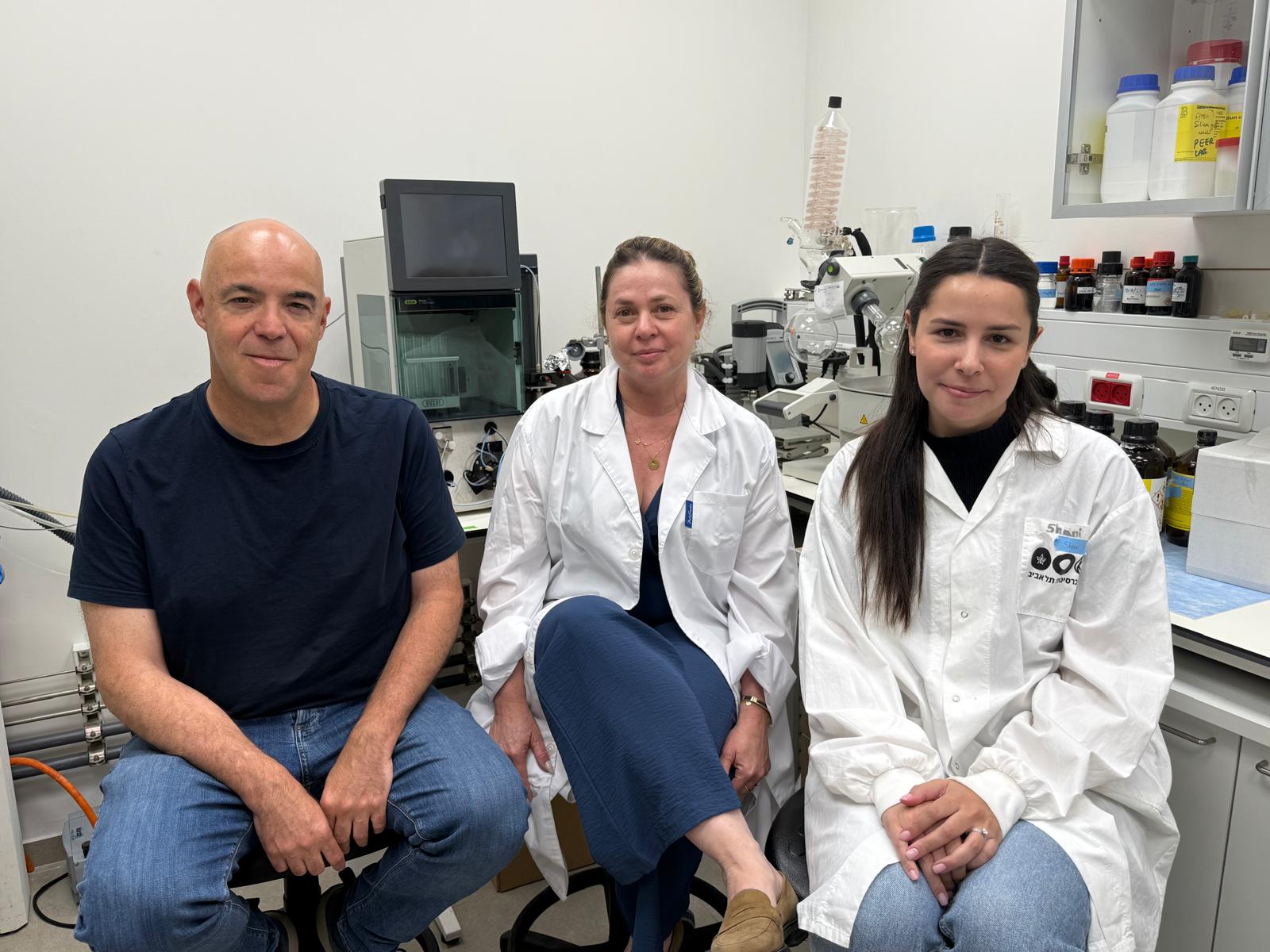
In a research breakthrough, scientists from Tel Aviv University and the Israel Institute for Biological Research (IIBR) in Ness Ziona have developed the world’s first mRNA-based vaccine against a deadly, antibiotic-resistant bacterium.
The vaccine against pneumonic plague is delivered via lipid nanoparticles like COVID-19 vaccines, and showed a 100 percent protection rate in animal models.
The groundbreaking study, which made the cover of the prestigious journal Advanced Science, was led by Prof. Dan Peer, director of the laboratory of precision nanomedicine, and his team of researchers, including Dr. Edo Kon, Dr. Inbal Hazan-HaLevy, and PhD student Shani Benarroch, working with IIBR scientists.
The innovation could be used to tackle bioterror threats. It could also serve to prevent infections from antibiotic-resistant bacteria that annually kill thousands in Israel, and millions around the world.
“Each year in Israel, some 5,000 people die in hospitals from bacterial infections,” said Peer, speaking by telephone to The Times of Israel.
“Imagine we can create a vaccine against three or four different bacteria, and at the time of hospitalization, you get vaccinated against these common strains. That will decrease the number of people who die from infections.”
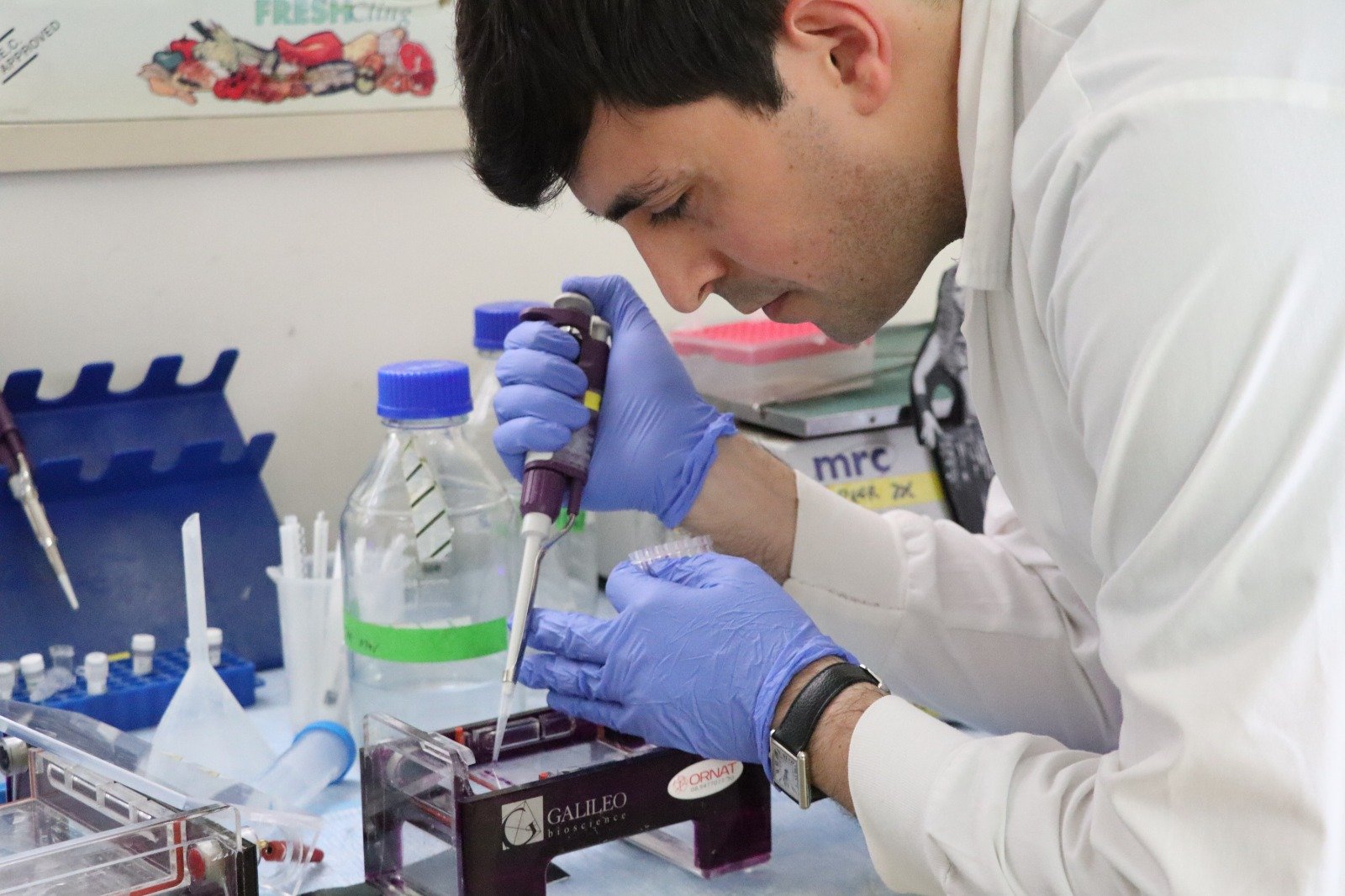
How viruses and bacteria work
Viruses and bacteria are both pathogens but they behave differently.
Viruses cannot survive or reproduce on their own. They infect a living cell and hijack it, sending mRNA, or genetic instructions, which direct the cell to begin producing more viral proteins.
But bacteria can reproduce on their own and make their own proteins. This, the mRNA vaccine strategies used on viruses don’t work on bacteria.
Peer said that in 2023, TAU and IIBR researchers developed a vaccine for a form of plague transmitted through the skin, via flea bites. They chose Yersinia pestis, a lethal bacterium that caused the bubonic plague, known as “the Black Death,” which killed two-thirds of Europe’s population in the Middle Ages.

Working to protect people from plagues
In the current study, the researchers chose the far more virulent pneumonic plague, a disease that spreads through the air and causes respiratory illness, making it particularly difficult to develop a vaccine.
Pneumonic plague still appears in outbreaks in places like Madagascar.
“Something that is airborne is always more difficult than something that is caused by bites,” he said. “It’s very aggressive. So if you don’t treat it with antibiotics immediately, the chances of survival is zero.”
To meet this greater challenge, the team created a bivalent mRNA vaccine that contains instructions for two different bacterial proteins, or antigens, that trigger an immune response in the body.
“We learned that it’s not enough to do one antigen, but two,” explained Peer. “In order to bypass this bacteria, in order to neutralize it, you need two antigens, and you need two doses. We optimized this, and now it works well.”
“We tested it on several animal model strains and found that, after two vaccine doses, we achieved 100% protection,” Peer said. “The animals infected with pneumonic plague did not get sick at all.”
Rise in plagues and antibiotic-resistant infections
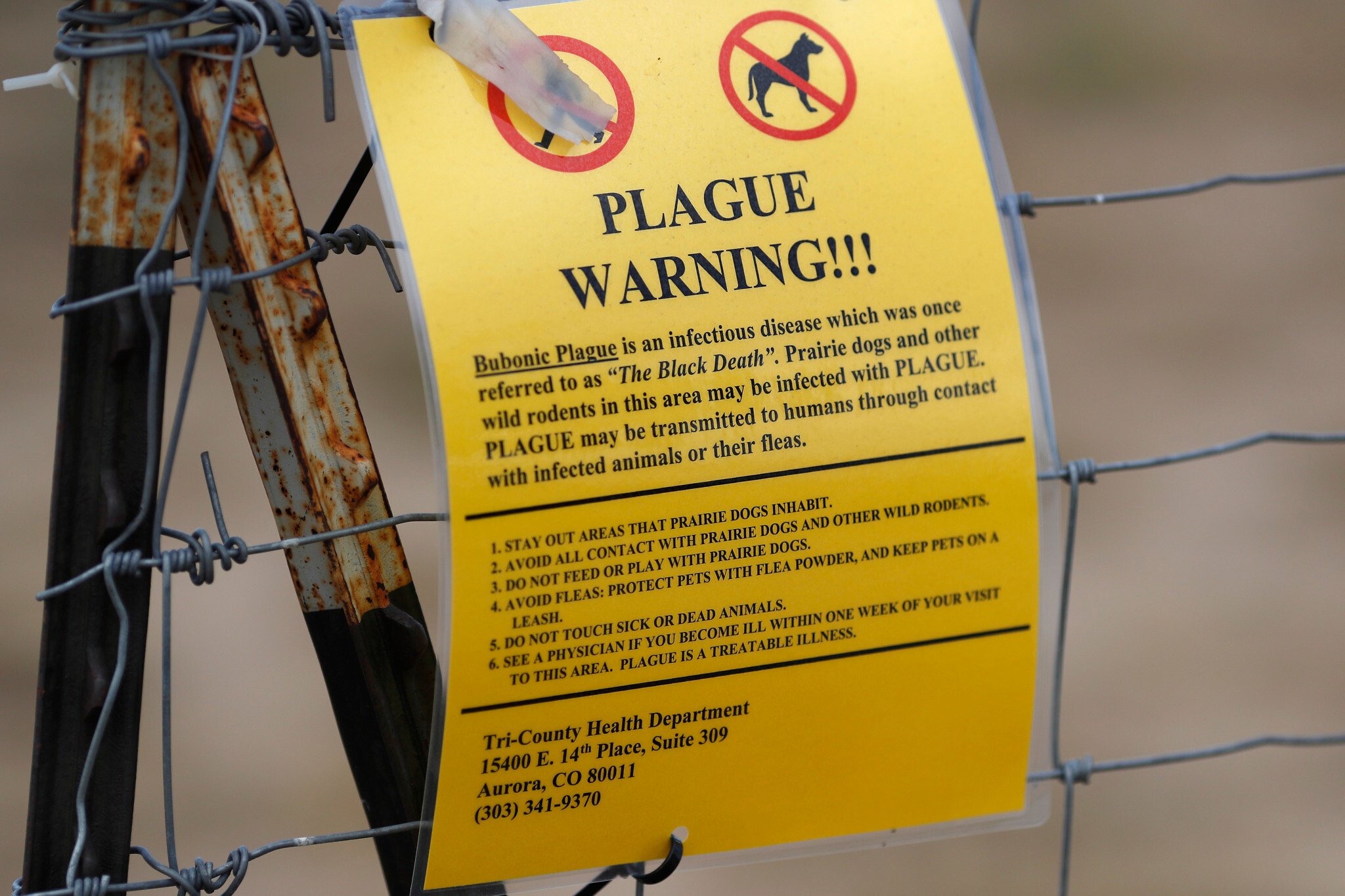
Human plagues have increased around the world, especially in Africa, South America and Asia. The US Centers for Disease Control and Prevention has called antibiotic-resistant infections an “urgent global public health threat.”
“There are strains that are super-resistant to antibiotics,” Peer said. They are also classified, he said, as possible bioterror agents by the US Army and the Department of Defense.
“You can put anything on missiles,” he remarked. “We don’t want to think about that, but this is something that definitely, in theory, can happen. I hope nobody will use it, but it’s like an atomic bomb. Nobody wants to use it, but everyone wants to have it. ”
Peer said the ability to quickly design and produce mRNA vaccines is part of what makes the technology so promising.
“As we’ve seen with the mRNA vaccine [for COVID-19],” he said, “scientists can produce it quickly and vaccinate people in a very short time. This is the beauty of mRNA. In that sense, it’s much easier than any regular vaccine.
“Pandemics, viruses and bacteria and parasites are all around us,” Peer said. “There is always a possibility of a large pandemic. I think that we can have a solution, a vaccine, very quickly. In terms of surviving, you can really make sure that people will live.”










The Times of Israel Community.