

In the absence of state funding, northern residents build their own shelters
With many in the north living in older homes without reinforced rooms, some residents spend small fortunes to construct fortified rooms as war with Hezbollah intensifies
 Add ToI as a Preferred Source on Google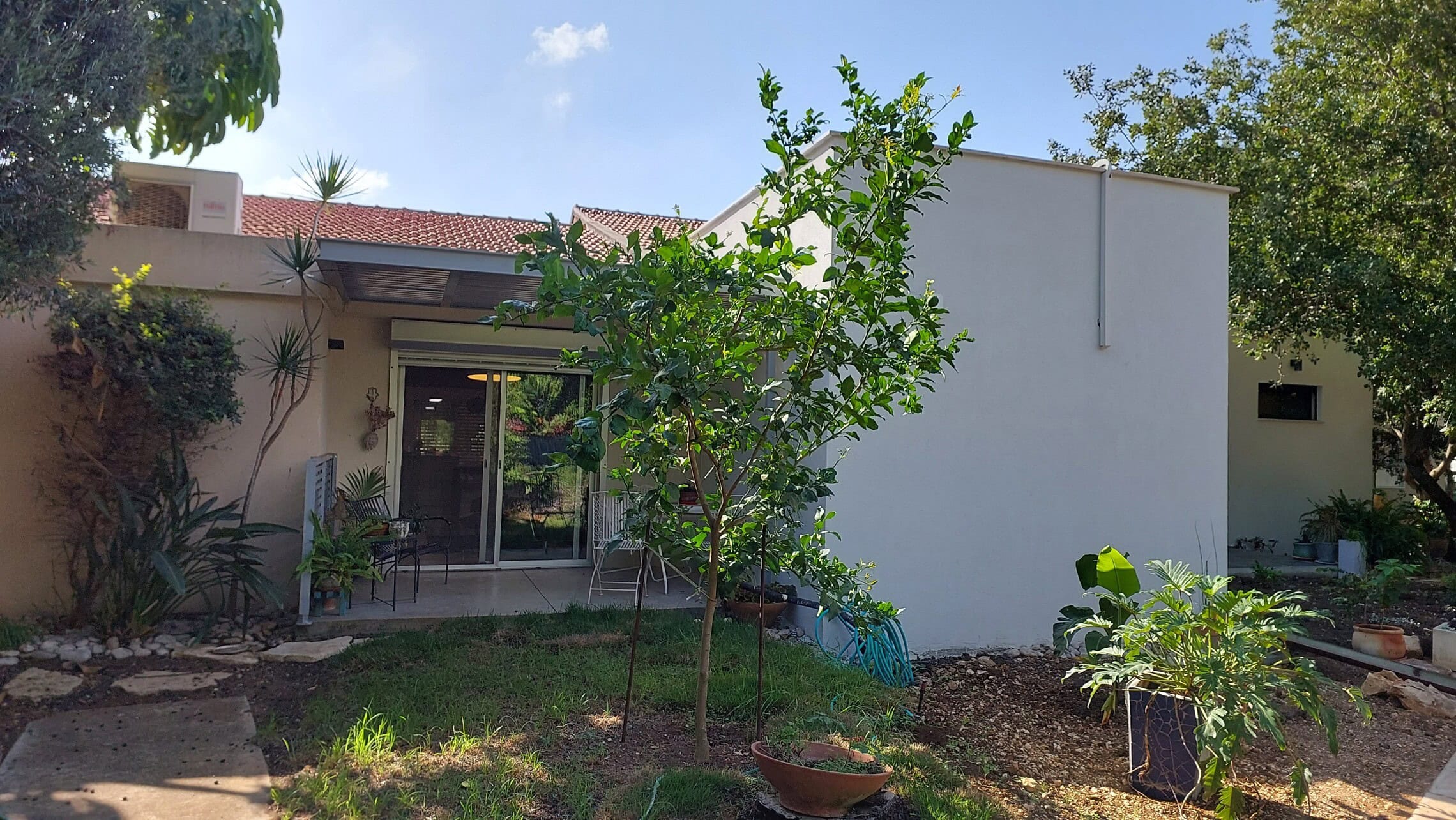
Last year, Alon Goren was evacuated from his home in Kibbutz Eilon, a stone’s throw away from Israel’s northern border with Lebanon.
He now lives in Kibbutz Ga’aton in the Galilee, where he sits outside a shelter, asking that we not stand between him and his phone a few meters away. It is connected to a Zoom call with the school in Kibbutz Kabri, where he teaches theater and is the homeroom teacher for 12th grade.
Goren is one of approximately 60,000 northern residents who have been displaced since shortly after October 7, 2023, when thousands of Hamas-led terrorists invaded southern Israel, brutally murdering 1,200 people and kidnapping 251 amid acts of torture and sexual assault.
Fears that Hezbollah would carry out a similar onslaught were elevated after it began near-daily attacks on Israeli communities and military posts the following day, October 8, ostensibly as a show of support to Hamas. Tens of thousands of Israelis in Israel’s north were evacuated shortly thereafter, and Hezbollah missiles have rained down on their mostly abandoned towns ever since.
“We moved into a house here without a reinforced room, and my daughter refuses to stay in it, so she runs to sleep in the shelter, and I follow her,” Goren says.
“The last two days have been tough. There’s a functioning toilet and sink downstairs, and my partner’s sister lives nearby, so she’s handling the tea and coffee,” he adds.
Inside the shelter, a few mattresses and personal belongings are scattered on the floor, along with stacks of plastic chairs.
“Even months before the war began last October, we started inspecting the shelters and prepared them ahead of time, anticipating the campaign would start in the north. We bought new mattresses, checked the toilets, and fixed any leaks. In that sense, the war caught us prepared,” says Smadar Tal, the community manager of the lush, green kibbutz nestled in the heart of the Western Galilee.
Only the occasional booms from missile interceptions or the firing of artillery batteries stationed in the area disrupt the quiet tranquility of the kibbutz.
The cross-border attacks by the Lebanese terror group took a heavy toll on Israel over the past year, resulting in the deaths of 28 civilians.
In addition, 43 IDF soldiers and reservists have died in cross-border skirmishes and in the ensuing ground operation launched in southern Lebanon in late September.
‘Massive costs for the community’
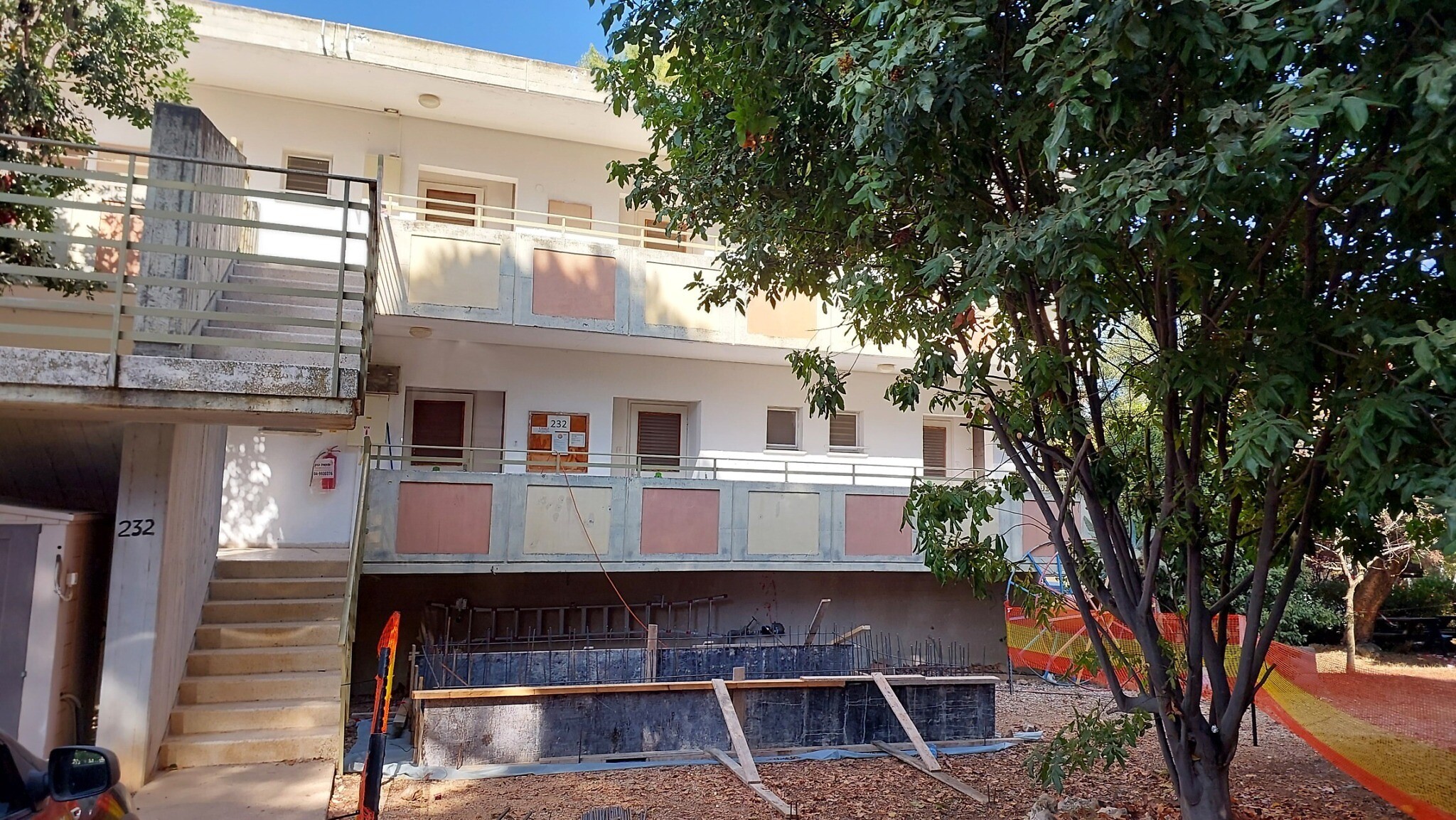
The houses in the older neighborhoods, built before the 1990s, are not fortified, and the residents — either founding members or young renters — rely on communal shelters. Most of them, however, either won’t or can’t make it to the shelters with just seconds of warning. Meanwhile, some kindergartens need fortification, but the state only funds those under the auspices of the Education Ministry.
Tal explains: “On September 22, the state shut down the educational frameworks, and since then, parents have been home with their children. When the war began, we checked the status of the five kindergartens — none of them had proper shelters. Some had security rooms from the 1980s but without blast windows or doors.”
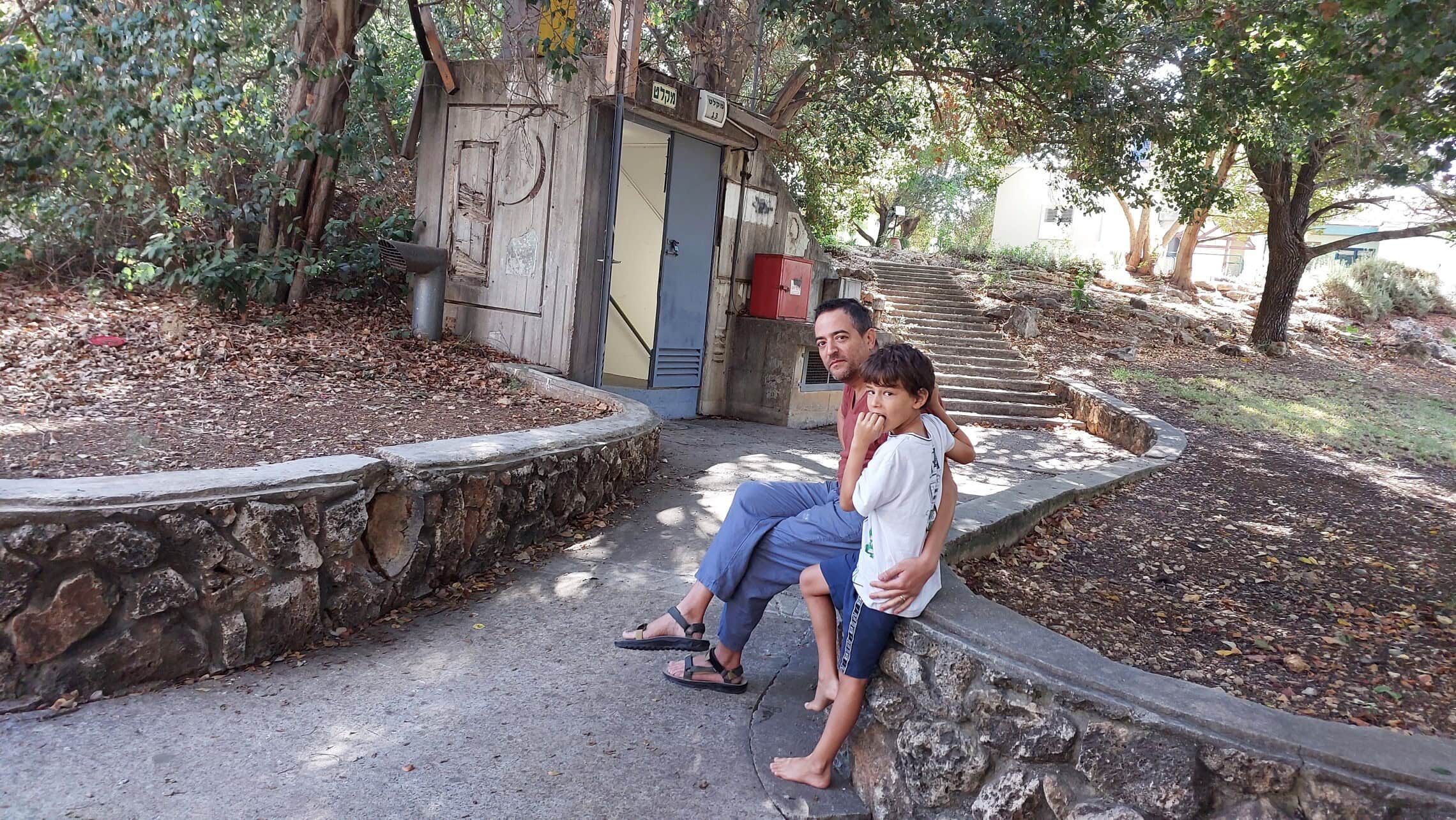
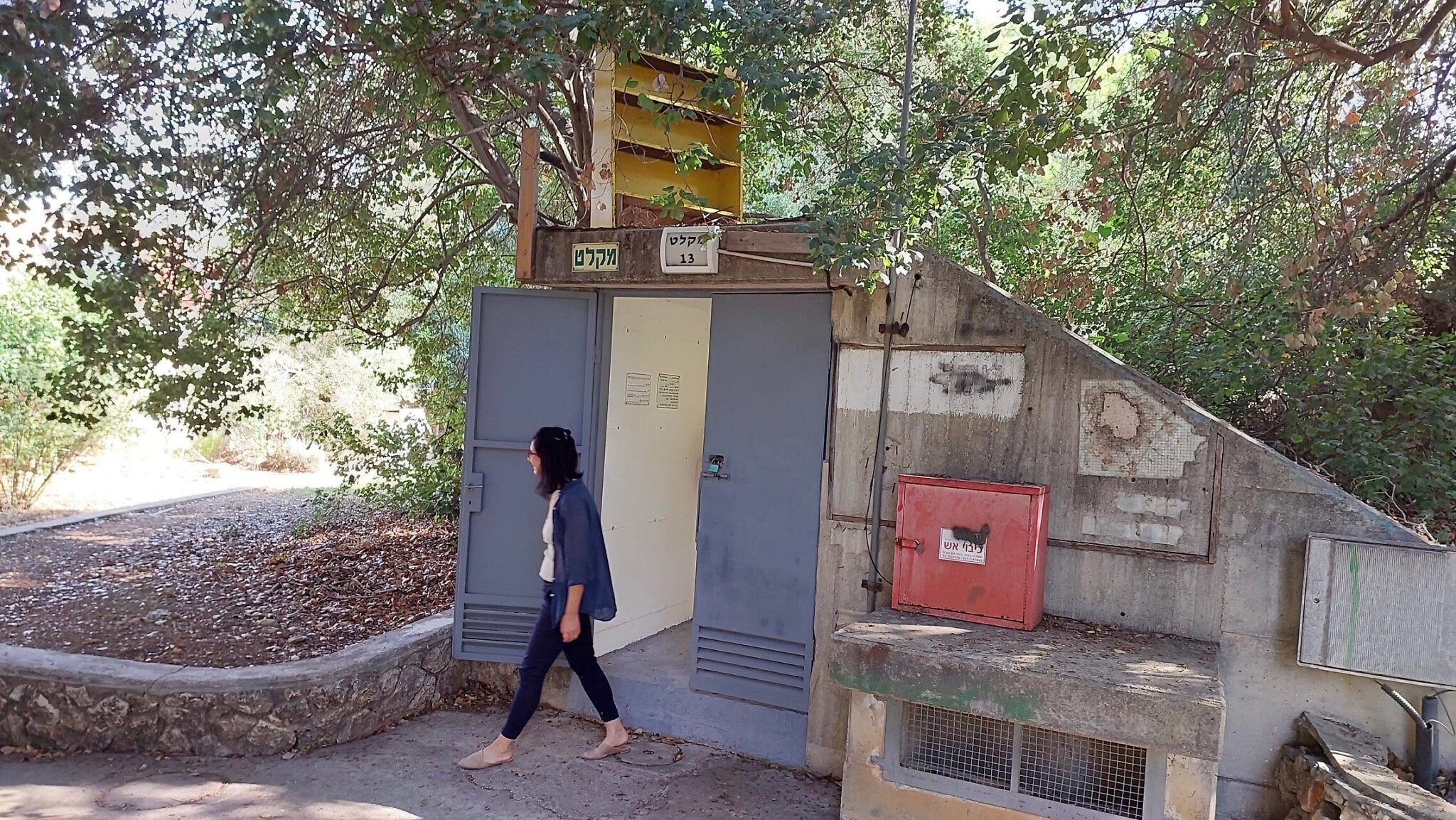
Ga’aton is located nine kilometers (5.6 miles) from the border with Lebanon, making it eligible for state funding to fortify public buildings, but more distant communities are not eligible. The basketball court has been renovated in recent years, but it doesn’t even have a small fortified shelter, and the community center is set for renovation soon, which will include the addition of a fortified space. Clalit Health Services closed the local clinic at the start of the escalation last month, instructing residents to go to Ma’alot for medical care.
This past week, the kibbutz leadership managed to find a temporary solution by moving the clinic to an educational building that has a fortified area.
“The shelters are maintained, but the problem is that the elderly residents can’t get to them in under 15 seconds — it’s unrealistic,” says Tal. “Many of the older members, some of whom are founders, have resigned themselves to not building a fortified room, saying, ‘If I die, then I die.’”
“One woman who lives near us left her home for a few months because the booms shaking her house were rattling her bones, so we built her a fortified room at our expense so she could return. Just in this area alone, we’ve spent half a million shekels [$135,000] on fortifications — these are massive costs for the community, and on the other hand, you have to consider the losses,” she says.
The most painful loss Tal refers to is the departure of about 100 dancers from the Kibbutz Contemporary Dance Company, which operates in Ga’aton under the direction of Rami Be’er.
“Many of the dancers aren’t Israelis, and when the war began, they packed their bags and went home overseas,” Tal says.
“That’s dozens of housing units that aren’t paying rent, and a hundred people who’ve stopped paying community fees because they got up and left, and they’re no longer buying from the kibbutz store,” she says. “We’ve lost about half a million shekels just in the last three months of 2023. We’ve approved the construction of a small, fortified shelter in the residential area now, hoping some of them will return. It’s a big story, a significant event.”
When asked if they received any assistance from the state, Tal responds: “Nothing. As of now, we haven’t received a thing.”
Shachar Bakshi, head of the National Planning Headquarters, responded by saying that there are plans to extend the temporary order allowing an exemption from building permits for fortified rooms, but he did not address whether fortification of an existing room in a private home would be approved.
The Finance Ministry responded to The Times of Israel’s request for clarity with this statement: “The fortification of communities between zero and one kilometer from the border was fully funded this year. A government assessment for communities further from the border is expected to be completed soon, after which the plan will be implemented by the Home Front Command.”
20 private fortified rooms built at the last minute
When it comes to the homes of the older residents, the picture is even more troubling, as most of them don’t have fortified rooms.
Nevertheless, about 20 households out of roughly 150 in the older neighborhoods have completed building their own fortified rooms in recent months, covering the entire cost themselves. They did it at the last minute, in a situation where the kibbutz wasn’t evacuated but was under severe threat.
One of those who took action is Ada Gurevich. In the yard leading to her house, a cat plays with a small snake it just caught. Unfazed by the incident, she invites us in to see the new, fourth room in her home.
“I have grandchildren, and I wanted them to come here with peace of mind when they visit from the center,” she says.
Gurevich’s daughter Gaya lives in the center, and her son Nimrod, who just stopped by for a visit with his young daughter, lives in an old house without a fortified room. Nimrod DJ’d at the Nova festival the day before the October 7 Hamas attack.
“Last spring, we still didn’t have a fortified room, so I moved in with my sister, who lives here in the expanded area. This year, I decided to go ahead with it. I’m a widow, and my brother Rami helped me with the paperwork and the process. I hired the contractor Karim from Tarshiha, and I befriended the Arab workers, all of whom are from the north. They started working in mid-April, and by May, it was already finished. Now, suddenly, there’s another playroom in the house,” she adds.
200,000 shekels for a fortified room
On paper, a fortified room should cost about NIS 130,000 ($35,000), but in reality, it costs much more, Gurevich says.
“It cost me NIS 200,000 [$53,000], including everything. There was a leak in the lawn, and I opened a window in the room while I was at it,” she says. “We were among the first to establish house ownership here, and each pair of homes shares infrastructure. So, when you want to renovate, everything gets torn apart, and you must fix it. In the end, we even replanted the lawn. I also wanted an interior wooden door, and somehow, they found a way to do it without a frame narrowing the doorway, which was important for accessibility.”
While adding a 100-square-foot room to a home might increase its value, in this case the “upgrade” is being forced upon elderly or retired residents. Between the bureaucracy involved and the financial burden, most of the residents, who live on old-age pensions and kibbutz retirement income, are unable to carry the renovation out. As a result, they remain in unprotected homes during the frequent rocket alerts.
‘They don’t interest the state’
“My parents are 90 years old, and in the best-case scenario, they cling to the wall in the part of the house with fewer windows — that’s all they can do,” says Ofir Adar, the kibbutz’s secretary, who himself completed the construction of his fortified room about a month and a half ago.
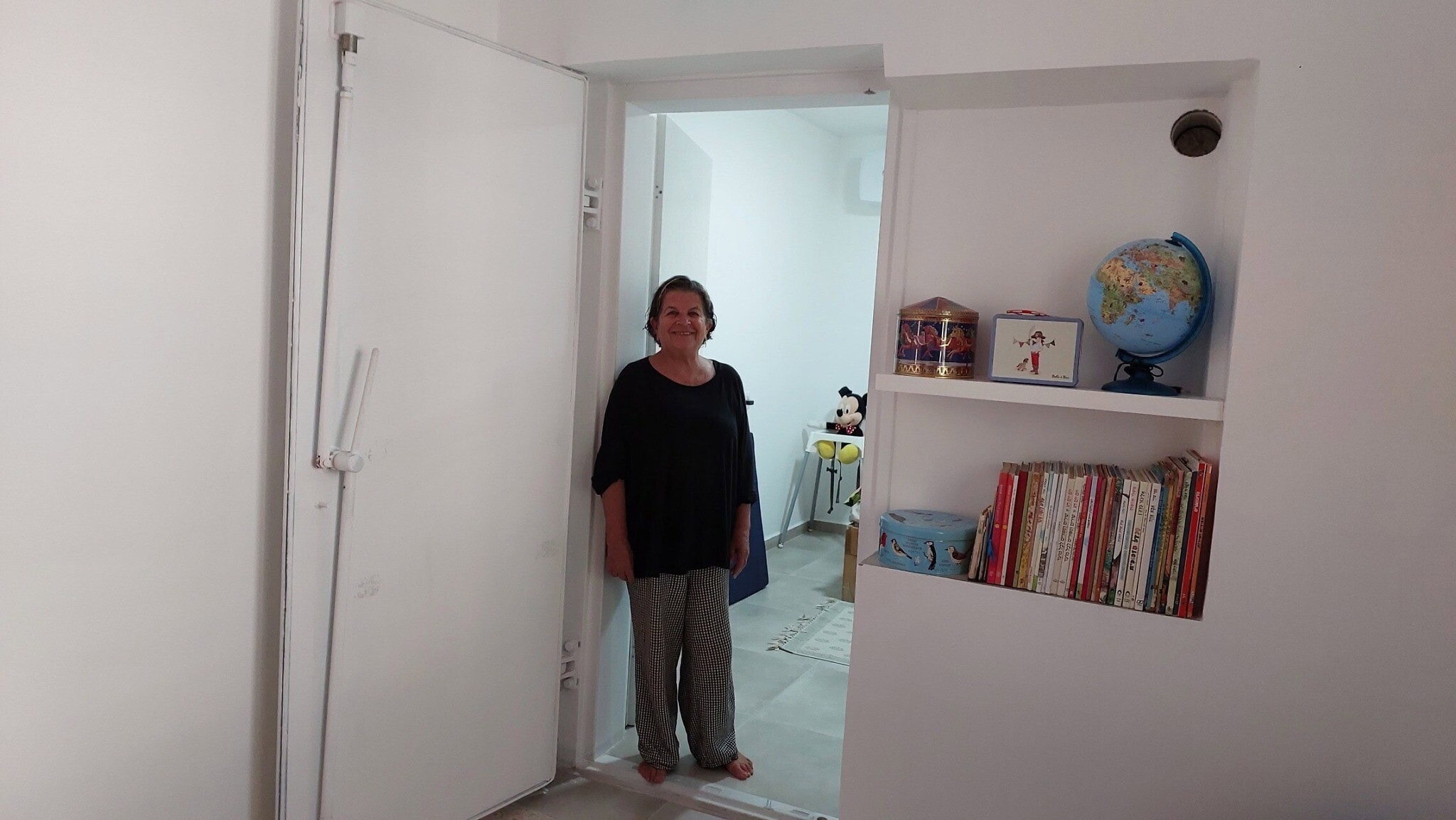
“You can finish the process in two months with proper planning and an expedited building permit, and you end up with a room that’s nine square meters inside and 13 square meters on the exterior. In many ways, this has been forced on us. I’m already approaching 70, and since October last year, it’s been far from pleasant, to put it mildly. In recent days, we’ve had to go into the fortified room several times, and you have no choice but to finance it out of your own pocket,” says Adar.
“If you build under a local council permit, you can get a grant of NIS 10,000 [$2,700] — it’s not much, but it’s something. Now there’s an expedited process for permits, but you don’t get that grant. The state says, ‘Build quickly, but you won’t receive any money.’ We don’t matter to them when it comes to fortified rooms, just as we don’t in many other areas,” he says.
No VAT exemption
The problem of unprotected homes in older buildings affects all kibbutzim and villages in the north, and only a few have managed to build fortified rooms in recent months. The state promised fortifications for communities close to the border, but only funded a small portion of the program.
As of now, the communities near the border have been evacuated, and there’s no solution for those further south who remain in their homes yet are also within reach of Hezbollah missile fire, as noted by Inbar Bezek, CEO of the Upper Galilee Regional Council’s Economic Development Company.
“People are privately building fortified rooms, costing hundreds of thousands of shekels, because the state only approved fortifications for communities within two kilometers [1.2 miles] of the border,” says Bezek. “These are communities that are currently too dangerous to enter, so the construction is taking place in more distant areas and is funded entirely by residents without any state participation. Even a VAT exemption wasn’t approved.”
“There are communities in our council that don’t even have fortified kindergartens because the state only funded fortifications up to nine kilometers from the border, and anything beyond that isn’t covered, even for public buildings like community centers or sports fields. The municipality must raise donations from abroad or from organizations like Keren Kayemeth LeIsrael – Jewish National Fund and the Mifal HaPayis [the national lottery] to build fortified rooms for kindergartens and public buildings.”
Subsidizing based on distance from the border
During a recent meeting of the Foreign Affairs and Defense Committee on the issue of fortification gaps in the north, MK Zvi Sukkot suggested shelving the Northern Fortification Plan altogether, adding, “Woe to us if we live in a reality where the residents of the north have to fortify themselves over and over.” Bezek responded in the meeting, asking, “Are you willing to give up the fortified buses and transfer them to us?” About two weeks later, Sukkot himself was photographed in a fortified shelter during a visit to a school in Neot Mordechai.
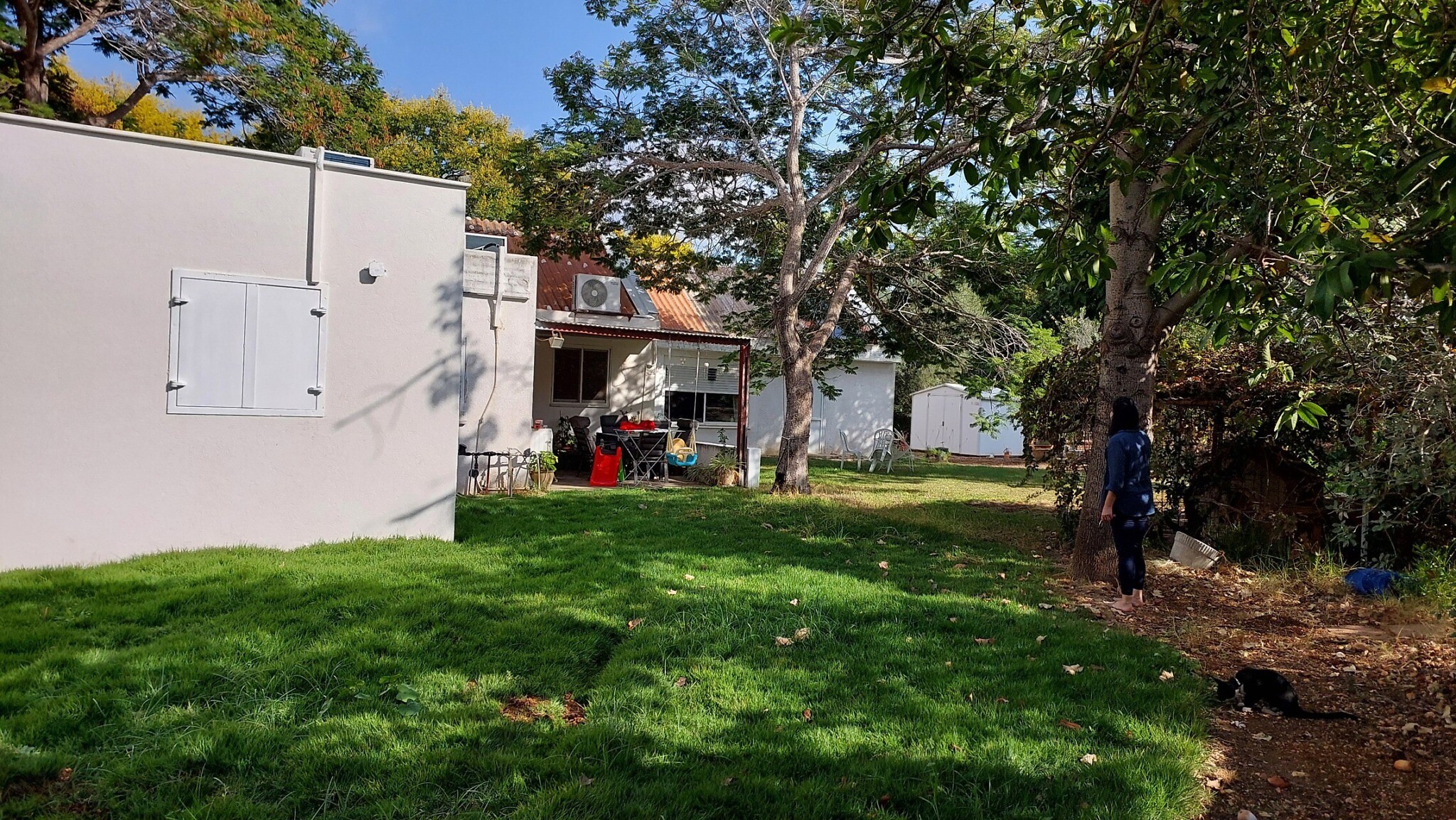
In a position paper submitted to the committee, Bezek proposed three ways to close the gap of thousands of missing fortified rooms in homes and kindergartens in the Eastern and Western Galilee. First, she stressed the need to extend the temporary exemption from permits for building fortified rooms, which is set to expire before the end of October.
More substantively, she suggested implementing a modular subsidy system for fortified rooms based on the distance from the border and warning time. For instance, a community located nine to 15 kilometers (5.6 to 9.3 miles) from the border would receive a 75% subsidy, while one 30 to 45 kilometers (18.6 to 28 miles) away would receive 55%, or just a VAT exemption for those even further away.
Another solution that could significantly increase fortification efforts is to allow the fortification of an existing room in a private home, which doesn’t require a permit — and unlike constructing an additional room, doesn’t involve destroying nearby infrastructure. This solution is effective against shrapnel but not direct hits, making it suitable for communities not adjacent to the border.
‘Afraid to return without a fortified room’
In private homes, building an additional fortified room requires damaging infrastructure and is much more expensive. However, currently, the state only allows the fortification of existing rooms in apartment buildings. Additionally, many people, including Bezek, believe the state should offer more favorable loan conditions and extend the terms more broadly.
Bezek, a resident of Yuvalim in the Misgav region between the Upper and Lower Galilee, notes that her office in Kiryat Shmona isn’t fortified, yet she still goes there part of the week.
“In every kibbutz in our council, between 10 and 20 private homes have built fortified rooms over the past few months at their own expense,” she says. “Evacuated residents are telling me they’re afraid to come back without proper fortifications. My 88-year-old mother, who lives in Kibbutz Dan, certainly wouldn’t make it to a shelter in zero seconds.”
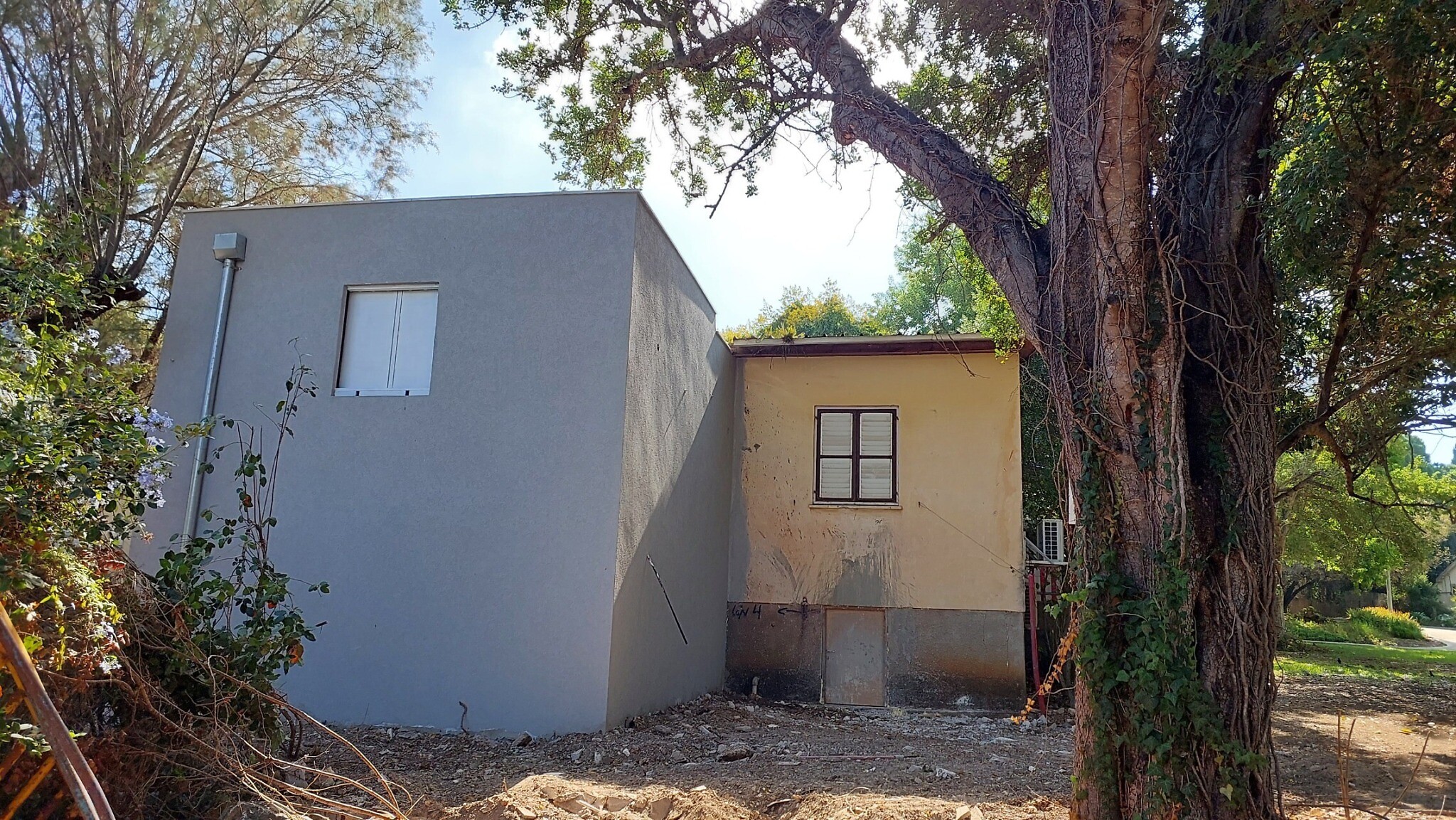
Bezek says that the fortification of public buildings in the north comes from residents’ property taxes — but those residents are evacuated and local businesses aren’t operating, and local municipalities have been suffering an enormous blow to their coffers.
She contrasts this with the south of the country, where fortification projects receive funding up to 20 kilometers (12.4 miles) away from the Gaza border, whereas for northern residents, that distance is a mere two kilometers (1.2 miles).
“But the missile is the same missile, whether it comes from Gaza or Lebanon,” she says.
“They did this because there was heavy rocket fire in the south — but now they’re realizing the number of rockets in the north is already greater,” Bezek says. “So at least match the conditions.”







The Times of Israel Community.