

In turnaround, Energy Ministry calls to relocate, not close, Haifa’s Iran-targeted Bazan oil refinery
Ministry says 30 months of war underline need for continuing local production of petroleum products rather than dependence on imports, world supply chains
 Add ToI as a Preferred Source on Google
Sue Surkes is The Times of Israel's environment reporter
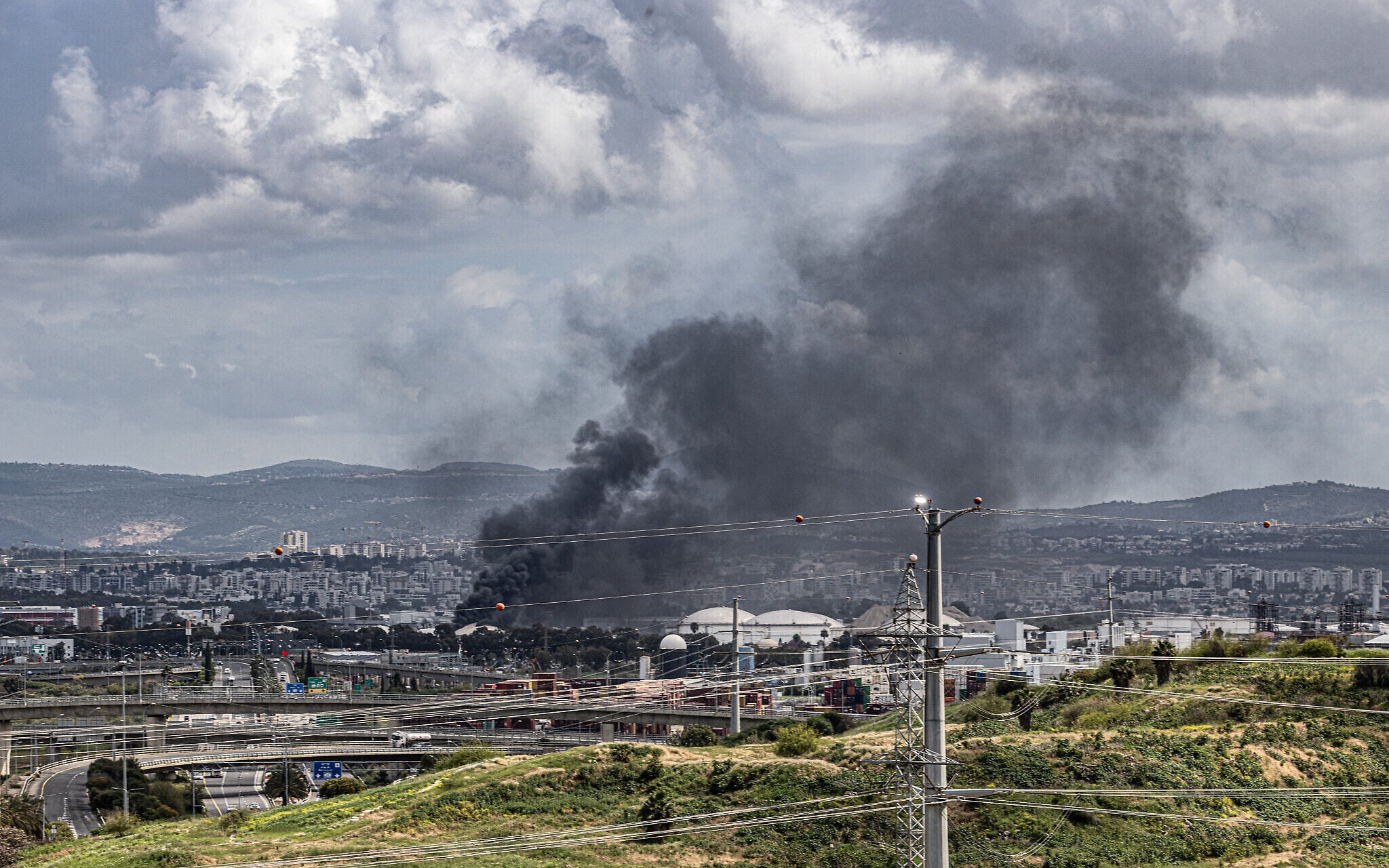
In a surprise move, the Energy Ministry is working to overturn a 2022 government decision to close the Bazan oil refinery in northern Haifa and instead aims to move the complex to southern Israel.
The refinery has proved to be a main target for Iranian missiles. Bazan was hit twice during each of the two recent military operations against Iran.During the 12-day war with Iran last year, all of Bazan’s facilities were temporarily shut down after an Iranian missile strike that killed three workers.
A draft for a revised government decision seen by The Times of Israel says that the importance of energy independence and preserving Israel’s ability to produce its own petrochemical products and not be reliant on imports has been underlined by 30 months of war.
An Energy Ministry spokesman confirmed the plan to move Bazan to the industrial and mining hub on the Rotem plain. Noting that the plain was far from residential areas, he said that relocating the complex would help the Haifa metropolis to develop, create quality jobs in the eastern Negev and optimally meet the needs of the energy sector.
The draft document makes no mention of costs. An analysis of four options for Bazan, carried out several years ago for the government by the international management consultancy McKinsey, recommended permanently closing the complex, saying that relocating it would represent a poor return on investment.

The draft document envisages a hybrid system that will combine local production with imports.
A second, smaller refinery is located in the southern city of Ashdod, and there are no plans to close it.
The draft says Israel must avoid relying on imports of strategic products and avoid risking supply chain delays.
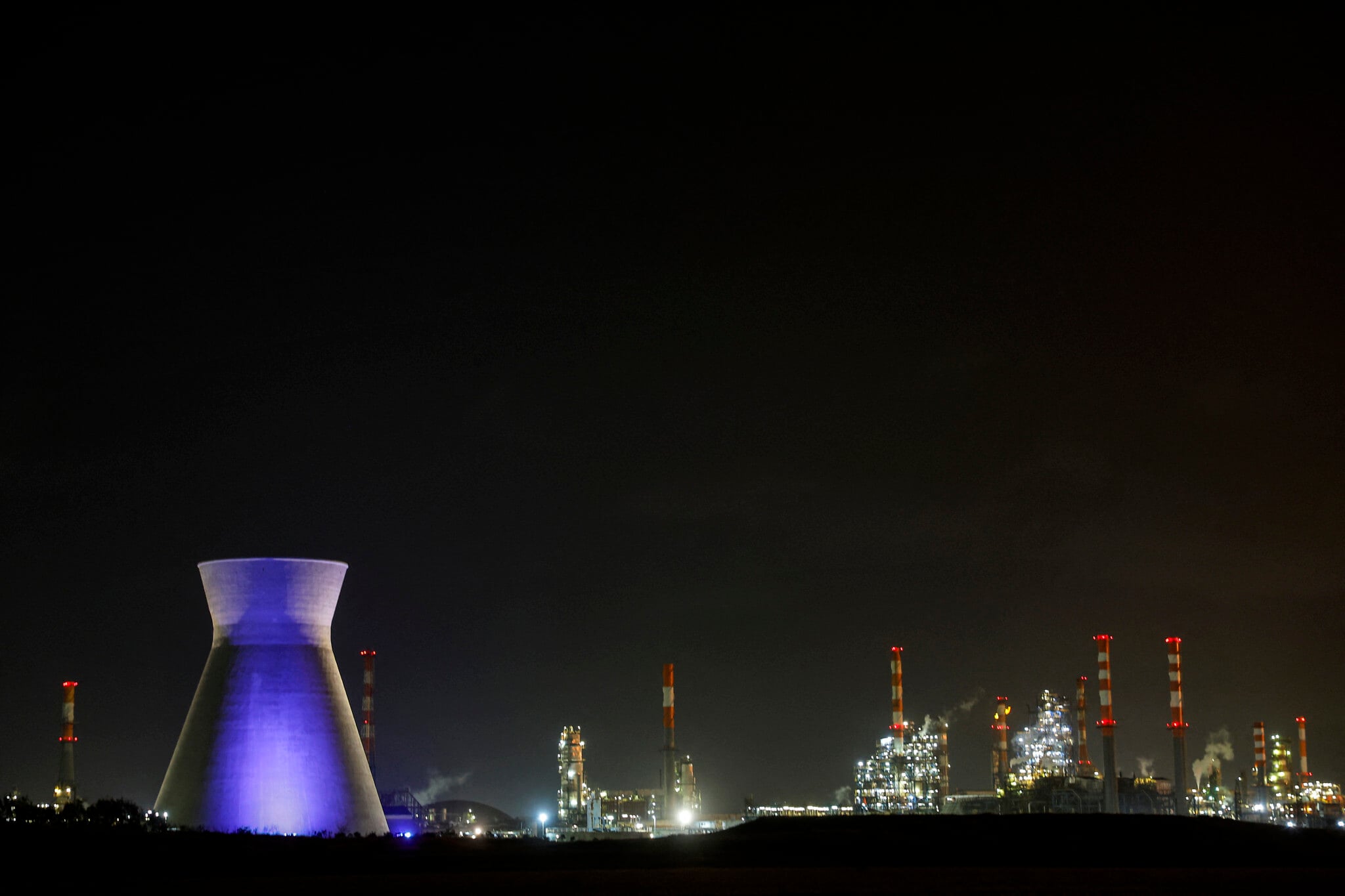
It goes on to note that many refineries are now producing cleaner products, such as sustainable aviation fuel, biodiesel for transportation and raw materials for renewable energy industries.
It calls on the Economy Ministry and the Israel Lands Authority to allocate land on the Rotem Plain without a tender and proposes that Bazan be authorized to submit a plan.
It continues that the Energy Ministry will work with other relevant bodies to analyze the infrastructure needed to bring oil from Israel’s ports to the new facility and to store and distribute petroleum products to end users.
The draft further calls for a compensation outline for Bazan to be produced within 180 days.
In 2018, the National Economic Council within the Prime Minister’s Office hired McKinsey to support interministerial discussions on the future of Bazan Group’s companies. It was tasked with examining the economic costs of moving Bazan, and specifically of considering the costs and benefits of four options: maintaining Bazan as it was, in the same location, in the Haifa Bay, northern Israel; partially shutting it down; shutting it down totally, according to various proposed timescales; or moving it to a non-urban location elsewhere in the country.
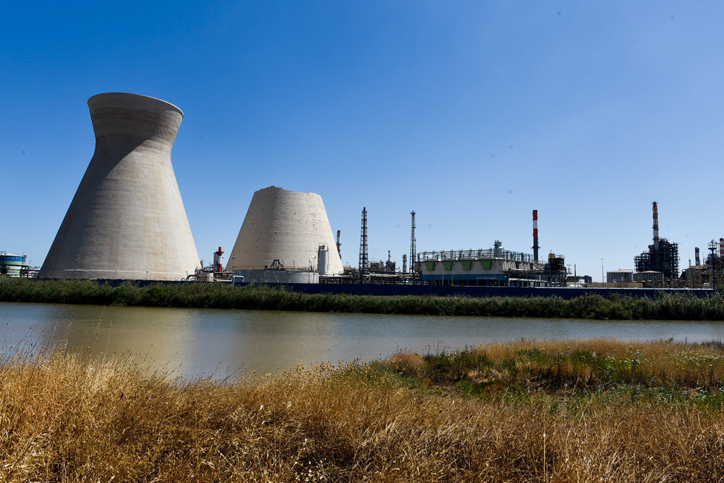
Recommending a total shutdown, the consultancy found that relocating Bazan would cost more than NIS 18 billion (then $5.2 billion) in direct costs alone to build new facilities and would take at least seven years, making the option economically unattractive.
Under years of pressure from Haifa-area residents and environmental groups angered by ongoing pollution, the government decided to shut down Bazan by 2029 or 2030 and to import and store petroleum products instead.
Plans are advancing to turn the Haifa Bay area into a green residential and light-industry hub. Earlier this week, the National Planning and Building Council approved locations for storing imported cooking gas in southern Neot Hovav and Ashdod.
The refinery’s owners, however, have been pushing back and trying to get planning authorities to approve expansion on the Haifa site.
Avihu Hahn, Chairman of the Haifa Bay Area Cities Association for Environmental Protection, and Deputy Mayor of Haifa, berated the proposal as “a disaster” that would keep Bazan operating in Haifa for longer than planned.










The Times of Israel Community.