

Interior Ministry seeks to exempt oil refinery hit by missiles from building permit
Haifa Municipality petitions High Court, says move lacks transparency and is being made over the heads of residents and elected authorities
 Add ToI as a Preferred Source on Google
Sue Surkes is The Times of Israel's environment reporter
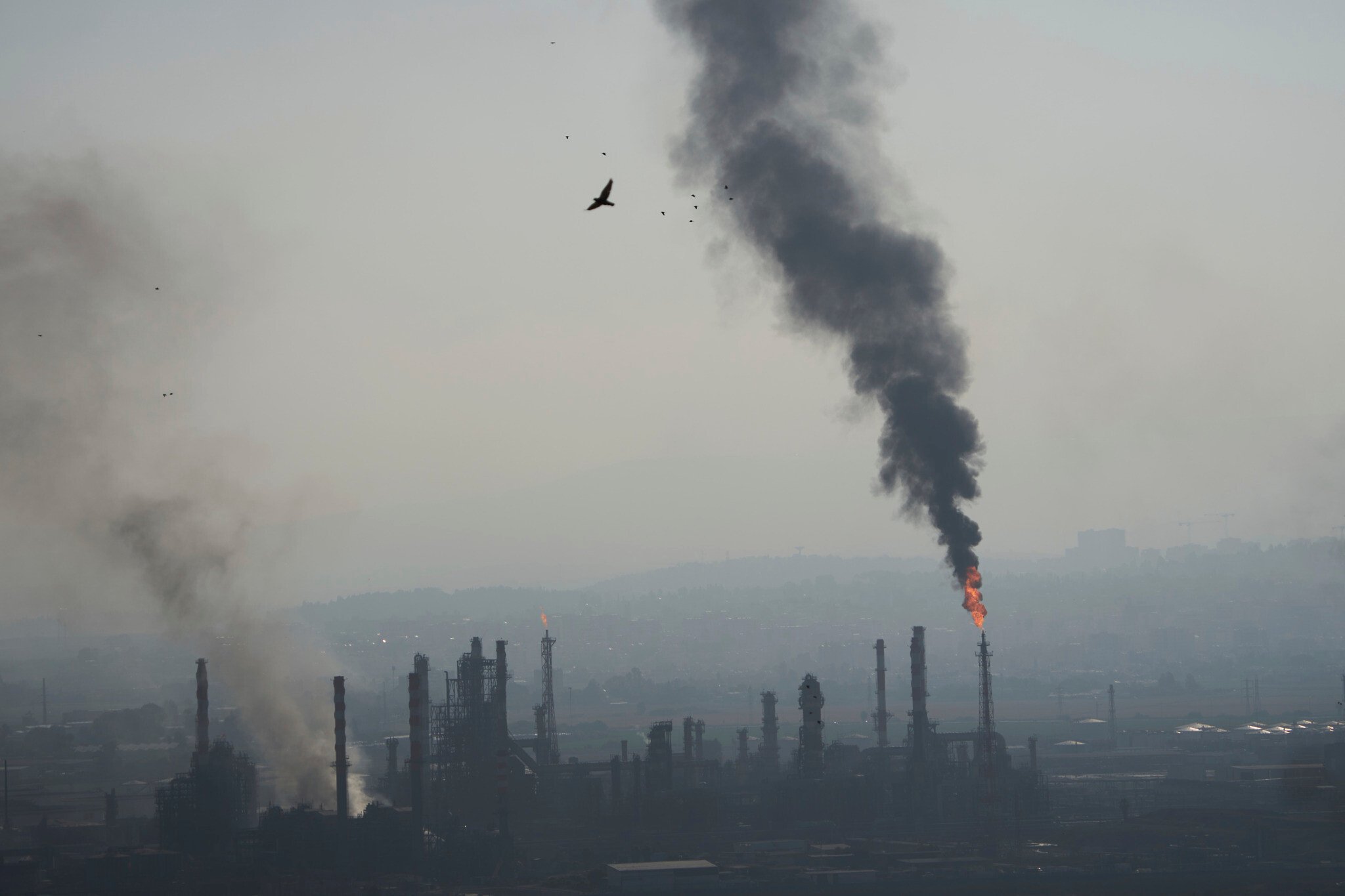
The Haifa Municipality petitioned the High Court on Tuesday to stop state planners from approving a draft Interior Ministry order to exempt the Bazan oil refineries in the northern city of Haifa from the need for a building permit to repair damage caused by an Iranian ballistic missile strike last month.
The ministry posted a draft order on its website on Monday evening for public comment. The National Planning and Building Council is scheduled to conduct a hearing on its approval on Wednesday at 2 p.m.
Avihu Han, the deputy Haifa mayor, said the move lacked transparency and was being implemented “over the heads of local authorities, the Environmental Protection Ministry, the Haifa Bay Cities Association for Environmental Protection and residents of the Haifa metropolitan area.”
“No building permit means no need for planning or supervision,” Han told the Times of Israel. “We don’t understand what [Bazan] wants to do there.”
Three years ago, the cabinet decided to shut down the refineries and related oil storage complex within a decade and instead to import the materials they produce, known as distillates. A Directorate for the Development of Haifa Bay was established within the Prime Minister’s Office to undertake this task and plan the transformation of Haifa Bay from a polluted industrial area into a green residential and tech hub.
Residents, environmental activists, and others have pressed for years to have the Bazan compound closed and the materials it produces imported, due to the heavy pollution it causes in Haifa and its surroundings; a reportedly high prevalence of cancer and asthma; and fears of a missile attack, which materialized during Israel’s 12-day war with Iran last month.

Two missiles hit the Bazan compound on June 15 and 16. Three workers were killed in a resulting fire, and pipelines and transition lines were damaged. The facility, which was closed for close to two weeks, partially reopened last month and is now undergoing repairs and aims to return to full operation by October.
In its foreword to this week’s draft order (in Hebrew), the Interior Ministry wrote that “significant damage was caused [by the Iranian attack] to essential facilities required for the refinery’s continued operation and production of its products, including the power plant responsible for generating electricity and steam used by the facilities in the complex, pipelines and operational infrastructure.”
It added: “The Haifa refinery is the largest refinery in the country, supplying approximately two-thirds of Israel’s fuel consumption. Therefore, its rapid restoration is required in order to supply essential products to the economy and to continue functional continuity.”
The ministry said the order, lasting three years, was proposed as “a temporary and urgent solution” given that completion of licensing procedures takes “a long time.”

Han, however, suggested that “granting an exemption from a building permit is the most aggressive tool in the Planning and Building Law. In the current case, it is being used based on a claim that was proven wrong during the war [against Iran], according to which the restoration of Bazan is the key to the continuity of the energy sector.”
The Haifa Municipality’s legal action seeks to reveal what Bazan’s plans are for the facility and what alternatives are on the table, Han said.
“I don’t think it’s right for the state [through property tax compensation] to invest huge sums in a factory that is supposed to close,” he added. “The war made clear that the factory is a security danger and needs to reduce its activity and close.”
Israel’s only other oil refinery is located in the southern coastal city of Ashdod.








The Times of Israel Community.