

Investors bet on Israeli resilience: Wartime stock market is world’s fastest growing
And even with conflict still raging in the Gaza Strip and an economy saddled with war debt, the shekel is at recent highs against the euro and dollar

 Add ToI as a Preferred Source on Google
Sharon Wrobel is a tech reporter for The Times of Israel
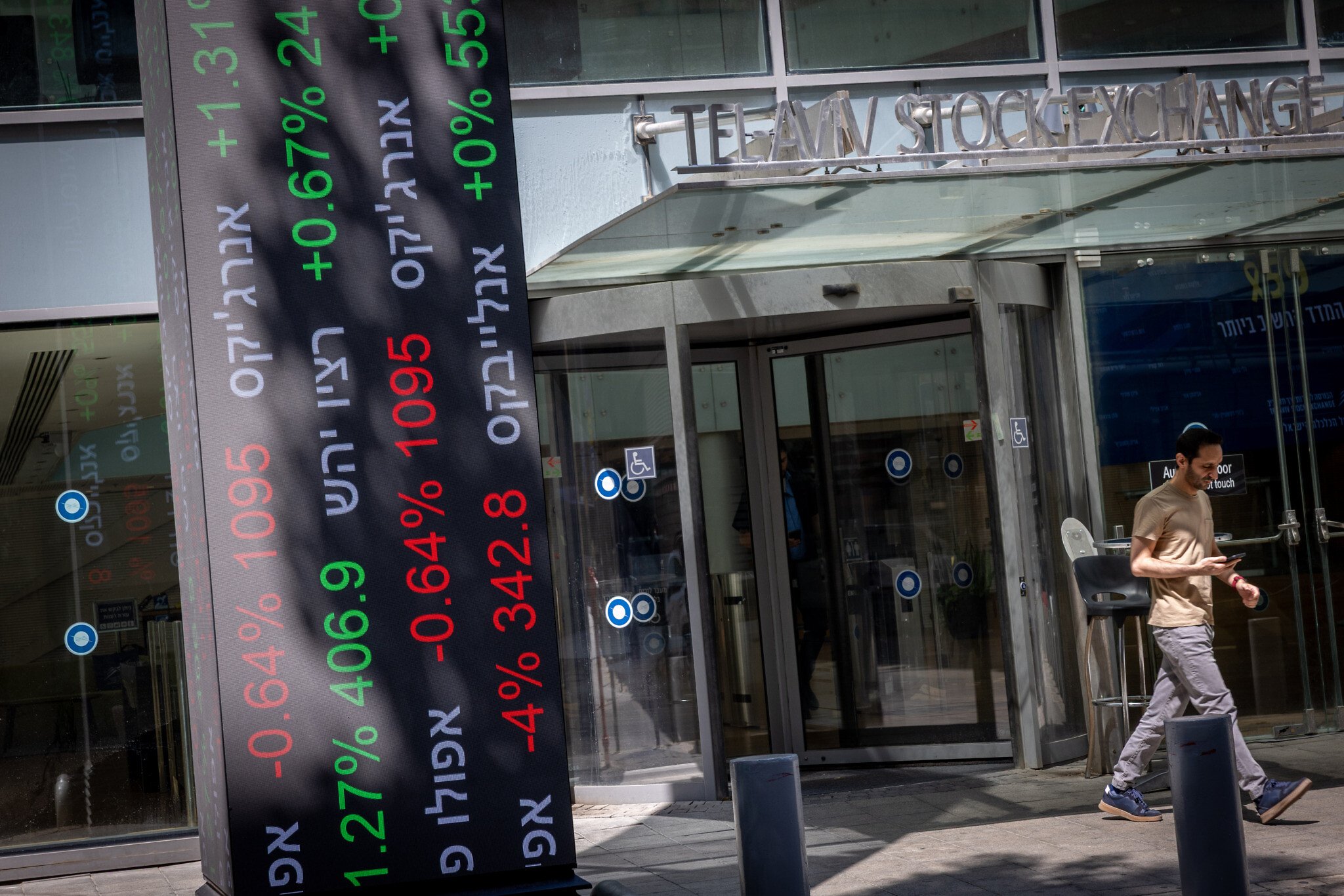
Defying all odds, Israel’s stock market has broken records this year amid raging multifront wars, outperforming the world’s major stock indexes in a display that is nothing short of dazzling. Similarly, the shekel has strengthened against both the dollar and the euro despite an economy strained by ballooning war costs and a growing debt burden.
For more than 21 months since the barbaric Hamas-led invasion of southern Israel on October 7, 2023, the military has been embroiled in Gaza in the longest and most intense war in its history. This has placed an unprecedented burden on the standing army as well as the IDF’s stalwart reservists, who have left their families and jobs for weeks and months on end.
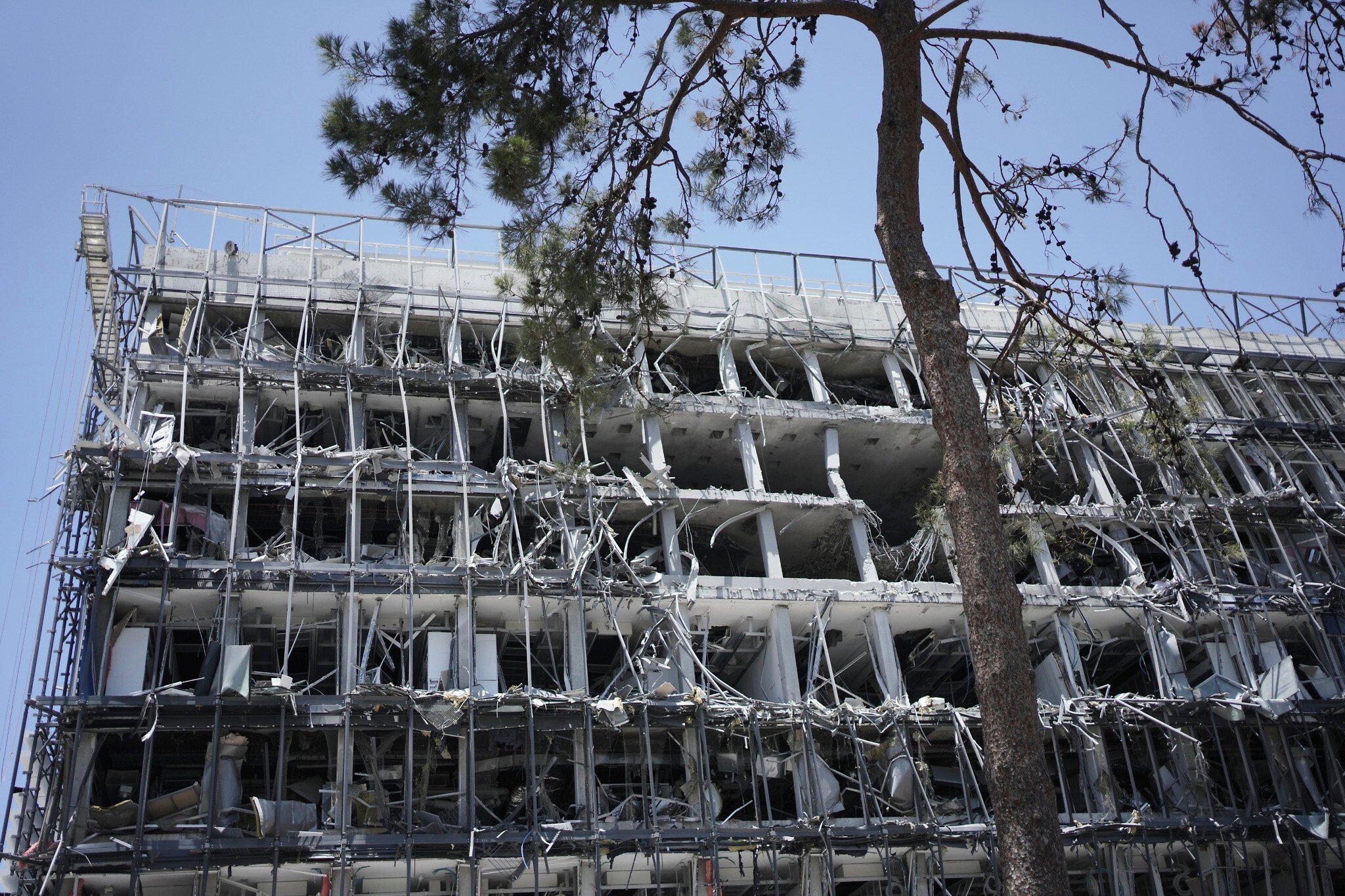
Israel has faced barrages of ballistic missiles, its citizens have spent much of the year dashing to bomb shelters, and its airspace has been repeatedly shut. Last month, during the 12-day war with Iran, 29 people were killed, over 2,000 homes were destroyed or damaged, buildings including a hospital were smashed, and some 13,000 people were displaced.
Meanwhile, the north is only beginning to recover from conflict with Hezbollah, residents of the Gaza envelope are still unable to fully return home, and the Houthis are still firing missiles from Yemen.
So where is the bullishness coming from?
During a prolonged war, one might expect a large outflow of funds sending local financial markets into a dip. But even during the campaign against Iran last month, local and foreign investors flocked to Israeli markets to buy shares and the local currency.
Squashing the Iranian threat

Analysts and economists who spoke with The Times of Israel attributed the stock market high to investors betting that Israel’s military achievements against Iran’s nuclear program — alongside the already weakened Iranian proxies in Lebanon, Syria and Gaza — will reduce risks to Israel’s security and economy.
The results of the Israel-Iran war have also stirred hopes for a reshaped Middle East and potentially a new era of economic peace and prosperity in the region, opening the door to long-sought opportunities with Israel’s neighbors.
“Israel is facing war costs, be it additional defense spending and reconstruction, but investors are looking through that at the big picture and at what has been achieved: a successful war operation against Iran, which was always Israel’s main geopolitical and existential risk and a threat to its economy,” Jonathan Katz, a macroeconomist at Leader Capital Markets, told The Times of Israel.
For decades, the Iranian threat was a cloud looming over Israel’s economic horizon, cited as a major geopolitical threat by local and global investor reports, international credit rating agencies, and country forecasts.
The Israel-Iran war “is seen by financial markets as a game-changer,” said Katz. He pointed to Israel’s success in steadily paring down its threats since the end of 2024, including the containment of Hezbollah in Lebanon and preventative strikes in Syria following the fall of the Assad regime.
Hezbollah, once Tehran’s strongest proxy, was severely weakened by Israel over more than a year of conflict since October 8, 2023, that ended in a ceasefire in November 2024.
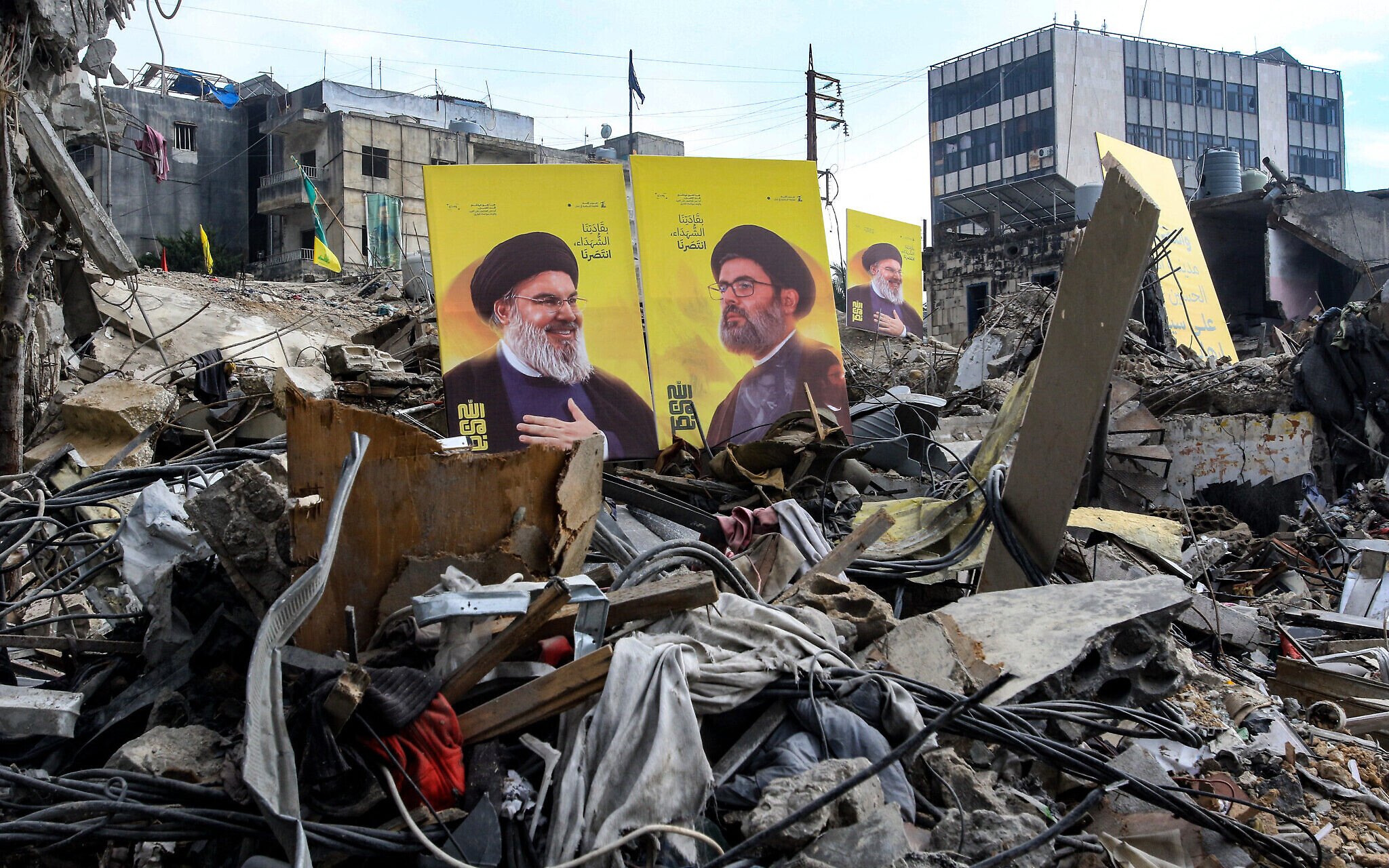
Katz observed that investor optimism that was stirred by the targeted strikes last year that eliminated most of the Hezbollah leadership, including its leader Hassan Nasrallah, and reasserted Israel’s military primacy got another boost following Israel’s campaign against Iran in June.
After significant strikes against nuclear, military and regime targets, the fighting ended with a ceasefire on June 24. During the 12 days of the military campaign, the shekel strengthened about 8% and hit a two-year high against the dollar.
Ignoring the Gaza elephant in the room
Israel is still grappling with the ongoing war against Hamas in Gaza, so the prospect of an improved security landscape appears counterintuitive. However, that optimistic assessment has been the underlying force behind a steady influx of hundreds of millions of shekels into investment vehicles that track local main stock indexes, according to the Tel Aviv Stock Exchange (TASE).
Already in 2024, the TASE was the world’s fastest-rising stock market — after taking a big plunge at the outbreak of war in October 2023. Israel’s main stock indexes rebounded, soaring almost 30% in dollar terms in 2024.
Last year’s local rally trumped other global giants, including the 25% increase in the S&P 500 and the 15% gain in the Dow Jones Industrial Average in the United States, as well as the 19% advance in the MSCI World Index and the 7.8% rise in the UK’s FTSE-100 Index.

This year, the TASE’s benchmark TA-125 index has continued to gain, jumping 34.6%, and the TA-35 index of blue-chip companies rose 33.6%, putting them among the world’s top five performers.
The TA-90 index is the best performer this year among stock indexes in the US and Europe, soaring about 36%. It tracks the shares with the highest capitalization not included in the TA-35 index.
“The rally in the local stock market reflects the belief that Israel’s geopolitical situation is better today than it was before [the outbreak of war with Hamas on] October 7, 2023, and that geopolitical threats have been reduced significantly on all fronts whether it is opposite Iran or on the northern front,” said Yaniv Pagot, vice president of trading at the TASE.

Pagot noted that local institutional investors and market players, managing billions of shekels in the public’s savings and pension funds, are diverting investments to the Israeli stock market after almost two years of staying away.
In the first six months of 2025, Israeli retail investors channeled about NIS 8.2 billion ($2.45 billion) into the stock market, more than twice the inflow of NIS 3.5 billion ($1.04 billion) in the second half of 2024, according to TASE data. That’s after local funds were shifted to financial markets abroad in 2023, mainly to the US, amid growing fears over the government’s efforts to weaken the judiciary and fire gatekeepers.
Foreign residents invested about NIS 9.6 billion ($2.86 billion) in the Israeli market in the first half of 2025, up from the NIS 3.9 billion ($1.16 billion) recorded in the second half of 2024.
“Large financial institutions see this as a good time to shift out of US equities, with all the risks and the volatility and the trade war, to come back and increase their exposure to Israel,” said Katz.
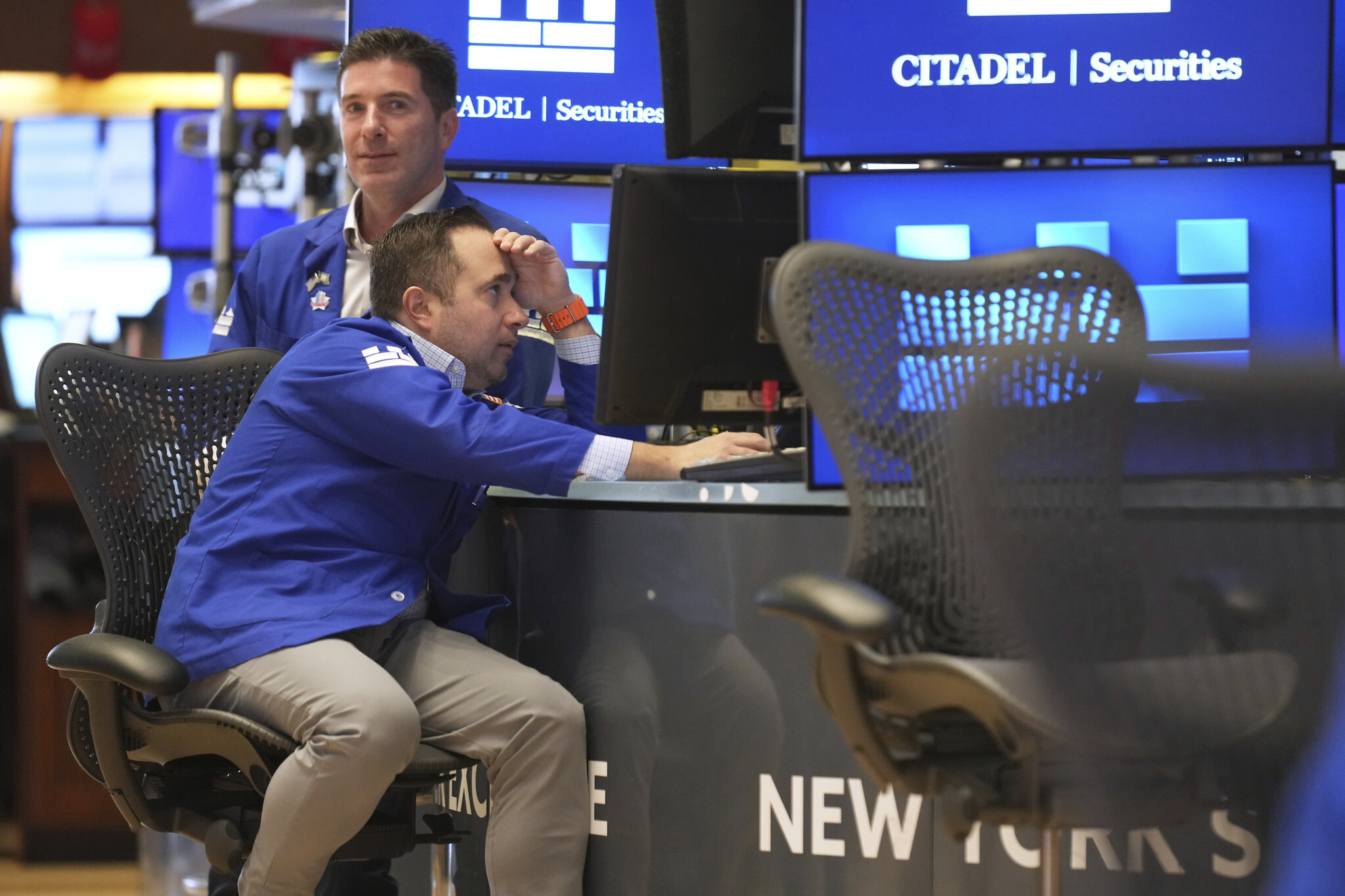
Israeli and foreign investors have been buying shares of banks, which have recorded record profits benefiting from a high-interest rate environment and are seen as a mirror of the economy. Other sectors attracting investor demand are insurance, construction, and infrastructure companies, as well as airlines and retail firms.
Both Pagot and Katz emphasized that the market’s reaction also reflects confidence in the local economy’s ability to rebuild and recover fairly quickly, as it did after previous shocks, including shorter wars with Hamas. But this 21-month-long conflict has created a bigger strain, including the cost of rebuilding, compensating families of victims and reserve soldiers, and huge military spending.
However, with discussions of a potential ceasefire with a weakened Hamas terror group underway, and the threat of further escalation with Iran and its proxies dampened, investors see the risk of prolonged war damages and costs contained.
“Markets are still pricing in a fairly high probability that a ceasefire will be reached in Gaza, and are looking at the end of hostilities with all the suffering and tragedy, and with Israel coming out geopolitically ahead in the region — and that has been fueling local financial markets,” said Katz.
“Past escalations saw Israel recover fairly quickly by bringing government debt and the deficit down, which is also supporting inflows into the stock market and currency by local and global investors,” he said.
Soaring markets, but a negative outlook
Earlier this month, global rating agency Moody’s maintained a negative outlook on Israel’s country rating, leaving the door open for further rating cuts, as it warned of heightened “geopolitical and security risks.” A lower rating raises credit costs for government, businesses, and households.
The rating agency raised serious concerns that the economic implications of the campaign against Iran “could be more severe than is currently assessed.”
Moody’s projected that Israel’s economy will grow by 2% in 2025 and by 4.5% in 2026. The forecast is lower than the revised projection by the Bank of Israel for GDP growth of 3.3% in 2025 and 4.6% in 2026.
In September, the rating agency cut Israel’s credit score by two levels from A2 to Baa1, citing the “diminished quality of Israel’s institutions and governance” in their ability to manage state finances, as well as increased spending needs during the war period.
Looking toward the day after
Israel’s economy bounced back at the start of 2024, following a 20.8% contraction in the last quarter of 2023 as the outbreak of war with Hamas sharply curtailed consumer spending, trade, and investment. Last year, the economy grew by around 1%, down from 1.8% in 2023 and 6.3% in 2022, before the hostilities.
“Financial markets are optimistic and forward-looking to beyond the war and the day after, with Israel showing a fairly resilient economy which is growing and a people’s willingness to live, which is reflected in continued private consumption, innovation, entrepreneurship, and investments, especially in the high-tech industry,” said Pagot.
Investment in the Israeli tech market hit a three-year high in the first six months of this year, as funding difficulties hampering the local industry during last year’s more intense fighting on multiple fronts started to recede in late 2024.
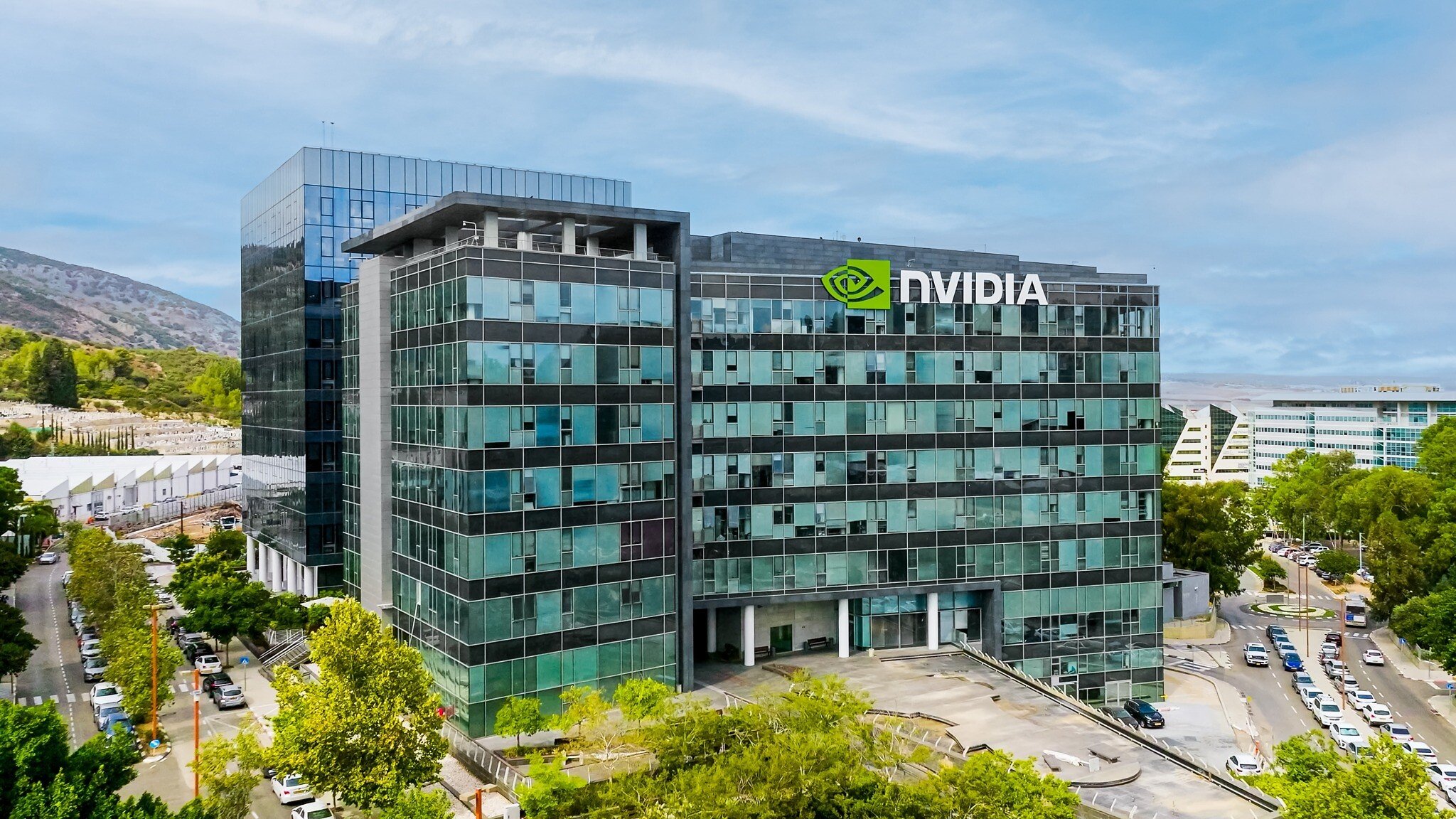
The growth in tech investment is crucial to rejuvenating Israel’s economy as the tech industry contributes about 20% of local GDP, versus less than 10% in the US and about 6% in the EU. The Israeli economy likewise relies on high-tech products and exports, which make up about 50% of total exports, as well as taxes from the high-tech sector.
There is also growing investor optimism, according to Pagot and Katz, that a ceasefire with Hamas will open the door to new opportunities and a more stable security and economic order in the Middle East.
“There’s a lot of potential good news that hasn’t yet happened but is already priced in by financial markets, including a Gaza ceasefire and expansion of Abraham Accords to Saudi Arabia and other neighboring countries,” said Katz. “If that doesn’t materialize and negotiations over a ceasefire come to a halt and the war gets stuck in the mud and drags on, we could see a deterioration and a potential retracement for the market.”
Times of Israel staff contributed to this report.









The Times of Israel Community.