

Iran freezing exchange of messages with US over Israeli attacks in Lebanon – Tasnim
Report says Tehran and its allies have decided to completely block the Strait of Hormuz and activate other fronts, as Iranian FM warns strikes on Hezbollah violate truce
 Add ToI as a Preferred Source on Google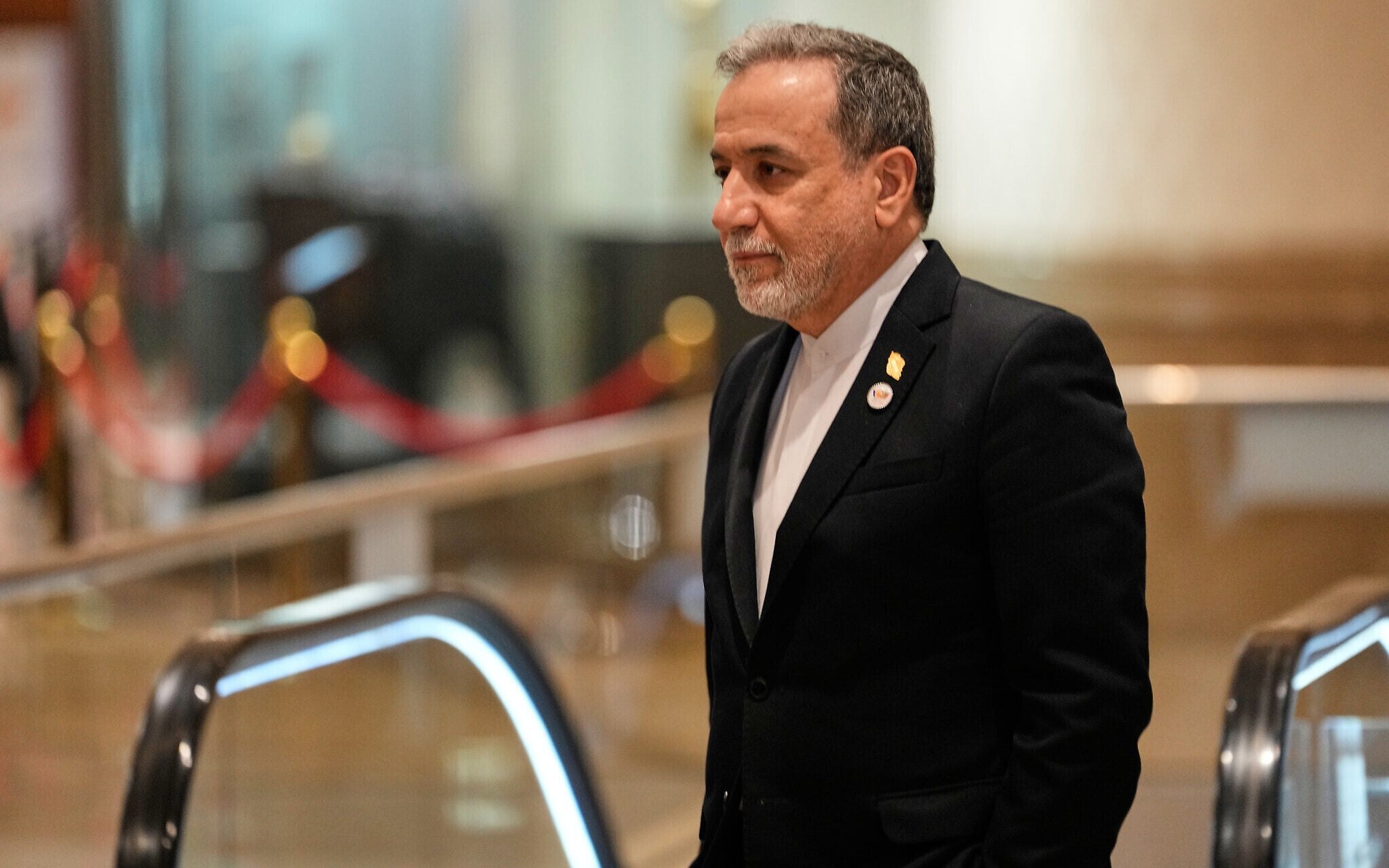
Iran’s Tasnim news agency said on Monday that Tehran’s negotiating team is stopping the exchange of messages with the United States through mediators due to Israel’s attacks in Lebanon, as diplomatic efforts to end the three-month-old Iran war continued.
The agency said Iran and the Resistance Front, which includes its Shiite allies in Yemen, Lebanon and Iraq, have set an agenda to completely block the Strait of Hormuz and activate other fronts, including the Bab El Mandeb Strait, to “punish” Israel and its supporters.
If the Houthis, Iran’s allies in Yemen, open a new front in the conflict, one obvious target would be the Bab El Mandeb Strait off the coast of Yemen, a key shipping chokepoint and narrow passageway that controls sea traffic toward the Suez Canal.
“The ceasefire between Iran and the US is unequivocally a ceasefire on all fronts, including in Lebanon. Its violation on one front is a violation of the ceasefire on all fronts,” Iranian Foreign Minister Abbas Araghchi said on X on Monday, referring to Israeli operations in Lebanon.
“The immediate cessation of the Zionist regime’s aggressive and brutal army operations in Gaza and Lebanon and the necessity of the regime’s complete withdrawal from the occupied areas in Lebanon have been emphasized by Iranian officials and negotiators, and there will be no talks until Iran and the resistance’s views on this matter are met,” Tasnim added.
Hezbollah began attacking Israel on March 2, days after the US and Israel launched a joint air campaign against Iran.
Iran Halts Indirect Talks With U.S. Over Lebanon and Gaza Ceasefire Violations – Tasnim News
Iranian negotiation team to stop dialogue and text exchanges through intermediaries
Move follows alleged violations of ceasefire conditions, including in Lebanon
Iranian officials… https://t.co/cCCe2JmVLM
— FinancialJuice (@financialjuice) June 1, 2026
When a ceasefire between Iran and the US took place on April 8, Israel also halted its strikes, but military confrontations have continued in Lebanon despite Tehran’s insistence that it should be covered by the truce.
Israel had largely refrained from attacking Beirut amid the escalating tensions with the Iran-backed Hezbollah at the behest of the Trump administration as it tried to reach a more permanent ceasefire deal with Iran. But on Monday, Israel announced it would do so amid a surge in deadly Hezbollah missile and drone attacks on soldiers and northern communities.
Fourteen IDF soldiers and one Defense Ministry civilian contractor have been killed by Hezbollah attacks in southern Lebanon during the porous ceasefire that began on April 16. The IDF has said it has killed over 900 Hezbollah operatives in that time.
The UN Security Council is set to hold an emergency meeting on Monday after the Israel Defense Forces reissued a wide-scale evacuation warning for all of southern Lebanon on Sunday and captured the historic Beaufort Castle and the surrounding strategic ridge.
Echoing Araghchi, Iran’s chief negotiator, Mohammad Bagher Ghalibaf, said the US naval blockade of Iran’s ports since April 13, and the escalation in Lebanon, were “clear evidence of US non-compliance with the ceasefire.”
“Every choice has a price and the bill comes due,” Ghalibaf said in a post on X.
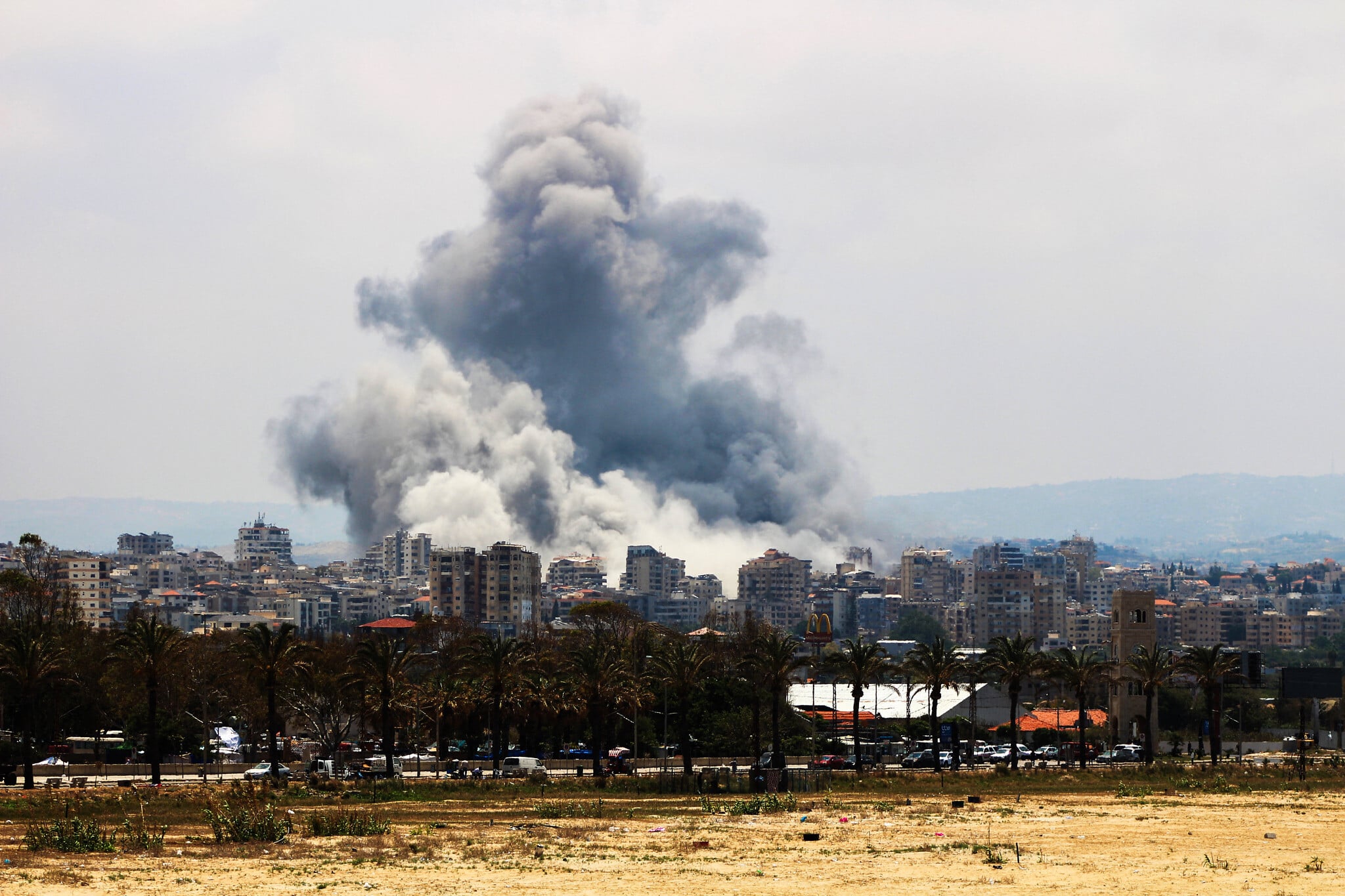
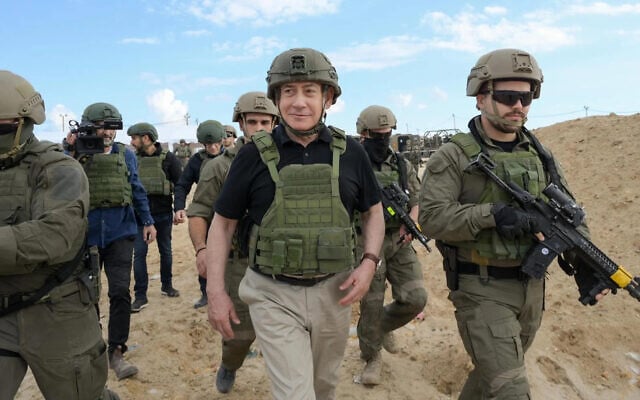
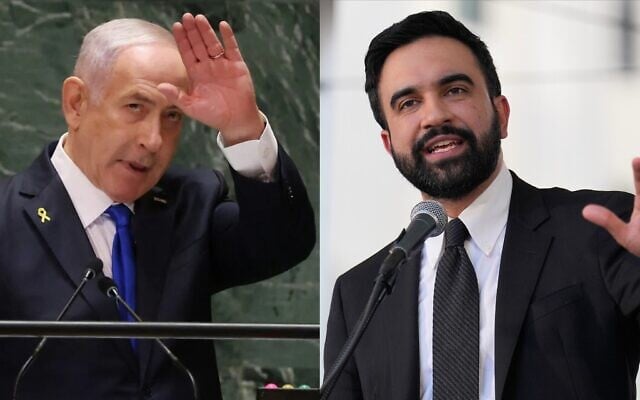
Prime Minister Benjamin Netanyahu and Defense Minister Israel Katz said that they had instructed the IDF to strike Hezbollah targets in Beirut’s southern suburbs.
“Following the repeated violations of the ceasefire in Lebanon by the Hezbollah terror organization and the attacks against our cities and citizens, Prime Minister Benjamin Netanyahu and Defense Minister Israel Katz instructed the IDF to strike terror targets in the Dahiyeh quarter of Beirut,” they said in a joint statement.
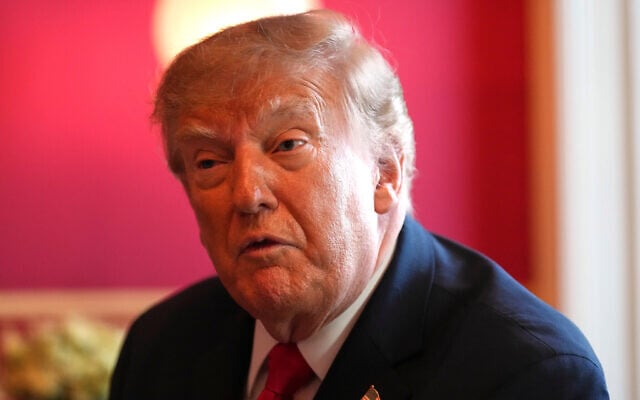
Reports had earlier said Israel was lobbying the US to grant permission to resume massive strikes on the terror group’s stronghold, and that an American official had hinted that such a green light could be forthcoming. Israel has been striking Beirut, but only sporadically and in specific circumstances.
Reports also said Monday morning that Hezbollah had rejected a new US proposal for de-escalation in Lebanon that would have required the terror group to halt fire first, followed by Israel.
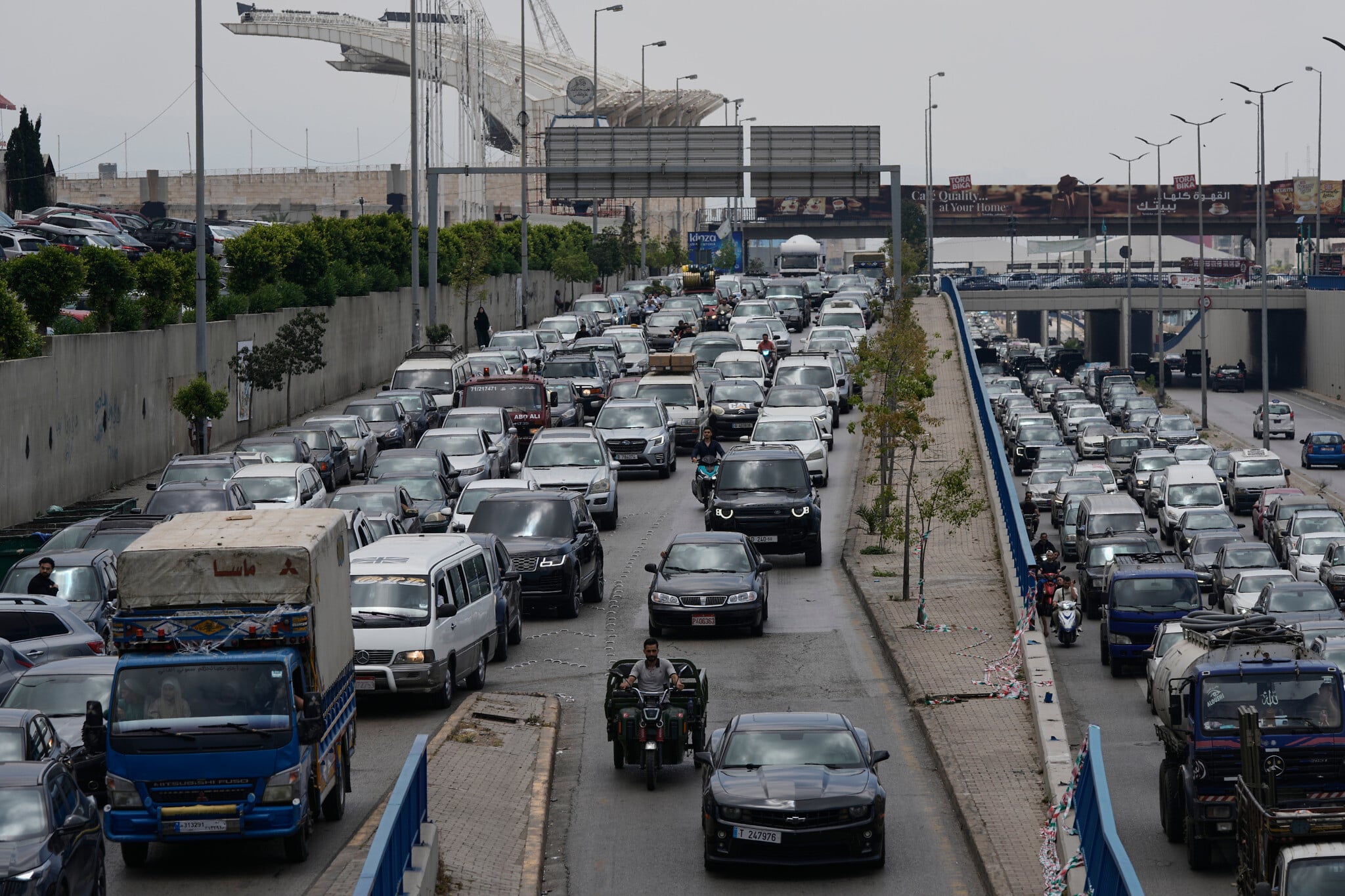
Meanwhile, landmark direct talks between Israel and the Lebanese government for a potential peace deal were set to continue this week. Several rounds of US-hosted talks have so far failed to reach an agreement.
Israel and the US launched their campaign against Iran on February 28 in a bid to destabilize the regime and destroy its nuclear and ballistic missile capacities. Iran responded with missile and drone strikes across the region, and its proxies in Iraq and Lebanon have also carried out attacks, with Israel launching massive airstrikes in Lebanon in response to the Hezbollah terror group’s rocket barrages.
Iran also blocked the Strait of Hormuz, a vital sea passage for about a fifth of the world’s oil supplies. In response, the US blockaded Iranian ports to prevent the Islamic State from shipping oil.
Mediated talks between the US and Iran have continued, as have sporadic exchanges of fire between the two.






The Times of Israel Community.