

Iran to begin restricting water use in Tehran as drought reaches critical levels
President Pezeshkian warns of rationing and potential evacuation of capital city if no rain falls soon, with Tehran’s reservoirs said to only hold supply for some two weeks
 Add ToI as a Preferred Source on Google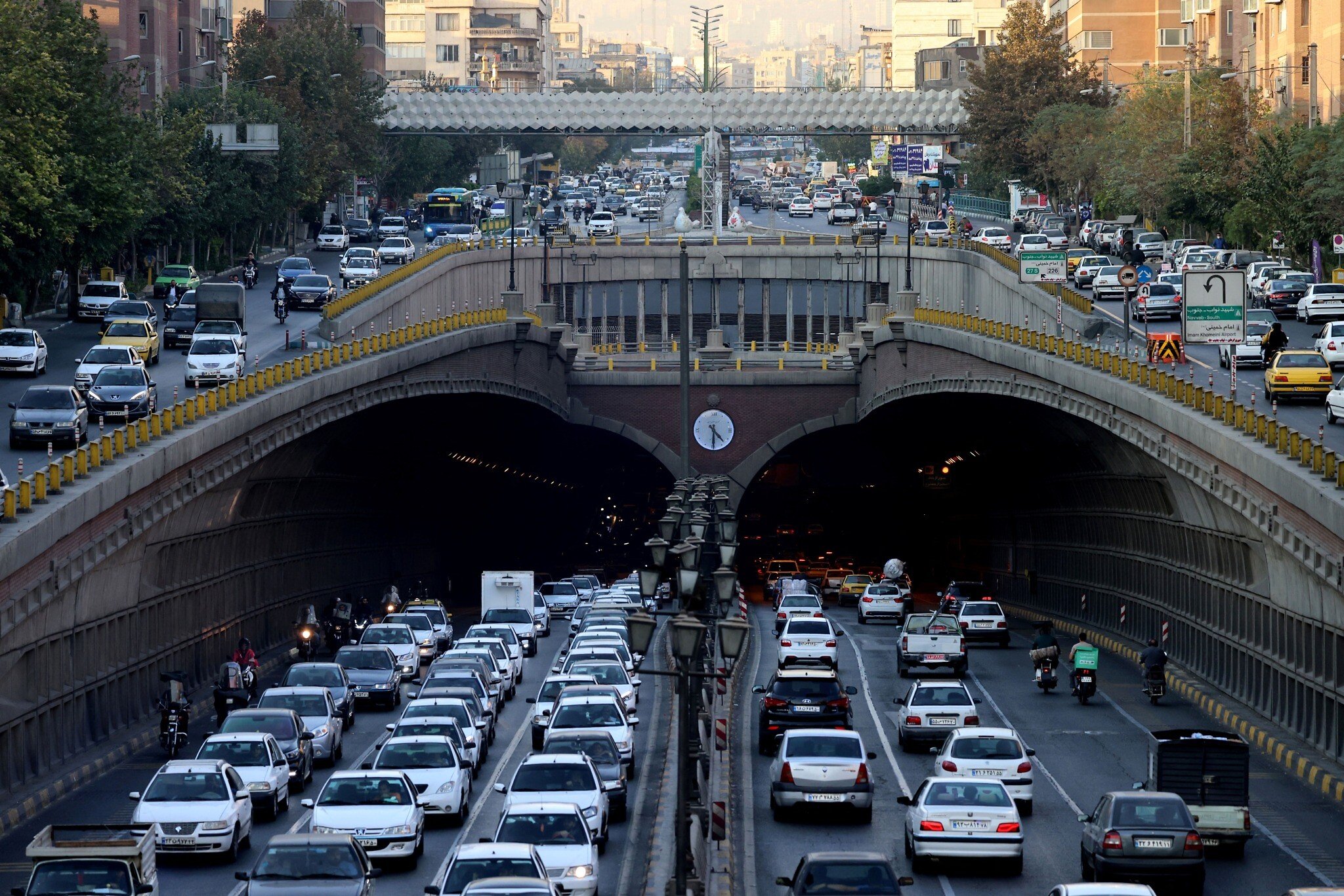
Iran was laying plans on Saturday to cut off water supplies periodically to Tehran’s 10-million-strong population as it battles its worst drought in many decades.
Rainfall in the capital has this year been at its lowest level in a century, according to local officials, and half of Iran’s provinces have not seen a drop in months.
Now, to save water, the government is planning water cuts in Tehran — and several local news outlets have already reported pipes running dry overnight in some areas.
“This will help avoid waste even though it may cause inconvenience,” Iran’s Energy Minister Abbas Ali Abadi said on state television.
In a speech broadcast on Friday, Iran’s President Masoud Pezeshkian had warned that Tehran might have to be evacuated if no rain falls before the end of the year.
“If it doesn’t rain in Tehran by late November, we’ll have to ration water. And if it still doesn’t rain, we’ll have to evacuate Tehran,” Pezeshkian was cited as saying a day earlier.
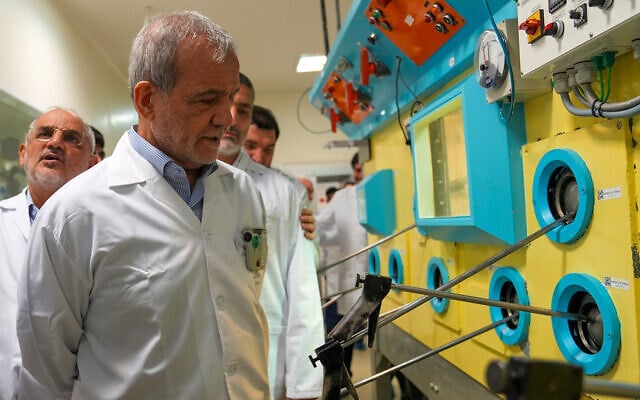
However, the president gave no details about how such a vast operation would be conducted.
Tehran nestles on the southern slopes of the Alborz mountains and has hot dry summers usually relieved by autumn rains and winter snowfall, though no such precipitation has come yet this season.
Reservoirs run dry
Tehran is by far the country’s biggest city and its inhabitants use three million cubic meters of water per day, according to local media.
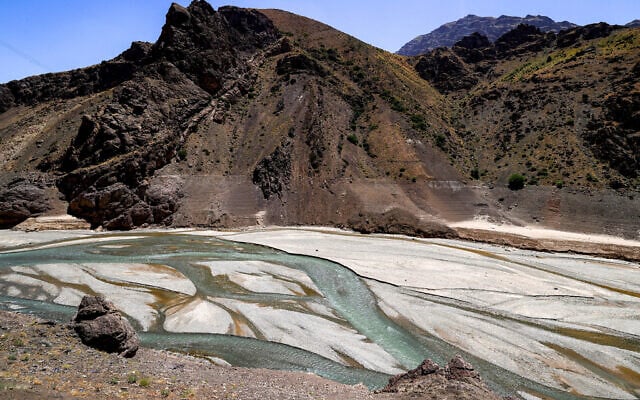
The main Amir Kabir dam on the Karaj river, one of five reservoirs serving the capital, is running dry and holds only 14 million cubic meters, according to Behzad Parsa, director general of the Tehran water company, cited by the official news agency IRNA.
During the same period last year, the reservoir held 86 million cubic meters, he added, but now it only has enough to maintain supplies to the Tehran region for less than two weeks.
????????Satellite images show that Iran Tehran’s water reservoirs have lost more than 19.4 square kilometers of water since 2020.
Landsat data (2020-2025) highlights the severe impact of Iran’s ongoing water shortage crisis. pic.twitter.com/7DPBRRJFXt
— Authentic World Updates (@authworldnews) November 8, 2025
On Saturday, state television broadcast images of several dams, serving the central city of Isfahan and Tabriz in the northwest, showing significantly lower water levels compared to previous years.
Hassan Hosseini, the deputy Iran’s second-largest city Mashhad, told the IRNA agency on Thursday that night-time water cuts were being considered to address the water shortage.
And over the summer in July and August, two public holidays were declared in Tehran to save water and energy, at a time when power outages were almost daily during the intense heatwave.
Systemic issues
Iran’s energy system remains highly dependent on hydropower and fossil fuels, while solar and wind together make up only a small share of total capacity. Sanctions, investor skepticism, and decades of underinvestment have stalled diversification efforts.
Experts say the link between water availability and electricity generation has become increasingly evident, as hydropower output drops and thermal plants struggle with cooling shortages.
Critics also fault long-standing policies that placed water-hungry industries — including steel, cement and petrochemicals — in some of the country’s driest regions.
Lawmaker Reza Sepahvand said such “wrong policies” diverted rivers to inland factories that should have been built on the coast. Iran’s National Water and Spatial Planning organization now urges relocating those industries to coastal zones that could use desalinated water.
Meanwhile, agriculture still consumes about 80 percent of Iran’s freshwater, much of it through inefficient irrigation for thirsty crops in arid areas.
“We must modernize,” Agriculture Ministry official Gholamreza Gol Mohammadi warned in August, saying outdated practices are draining aquifers and worsening power outages as pumping systems fail.
The ecological toll continues to grow, dust storms increasingly blanket major cities, and the northwest, Lake Urmia — once one of the world’s largest saltwater lakes — has now effectively dried up, leaving behind vast salt flats and worsening dust storms that threaten nearby cities.









The Times of Israel Community.