

Israel-Lebanon talks kick off in Rome despite fierce Hezbollah opposition
As negotiators discuss pilot zones, borders and Iran-backed terror group’s disarmament, Naim Qassem condemns the process as ‘humiliation,’ drawing rebuke from Beirut
 Add ToI as a Preferred Source on Google
Lebanon and Israel held a fresh round of US-sponsored talks in Rome on Tuesday, with Beirut seeking Israel’s phased withdrawal from the country’s south, even as the Hezbollah terror group denounced the negotiations as a “humiliation” for Beirut.
Convoys carrying delegations from the two countries arrived at the US embassy in the Italian capital in the morning, where discussions were scheduled to run until Thursday. The Israeli delegation included officials from the Israel Defense Forces, The Times of Israel learned.
At negotiations in Washington in June, Israel and Lebanon agreed to a framework deal that involves the disarmament of Hezbollah, a gradual withdrawal of Israeli forces from Lebanon’s south and the deployment of the Lebanese army to the region, starting in test areas known as “pilot zones.”
This week’s negotiations mark the seventh round of Washington-mediated talks since Hezbollah drew Lebanon into the Middle East war in March with rocket fire at Israel in support of its backer Iran.
Israel responded with heavy airstrikes and a ground invasion that Lebanon says have killed more than 4,300 people. The Lebanese figures do not differentiate between civilians and combatants.
Hezbollah condemns talks, Lebanon fires back
Hezbollah leader Naim Qassem on Tuesday slammed the talks and said that the direct negotiations would bring Lebanon “nothing but shame, humiliation, and successive compromises.”
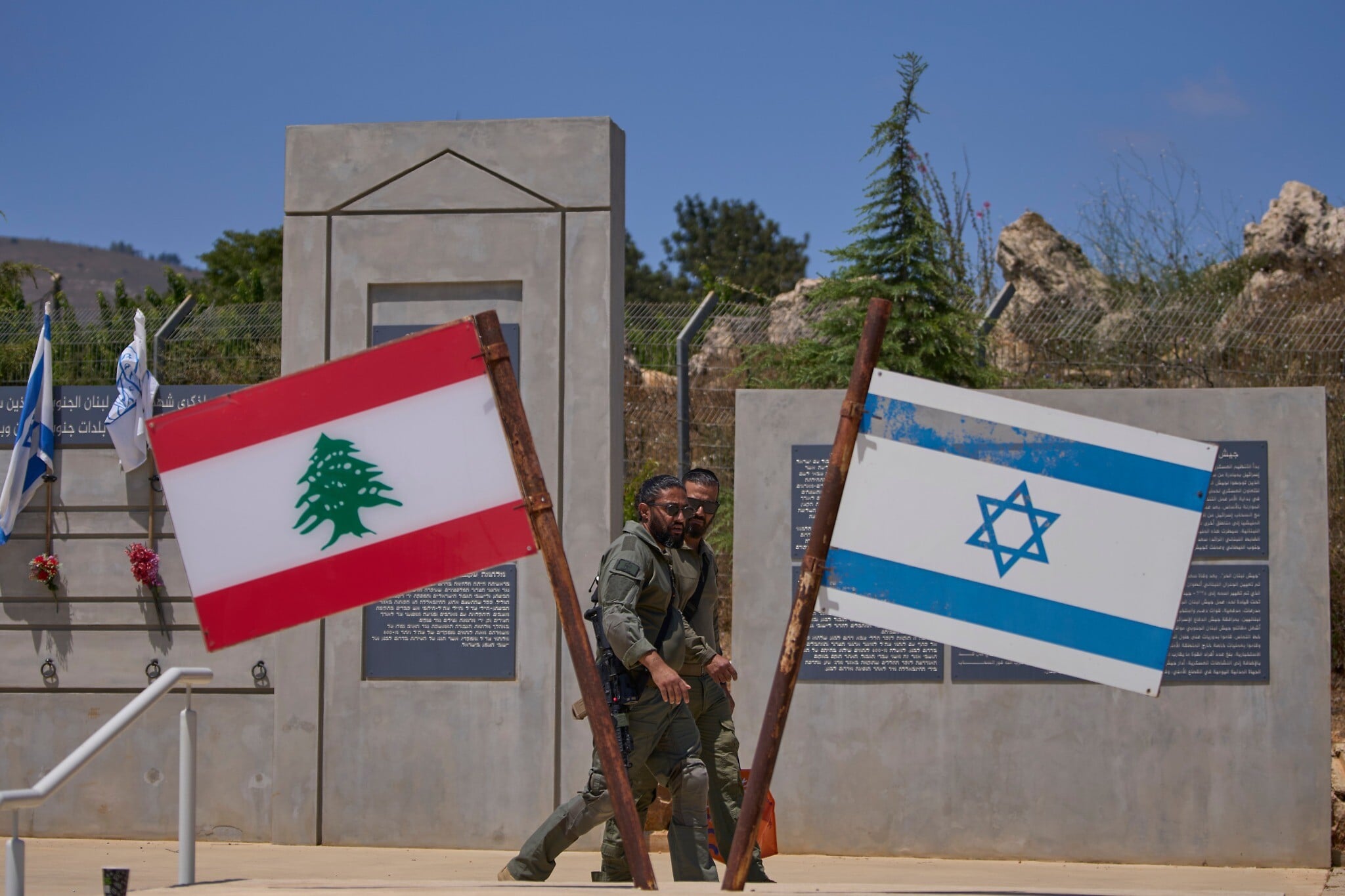
In a televised address, he also criticized Lebanon’s President Joseph Aoun, saying he “has not acted as an arbiter, nor as a unifying figure, but has become biased and divisive, which is incompatible with his role and with Lebanon’s strength.”
Hours later, Lebanese Prime Minister Nawaf Salam fired back, saying Hezbollah had dragged the country into war.
Without mentioning the Iran-backed terror group by name, Salam wrote on X that “the greatest support for Israel was provided by the one who distinguished himself by dragging Lebanon into futile war adventures, giving it pretexts to commit aggressions against our country, trample its sovereignty, destroy its cities and villages, kill its sons, and displace them by the hundreds of thousands.”
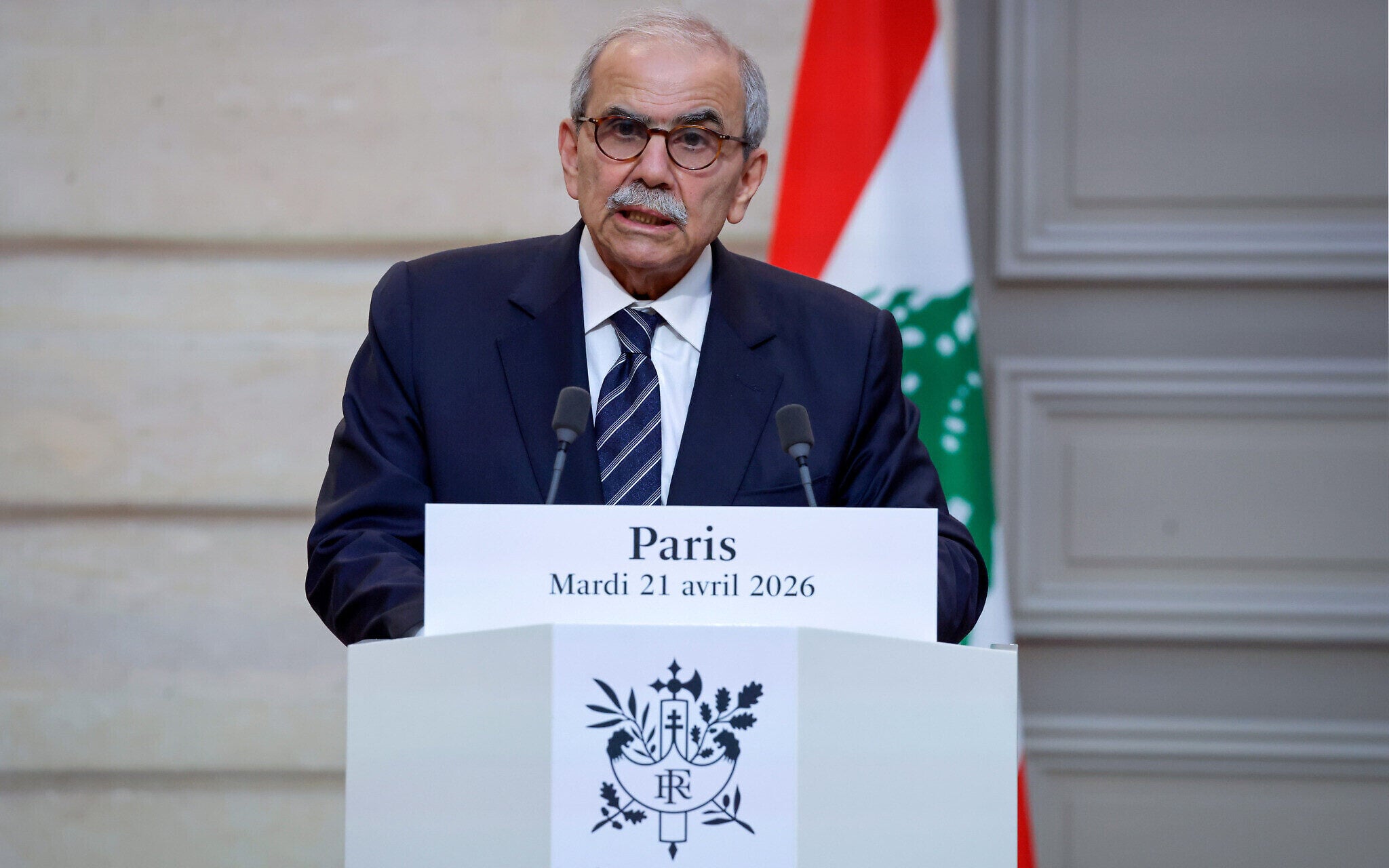
He said that the ones who “tie Lebanon to external calculations and axes… have no right to hand out certificates in patriotism, let alone in sovereignty.”
Salam called for “a state with one army that extends its authority over all its territories solely by its own forces.”
Pilot zones take center stage
Israel’s aim in this round of talks with Lebanon was to “continue the positive momentum by establishing working groups on six issues,” an Israeli official told The Times of Israel.
The working groups would be tasked with addressing maritime and land borders; evaluating the pilot zones where the Lebanese army has replaced the IDF; disarming Hezbollah; stopping the flow of Iranian money into Lebanon; and stepping up reconstruction efforts in southern Lebanon.
Meanwhile, Salam told a cabinet meeting on Monday that Lebanon was pursuing “efforts towards successive Israeli withdrawals from Lebanese territory, leading to a full withdrawal.”
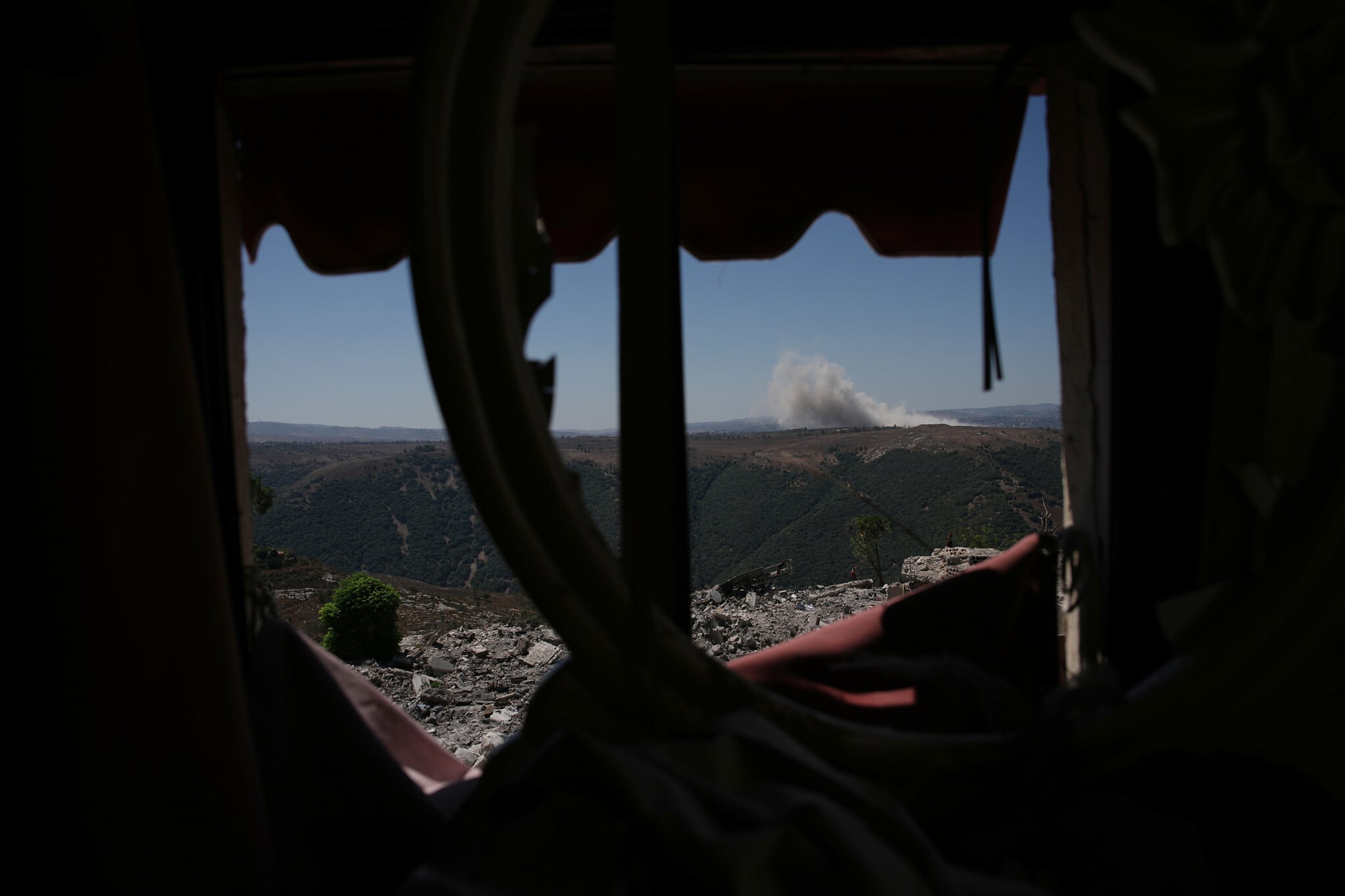
A US State Department official had told AFP that this week’s discussions would “include expanding the pilot zone process, resolving all outstanding border issues, and working on a comprehensive peace and security agreement.”
On Monday, US Ambassador to Lebanon Michel Issa warned that “moving too quickly risks jeopardizing the very civilians this process is meant to protect.”
“It is better to take the time needed to get this right the first time. Doing so will allow subsequent pilot zones to move forward more efficiently,” Issa said.
“Both sides must agree on a clear, workable process before proceeding.”
The IDF withdrew from the first pilot zone last month, handing control of the southern Lebanese town of Zawtar al-Gharbiyeh to the Lebanese army.
The Lebanese army’s deployment is a major test, with experts expressing doubt over the authorities’ ability to disarm Hezbollah — which opposes the Israel deal and refuses to surrender its weapons — and prevent further non-state military activity.
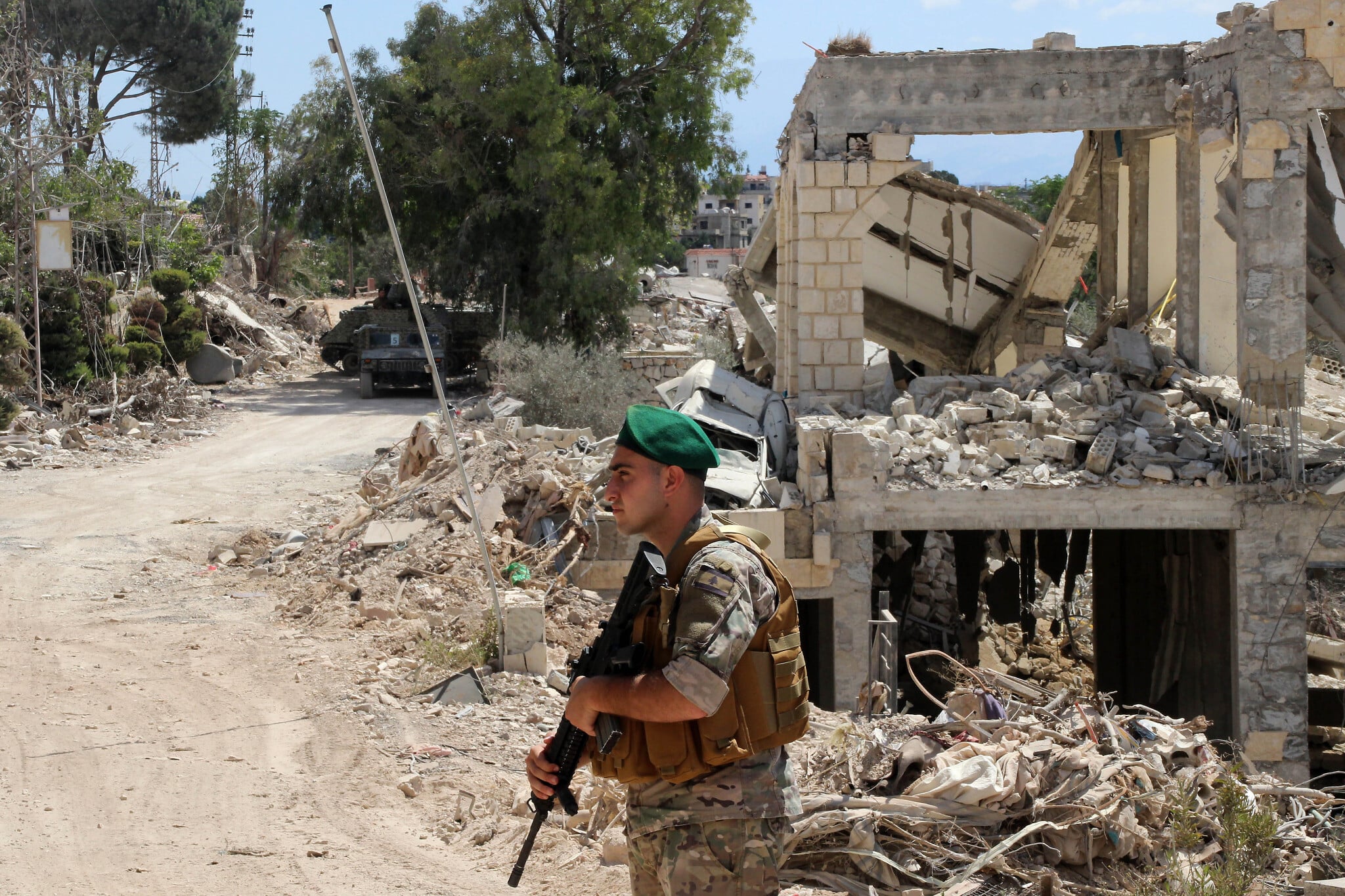
Shortly before Tuesday’s talks began, the Lebanese army released photos of weapons it intercepted along the Syrian border. The relatively rare publication of operations against weapons destined for Hezbollah was likely meant to show that the Lebanese Armed Forces (LAF) are taking their disarming mission seriously, thereby increasing pressure on Israel to continue withdrawing from pilot zones in southern Lebanon.
The LAF said that it seized 122mm Grad rockets that had been smuggled from Syria, as well as the pickup used by the two smugglers.
“Search and raid operations were also carried out against the remaining members of the network, resulting in the seizure of war munitions and military equipment,” the LAF said.
بتاريخ ٤ / ٨ / ٢٠٢٦، نتيجة المتابعة الأمنية لعمليات التهريب عبر الحدود الشمالية والشرقية، ضبطت وحدة من الجيش في جرد عرسال صواريخ غراد ١٢٢ ملم جرى تهريبها من الأراضي السورية إلى الأراضي اللبنانية، إضافة إلى آلية بيك أب كانت تُستخدم لنقلها، وأوقفت المواطنَين (ع.ح.) و(م.و.)، وهُما… pic.twitter.com/lmWrM9R4h4
— الجيش اللبناني (@LebarmyOfficial) August 4, 2026
Observers say Israel’s commitment to withdraw will also be tested when pilot zones are selected in areas fully under its occupation.
Violence in Lebanon has decreased since the Lebanon-Israel deal and the signing in June of a preliminary US-Iran agreement on the Middle East conflict.
But Lebanon continues to report intermittent Israeli strikes and shelling, as well as detonations and demolitions in southern villages.
Israel says it has hit Hezbollah forces that endangered troops and continues to destroy Hezbollah fortifications, bunkers and tunnel complexes in areas under IDF control.









The Times of Israel Community.