

Israeli researchers uncover key to why breast cancer spreads to brain and turns deadly
Tel Aviv University scientists say abnormal chromosomes help breast cancer to metastasize to the brain; study could help develop drugs and aid in early detection, treatment
 Add ToI as a Preferred Source on Google
Reporter at The Times of Israel
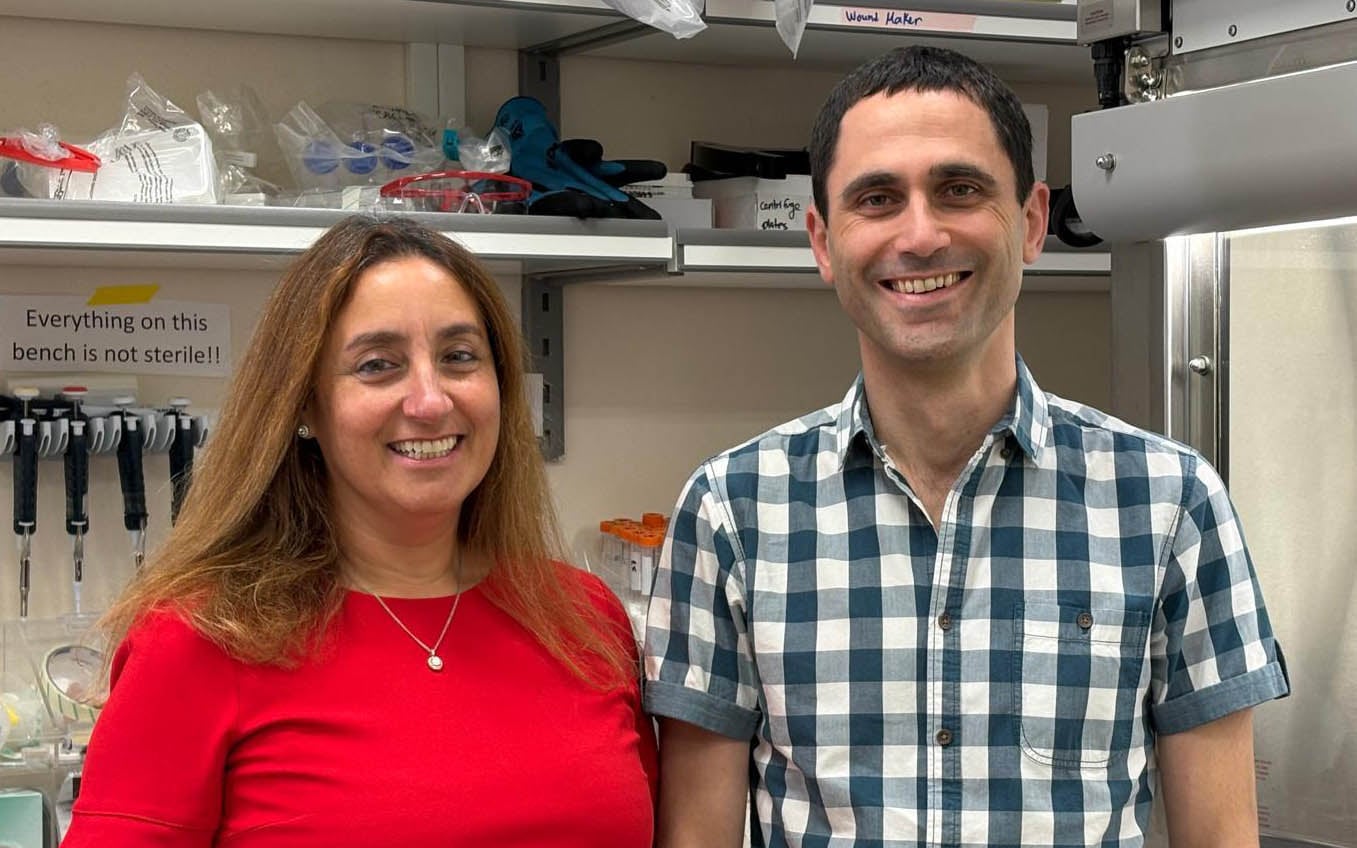
About five years ago, two Tel Aviv University researchers met to discuss what happens when breast cancer spreads to the brain and forms lethal tumors.
The results of that meeting inspired 43 researchers in 14 laboratories across six countries to team up on a groundbreaking study in which they discovered a key mechanism that enables breast cancer to turn deadly by spreading to the brain and destroying healthy brain cells.
The scientists’ peer-reviewed findings, recently published in the scientific journal Nature Genetics, could help in the development of new drugs and aid in the early detection and treatment of breast cancer that metastasizes to the brain.
The research was led by Prof. Uri Ben-David and Prof. Ronit Satchi-Fainaro at Tel Aviv’s Gray Faculty of Medical and Health Sciences and their researchers, Dr. Kathrin Laue and Dr. Sabina Pozzi, and scientists from the United States, Italy, Germany, Poland, and Australia.
“This study is novel and potentially revolutionizing,” Prof. Stefano Santaguida, a professor of molecular biology at the University of Milan and group leader at the European Institute of Oncology, told The Times of Israel. Santaguida was not involved in the study.
The scientists analyzed data from tumors of breast cancer patients, experiments in cultured cancer cells, 3D cancer models, and functional experiments in mice.
In a video call with The Times of Israel, Satchi-Fainaro and Ben-David spoke about their collaboration and how it evolved.
First, Ben-David said it is still unclear why patients with breast cancer end up with tumor cells in specific organs, such as the brain, liver, lungs, or bones.
“This is a very important and open question,” Ben-David said. “Most cancer-related deaths are not caused by the primary tumor but by its metastases to vital organs. Among these, brain metastases are some of the deadliest and most difficult to treat.”
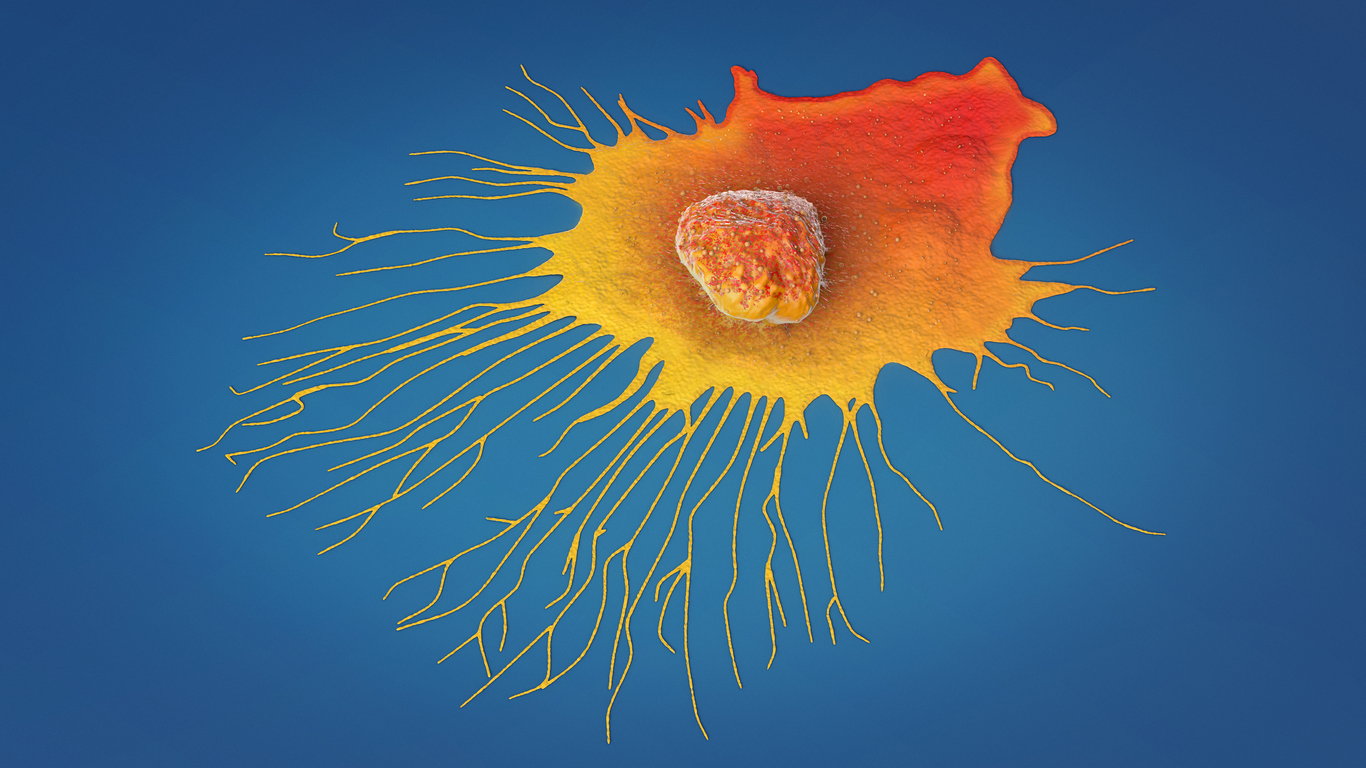
“My lab works on tumor-host interactions, meaning how cancer cells, once they reach the brain, interact and then exploit brain cells for their own use,” Satchi-Fainaro said.
Ben-David said that his lab studies the phenomenon of aneuploidy, considered a hallmark of cancer, when there are “massive changes in the chromosomes.”
“Almost all the tumors have an incorrect number of chromosomes,” Ben-David explained.
Although this “intriguing” phenomenon has been known for over a century, Ben-David said, “there hasn’t been much knowledge about how it actually promotes the development and progression of cancer until relatively recently.”
The researchers said their project, supported in part by grants from the Israel Science Foundation and the European Research Council, was initiated by the question of whether there was an association between changes in chromosomes and metastasis, when primary tumors send cells to different organs.

When cancer spreads, it becomes deadly
Many people assume cancer is deadly because of the original tumor, Satchi-Fainaro said. However, in many cases, the real danger comes when cancer cells break away from the original tumor and metastasize, spreading to other parts of the body. When metastases form in vital organs like the brain, treatment becomes much harder, and survival rates drop sharply.
Brain metastases are harder to treat than tumors in other parts of the body because the brain is protected by a blood-brain barrier, a protective wall around the brain’s blood vessels.
The barrier blocks harmful substances such as germs and toxins from entering the brain via the bloodstream, but it also blocks many medicines, including some cancer drugs.
For years, scientists have struggled to explain why some breast cancers metastasize to the brain while others do not.
Cancer spreader: Chromosome 17
Every human cell contains DNA, which carries instructions for building and maintaining the body. Within the DNA are chromosomes.
Ben-David explained that humans usually have 46 chromosomes, but aneuploidy causes cells to have an abnormal number.
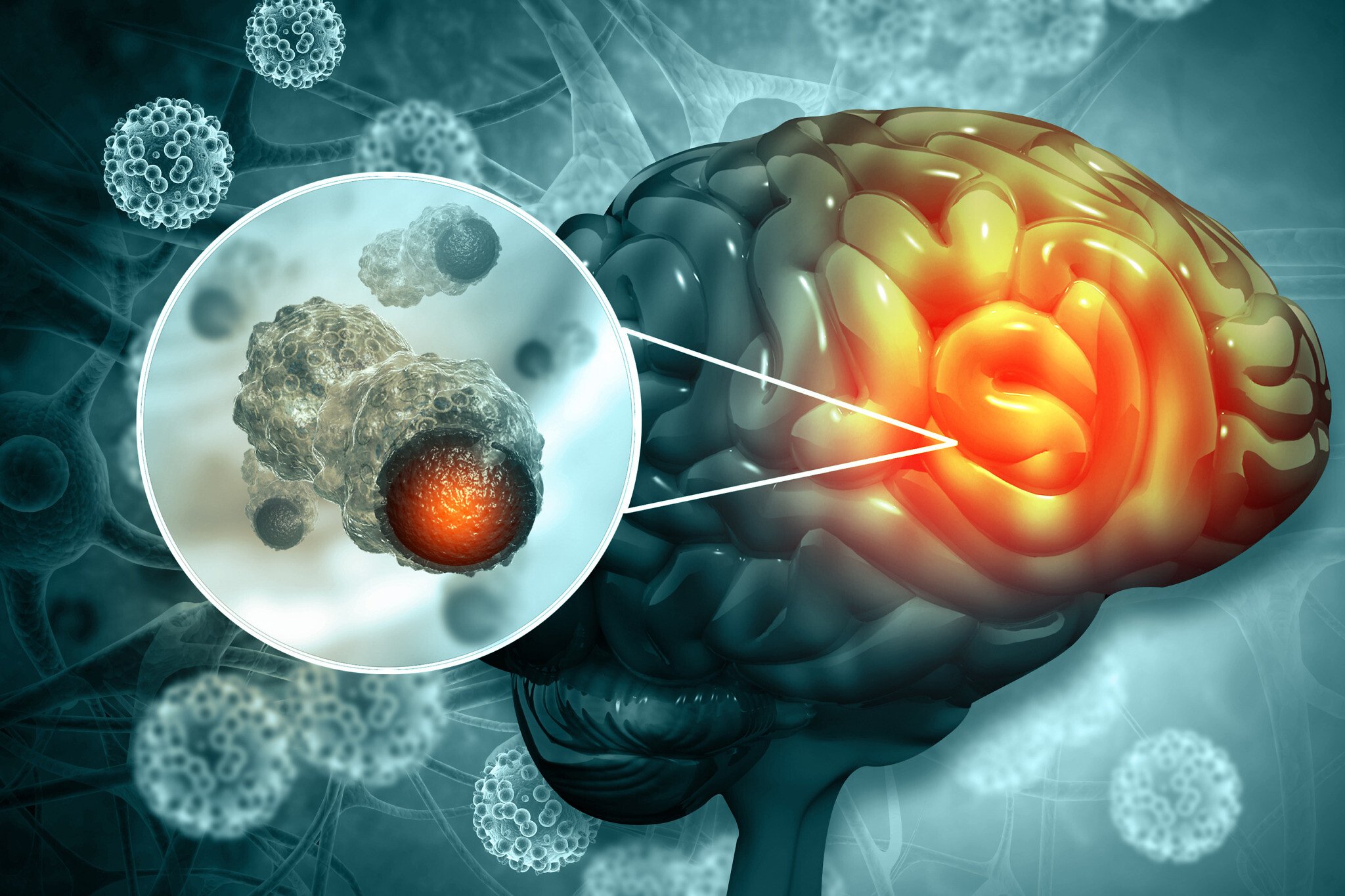
The researchers found that a specific change in chromosome 17 can make breast cancer much more likely to spread to the brain. In particular, they discovered that some cancer cells lose part of chromosome 17, referred to as “the short arm” of chromosome 17.
“We found that when chromosome 17 in a cancer cell loses this short arm, the chances of the cell sending metastases to the brain greatly increase,” Ben-David explained. The scientists then discovered that this is caused by the loss of the gene p53.
“Gene p53 is called the guardian of the genome,” Satchi-Fainaro added. “It’s like the quality assurance inspector in the cell. If something goes wrong, p53 is the gene that tells the cell to commit suicide. But when p53 is defective, it doesn’t do so, and this helps the cancer cells continue to divide and migrate to other organs.”
The brain’s environment is fundamentally different from that of the breast, where the primary tumor develops, Satchi-Fainaro said. However, breast cancer cells are able to adjust to the new brain environment because the p53 gene is impaired.
“We found that p53 regulates the synthesis of fatty acids,” Satchi-Fainaro said. “Cells with damaged p53, or without p53 at all, produce more fatty acids compared to normal cells.”
This, in turn, enables the tumorous cells to grow more rapidly in the brain.
The researchers then identified SCD1, a key enzyme in fatty acid production, and found that its activity levels are significantly higher in cancer cells with impaired p53.
“Once we identified the mechanism and its key players, we sought to use the findings to search for a potential drug to counter brain metastases,” Ben-David said.
Using a drug for Parkinson’s disease against breast cancer
As part of the project, the team tested several drugs that block SCD1, originally developed for other diseases, such as Parkinson’s.
“We found that blocking SCD1 significantly hindered the development and proliferation of breast cancer brain metastases, both in mouse models and in 3D models made from clinical samples of breast cancer brain metastases,” Satchi-Fainaro said.
Targeting SCD1 could become a future strategy for treating or preventing breast cancer brain metastases. If the researchers are allowed to “repurpose” these drugs from one indication to another, she added, then “billions of dollars and many years of clinical trials could be saved.”
“The researchers found that when the tumor-suppressor gene p53 is broken, some breast cancers are more likely to spread to the brain because they start making more fatty molecules,” said Santaguida. “The study identifies a clear, targetable weakness in p53-deficient brain metastases.”
Testing tumors for p53 problems could help doctors choose patients who might benefit from drugs that block this fatty-acid pathway to treat or prevent brain metastases, Santaguida said.
For example, doctors could avoid prescribing aggressive biological treatments with severe side effects for patients who are not at high risk of brain metastases, while opting for aggressive treatment when the risk is elevated.
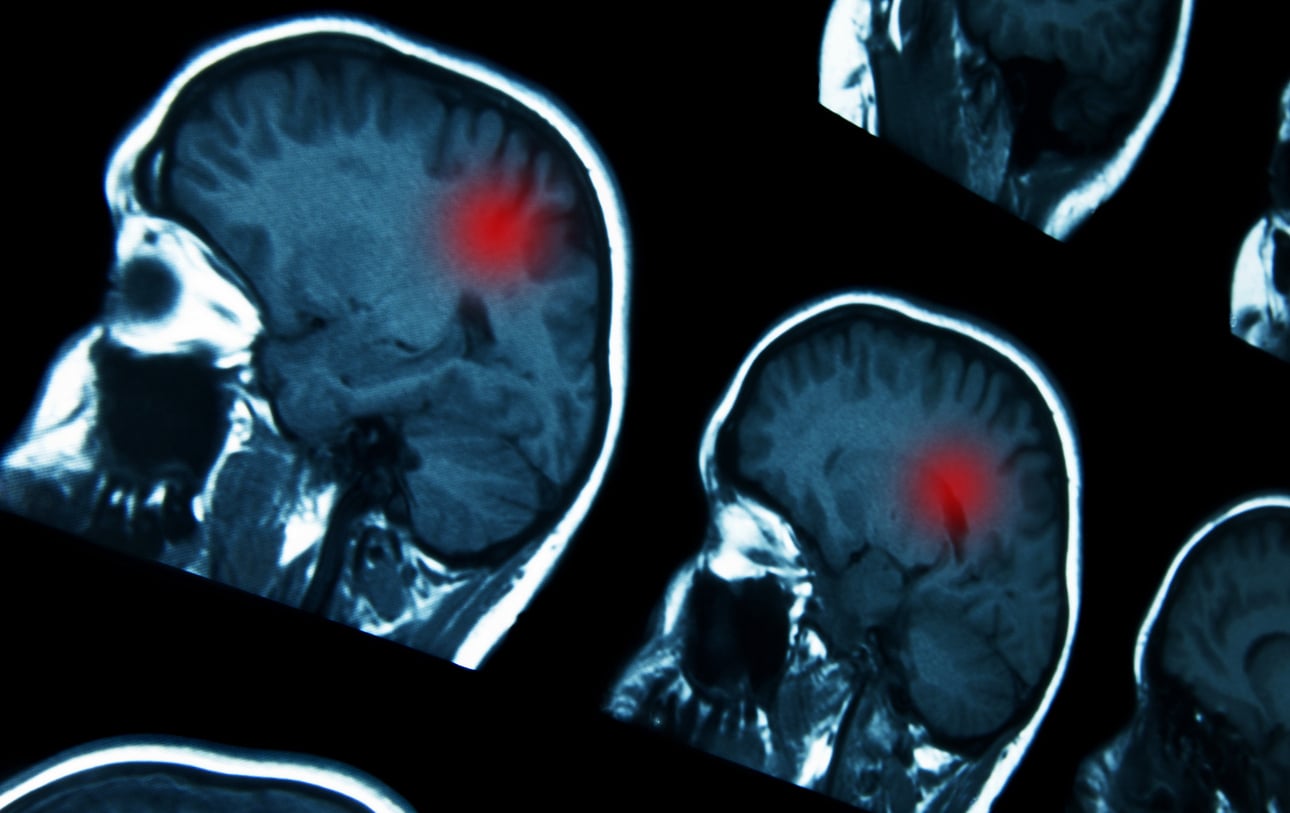
In addition, physicians could tailor medical protocols according to the patient’s risk level, such as frequent brain MRI scans for patients at increased risk of brain metastases. This type of intensive monitoring would allow for early detection and treatment, significantly increasing the chances of recovery.
“When we start research, we don’t really know where it’s going to take us,” Ben-David said. “This is why you need to be exploratory, why you need to be curious, and why you need to follow where the science takes you. That’s part of the excitement in doing science.”










The Times of Israel Community.