

Israeli study unlocks 4,000 years of climate change and human adaptation
University of Haifa co-led study of Carmel Coast mud cores finds ancient Levantine communities adapted to drought rather than simply collapsing or moving away
 Add ToI as a Preferred Source on Google
Sue Surkes is The Times of Israel's environment reporter
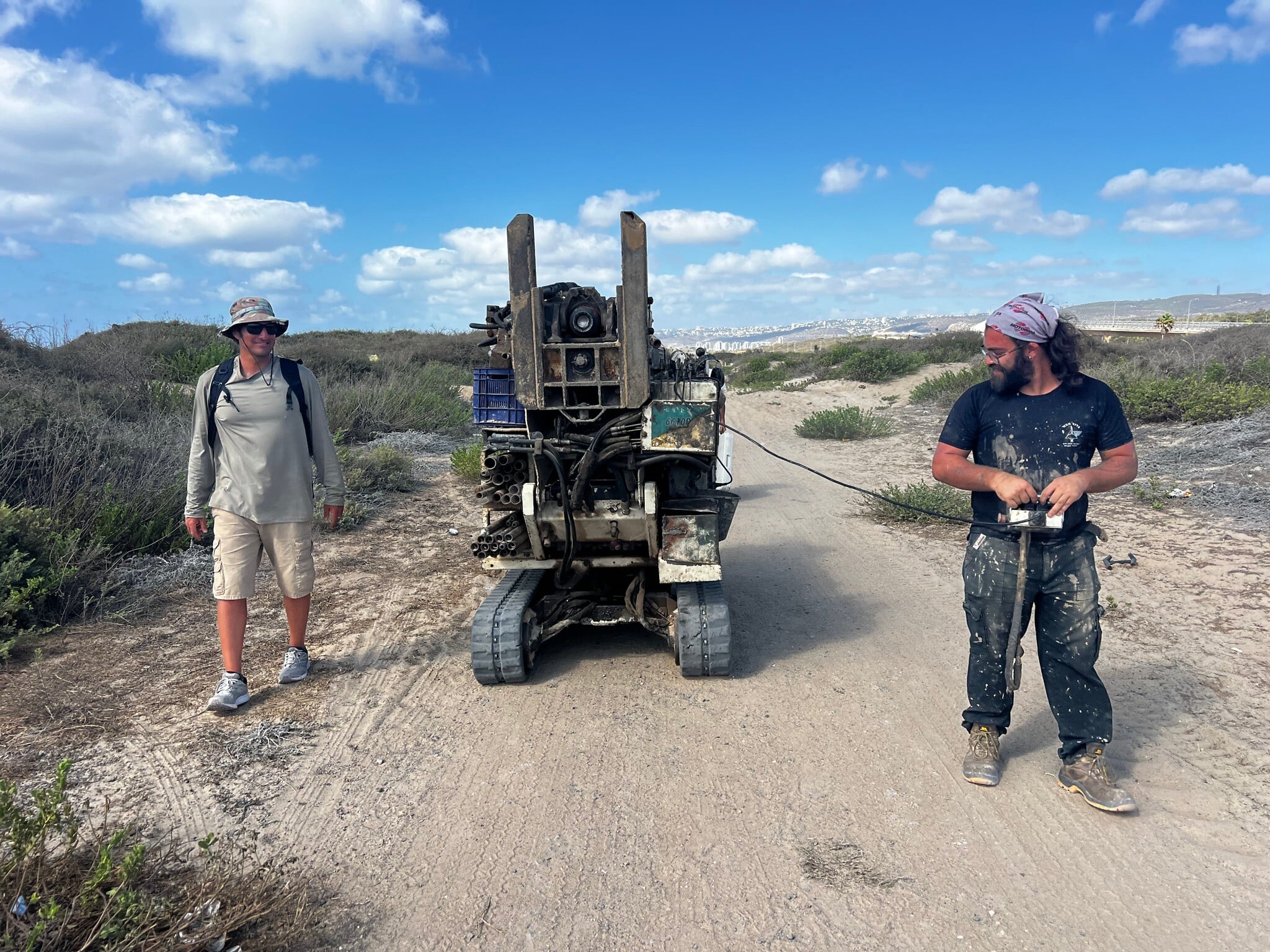
Cylinders of ancient mud drilled from the Carmel Coast in northern Israel have revealed how ancient human societies managed to adapt to turbulent climate changes thousands of years ago. Rather than collapse or move elsewhere, these communities faced adversity, including severe drought, according to a new study.
An international team of scientists, co-led by the University of Haifa’s Recanati Institute for Maritime Studies, decoded 4,000 years of environmental history in the ancient Mediterranean by drilling into the former Kebara wetland in northern Israel.
“People are problem solvers,” said Tom Levy, the paper’s senior author and co-director of the Center for Cyber-Archaeology and Sustainability (CCAS) at UC San Diego, which led the study along with the Recanati Institute. “They cope with environmental stress by developing new technologies and strategies.”
Their report, published last month in the Quaternary Science Reviews, found that “no direct correlation was identified between environmental changes and settlement reorganization from 8,000 to 4,000 years ago.”
“Ancient societies in the southern Levant did not simply collapse or abandon regions when climate conditions became drier,” Gilad Shtienberg, the paper’s first author, told The Times of Israel. “Instead, they adapted in creative ways.”
Shtienberg is a research scholar with the CCAS and the anthropology department.
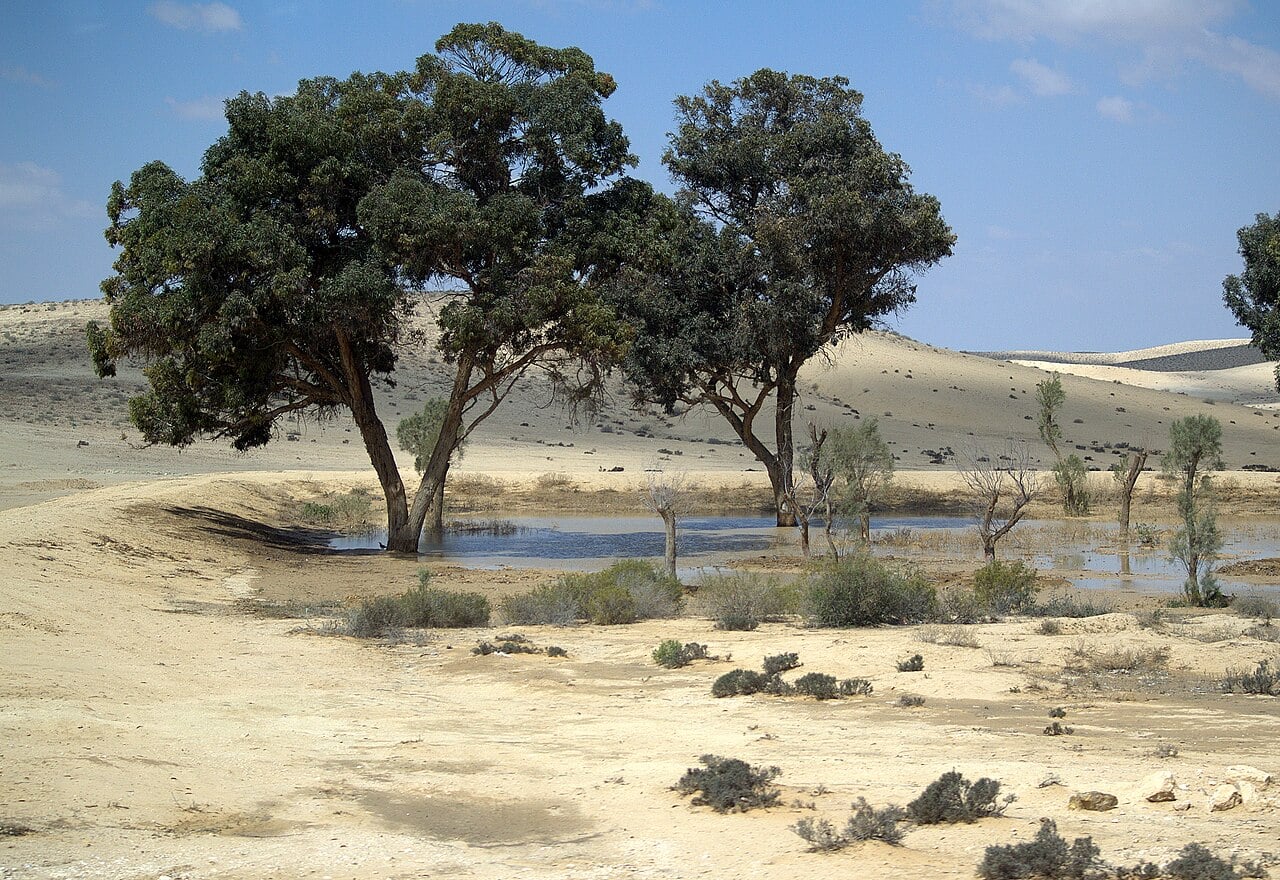
“During the Neolithic period, many communities were concentrated near reliable freshwater sources in the more humid northern Negev and coastal plain,” said Shtienberg. “Later, during the Chalcolithic period, populations expanded into the more semi-arid Beersheba valley.”
“Rather than retreat from these harsher conditions, communities developed new strategies to survive,” he said, adding that these included early floodwater farming systems that diverted seasonal floods onto agricultural fields, likely early forms of irrigation agriculture.
‘Evidence from plant remains suggests that crops such as barley were cultivated under managed irrigation rather than relying solely on rainfall’
“Evidence from plant remains suggests that crops such as barley were cultivated under managed irrigation rather than relying solely on rainfall,” Shtienberg said. “These practices helped create localized Mediterranean-like farming environments within semi-arid regions.”
Digging deep
The Carmel range is rich in archaeological findings that have shed light on key evolutionary milestones such as the origins of anatomically modern humans and the agricultural revolution.
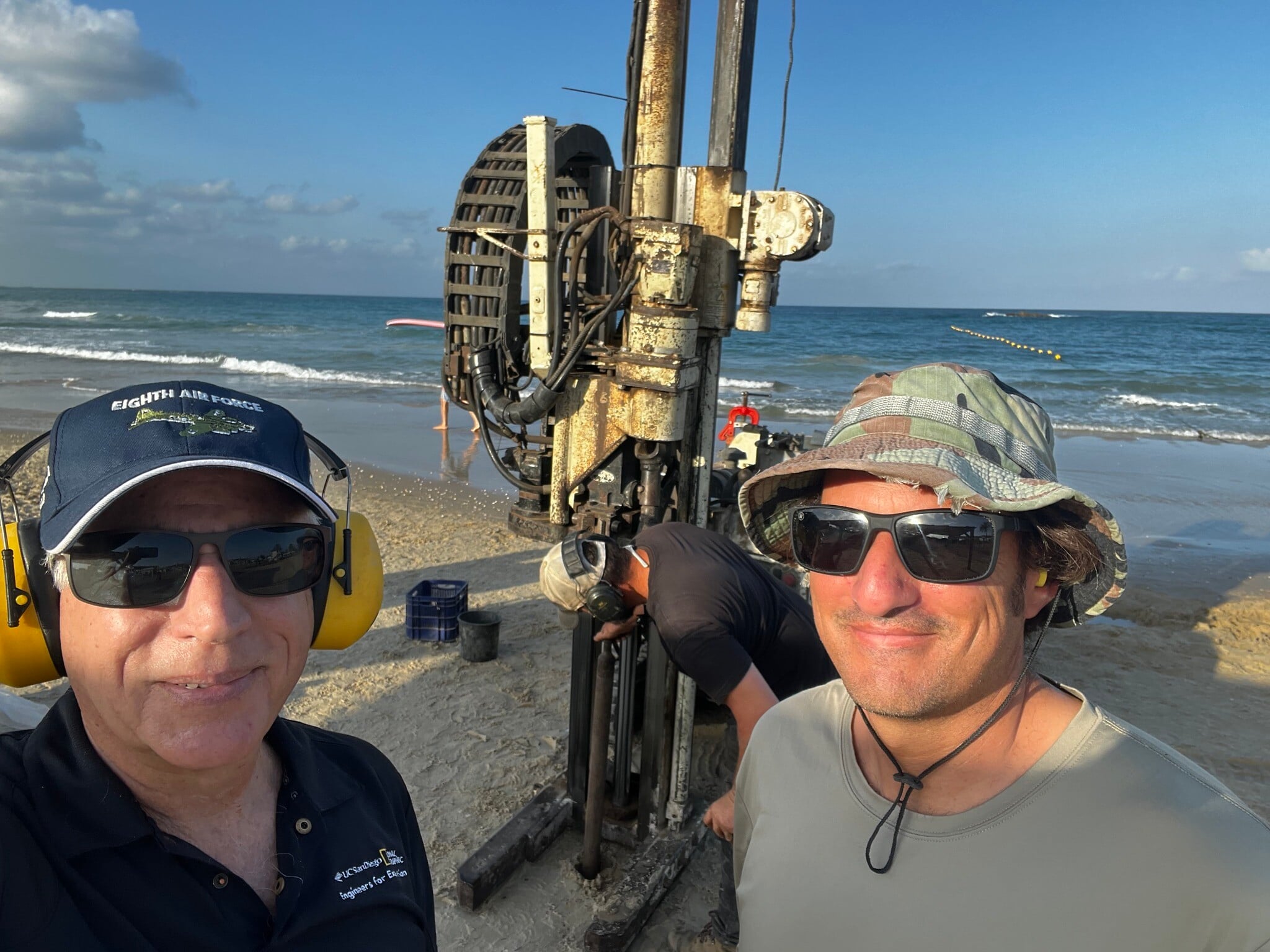
By drilling up to 16 meters (52 feet) down, the team extracted cylinders comprised of layers of ancient mud. The sediments, chemicals and biology within these layers revealed changes over centuries, with samples providing a window into decades.
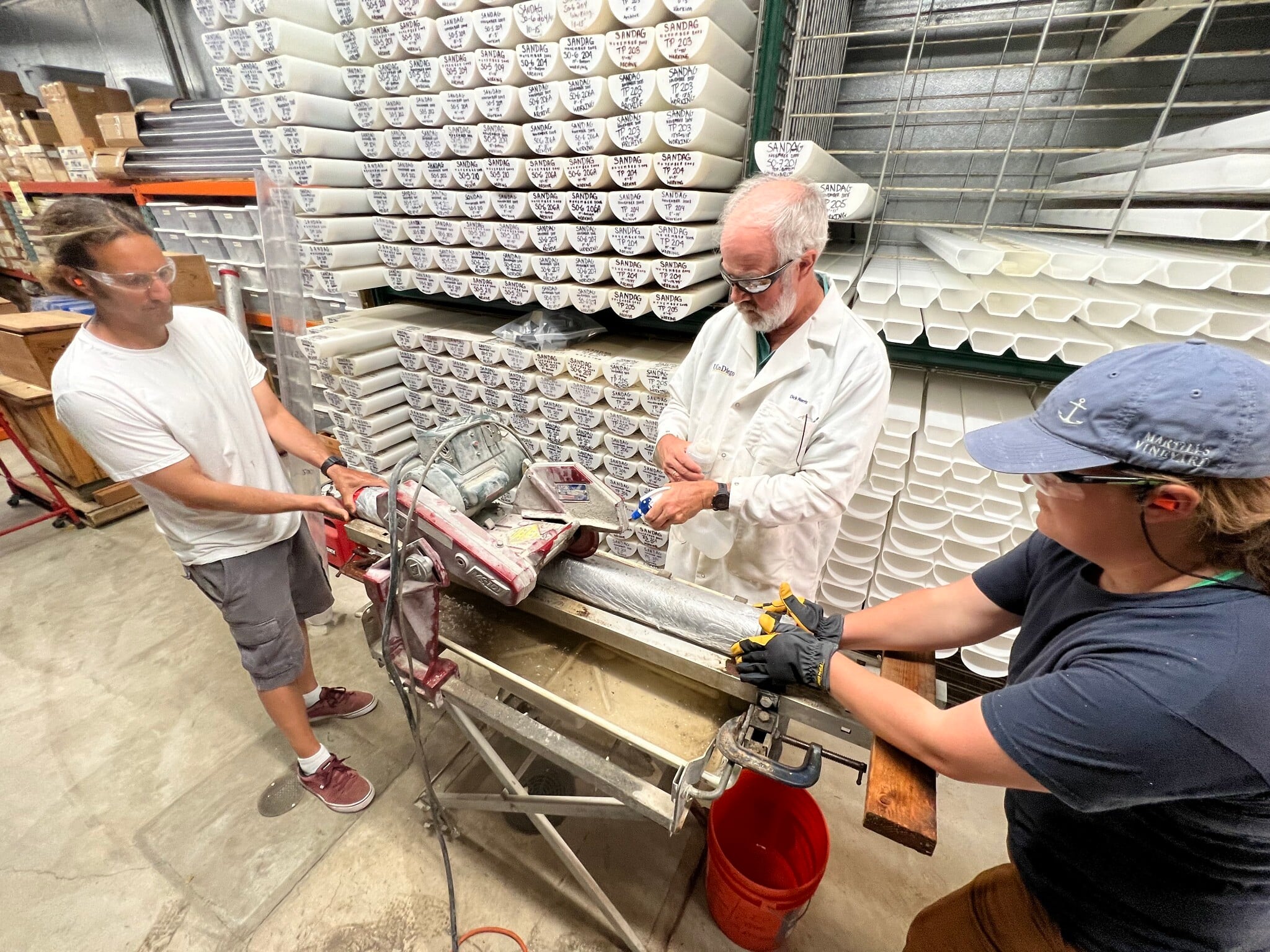
Inside the layers were tiny shells, pollen grains, charred plant fragments and chemical traces, each one a clue to climate fluctuations. Freshwater snails and mussels indicated rainy, lush periods; salt-tolerant species signaled drought and a shrinking wetland. Charcoal revealed erosion and runoff patterns, while pollen and seeds indicated which plants were growing nearby.
Putting the pieces together, the team created a detailed climate timeline stretching from 8,000 to 4,000 years ago.
The team created a detailed climate timeline stretching from 8,000 to 4,000 years ago
The record shows a long drying trend punctuated by wetter periods and repeated droughts. By around 6,500 years ago, annual rainfall had dropped by half, from around 700 millimeters (27.5 inches) along Israel’s coast to 350 millimeters (13.8 inches). A severe drought around 4,200 years ago is known to have sparked widespread social disruption.
The scientists compared the climate data with existing archaeological information from across the region to see whether drought directly triggered migration or population decline.
While climate stress formed an environmental backdrop for changing settlement patterns, ancient communities appear to have responded creatively and variably rather than simply moving away, the researchers found.
Shtienberg said that despite the ancient timeline, the study holds relevance regarding climate change today.
“Our findings highlight that environmental change does not automatically cause societal collapse, but it can reshape economies, settlement patterns and human behavior,” he said.
“In that sense, the past provides a long-term perspective on resilience, adaptation and the risks of pushing environmental systems beyond sustainable thresholds,” said Shtienberg.










The Times of Israel Community.