

Jordan’s king said to secretly purchase 14 luxury homes for $100m in US, UK
‘Pandora Papers’ investigation implicates a dozen heads of state and government in concealing secret offshore assets; 565 Israelis listed
 Add ToI as a Preferred Source on Google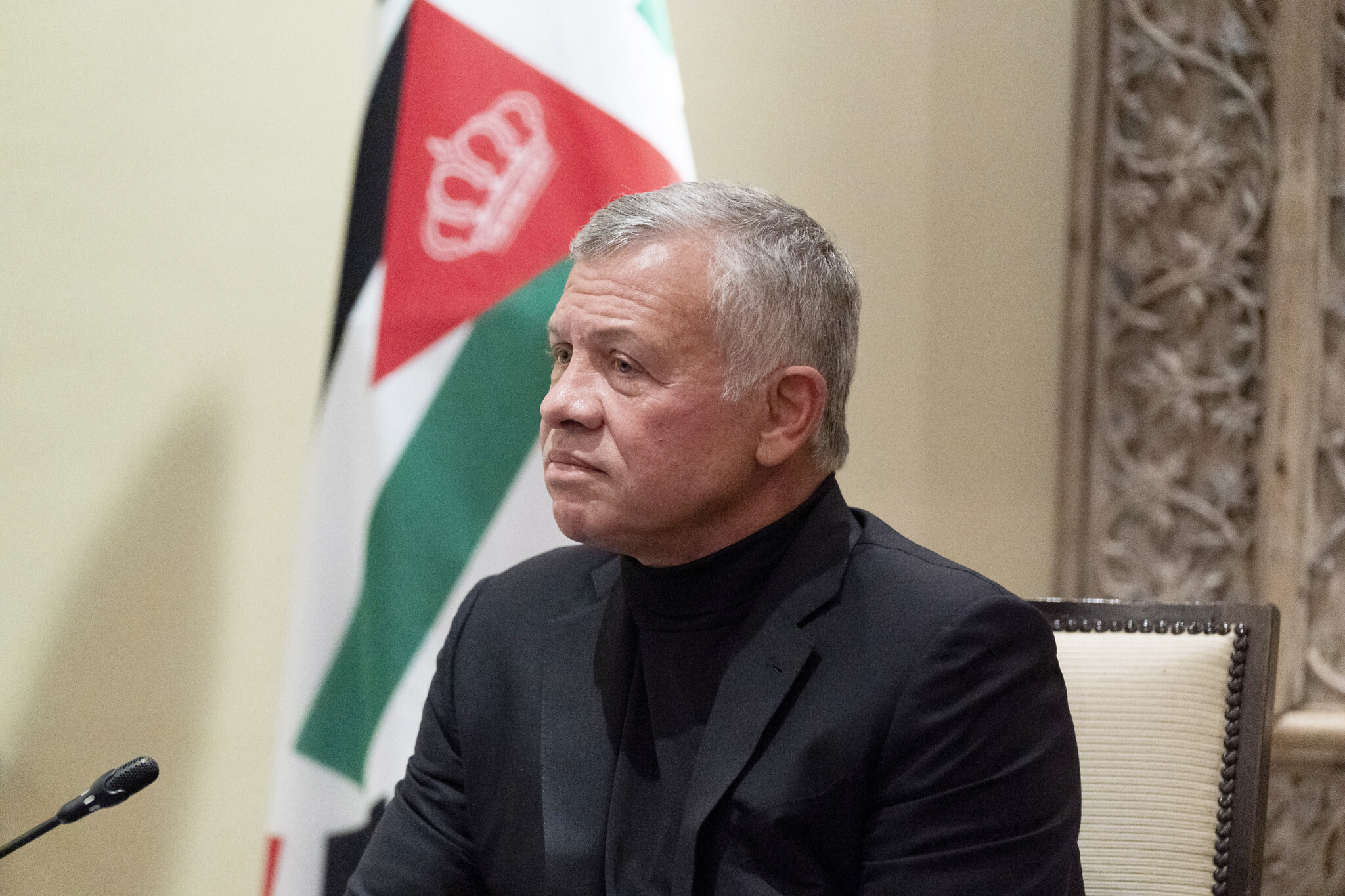
Jordan’s King Abdullah secretly purchased 14 luxury homes — at an estimated total value of $106 million — in the United States and United Kingdom between 2003 and 2017, through front companies, according to an investigation published Sunday by the International Consortium of Investigative Journalists (ICIJ).
Abdullah is one of more than 300 world leaders, powerful politicians, billionaires, celebrities, religious leaders and drug dealers — including Czech Republic Prime Minister Andrej Babis, Kenyan President Uhuru Kenyatta, Ecuador’s President Guillermo Lasso, former British prime minister Tony Blair, and former associates of both Pakistani Prime Minister Imran Khan and Russian President Vladimir Putin — who are beneficiaries of assets collectively worth trillions of dollars shielded in secret offshore assets, the so-called “Pandora Papers” investigation found.
The investigation — involving some 600 journalists from dozens of media outlets — is based on the leak of some 11.9 million documents from 14 financial services companies around the world. It implicates a dozen current heads of state and government.
According to the ICIJ report, attorneys and advisers to Jordan’s Abdullah worked extensively to conceal his real estate holdings, including establishing multiple shell companies and working through entities in Switzerland and the British Virgin Islands. The investigation found Abdullah owned at least 36 secret shell companies in tax havens.
The 14 homes include a house in Ascot, England, as well as three apartments in London, three apartments in Washington, DC, and three mansions near Los Angeles.
Attorneys for the king told ICIJ that there are no legal issues with Abdullah owning homes through offshore companies, and that the king has no requirement to pay taxes under Jordanian law.
The attorneys also claimed that several of the homes identified by ICIJ did not belong to the king, and that most of the offshore companies no longer exist.
The BBC cited lawyers for King Abdullah saying all the properties were bought with personal wealth, and that it was common practice for high-profile individuals to purchase properties via offshore companies for privacy and security reasons.
Some 35 current and former leaders are featured in the documents analyzed by the ICIJ, facing allegations ranging from corruption to money laundering and global tax avoidance.
Some 565 Israelis are listed in the Pandora Papers, published by the International Consortium of Investigative Journalists, according to Shomrim, an investigative journalism nonprofit organization that took part in the investigation. More than two-thirds of the companies were set up in the British Virgin Islands.
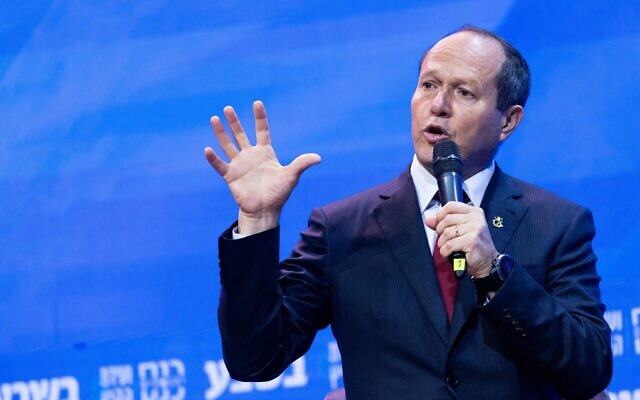
Likud MK Nir Barkat is named in the report, which says he held assets under his name in Virgin Islands, then transferred them to his brother rather than to a blind trust, in breach of Knesset Ethics Committee rules; Barkat dismissed the claims as “ridiculous.”
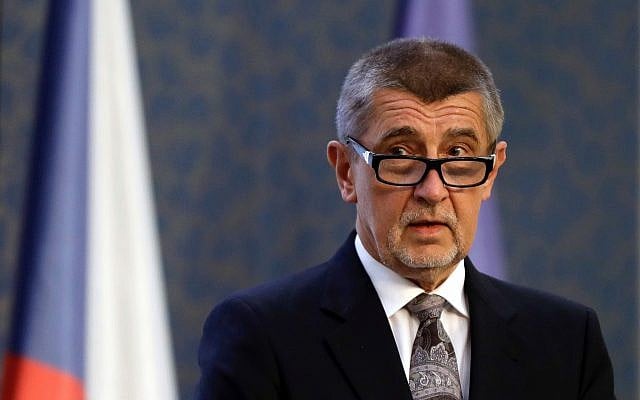
The documents also show Czech Prime Minister Babis — facing an election later this week — failed to declare an offshore investment company used to purchase a chateau worth $22 million in the south of France. Family and associates of Azerbaijan President Ilham Aliyev are alleged to have been secretly involved in property deals in Britain worth hundreds of millions. And members of Pakistan Prime Minister Khan’s inner circle, including cabinet ministers and their families, are said to secretly own companies and trusts holding millions of dollars.
In total, the ICIJ found links between almost 1,000 companies in offshore havens and 336 high-level politicians and public officials, including country leaders, cabinet ministers, ambassadors and others.
In most countries, the ICIJ stresses, it is not illegal to have assets offshore or to use shell companies to do business across national borders. But such revelations are no less of an embarrassment for leaders who may have campaigned publicly against corruption, or advocated austerity measures at home.
The “Pandora Papers” are the latest in a series of mass ICIJ leaks of financial documents that started with LuxLeaks in 2014, and was followed by the Panama Papers, the Paradise Papers and FinCen.
The documents behind the latest investigation are drawn from financial services companies in countries including the British Virgin Islands, Panama, Belize, Cyprus, the United Arab Emirates, Singapore, and Switzerland.





The Times of Israel Community.