

Lapid: Netanyahu deceived the public, lied to his voters on immunity bid
Blue and White deputy leader says PM’s efforts to avoid prosecution have kept Israel in political paralysis, vows party will thwart move
 Add ToI as a Preferred Source on Google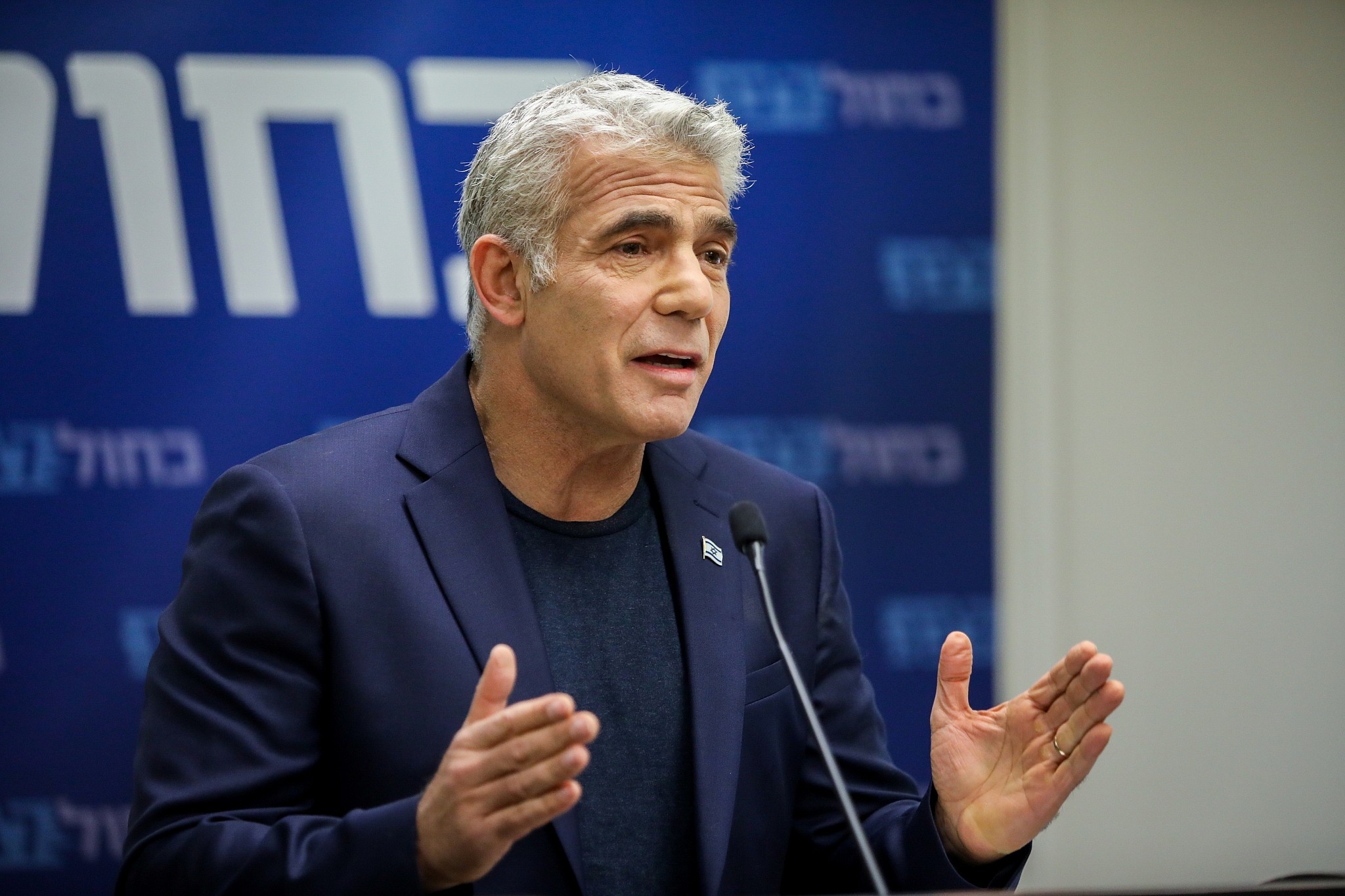
The Blue and White party’s deputy leader, Yair Lapid, on Tuesday assailed Prime Minister Benjamin Netanyahu for his emerging request that the Knesset grant him immunity from prosecution in the corruption indictment against him, saying the leader had “boldly lied to his voters.”
If Netanyahu wants to avoid charges immediately being filed against him, he must submit an official request with Knesset Speaker Yuli Edelstein by Wednesday night. According to multiple Hebrew media reports, he has made a decision to do so though he has not yet acted upon it.
In the past Netanyahu has been evasive about plans to seek immunity, though he famously once told Channel 12 during an interview “no way,” when asked if he would make any move to thwart his indictment in the three cases against him.
“Netanyahu’s immunity request constitutes fraud and breach of trust,” Lapid wrote Tuesday, alluding to two of the charges that the premier faces, in addition to bribery. “Netanyahu deceived the public and boldly lied to his voters. That lie helped him drag the country into political paralysis that has lasted for a year now. We will not allow it to happen. We will be the defensive shield of Israeli democracy.”
The cloud of corruption charges hanging over the premier is widely seen as one of the chief reasons he has failed to form a government in the wake of two elections in 2019. Blue and White has repeatedly said it would not join a coalition under Netanyahu so long as he is suspected of criminal wrongdoing.

“We will not allow Bibi to turn Israel into Turkey,” Lapid added, referencing Turkish authoritarian President Recep Tayyip Erdogan.
Under a 2005 change to the Knesset immunity law, members of the legislature no longer receive automatic immunity from prosecution but must request it from the plenum when relevant. Such a request, if approved, would prevent Netanyahu from being charged so long as he serves as a member of parliament.
The prime minister is far from guaranteed of finding a majority for such a request in the Knesset. However, merely making the appeal will likely delay any potential trial by months.
His request must by weighed by the Knesset House Committee before it can be voted upon by the plenum, but due to the lack of a functioning legislature amid an ongoing political deadlock, and with new elections set, there is currently no functioning House Committee. The Knesset will thus likely only be able to review and decide on his request after a coalition is formed — if it is finally formed — following the March 2 vote.
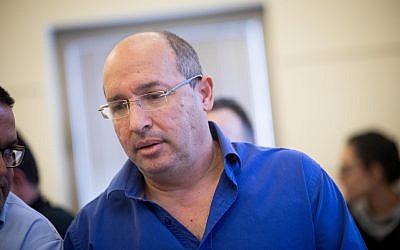
Blue and White said in a statement Monday evening that “due to Netanyahu’s intention” to file an immunity request, its member Avi Nissenkorn had decided to call a Wednesday meeting of the Knesset Arrangements Committee, which he heads, to discuss the possibility of forming a House Committee.
The matter is legally contentious, and led recently to mud-slinging and arguments as to whether the Arrangements Committee has the authority to form a House Committee during a transitional government.
On Monday Channel 13 news reported that Netanyahu has already informed Edelstein of his intention to ask for immunity. Edelstein’s office immediately rejected the report, with a spokesperson telling The Times of Israel: “No request has been made.”
The unsourced television report said that Netanyahu wrote in the letter that he would be willing to face criminal prosecution, but only after he leaves politics. He reportedly argued that trying him now would compromise the will of the electorate and harm the Knesset, since many of the witnesses in the trial are current lawmakers; that it would discriminate against him, since indictments haven’t been filed against other politicians; and that the charges were announced in “bad faith” since Attorney General Avichai Mandelblit made his decision too soon after the pre-indictment hearing and the process was marred by numerous leaks to the press.
Netanyahu had been set to give a live statement to the media on Monday evening but canceled it, leading to speculation he had meant to announce an immunity bid.
Laying the groundwork for his immunity drive, Netanyahu told Likud party activists at an event Sunday evening that seeking immunity from prosecution was not anti-democratic, but rather a “cornerstone of democracy.”
Speaking to supporters at a Hanukkah menorah-lighting ceremony at the Dan Panorama Hotel in Tel Aviv, Netanyahu said that within two days, he would announce his decision as to whether or not he will seek immunity from the corruption charges against him.
“The only immunity I am seeking right now is immunity from idle propaganda,” he declared, attacking the rival party Blue and White for “talking crap all day with immunity, immunity, and more and more immunity.”
A request from the Knesset for immunity is seen as unpopular among all voters, even among many of the prime minister’s supporters. A poll published Sunday evening by Channel 12 news found that 51 percent of Israelis oppose such a move, while only 33% support it.
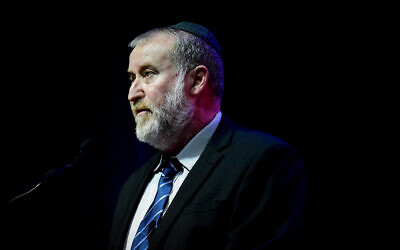
Attorney General Mandelblit in November announced his intention to indict the prime minister in three corruption cases. Netanyahu is charged with fraud and breach of trust in all three cases, as well as bribery in one of them. He denies wrongdoing and has accused police and state prosecutors of an “attempted coup” against him.
Meanwhile on Tuesday, the High Court of Justice was holding a hearing on whether a lawmaker facing criminal indictment can be tapped to form a coalition.
Netanyahu on Monday continued his campaign against a potential High Court decision to block him from forming a government, saying in a video published on social media: “Some are trying to drag the Supreme Court into the political arena, to slander and legally thwart my candidacy for the premiership.
“I cannot imagine that the Supreme Court of the State of Israel would fall into that trap,” he said. “In a democracy, only the people decide who will rule the people, and nobody else. That has always been the case and that is how it will remain.”







The Times of Israel Community.