

 From the Liveblog of
Wednesday, June 10, 2026
From the Liveblog of
Wednesday, June 10, 2026
Arab parties Hadash, Ta’al, Balad set to announce joint list without Ra’am
 Add ToI as a Preferred Source on Google
Ariela Karmel is a political correspondent at The Times of Israel. She previously reported for Calcalist and Haaretz. She holds an MA in Middle Eastern and African History from Tel Aviv University and a BA in Political Science from the University of British Columbia.
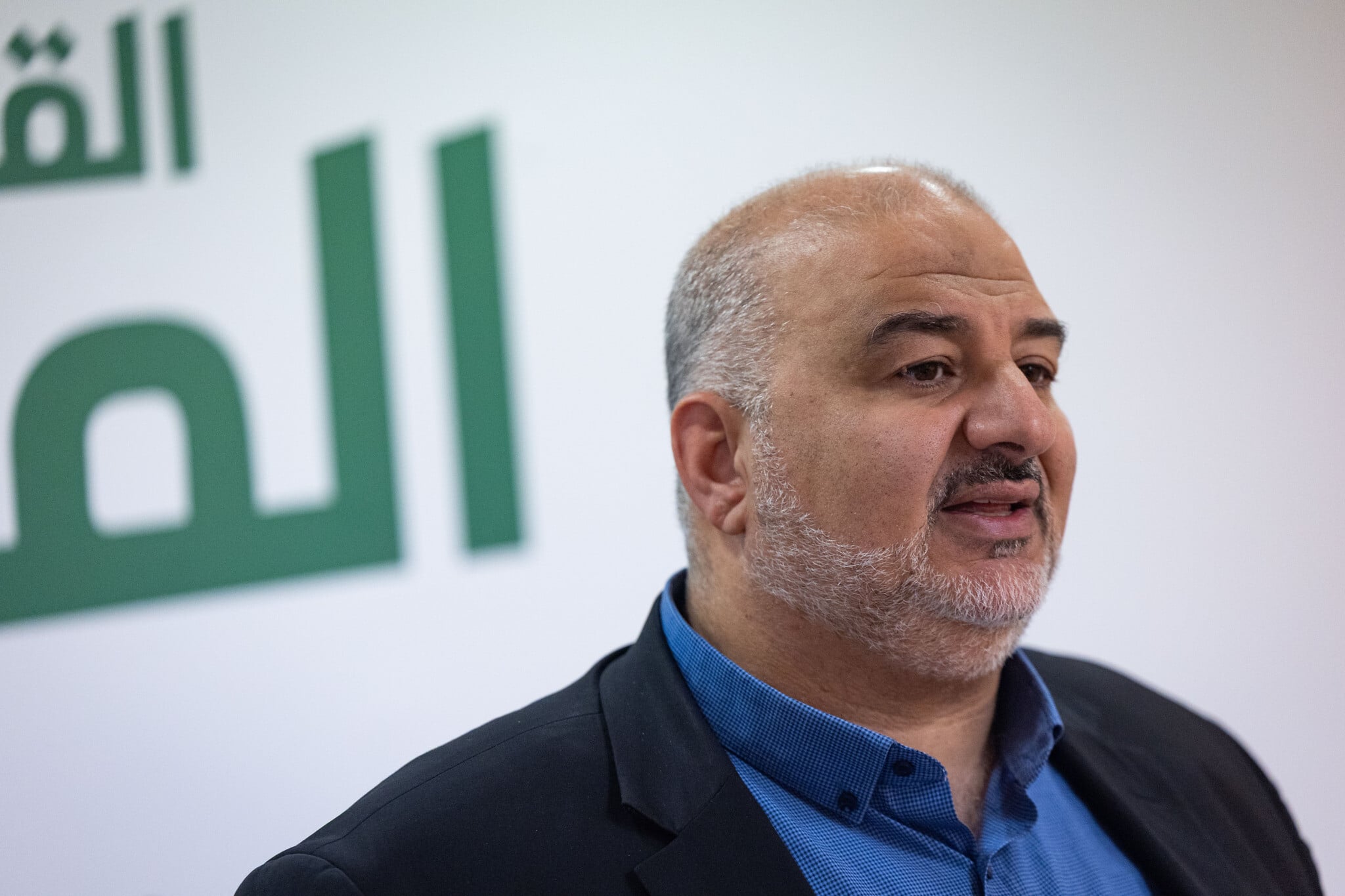
Arab-majority parties Hadash, Ta’al and Balad are expected to announce a joint list for the upcoming elections without Mansour Abbas’s Ra’am party, according to Hebrew media reports, following months of deadlocked negotiations over the Islamist party’s insistence that any union remain merely technical.
A source with knowledge of the matter tells The Times of Israel that representatives of the National Committee of Arab Local Council Heads met yesterday in Sakhnin with leaders of all four parties to try and bridge the gaps, but the meeting failed to produce a breakthrough.
Ra’am has repeatedly “created obstacles and introduced new conditions into the negotiations,” the source says, accusing the party of making progress “impossible.”
At the same time, the source says that the parties still hope to sign a vote-sharing agreement with Ra’am if they ultimately run separately, to maximize the use of surplus votes.
It is unclear if the door will be left open for a potential alliance to still be reached ahead of the elections.
In January, the four parties signed an agreement committing to work together to revive the joint ticket ahead of this year’s elections, which can be held no later than October 27, following immense pressure from Arab communities that are dealing with neglect and deadly crime.
Little progress has been made since then due to Abbas’s insistence that the bloc be formed as merely a technical alliance, which would split back into separate parties immediately following elections to preserve Ra’am’s ability to join a governing coalition, which the other Arab parties are opposed to.
Polls show a joint slate of the four parties winning 12-15 seats, with a smaller number of seats if they were to run separately.







The Times of Israel Community.