

 From the Liveblog of
Friday, August 29, 2025
From the Liveblog of
Friday, August 29, 2025
Critical medical supplies run out as cases of rare syndrome rise in Gaza, WHO says
 Add ToI as a Preferred Source on Google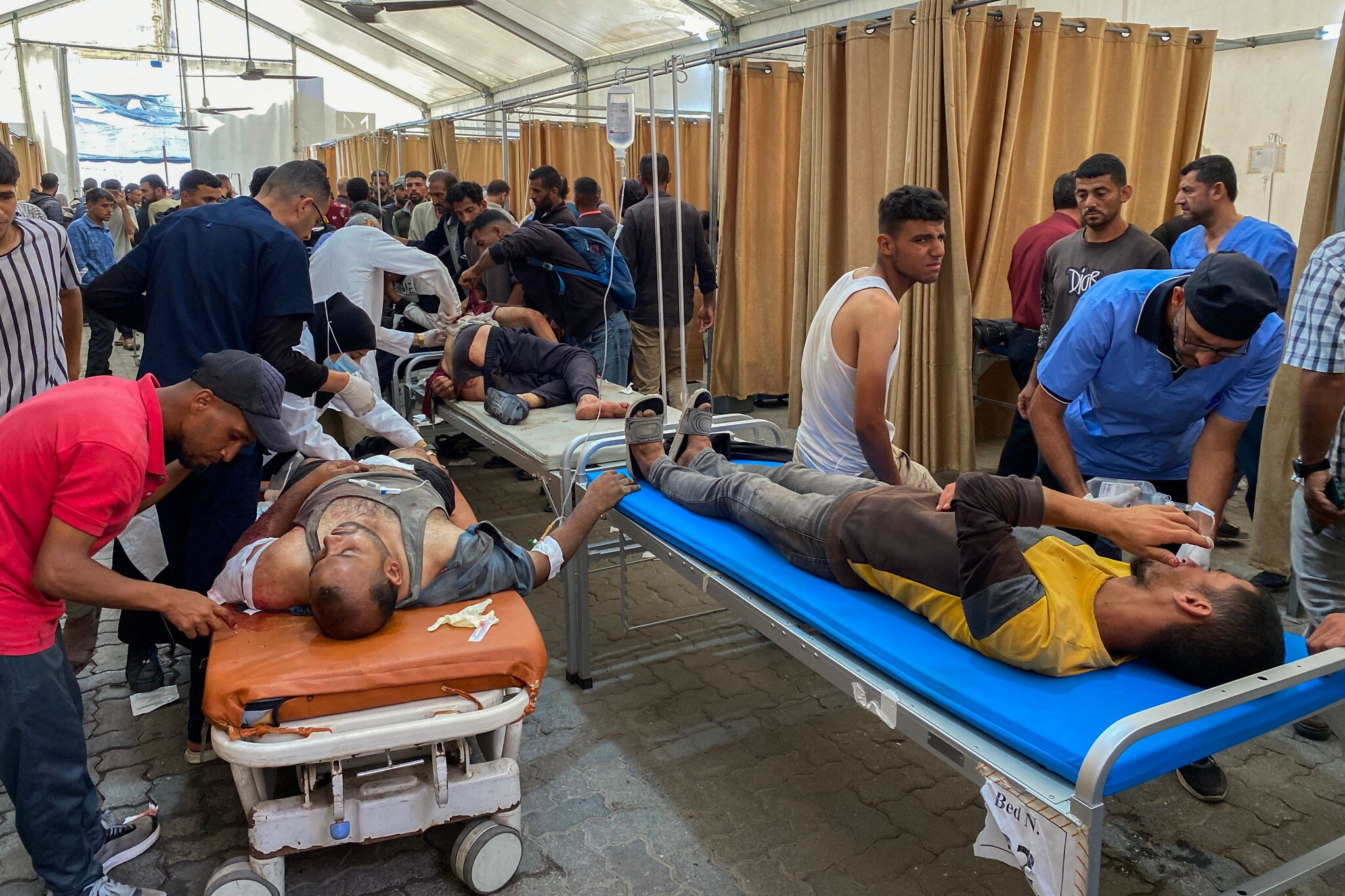
The World Health Organization has run out of critical medical supplies in Gaza that it needs to treat a surge in cases of a rare paralysis-causing syndrome in the Palestinian enclave, the UN agency says.
There have been 94 documented cases of Guillain-Barré syndrome in Gaza since June, resulting in 10 deaths, although GBS had rarely been seen in the enclave before the Israel-Hamas war began nearly two years ago, it says.
GBS is a rare condition that involves a person’s immune system attacking the peripheral nerves. Severe cases can result in near-total paralysis and breathing problems, the WHO says.
The fatalities include four children under 15 and six older patients with an average age of 25, the WHO says. Two of the victims had received no treatment, reflecting critical shortages in essential treatment supplies, it adds.
Although GBS is usually treatable, the WHO says its treatment efforts were constrained by a lack of certain medical supplies.
“Intravenous immune globulin (IVIG), the (Gaza) ministry of health’s first-line treatment for GBS, and plasmapheresis filters remain out of stock, leaving no treatment options available for suspected GBS cases,” the WHO said.
Plasmapheresis is the removal, treatment and return or exchange of blood plasma or components thereof from and to the blood circulation, it says.
The surge in GBS has primarily been driven by gastrointestinal and respiratory infections, closely linked to deteriorating water, sanitation and hygiene conditions, it says.
“Given the water sanitation and health situation…the conditions are ripe for any infection,” WHO spokesperson Christian Lindmeier tells reporters in Geneva.
Overcrowding and compromised immunity in the population, compounded by rising malnutrition cases, are also factors, the WHO says.
Though surveillance has improved, diagnostic capacity is limited, and serum samples from suspected GBS cases admitted to hospitals are being sent abroad for testing, the WHO says.









The Times of Israel Community.