

 From the Liveblog of
Tuesday, November 1, 2022
From the Liveblog of
Tuesday, November 1, 2022
‘Everyone is voting’: Residents of village on Israel-Lebanon border cast ballots
 Add ToI as a Preferred Source on Google
Lazar Berman is The Times of Israel's diplomatic reporter
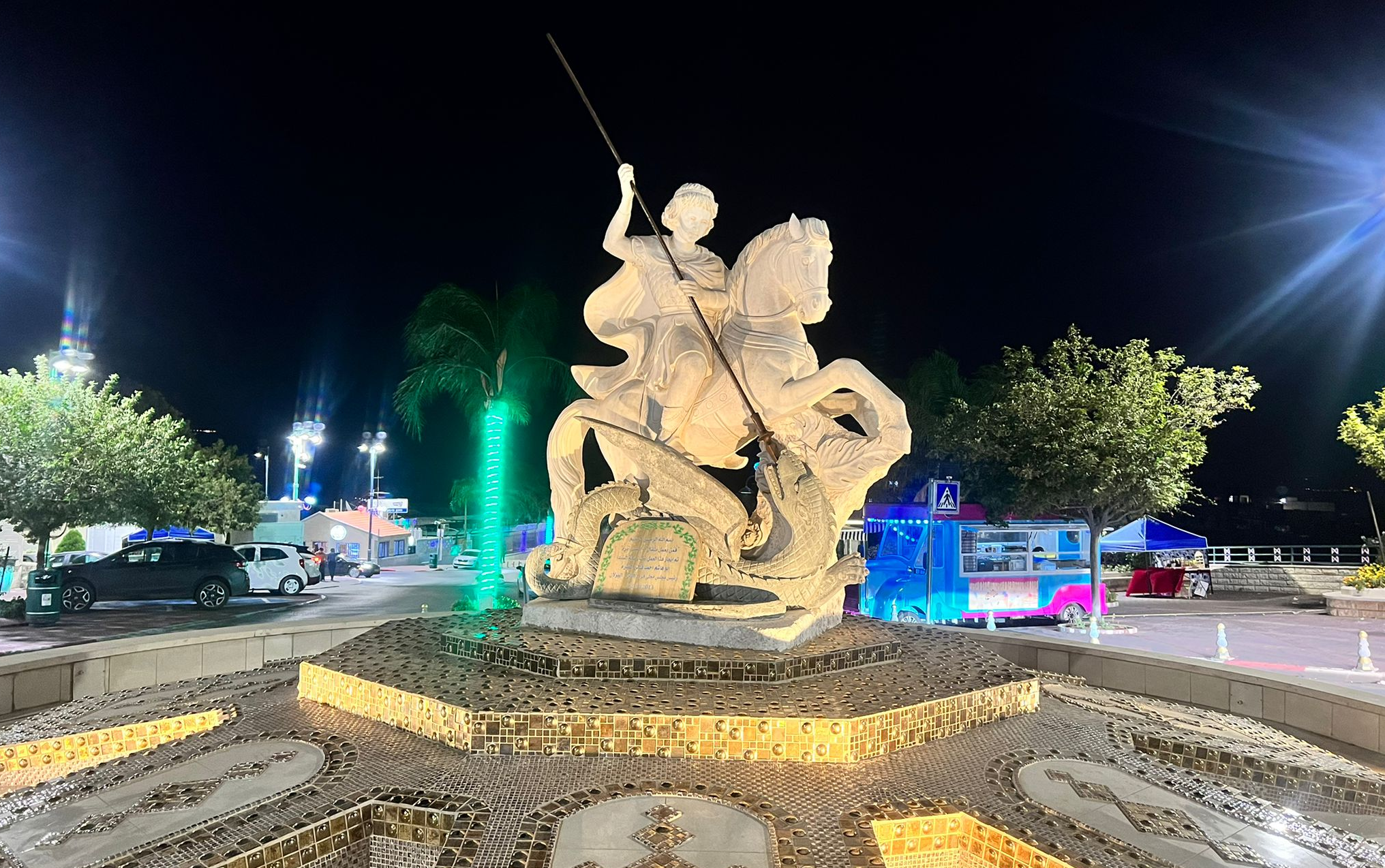
Voting is brisk in the village of Ghajar, which straddles the Israeli-Lebanese border.
In the 2021 elections, over 48 percent of the 1,739 eligible voters exercised their right. Election officials at the school serving as the polling station say turnout seems even higher this year, weeks after Israel removed all restrictions on entry into the village and hordes of tourists began arriving.
The town, which lies on both sides of the border, had been a closed military zone since Israel’s withdrawal from southern Lebanon in 2000, with special permission required to enter or exit.
“Everyone is voting,” says Naif, a young resident walking among the new food trucks in the town center that were recently opened to cater to the weekend crowds. He hasn’t yet decided whom to vote for, however.
Others are showing up to vote in a similar state of mind. Malik, a retired construction worker, walks up to the school while he is still trying to figure out who to support. “This one’s our friend, and this one’s our friend. In my opinion, everyone is good. We’ll judge them based on their actions.”
Nearby, Dovi and Yisroel, two young Chabad men, are manning the local polling station for those with COVID-19. No one has shown up, they say.
Muhammad, an accountant, didn’t want to say whom he voted for, but stresses that his entire family voted. “The village is split,” he explains. “They vote for whoever helps our society.”
Residents say that the recent maritime boundary agreement with Lebanon does not play into their decisions and isn’t at the front of their minds.
The villagers, many of whom hold Lebanese citizenship in addition to Israeli, largely support Likud and, unexpectedly, the ultra-Orthodox Shas party. In 2021, both parties captured 30% of the vote, with Gideon Saar’s New Hope party coming in third with 16%. Arab parties and Meretz didn’t crack 3%.
“We feel part of the Israeli nation,” explains M., a teacher at the school.
Netanyahu supporters in Ghajar aren’t shy about voicing their opinion of the former prime minster.
“I like him, because prices were low when he was in power,” says Naif, an engineer in a plastics factory. “He made peace with Dubai, he made peace with other countries. He’s a good leader.”




The Times of Israel Community.