

 From the Liveblog of
Sunday, June 21, 2026
From the Liveblog of
Sunday, June 21, 2026
Herzog backs ‘legitimate’ Israeli concern over US-Iran talks, says Hezbollah blocking peace with Beirut
 Add ToI as a Preferred Source on Google
Nava Freiberg is The Times of Israel's deputy diplomatic correspondent.
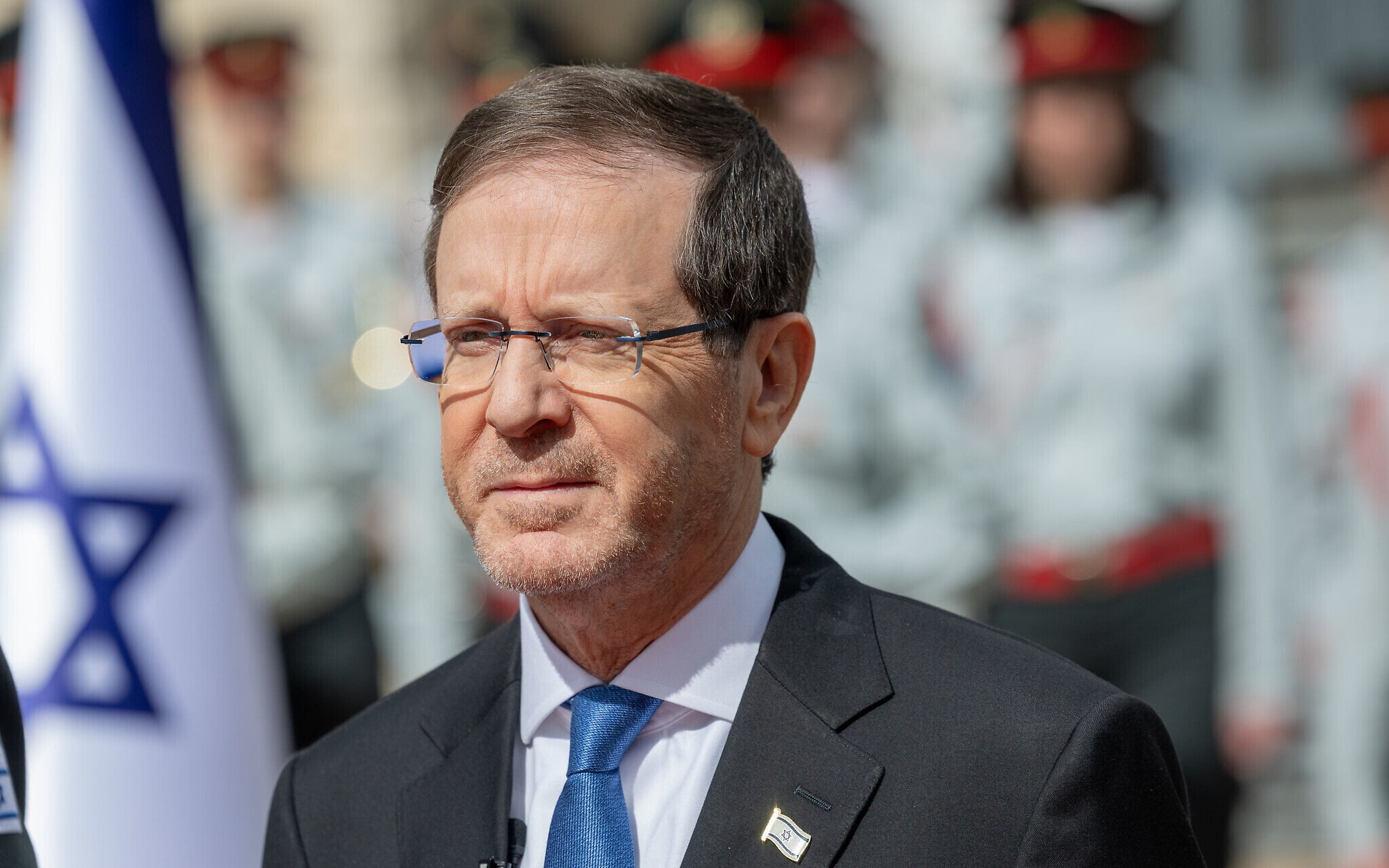
President Isaac Herzog, in an interview with Fox News, defends what he calls “legitimate” concerns in Jerusalem about the US-Iran memorandum of understanding and negotiations on a deal, particularly on Tehran’s influence on Israel’s fighting with its proxy Hezbollah.
“We definitely don’t object to a diplomatic outcome of the war, but we are raising concerns which are legitimate, and we’re speaking about them,” Herzog tells the network.
He points out that Jerusalem and Beirut will hold another round of direct talks in Washington on Tuesday “to reach a peace agreement,” but warns that such an agreement “cannot be reached if Iran has so much leverage and they’re trying to squeeze themselves into this conflict in Lebanon through… their proxy Hezbollah.”
Iran stated this weekend that it reclosed the Strait of Hormuz in response to Israeli retaliatory strikes against Hezbollah in Lebanon, and continues to insist on a full end to fighting there as a condition of any deal with Washington.
“It has to be made clear that Iran cannot be involved in Lebanon, because otherwise they’re weakening the leadership of Lebanon, which wants to make peace with us, and we want to make peace with them,” Herzog says.
He accuses Hezbollah of repeatedly violating the US-brokered ceasefire in Lebanon, saying: “How do you want to get to peace between Israel and Lebanon when you have Hezbollah hijacking Lebanon? Somebody needs to do the work [against Hezbollah]. Unfortunately, it’s our soldiers,” he says. “I don’t see anybody else doing it unless there will be a diplomatic outcome which makes clear that Hezbollah is disarmed and removed from their capability of limiting the ability to get to peace.”
Asked about increasing public tensions between Washington and Jerusalem over the US-Iran deal, Herzog stresses that “there is a very good rapport and dialogue between Israel and the United States on all levels.”
“We can have our differences. I think that raising legitimate concerns is very legitimate because we, Israel, are on the front line of this war. We have been the ones bombarded by Iranian missiles and by their proxies. We are the ones who are out there as a very close ally… in trying to make sure that Iran does not reach any nuclear capability or become a nuclear-threshold state,” he says.







The Times of Israel Community.