

 From the Liveblog of
Saturday, January 15, 2022
From the Liveblog of
Saturday, January 15, 2022
Hezbollah, Shiite ally to end boycott of Lebanese cabinet meetings
 Add ToI as a Preferred Source on Google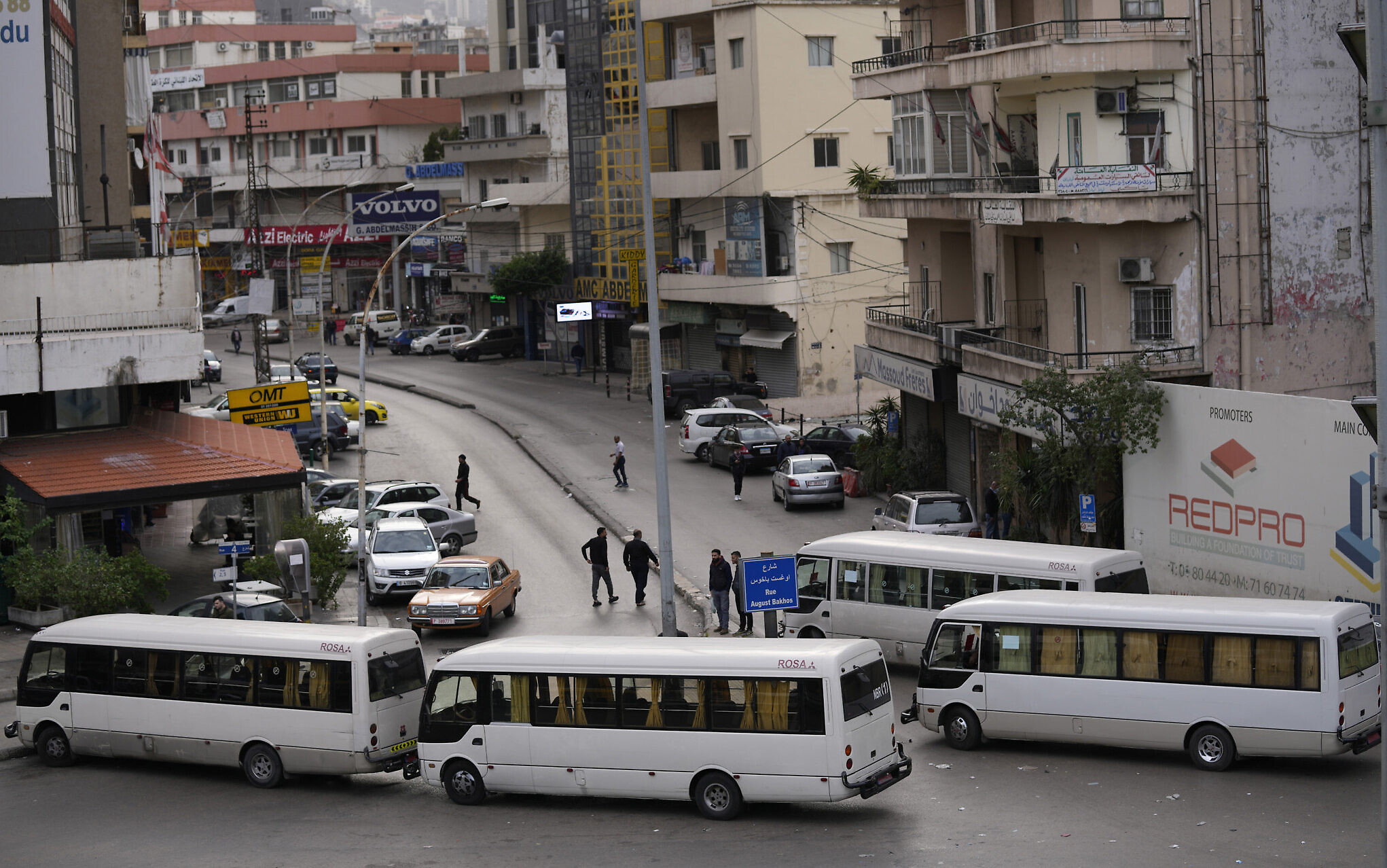
BEIRUT — Lebanon’s Hezbollah terror group and its main Shiite ally, Amal, say they are ending their boycott of cabinet meetings after a three-month deadlock that has worsened the small nation’s unprecedented economic meltdown.
The two Shiite groups say today in a joint statement they’ll attend cabinet sessions to approve a new budget and measures for dealing with the two-year crisis, and to discuss a recovery plan. They say they will attend because of the accelerated economic deterioration in recent weeks.
The two groups had boycotted the cabinet since October, demanding changes in the national probe of the devastating August 2020 explosion in Beirut’s port and effectively paralyzing the government.
Hezbollah had called for the judge in the port blast to be removed, accusing him of bias. Judge Tarek Bitar has meanwhile faced a slew of legal challenges and lawsuits calling for his removal, which forced him to suspend the probe at least four times. The probe is currently suspended.
Bitar had summoned and charged several senior officials on charges of intentional negligence that led to the explosion, which killed more than 200 people and injured thousands. The two Shiite groups vow to continue their efforts to remove the judge investigating the port blast.
Prime Minister Najib Mikati welcomes the decision of two groups to end their cabinet boycott. He said earlier this month the state budget should be ready for discussion within days.
Lebanon’s economic crisis, which began unfolding in late 2019, is rooted in years of mismanagement and corruption by the same political class that has been in power for years. The crisis has driven more than half of the population into poverty, sent the national currency tumbling and inflation and unemployment soaring.






The Times of Israel Community.