

 From the Liveblog of
Tuesday, December 2, 2025
From the Liveblog of
Tuesday, December 2, 2025
High Court orders government to justify law upping political influence over judicial appointments
 Add ToI as a Preferred Source on Google
Jeremy Sharon is The Times of Israel’s legal affairs and settlements reporter
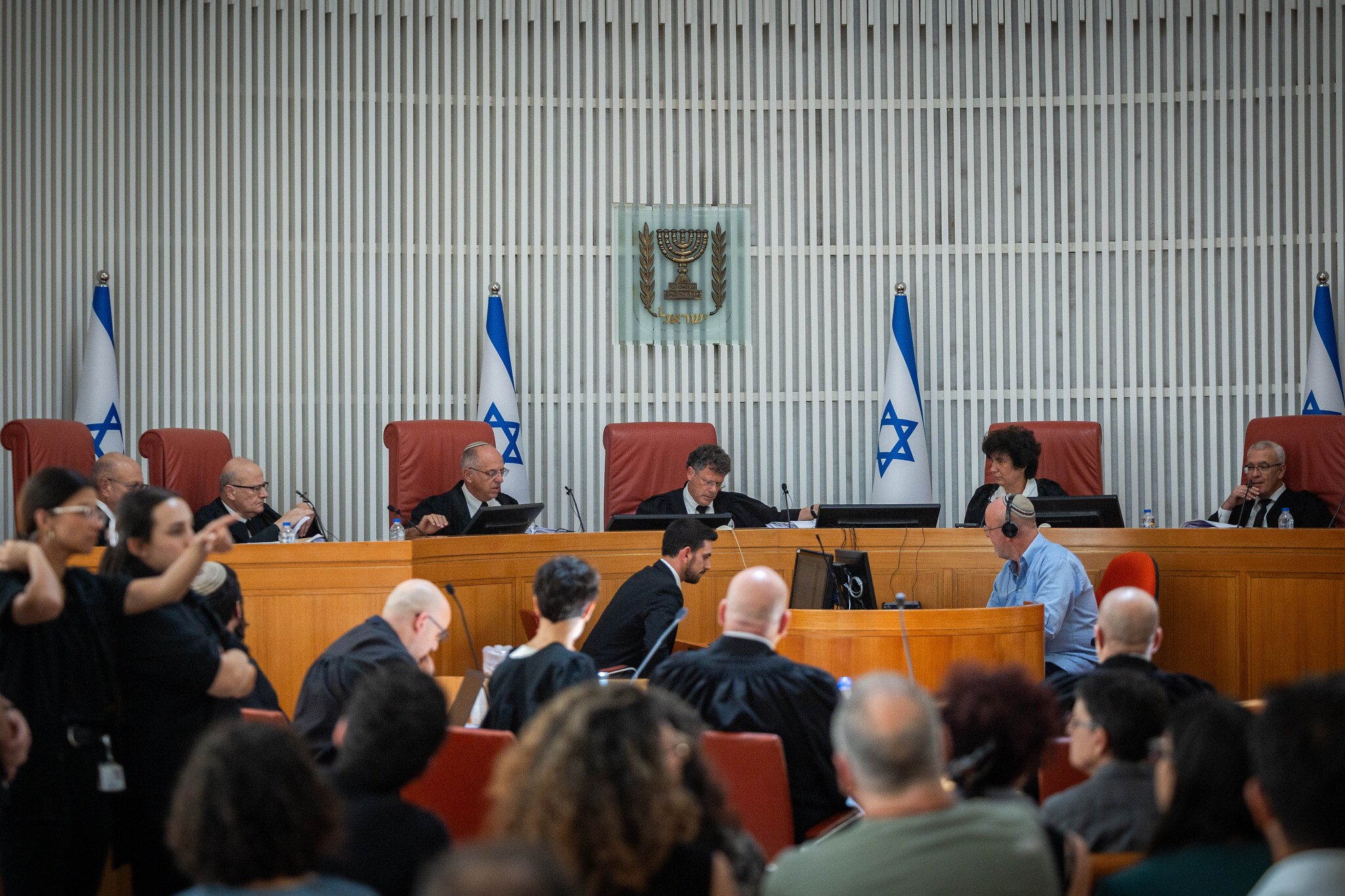
In the latest showdown between the government and the judiciary, the High Court of Justice issues provisional orders requiring the government to justify a far-reaching law it passed in March that greatly increased the influence of politicians over judicial appointments.
The court also expands the panel of justices hearing the case to all 11 serving judges on the High Court bench, since the law in question was an amendment to one of Israel’s quasi-constitutional Basic Laws. It amends Basic Law: The Judiciary, and the panel was expanded due to the controversial nature of asserting judicial review over such statutes.
The court orders the government to respond to the petitions by February 1.
Justice Minister Yariv Levin denounces the High Court for asserting judicial review over the legislation, condemning the court as “a clique of judges” that he claims has controlled judicial appointments and which, he says, “dare[s] intervene in a Basic Law that put an end to this illegitimate practice.”
Levin said he is calling on the Knesset “to take a firm stand against this unacceptable move.”
The Movement for Quality Government in Israel, one of the petitioners against the new law, says the court’s provisional orders “reflect the severity of the harm to the independence of the judiciary and the system of checks and balances in Israel’s democracy.” The group says the court orders are “another stage” in arresting the government’s “attempts to harm the rule of law and the judicial selection process at the foundation of our democracy since the founding of the state.”
The law, which will only go into effect after the next elections, gives political representatives from the coalition and the opposition, as well as representatives of the judiciary on the Judicial Selection Committee, veto power over lower court appointments, as opposed to the current system where no side has a veto.
And the law also removes any influence of the three judges on the committee over appointments to the Supreme Court, while granting the coalition and opposition vetoes.
The attorney general, three former Supreme Court presidents, and opposition parties argued that the changes would politicize the judicial appointments process and by extension the judiciary itself, as did the legal adviser to the Knesset Constitution, Law and Justice Committee, which prepared the law.










The Times of Israel Community.