

 From the Liveblog of
Tuesday, February 24, 2026
From the Liveblog of
Tuesday, February 24, 2026
India’s Modi to address Knesset tomorrow in two-day visit
 Add ToI as a Preferred Source on Google
Nava Freiberg is The Times of Israel's deputy diplomatic correspondent.
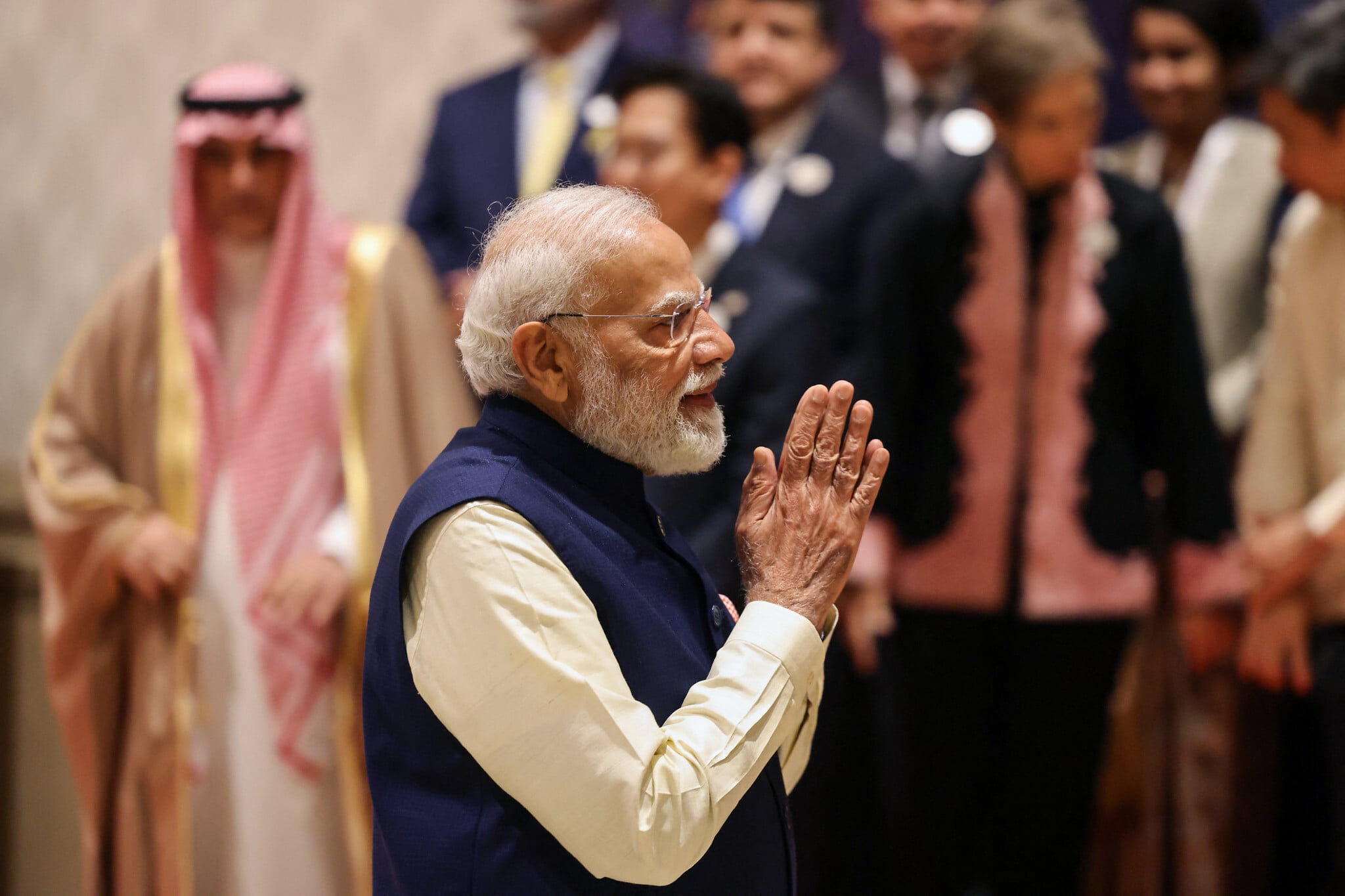
Indian Prime Minister Narendra Modi will arrive for his official visit to Israel tomorrow at 12:45 p.m. local time, according to a tentative schedule shared by Prime Minister Benjamin Netanyahu’s office.
The two premiers will hold a limited meeting at Ben Gurion Airport upon Modi’s arrival, before heading to Jerusalem, where at 4:30 p.m. they will be received in an official welcome ceremony at the Knesset. Modi is then slated to address the Knesset plenum, becoming the first Indian prime minister to do so, following an address by Netanyahu.
At 6 p.m., the leaders will attend an innovation event in Jerusalem, before having an official dinner at the King David Hotel together at 7:30 p.m.
On Thursday at 9 a.m., the two will visit the Yad Vashem Holocaust memorial center, as is customarily done with visiting heads of state. At 11 a.m., they will hold an expanded meeting at the King David Hotel, after which the premiers will exchange “agreements signed in advance” and deliver statements to the media, according to the Prime Minister’s Office.
Modi is also slated to meet with President Isaac Herzog on Thursday, according to Herzog’s office.
Modi is expected to depart Israel at 2 p.m. on Thursday.
Netanyahu said earlier this week that Modi’s visit will result in closer “economic cooperation, diplomatic cooperation, and security cooperation” with New Delhi, highlighting cooperation in the fields of “high-tech, in AI and in quantum.”
The premier added that Israel intends to create “an axis of countries” in or around the region, listing India, Greece, Cyprus, and unnamed Arab, African and Asian countries, “that see reality, the challenges, and the goals in the same way, in contrast to the radical axes,” which he named as “the radical Shiite axis” and “also the emerging axis — the radical Sunni axis.”








The Times of Israel Community.