

 From the Liveblog of
Monday, December 15, 2025
From the Liveblog of
Monday, December 15, 2025
Iran’s rial currency plummets to new low, sparking fears of higher food prices
 Add ToI as a Preferred Source on Google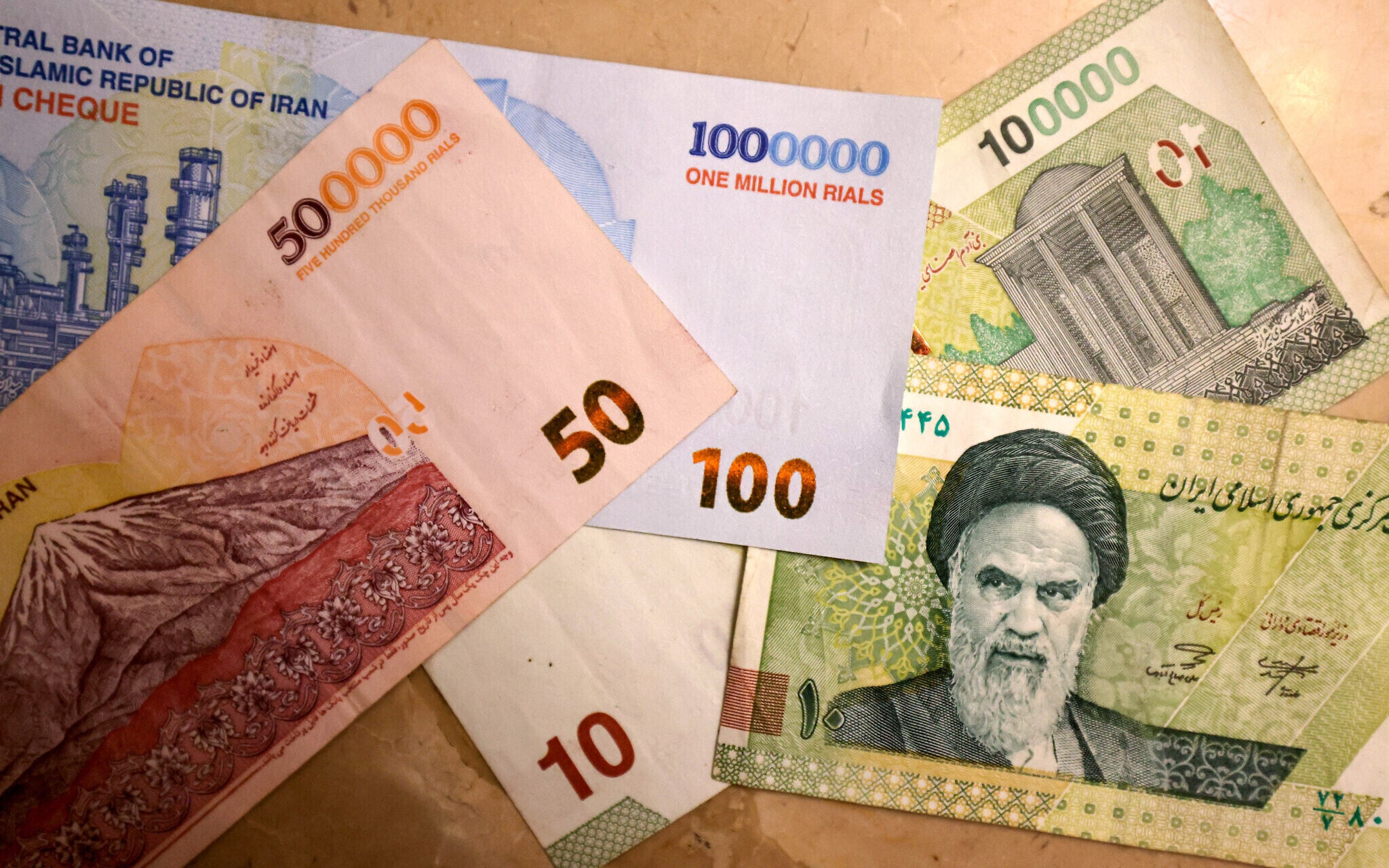
TEHRAN — Iran’s rial slides further to a new record low of more than 1.3 million to the US dollar, deepening the currency’s collapse less than two weeks after it first breached the 1.2-million mark amid sanctions pressure and regional tensions.
Currency traders in Tehran quote the dollar above 1.3 million rials, underscoring the speed of the decline since December 3, when the rial hit what was then a historic low. The rapid depreciation is compounding inflationary pressures, pushing up prices for food and other daily necessities and further straining household budgets, a trend that could be intensified by a gasoline price change introduced in recent days.
The fall comes as efforts to revive negotiations between Washington and Tehran over Iran’s nuclear program appear stalled, while uncertainty persists over the risk of renewed conflict following June’s 12-day war between Iran and Israel. Many Iranians also fear the possibility of a broader confrontation that could draw in the United States, adding to market anxiety.
Iran’s economy has been battered for years by international sanctions, particularly after Donald Trump unilaterally withdrew the United States from Tehran’s nuclear deal with world powers in 2018. At the time the 2015 accord — which sharply curtailed Iran’s uranium enrichment and stockpiles in exchange for sanctions relief — was implemented, the rial traded at about 32,000 to the dollar.
After Trump returned to the White House for a second term in January, his administration revived a “maximum pressure” campaign, expanding sanctions that target Iran’s financial sector and energy exports. Washington has again pursued firms involved in trading Iranian crude oil, including discounted sales to buyers in China, according to US statements.
Further pressure followed in late September, when the United Nations reimposed nuclear-related sanctions on Iran through the “snapback” mechanism. Those measures once again froze Iranian assets abroad, halted arms transactions with Tehran and imposed penalties tied to Iran’s ballistic missile program.









The Times of Israel Community.