

 From
From Knesset panel legal aide slams government’s politically appointed Oct. 7 inquiry bid as undermining an independent probe
 Add ToI as a Preferred Source on Google
Ariela Karmel is a political correspondent at The Times of Israel. She previously reported for Calcalist and Haaretz. She holds an MA in Middle Eastern and African History from Tel Aviv University and a BA in Political Science from the University of British Columbia.
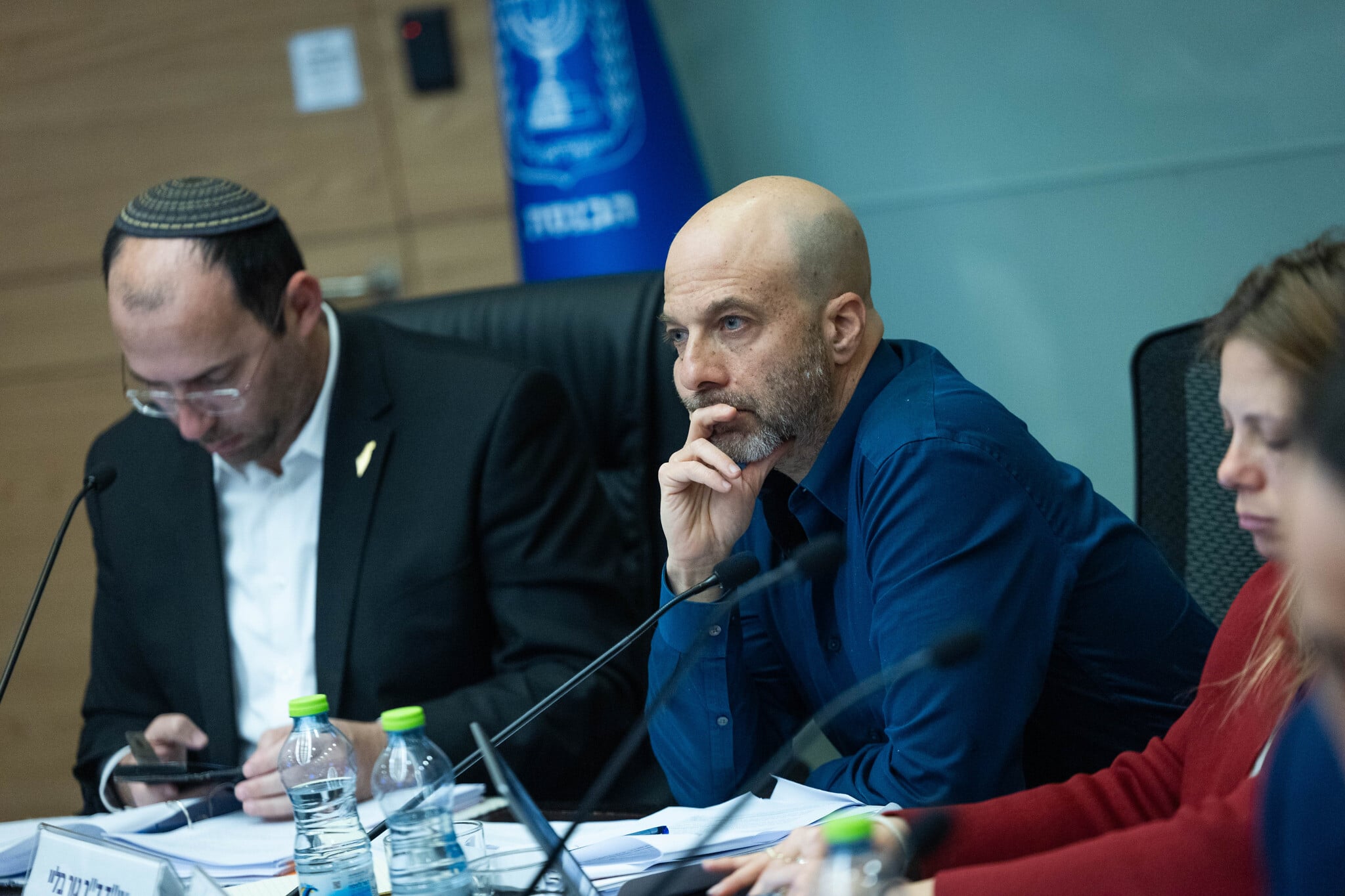
Knesset Constitution, Law and Justice Committee legal adviser Gur Bligh says that the coalition’s proposed legislation establishing a politically appointed commission into the events of October 7, 2023, would undermine its own stated purpose of a full and independent investigation, particularly due to the government’s role in defining the mandate of the body and the Knesset’s control of appointments.
In a letter sent last night to the committee, which is currently debating the bill, and published today by the Knesset Spokesperson’s Office, Bligh strongly criticizes the bill’s proposal to give the government the power to set the commission’s mandate.
“The party that determines the scope of the inquiry — what will be investigated and what will not be — can influence the course of the inquiry even before it begins. Granting this authority to the government may undermine the purpose that the bill sets for itself: to bring about a full and independent investigation, based on parity between the coalition and opposition, and thus broad public trust,” he says.
Bligh also questions whether the Knesset is the “appropriate body” to establish the committee and appoint its members, since the involvement of “political actors” could undermine public trust in the inquiry.
The bill proposes that the Knesset appoint the members of the committee leading the investigation by a vote of 80 members. If such a majority cannot be reached, half of the members will be appointed by the coalition and half by the opposition and, barring that, members will be appointed by the Knesset speaker.
With opposition parties having pledged to boycott the commission, the bill would effectively give the government exclusive power to appoint its members, with no input from the opposition.
Because the proposed process for selecting the members ultimately gives power to the Knesset speaker — a member of the coalition — this “contradicts the objective of parity” and is “inconsistent with the declared purpose of the bill,” Bligh says.
The coalition voted in December in favor of a preliminary reading of Likud MK Ariel Kallner’s bill to set up a politically appointed probe instead of an independent state commission of inquiry, in a move largely opposed by hostages’ families and the relatives of those murdered on October 7.
Prime Minister Benjamin Netanyahu has long opposed the formation of a state commission of inquiry, claiming that because a state commission is appointed by the judiciary – whose powers his government has sought to curb – it would be biased against him.




The Times of Israel Community.