

 From the Liveblog of
Wednesday, January 21, 2026
From the Liveblog of
Wednesday, January 21, 2026
Knesset votes down Gantz’s security cabinet regulation bill, as he accuses body of leaks
 Add ToI as a Preferred Source on Google
Ariela Karmel is a political correspondent at The Times of Israel. She previously reported for Calcalist and Haaretz. She holds an MA in Middle Eastern and African History from Tel Aviv University and a BA in Political Science from the University of British Columbia.
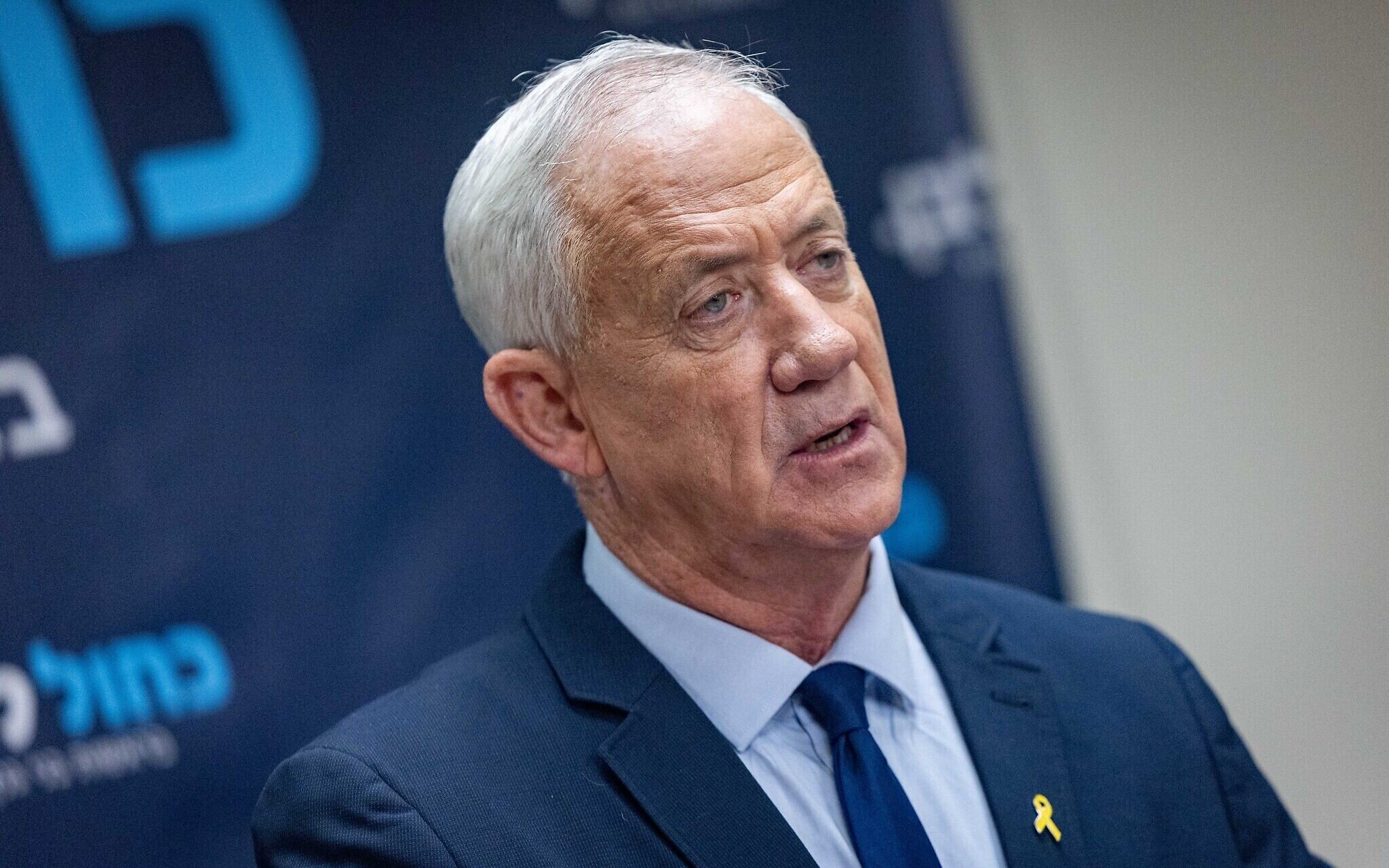
The Knesset votes down an opposition bill to regulate the security cabinet, as its sponsor, Blue and White chair Benny Gantz, harshly rebukes the existing cabinet which he accuses of being incompetent and prone to leaks.
Speaking before the plenum, Gantz says that when he served as IDF chief of staff, he was “instructed not to share information with cabinet members because we knew it would be leaked.”
He also claims that when he served in the security cabinet following the October 7 Hamas attack, he witnessed another member leaking information in the middle of a cabinet meeting.
“I saw and heard one of the senior ministers speaking loudly on the phone, describing what was going on in the closed room while the discussion was still taking place — leaking in real time what was happening in the room,” Gantz alleges, without naming the minister.
Gantz says that “cabinet membership has become a perk,” adding that he remembers cabinet discussions that included more than 50 participants. “The discussions drag on, the ability to prevent leaks is nonexistent, and the ability to hear the professionals and make substantive decisions is eroded,” he continues.
“Israeli governments are harming the country’s security for the sake of jobs and honors. That is the situation,” he says, adding that “the security cabinet is unfit to manage Israel’s security.”
Under the law, only six members of the Ministerial Committee for National Security Affairs, more commonly known as the security cabinet, are legally required to serve on it. However, it currently has 11 formal members in addition to several other ministers and guests who regularly attend.
Gantz’s bill aimed to shrink the size of the body and bar those who didn’t serve in the military or national service, such as National Security Minister Itamar Ben Gvir, from eligibility.








The Times of Israel Community.