

 From the Liveblog of
Thursday, April 2, 2026
From the Liveblog of
Thursday, April 2, 2026
Lebanon PM says his country is victim of a ‘war of others,’ decries Israeli buffer zone plans
 Add ToI as a Preferred Source on Google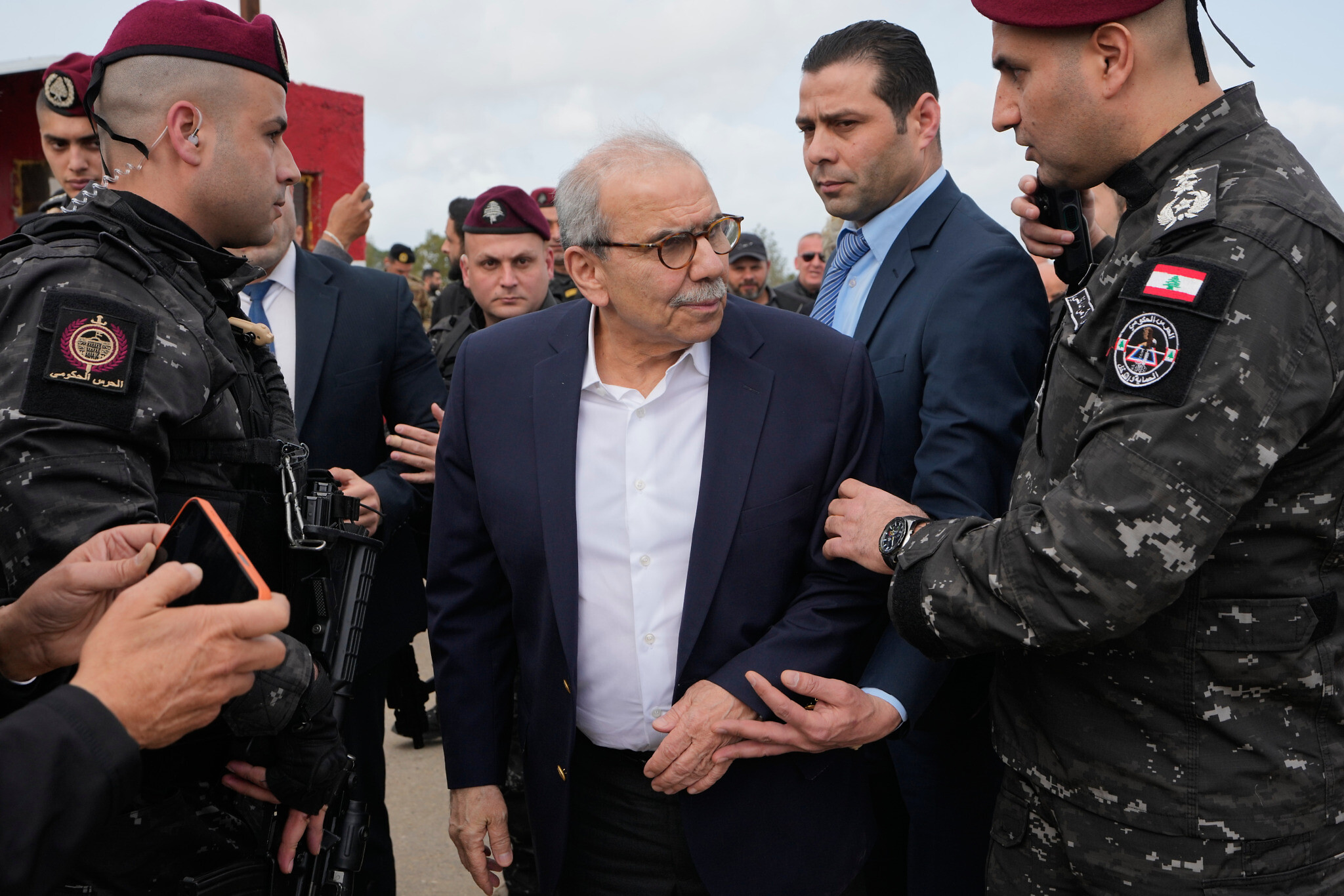
Lebanese Prime Minister Nawaf Salam warns that Israeli statements and military actions point to “a significant expansion in the occupation of Lebanese territory, dangerous talk of establishing buffer zones or security belts, and displacement that has exceeded more than one million Lebanese.”
“It has become clear that the Israeli aggression against Lebanon will not be limited” to ongoing operations since the November 2024 ceasefire,” Salam says in a public statement following a cabinet session.
Israel, for the past 16 months, even before the renewed conflict with Hezbollah, struck southern Lebanon almost daily, targeting what it says were Hezbollah members and infrastructure.
Israel announced last week that it would enlarge a “buffer zone” up to the Litani River, effectively occupying an estimated 10% of Lebanon. Prime Minister Benjamin Netanyahu said Sunday that he ordered Israel’s military to “further expand the existing security zone” to counter Hezbollah rocket fire.
Salam also says that his country is a victim in a “war of others.”
“We will spare no effort to mobilize Arab and international support,” he says, calling for intensified diplomatic efforts to stop the war.
Beirut has sought to implement provisions of the US‑brokered ceasefire of November 2024, requiring the Lebanese state to have a monopoly on arms and prevent Hezbollah and other non-state armed groups from conducting military operations. Lebanon’s cabinet in March 2026 banned Hezbollah’s military activities and demanded it hand over its weapons, and Lebanese authorities and the army said they completed a first phase of disarming Hezbollah south of the Litani River.
But that hasn’t stopped Hezbollah from repeatedly firing into Israel from southern Lebanon in the month since Israel began its latest attacks on Iran.
“Nothing reinforces linking the conflict on our land to the wars of others” more than reports of “joint and simultaneous operations,” Salam says, referring to the cross-border fire, supported by Iran, that provoked Israel’s overwhelming response. Salam says Lebanon is “the victim of a war whose outcomes or end date no one can predict.”




The Times of Israel Community.