

 From the Liveblog of
Wednesday, August 12, 2026
From the Liveblog of
Wednesday, August 12, 2026
New Eurovision rules say winning country cannot host if it’s engaged in ‘armed conflict’
 Add ToI as a Preferred Source on Google
Amy Spiro is a reporter and writer with The Times of Israel
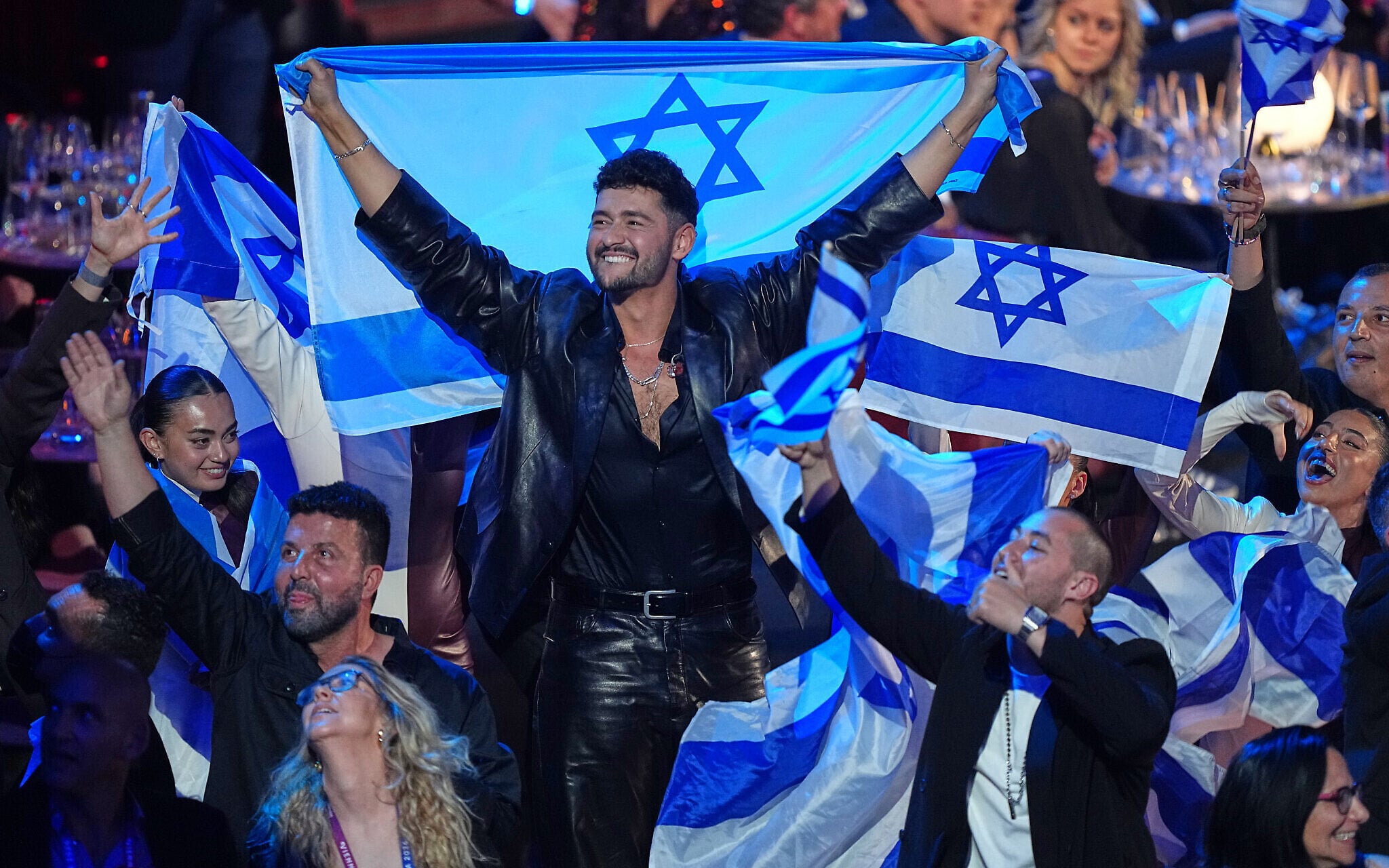
The European Broadcasting Union issues new rules ahead of next year’s competition seemingly aimed at ensuring Israel will not be able to host the 2028 contest even if it wins next year.
Generally, the EBU regulations stipulate that the country which wins the contest hosts the following year — but a number of exceptions have been made. Ukraine won in 2022, but the 2023 competition was hosted in the UK due to the ongoing war in the country. Countries have also given up their right to host in the past, including Israel when it won back-to-back in 1978 and 1979.
According to fresh rules posted on the Eurovision site today, the EBU “may designate another Participating Broadcaster to host the Event” if it determines that the winner is unable to do so.
“Where an armed conflict, a sensitive geopolitical situation, or any other situation materially affects the security, safety or stability of the immediate region of a Participating Broadcaster, that Participating Broadcaster shall not be eligible to host the next ESC should its entry win,” the new regulations state.
The EBU could, however, determine that the country is eligible to host if it is “satisfied that the safety, security, integrity, continuity and smooth operational delivery of the Event can reasonably be guaranteed.”
The regulations also note that the “’immediate region’ means the country of the Participating Broadcaster concerned and/or neighbouring territories where such a situation has a direct and material impact on its security environment.”
The new rules have been widely reported as aimed directly at the possibility of an Israeli win in future competitions, amid ongoing Israeli conflicts in Gaza, Lebanon and with Iran.
At this year’s contest in Vienna, Israel’s Noam Bettan came in second place, as did Yuval Raphael last year. The close calls alarmed many Eurovision viewers who did not deem Israel a safe or comfortable host for the song contest. Israel most recently hosted in 2019, after Netta Barzilai won a year earlier with “Toy.”
The 2027 competition is slated to be held in Bulgaria in May of next year. The final dates and host city are slated to be announced by the EBU tomorrow.








The Times of Israel Community.