

 From the Liveblog of
Sunday, October 5, 2025
From the Liveblog of
Sunday, October 5, 2025
Syria holding limited vote for parliament, seen as litmus test of minority rights
 Add ToI as a Preferred Source on Google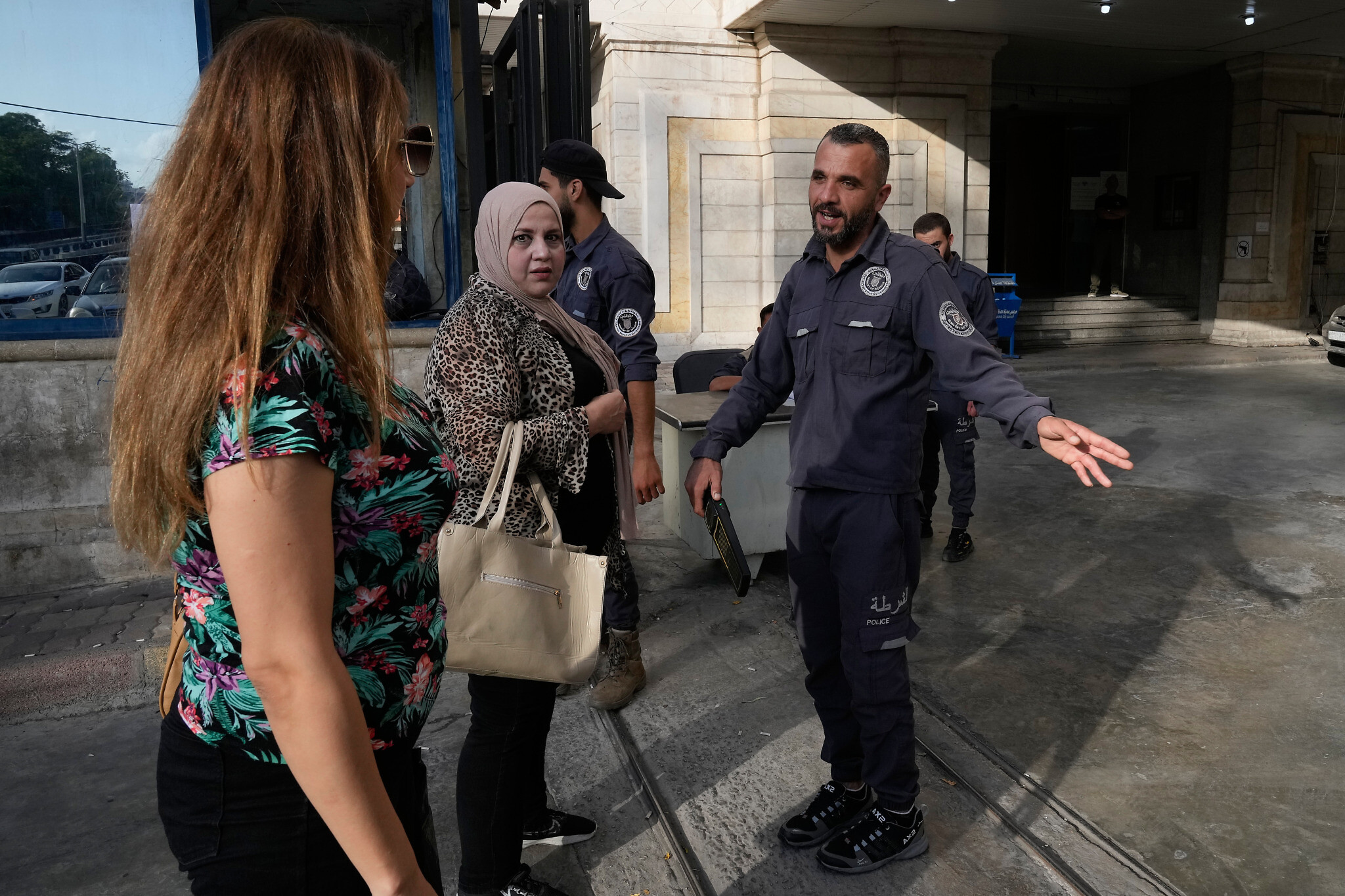
Polls are opening in Syria, which is holding its first parliamentary elections since the fall of the country’s longtime autocratic leader, Bashar al-Assad, who was unseated in a rebel offensive in December.
Among those running for one of the 120 seats up for grabs in the People’s Assembly is Henry Hamra, a Syrian Jew who fled to the US in 1992 and who is now seeking to represent the Damascus district.
The vote is not open to the general public. Rather, some 6,000 members of an electoral college will vote on behalf of those in their district, while about a third of the Assembly’s 210 seats will be appointed directly by interim President Ahmed al-Shara’a.
Still, the election results will likely be taken as a barometer of how serious the interim authorities are about inclusivity, particularly of women and minorities.
If elected, Hamra would be the first Jewish representative to enter parliament since 1947, according to Syrian historian Sami Moubayed.
In the Jewish Quarter of the Old City of Damascus on Friday, an AFP photographer saw posters on walls bearing Hamra’s image alongside the Syrian flag and reading: “Candidate for Damascus for the Syrian People’s Assembly.”
Elections in the Druze-majority Sweida province and in areas of the northeast controlled by the Kurdish-led Syrian Democratic Forces have been indefinitely postponed due to tensions between the local authorities in those areas and the central government in Damascus, meaning that those seats will remain empty. Their exclusion has raised questions about representation of communities that are not part of the Sunni Arab national majority.
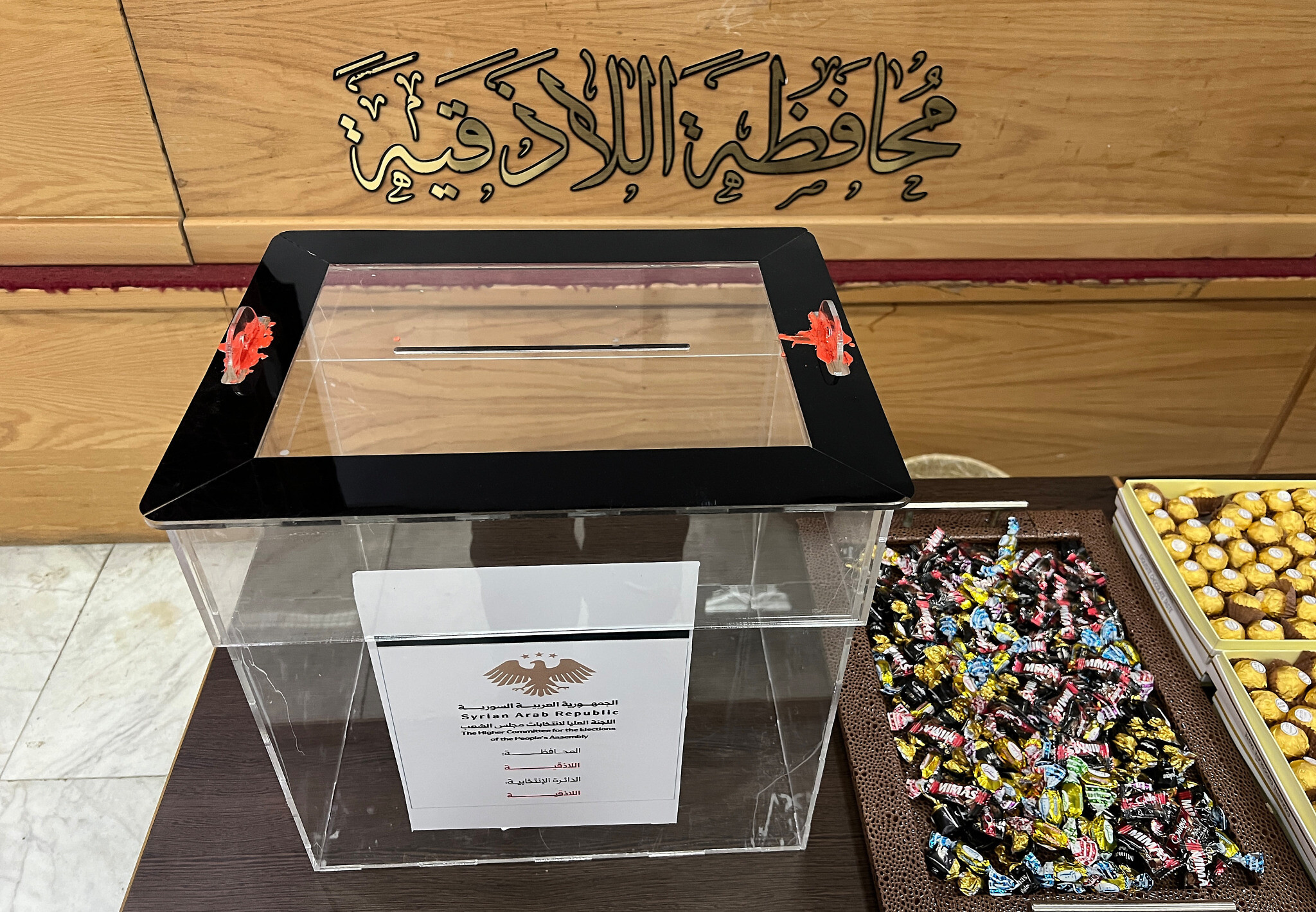
However, Benjamin Feve, a senior research analyst at the Syria-focused Karam Shaar Advisory consulting firm, notes that electoral districts have been drawn in such a way as to create minority-majority districts.
“What the government could have done if it wanted to limit the number of minorities, it could have merged these districts or these localities with majority Sunni Muslim districts,” he says. “They could have basically drowned the minorities, which is what they didn’t do.”
State-run news agency SANA, citing the head of the national elections committee, Mohammed Taha al-Ahmad, reports that women make up 14% of the 1,578 candidates. In some districts, women make up 30 or 40% of all candidates, while in others, there are no female candidates.
AFP contributed to this story.





The Times of Israel Community.