

Loose clips sink ships? US warns Mideast troops against filming bases, said to weigh seizing phones
CENTCOM chief says cost of social media posts by soldiers ‘could be measured in the lives of American service members and civilian residents in Gulf countries targeted by Iran
 Add ToI as a Preferred Source on Google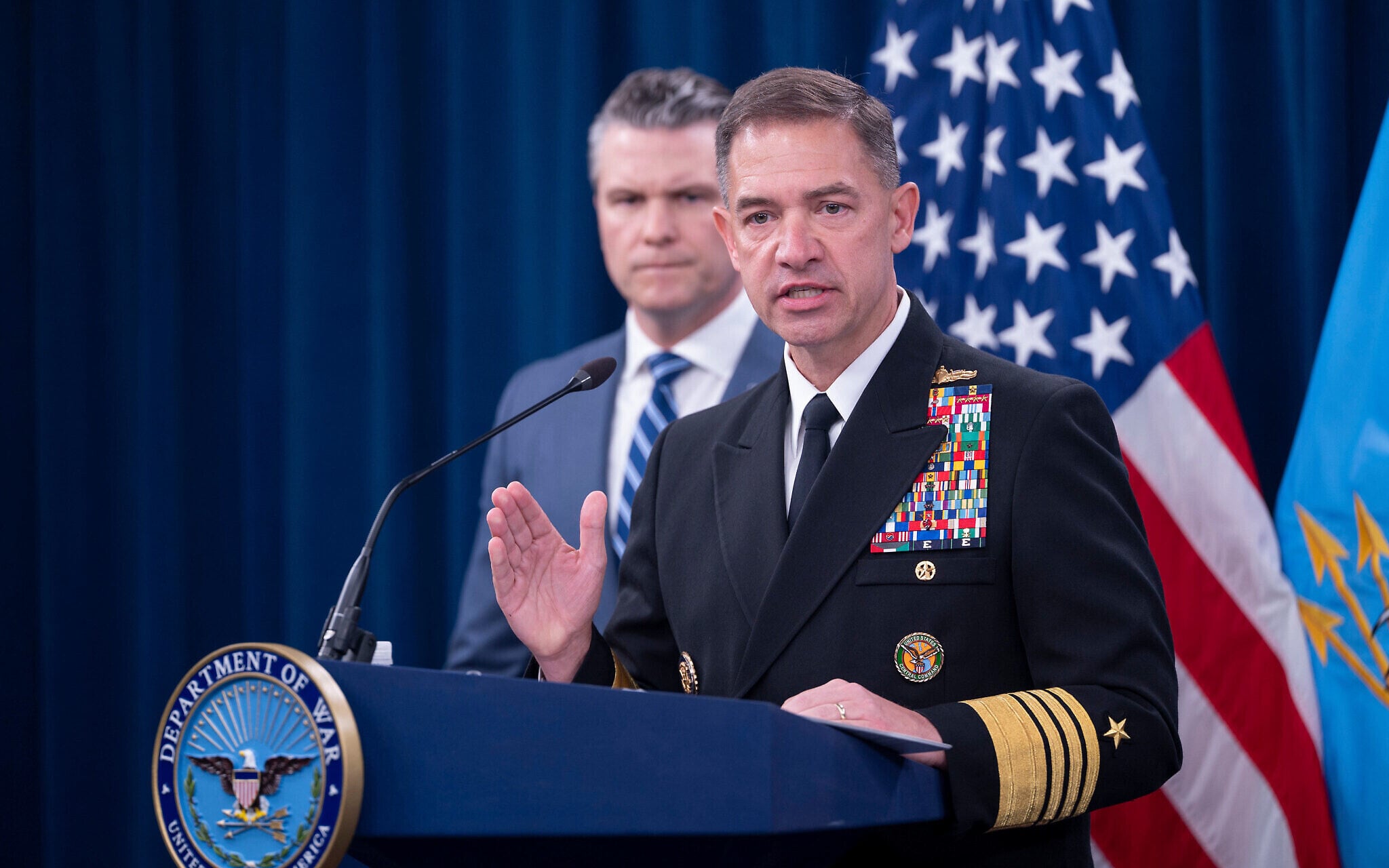
REUTERS — The US military’s top Middle East commander has warned troops that cellphone videos shared online can help Iran target American bases, and sources told Reuters some deployed personnel could soon be ordered to surrender their phones.
Any crackdown on mobile communications would add a new dimension to the conflict for the thousands of US troops in the region, many of whom still rely on phones to message loved ones periodically and assure them they are well.
Admiral Brad Cooper, in a previously unreported letter, said Iran was benefiting from being able to see the success or failure of its strikes in near real-time by searching news reports or online posts by journalists mentioning “reactions, photos, and footage from the cellphones of our troops.”
“The direct, unavoidable cost of this open-source intelligence could be measured in the lives of American service members and civilian residents in targeted Gulf countries,” Cooper, head of the US military’s Central Command (CENTCOM), wrote in his July 28 letter, a copy of which was obtained by Reuters.
He called on troops to “redouble our focus on operational security,” without prescribing specific steps in the memo.
In Jordan, which has been a frequent target of Iranian strikes, some troops have been told their phones will be confiscated in the coming days, two sources familiar with the matter told Reuters.
A third source said such a move was being considered in the region due to operational security concerns but did not present the confiscation as a certainty.
Footage captured by a U.S. soldier reportedly shows an Iranian missile barrage targeting Muwaffaq Salti Air Base in Jordan. pic.twitter.com/AHUeOeiLKA
— Breaking911 (@Breaking911) July 22, 2026
The warning underscored the mounting tensions between real-time news reporting on the war, often aided by satellite imagery and first-person accounts, and the desire by the US military to restrict any information that could aid Iran as it tries to kill and wound US troops.
Asked for comment, CENTCOM spokesperson Captain Timothy Hawkins said: “The message is a general reminder to our service members on the importance of maintaining operational security. This is one of many opportunities Admiral Cooper has used to convey operational priorities.”
Social media lapses
In a clip posted online this month, a US service member recorded a video as soldiers ran for shelter during a deadly Iranian attack on the Muwaffaq Salti Air Base in Jordan on July 17.
Cooper appeared to reference the footage in his letter, saying it had been recorded on Meta smart glasses with a built-in camera.
“Video captured from a service member’s Meta glasses was posted on Instagram showing where and how the individual had evacuated to a bunker during an Iranian missile and drone attack,” Cooper wrote.
Iran would normally have a tough time determining the success or failure of its strikes, were it not for such accounts, Cooper said, thanks to the US military’s electronic jamming or other tactics used in war zones.
Footage of the Iranian ballistic missile strike on Muwaffaq Salti Air Base in Jordan last night.
At least two missiles hit the base, killing two American service members. pic.twitter.com/8tOm6yyXwe
— OSINTtechnical (@Osinttechnical) July 18, 2026
“Iran knows the weapons were fired; however, their forces do not know if they missed by 50 meters, hit an empty tarmac, or successfully struck a crowded facility,” he wrote. “Detailed lists, descriptions, and analyses of what was hit, openly published by news outlets, are essentially performing Iran’s Battle Damage Assessment (BDA) for them, free of charge,” Cooper said.
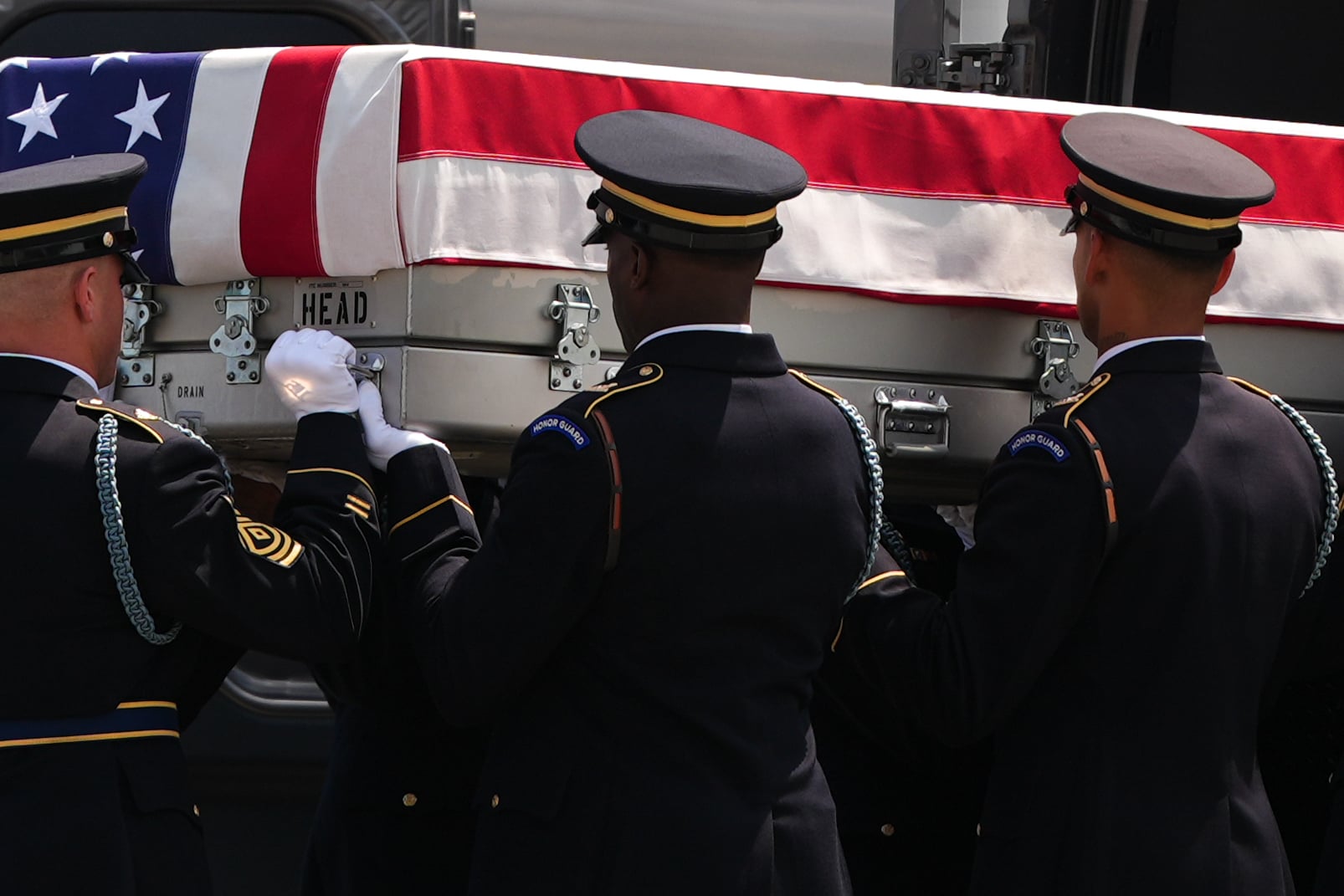
Some 18 US troops have died in the conflict with Iran that started with US-Israeli strikes on February 28, and more than 600 have been wounded in the fighting, casualties that have deepened Americans’ concerns about a war that just one in three Americans support.
Democratic lawmakers have called for more information about the war, including details about damage to US infrastructure on bases, including radar towers, barracks, and aircraft hangars. They have also called for the release of a US military investigation into a likely US strike on a girls’ school in Iran, first reported by Reuters, on the opening day of the war on February 28, which killed more than 100 people.
Rules surrounding cell phone use for deployed troops can vary widely across the military, officials say. Many troops have to lock them away, and cell phones can be banned on particularly sensitive missions by special operations forces, for example.
But the possible seizure of phones has stoked anxiety among some family members, already on edge in recent months, as they read Iranian claims of deadly strikes on bases throughout the Middle East, two of the sources said.
US officials have cautioned for years that certain applications on mobile devices, like fitness applications, can be exploited by adversaries because of location data. Reuters reported in May that commercially available location data harvested from smartphones or other devices has been used to target or surveil US forces.
At the same time, the Pentagon has sought to carefully control the release of information due to what it says are operational security concerns, often declining to comment on Iran’s attack claims or detail individual incidents that led to injuries of US troops.
Cooper said details on strikes can help Iran mount follow-up attacks.
“Detailed public disclosures can become an immediate green light for Iranian forces to launch a secondary, much more devastating wave of attacks,” he said.







The Times of Israel Community.