

Man’s best friend is hero in ‘family’ Holocaust film told through dog’s eyes
Based on successful Israeli novel, movie ‘Shepherd: The Story of a Jewish Dog’ pares down complex narrative to convey historical and ethical lessons to younger generations
 Add ToI as a Preferred Source on Google
Renee Ghert-Zand is the health reporter and a feature writer for The Times of Israel.
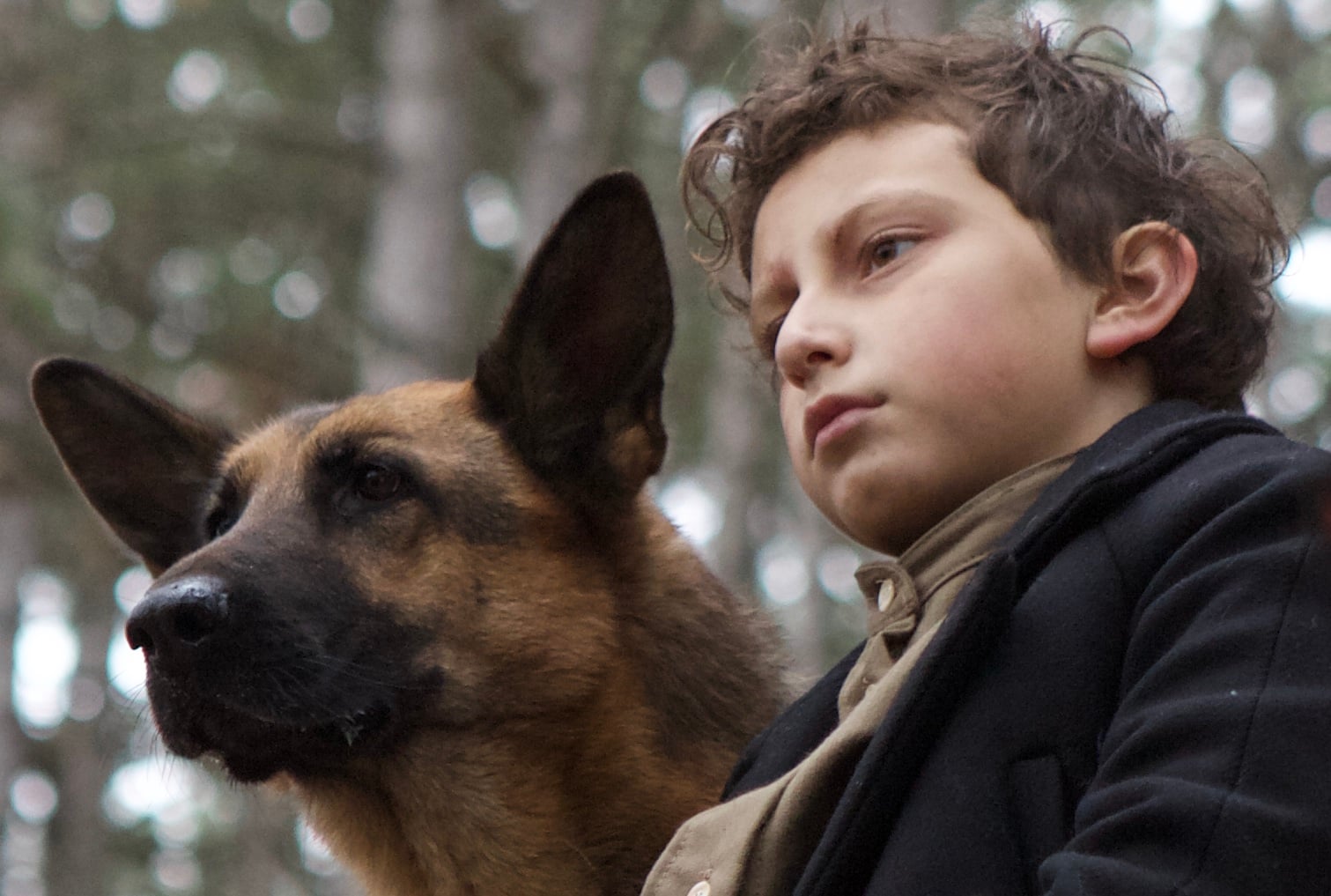
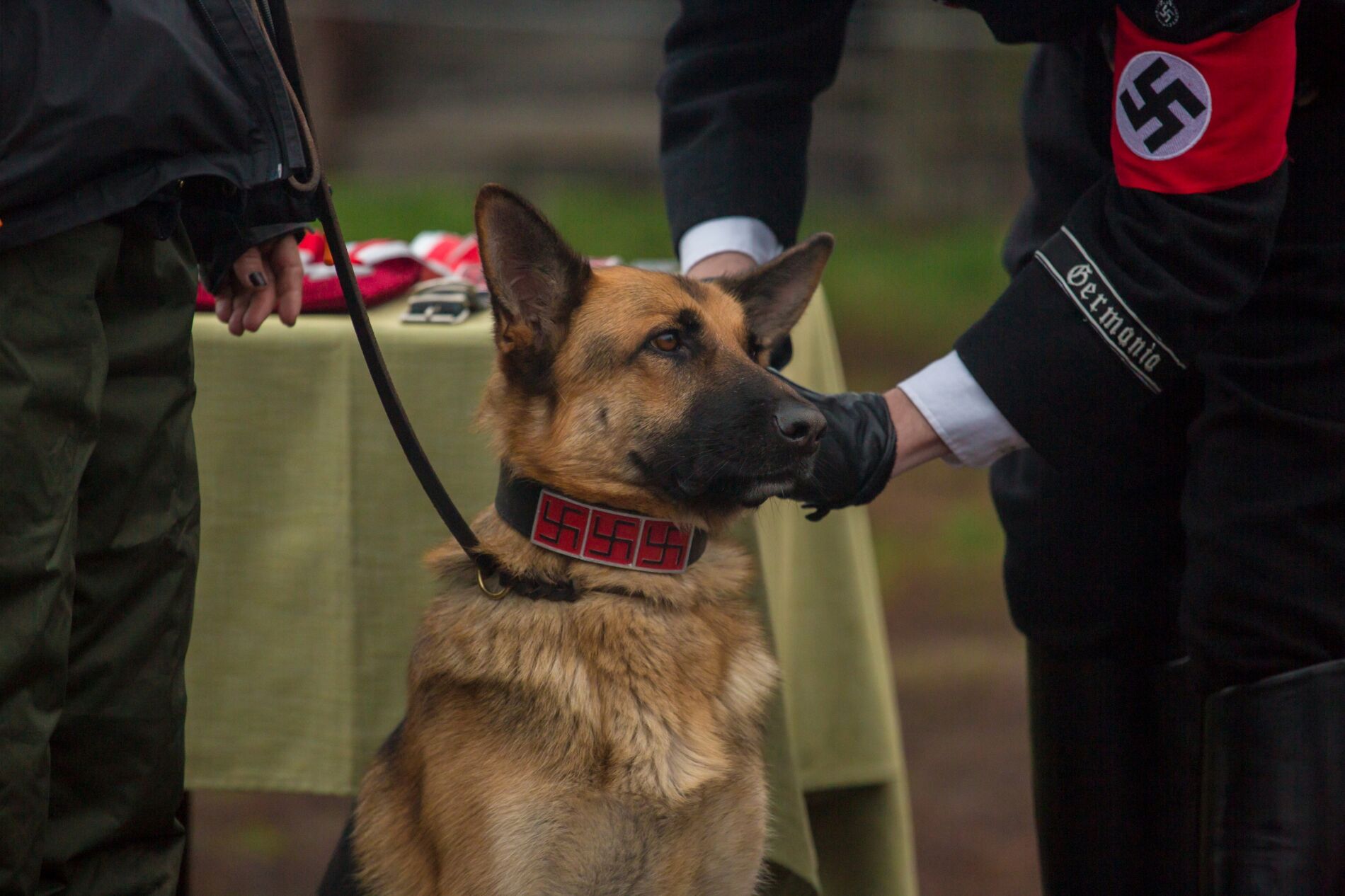
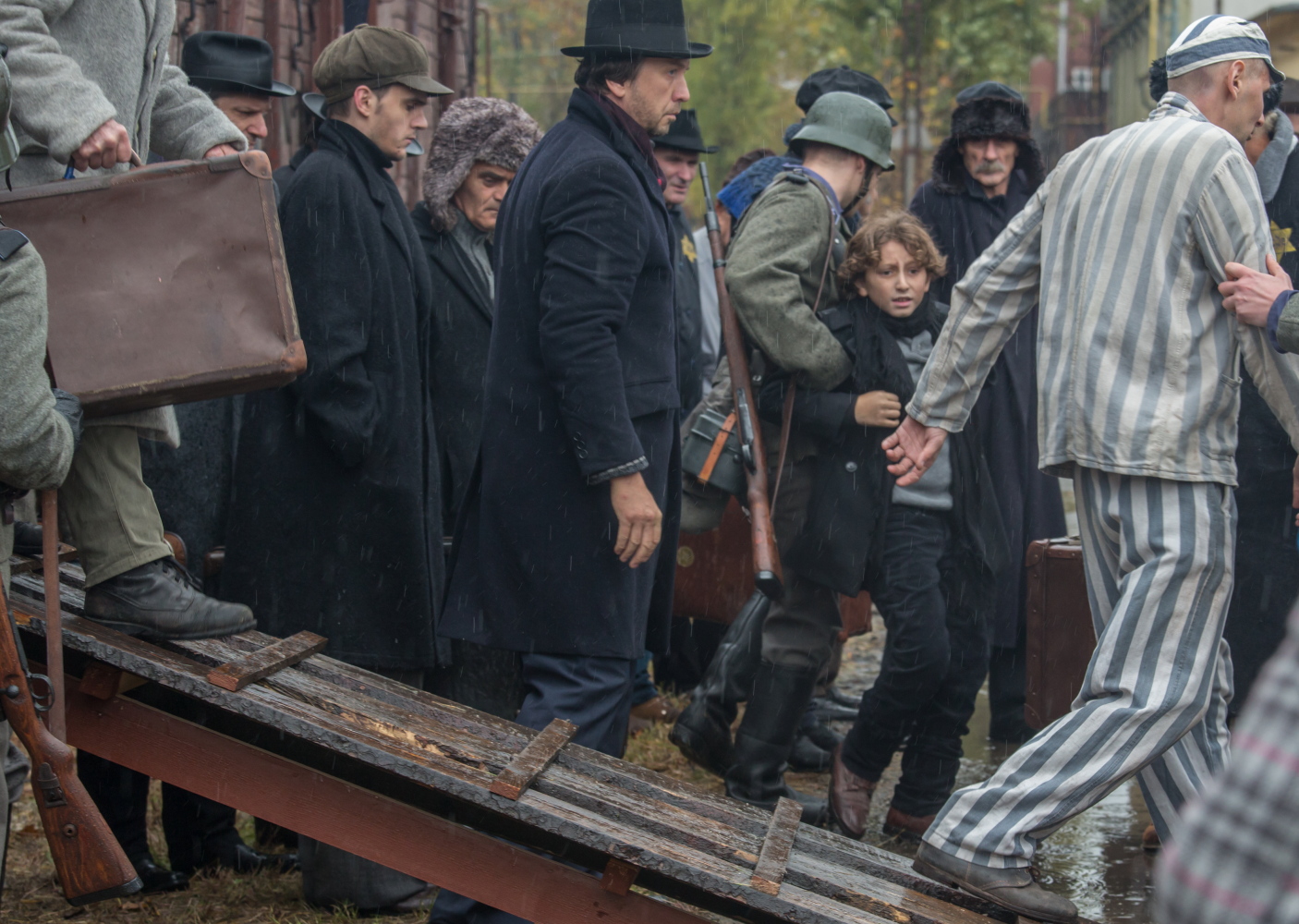
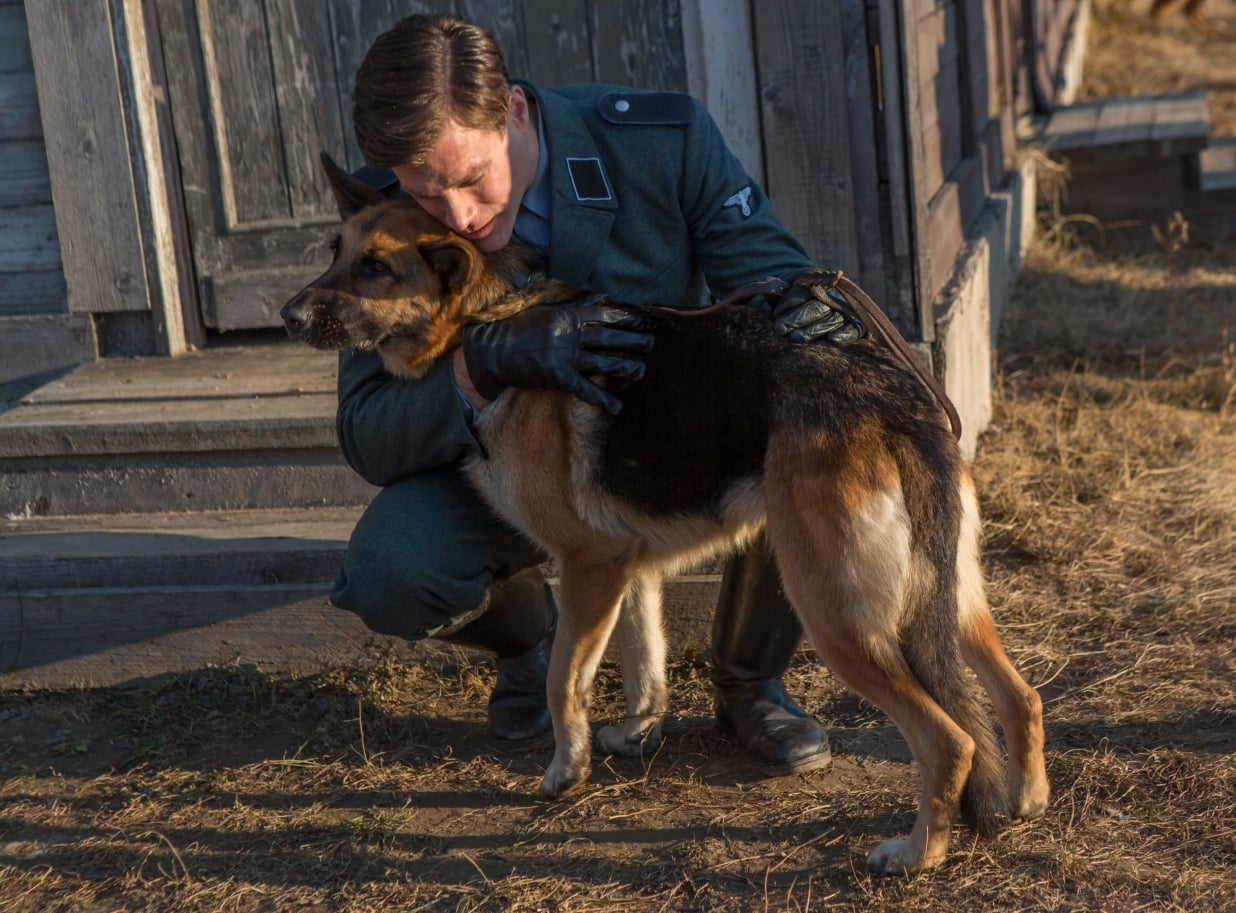
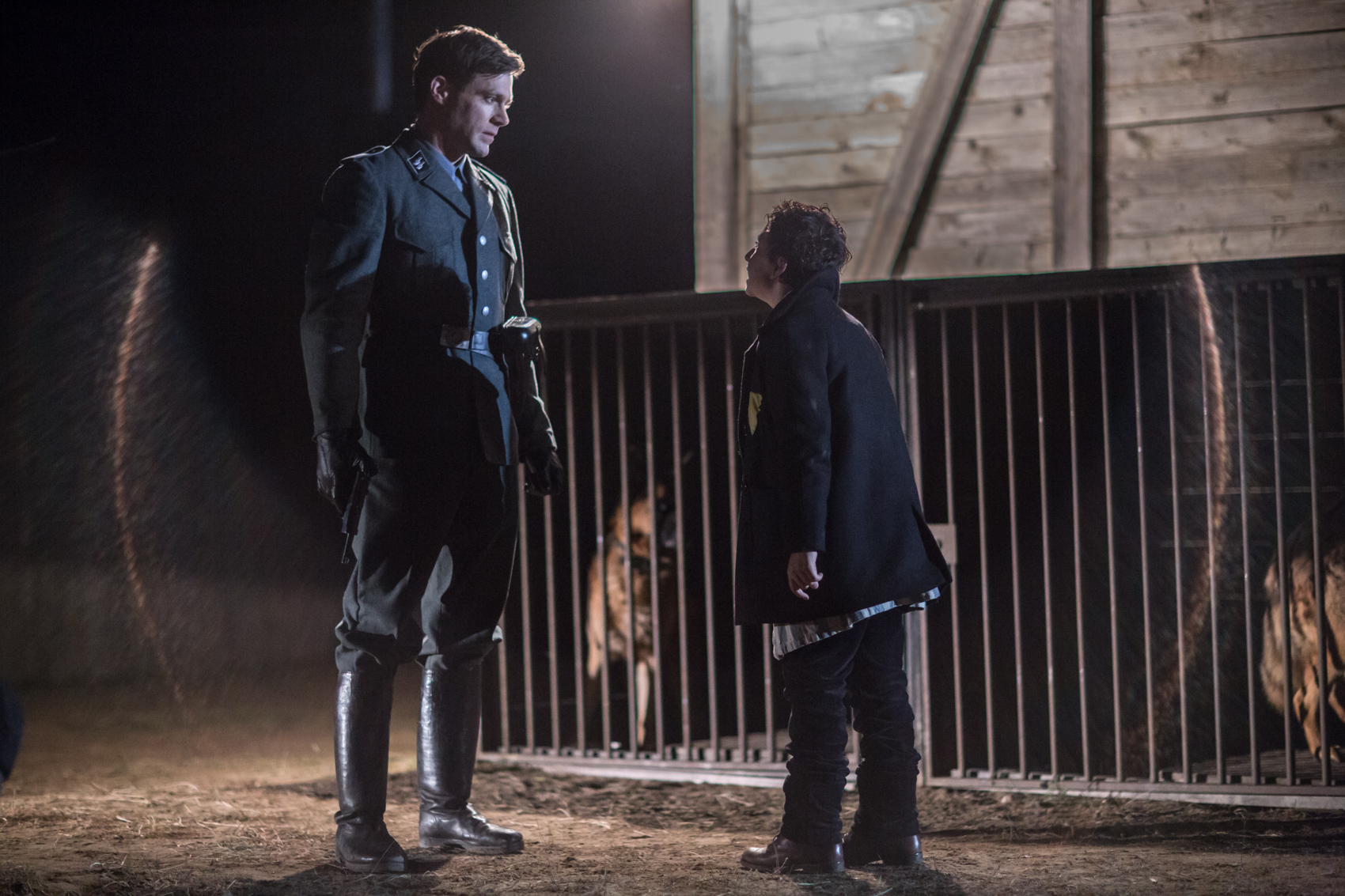
Cross “Lassie Come Home” with the Holocaust, and you get “Shepherd: The Story of a Jewish Dog,” a film opening nationwide in the United States on May 28.
Defying conventional classification, “Shepherd” is a scripted movie about a boy and his dog geared to a general viewing audience (ages 11 and up). But with the genocide of 6 million of Europe’s Jews as its backdrop, it’s as much — if not more — about providing edification than viewing pleasure.
“The statistics about so few young people knowing what Auschwitz was are really troubling. It is our responsibility to keep [Holocaust] stories alive in any way we can,” said the film’s writer and director Lynn Roth in explaining the rationale for this family film about the Holocaust.
In an interview with The Times of Israel from her home in Los Angeles, Roth said she identified her way for conveying Holocaust history to younger generations back in 2007. She was teaching a master class in filmmaking, and an Israeli student introduced her to Israeli author Asher Kravitz’s then-newly published novel, “The Jewish Dog.” (It was published in English translation in 2015.)

“I was totally wowed by its unique perspective,” said Roth, who determinedly read through the original Hebrew version with help from her late mother, who was raised in British Mandate Palestine before immigrating to the US in the 1940s.
Roth optioned the book year after year until she was finally able to start developing the movie in 2014, with filming eventually taking place in and around Budapest.
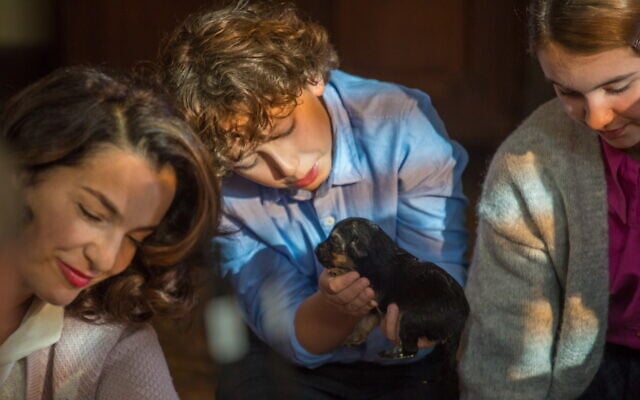
Kravitz’s novel is narrated by a dog named Caleb, who originally belongs to a Jewish family in Germany in the 1930s. When the Nazi racial laws deny Jews the right to own pets, the family is forced to give Caleb away to a non-Jewish colleague of the father. Various adventures and escapes ensue until Caleb winds up in a pound, but is then chosen for Nazi guard dog training.
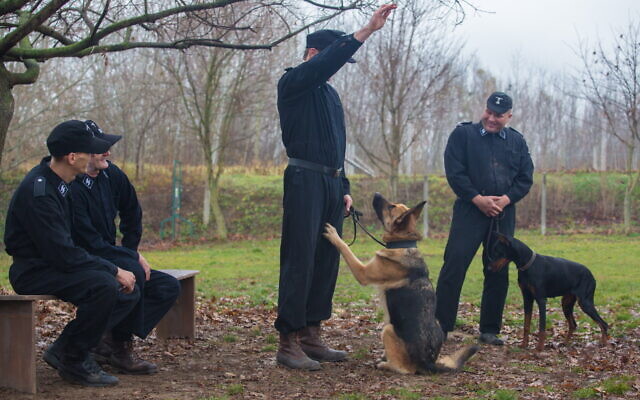
In the process of the training, Caleb develops a strong mutual bond with his trainer and partner, a loyal Nazi soldier named Ralph. After completing his course with distinction, Caleb — now named Blitz — and his handler are posted to a concentration camp, where they guard and terrorize the inmates.
As fate would have it, Joshua, a son of the Jewish family that originally owned Caleb, is deported to the very same concentration camp. Canine and boy recognize one another. Eventually, Caleb shows where his true love and loyalty lie and helps Joshua and other inmates escape.
Those familiar with Kravitz’s book will recognize its basic outlines in “Shepherd,” but not its tone. “The Jewish Dog” is at its heart a political and philosophical commentary on 1930s Germany, the Holocaust, and the inherent differences between man and beast. The book is edgy and sardonic, and even whimsical at times (Caleb prays to a Heavenly Dog).
There is none of this irony in Roth’s film version. She deliberately turned a sagacious adult book into a movie that can be watched and understood by middle school students, together with their teachers, parents and grandparents.
Gone are specific locations such as Stuttgart and Treblinka, and thorny topics such as Nazi persecution of homosexuals, suicide, and romantic relations between Jews and non-Jews. Although there is some violence, none of it is R-rated, and certainly nothing that kids today are not exposed to in the media.
“It’s a more palatable way of making a Holocaust film. Not everything has to be hard-edged,” Roth explained.
“I wanted it heartfelt and emotional, a little old-fashioned. I know that dogs can trigger deep emotions in people, and I wanted the audience to make an effort to understand how the dog is thinking and feeling. I tried to make an analogy between the plight of the dog and that of the people,” she said.
I know that dogs can trigger deep emotions in people
Roth’s decision to avoid a talking dog results in the removal of the book’s narrative voice. As a result, the film puts yet more emphasis on the relationship between Caleb and Joshua (who is a boy in the film, but is a young man in his early 20s in the book).

Joshua is played ably by August Maturo, a young Hollywood actor, who according to Roth had not heard of the Holocaust before being invited to try out for the role.
“Once he got the part, he read every book and watched every film on the Holocaust that was appropriate for him to digest,” Roth said.
Maturo was supported by a cast that includes acclaimed Israeli actress Ayelet Zurer (Joshua’s mother Shoshana) and German actor Ken Duken (Ralph, the Nazi guard dog handler). The rest of the cast were Hungarian theater actors.
A group of near-identical dogs played Caleb and were specially trained in Budapest for four months before the start of filming.
“Shepherd” may not be to everyone’s taste, but some will appreciate its genuine attempts to convey to young viewers an awareness that there is good in bad people, and bad in good people. The complexity of the book is not completely lost in translation to the screen.
Roth, a great lover of dogs, believes in their ability to teach humans about our moral shortcomings.
“Atrocities are still happening. Future generations need to wake up to this and mitigate the evil impulses of the human species,” she said.










The Times of Israel Community.