

New exhibition lifts Jewish rescue efforts in Ukraine out of the war’s shadow
The exhibit is the first attempt at an overview of a rare moment of empowerment amid a tragedy
 Add ToI as a Preferred Source on Google
Canaan Lidor is a former Jewish World reporter at The Times of Israel
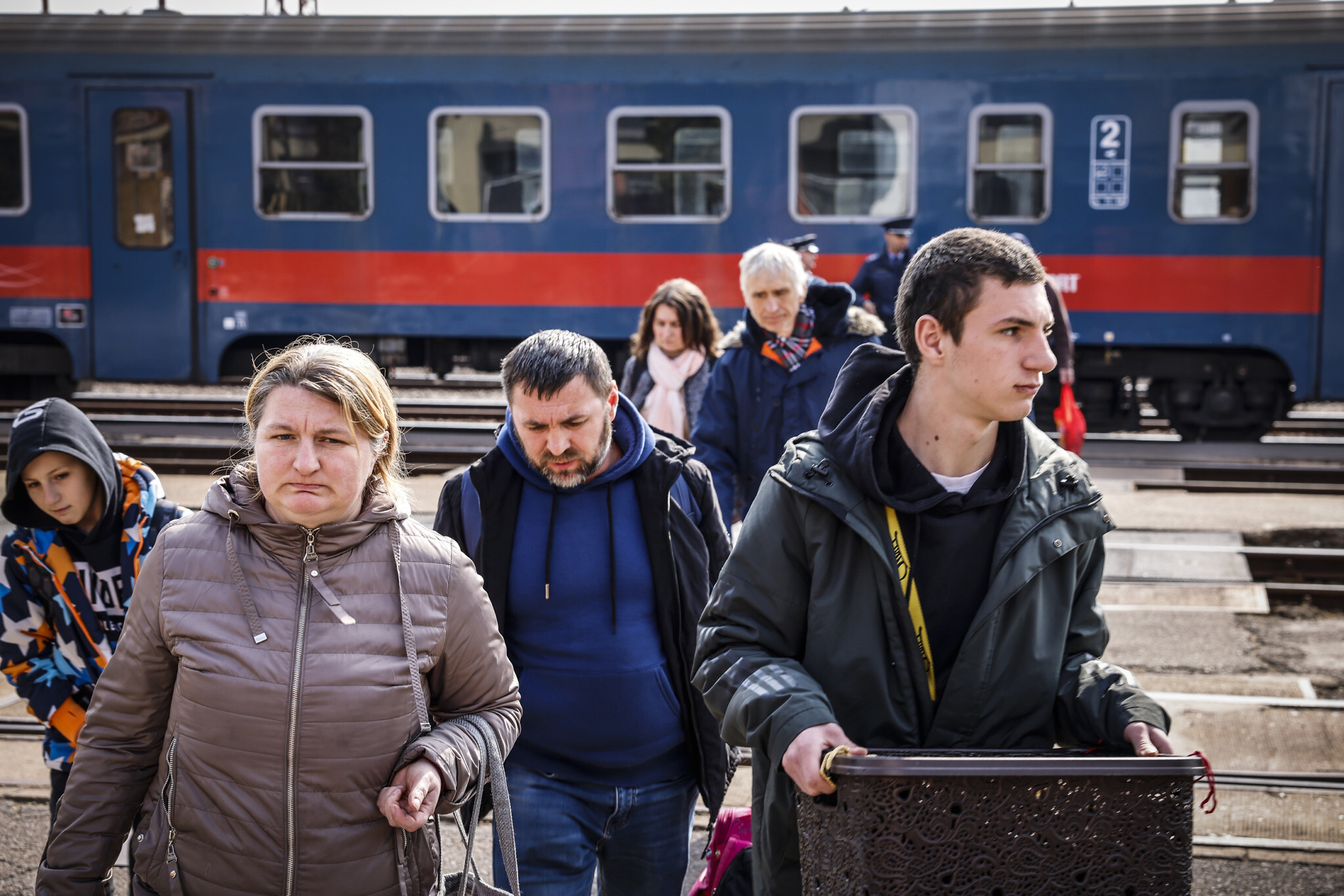
Throughout the many wars and conflicts that have shaped what is now Ukraine, the country’s Jews have consistently been early and helpless victims of violence and oppression by invaders and locals alike.
The current conflict between Ukraine and Russia, for all its tragedies, is a rare exception to that long record.
Targeted by neither side, Ukrainian Jews have so far been the focus not of attacks but of humanitarian relief operations mounted especially for them by Jewish and Christian organizations. They’ve also been invited to settle in Germany and other states in the European Union or to get airlifted and naturalized in Israel.
Inevitably eclipsed by the horrors and scope of a war that has displaced millions and killed many thousands, this unique moment is the focus of a new photo exhibition curated by Yitzhak Mais, a prominent Israeli historian and former director of Yad Vashem’s historical museum.
“The 2022 Russian-Ukrainian war is an ongoing tragedy,” Mais told The Times of Israel. “For many thousands of Jews in Ukraine, it has been also the emergence from helplessness.”
This is not only reflected in the emergency actions of Jewish organizations and Israel, said Mais.
“In parallel to the external rescue efforts, Ukrainian Jews cooperated internally,” Mais said. Ukrainian Jews, including many young, tech-savvy polyglots, gathered themselves in synagogue cellars for safety, organized transportation and got in touch independently with the organizers of aid efforts to coordinate extraction or delivery, he noted.
“The Jewish world sent in the cavalry, but Ukrainian Jews weren’t just waiting around to be rescued. They practiced self-rescue,” Mais said.
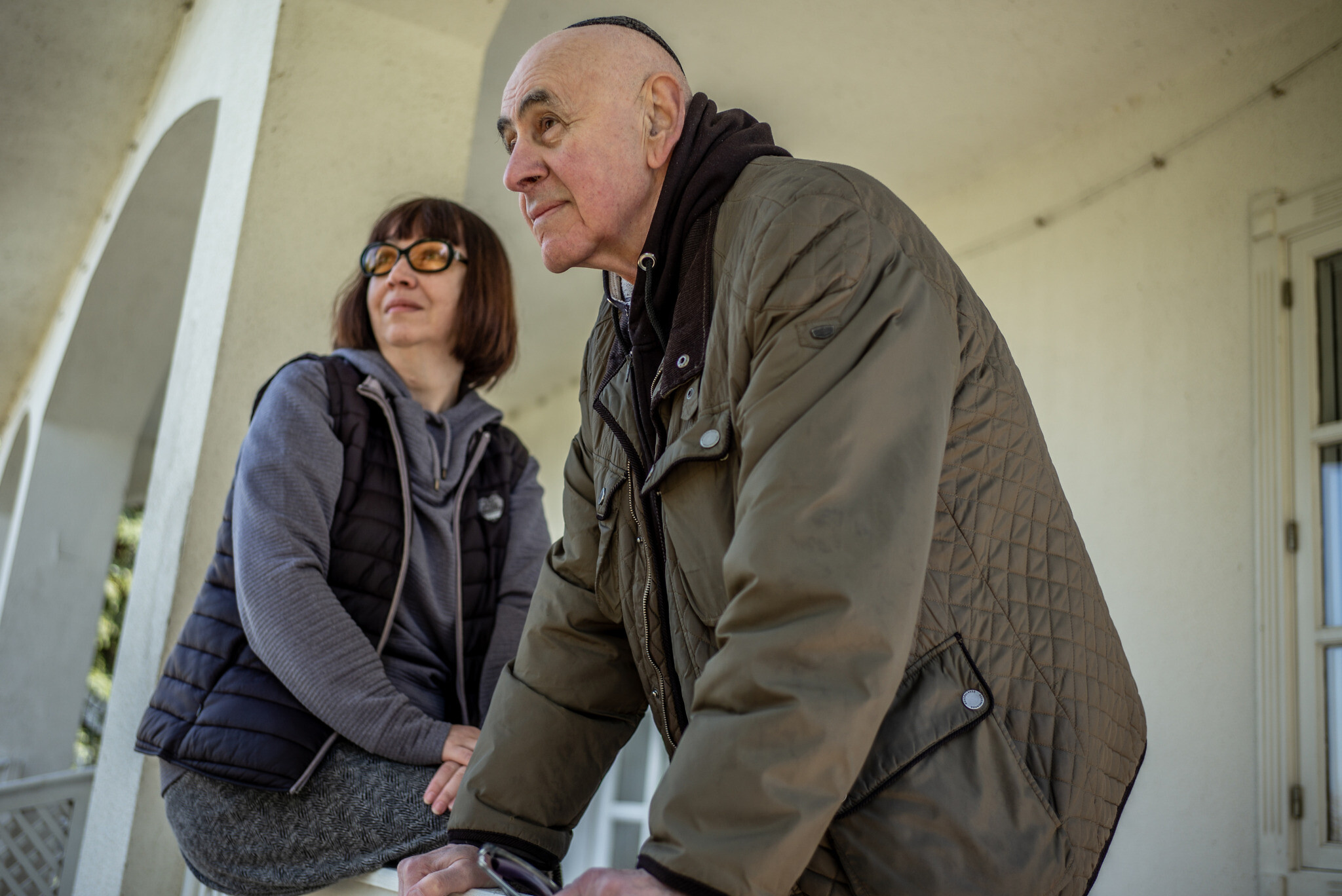
The exhibition, which is titled “Am I My Brother’s Keeper” and also includes video testimonies, is planned to open later this year in six languages and several locations, including the Hungarian parliament, UN headquarters in New York, EU headquarters in Brussels and Knesset in Jerusalem.
It chronicles both rescue and self-rescue through personal accounts of multiple Ukrainian Jews photographed.
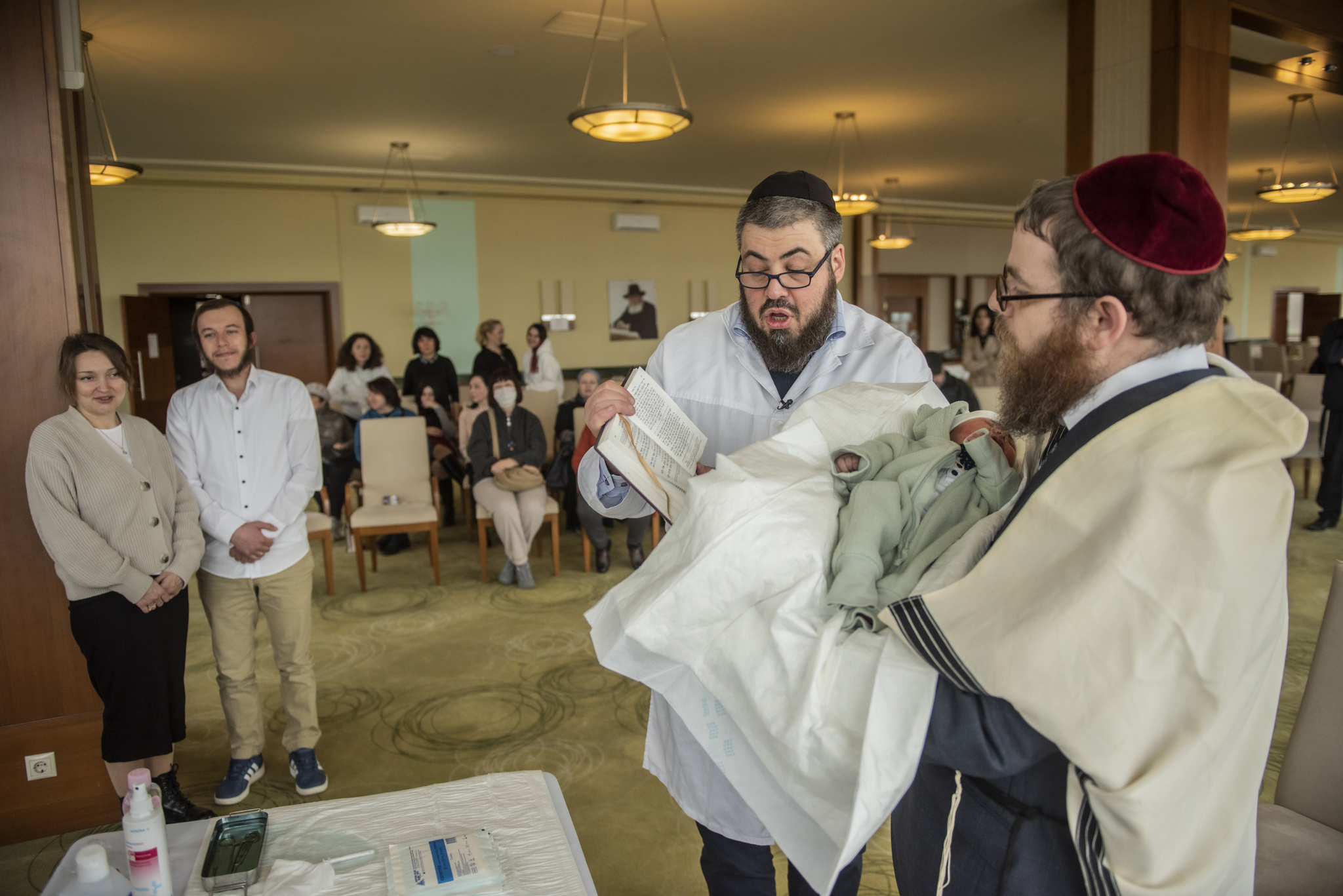
The exhibition also focuses on a handful of group stories that represent important elements of the broader effort. One such group story is of the Mishpacha Orphanage of Odesa, whose 120 children and staff fled to Germany in the early weeks of the war. Another is of how the Jewish Community Center of Krakow, Poland, housed war refugees from Ukraine, most of them were not Jewish.
The existence of a sovereign Jewish state, Mais said, was a decisive and consistent factor in the rescue effort.
“Israel’s ability to aid in emergency situations has been demonstrated time and time again in humanitarian crises in the Dominican Republic, Haiti and Turkey,” he said. “Now, Israelis were able to take that experience and use it to help Jews and non-Jews in Ukraine, making a big difference in the lives of thousands of people aided.”
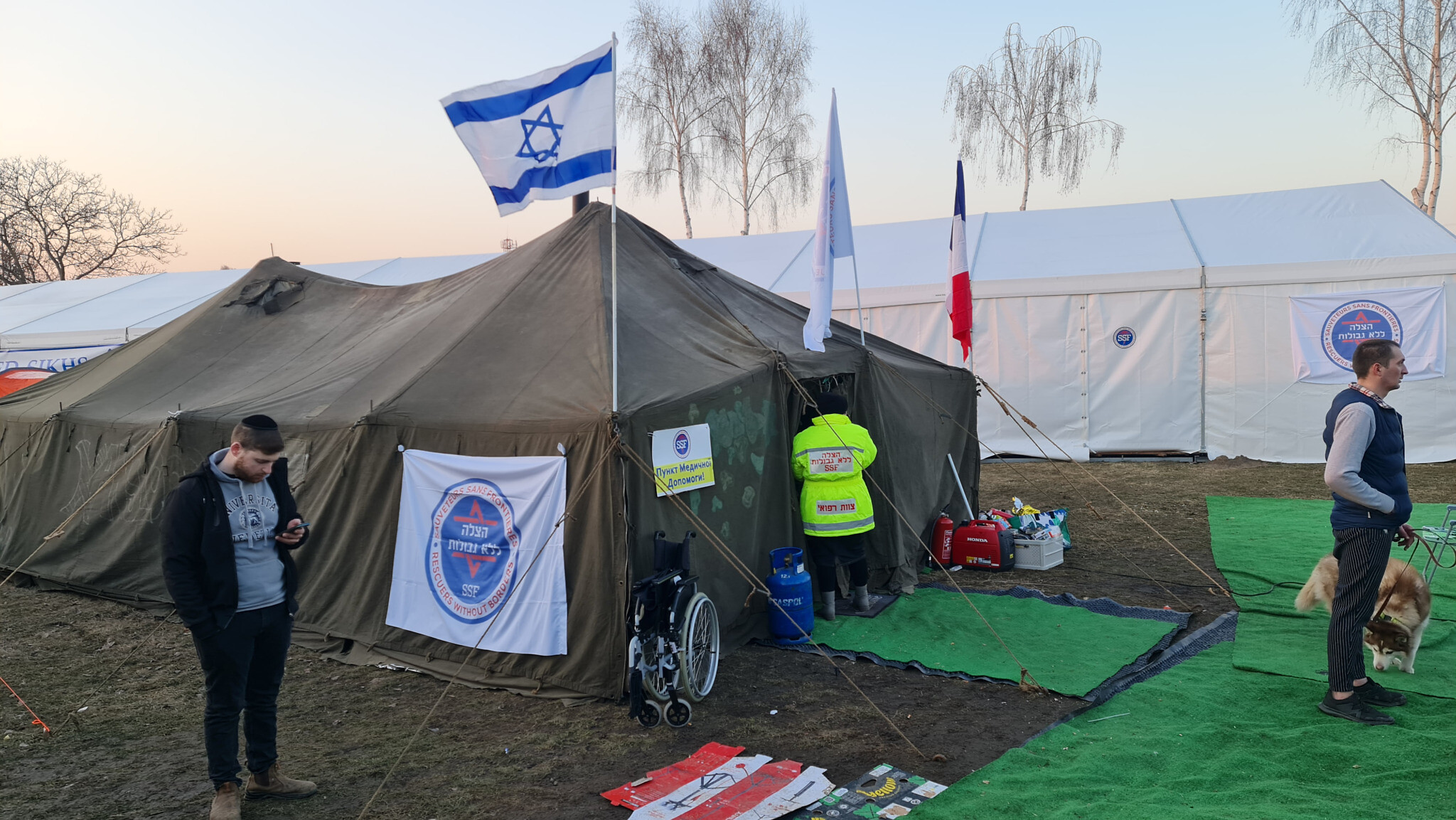
An example of the Israeli effort was the field hospital that Sheba Medical Center staff set up for Ukrainian last year on the border with Poland with the cooperation and support of the Israeli government and the ministries of health and foreign affairs, he added.
Attempts to obtain photos for the exhibition from the American Jewish Joint Distribution Committee, or JDC, have not been successful, Mais said. “It’s a pity because, while curating the exhibition, we learned of some great photographs in JDC’s possession. After initial support and enthusiasm for the project, JDC refused to cooperate because of politics.”
Contacted by The Times of Israel, a JDC spokesperson confirmed they will not participate in the exhibit because of what the spokesperson termed “operational sensitivities.”
One of the stories explored in the exhibition is of Machane Chabad, the name of a kosher refugee camp that EMIH, the Chabad-affiliated Jewish federation of Hungary, in cooperation with the Federation of Jewish Communities in Ukraine, set up for Jewish Ukrainians with the help of the Hungarian government at a former Communist-resort campus on the scenic shore of Lake Balaton.
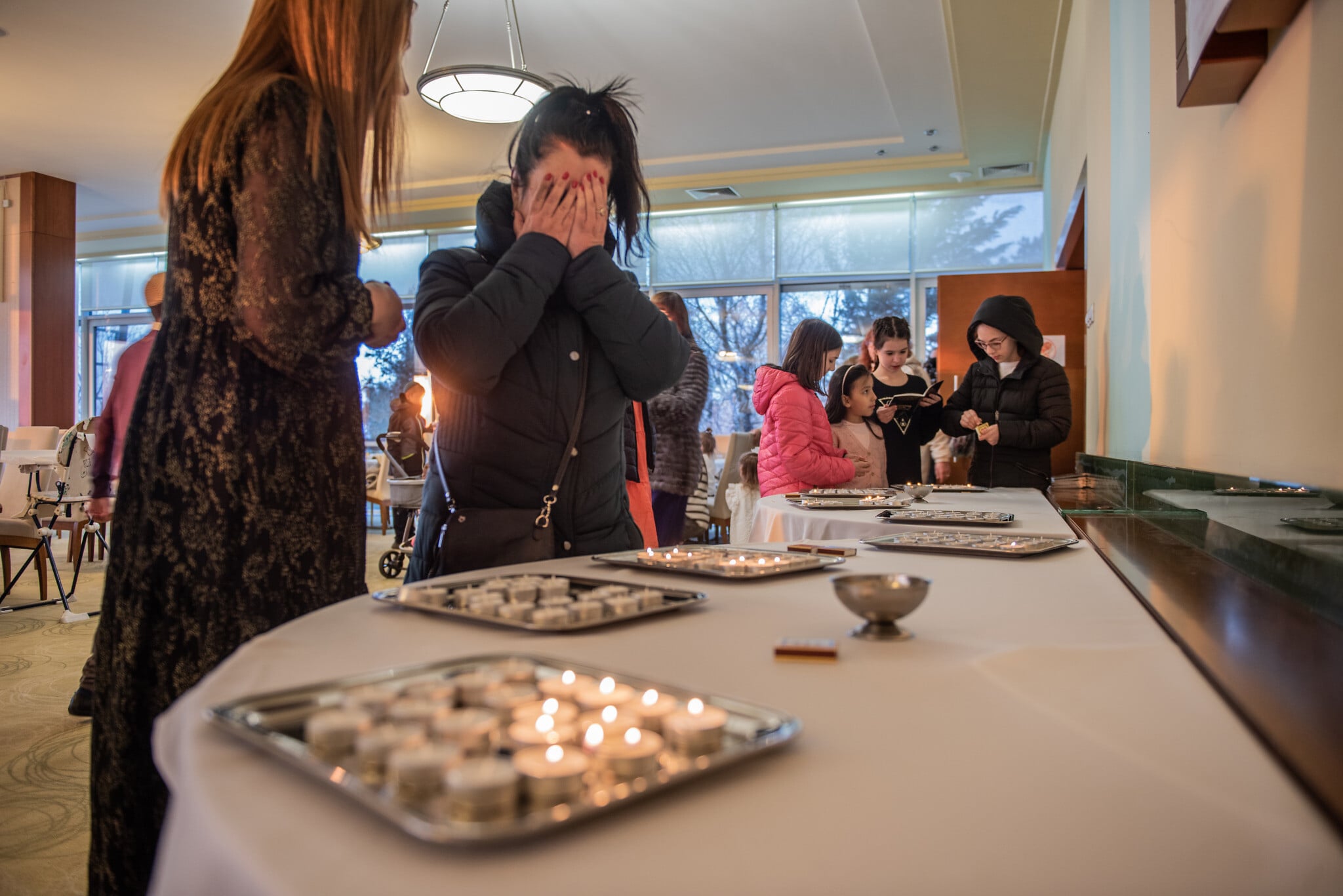
That story “offers a powerful example of both the Jewish story and the global response, illustrating the active involvement of the refugees, with Chabad’s help, to organize the treacherous escape from Ukraine,” and how international cooperation afforded some 800 refugees “some degree of serenity: a safe residence, kosher food, and religious, medical and social services,” Mais said.
An interview with an elderly refugee at the lake resort story ended up being one of Mais’s most emotional experiences of the whole project, he said.
The refugee had to leave behind in Ukraine his son, who could not leave the country legally because of emergency regulations that forbid any army-age men from exiting the country. Mais asked the refugee to name three wishes for his future. The man’s answer was: “My son, my son and my son.”



The Times of Israel Community.