

Second flight carrying deportees back to Iran leaves US, Tehran says
Islamic Republic claims 55 people on plane sought repatriation, in second mass deportation since September, as Trump policies conflict with US position as safe haven from regime
 Add ToI as a Preferred Source on Google
TEHRAN, Iran (AP) — A flight carrying dozens of Iranians deported from the United States has left the country, Iranian officials said, marking the second time Washington reportedly carried out purported plans to send hundreds of prisoners back to the Islamic Republic.
The deportations come as tensions remain high between Iran and the US after America bombed Iranian nuclear sites during Tehran’s 12-day war with Israel in June. Activists abroad also have expressed concern about deportees returning to Iran, whose theocracy has been cracking down on intellectuals and executing prisoners at a rate unseen in decades.
A report published Monday by the Mizan news agency, the official mouthpiece of Iran’s judiciary, quoted Iranian Foreign Ministry official Mojtaba Shasti Karimi acknowledging the deportation of 55 Iranians.
“These individuals announced their willingness for return following continuation of anti-immigration and discriminative policy against foreign nationals, particularly Iranians, by the United States,” Karimi reportedly said.
Iranian Foreign Ministry spokesperson Esmail Baghaei also said Sunday there were plans for 55 Iranians to return to the Islamic Republic.
Based on the US claims, “the Iranians were repatriated because of legal reasons and breach of immigration regulations,” Baghaei said.
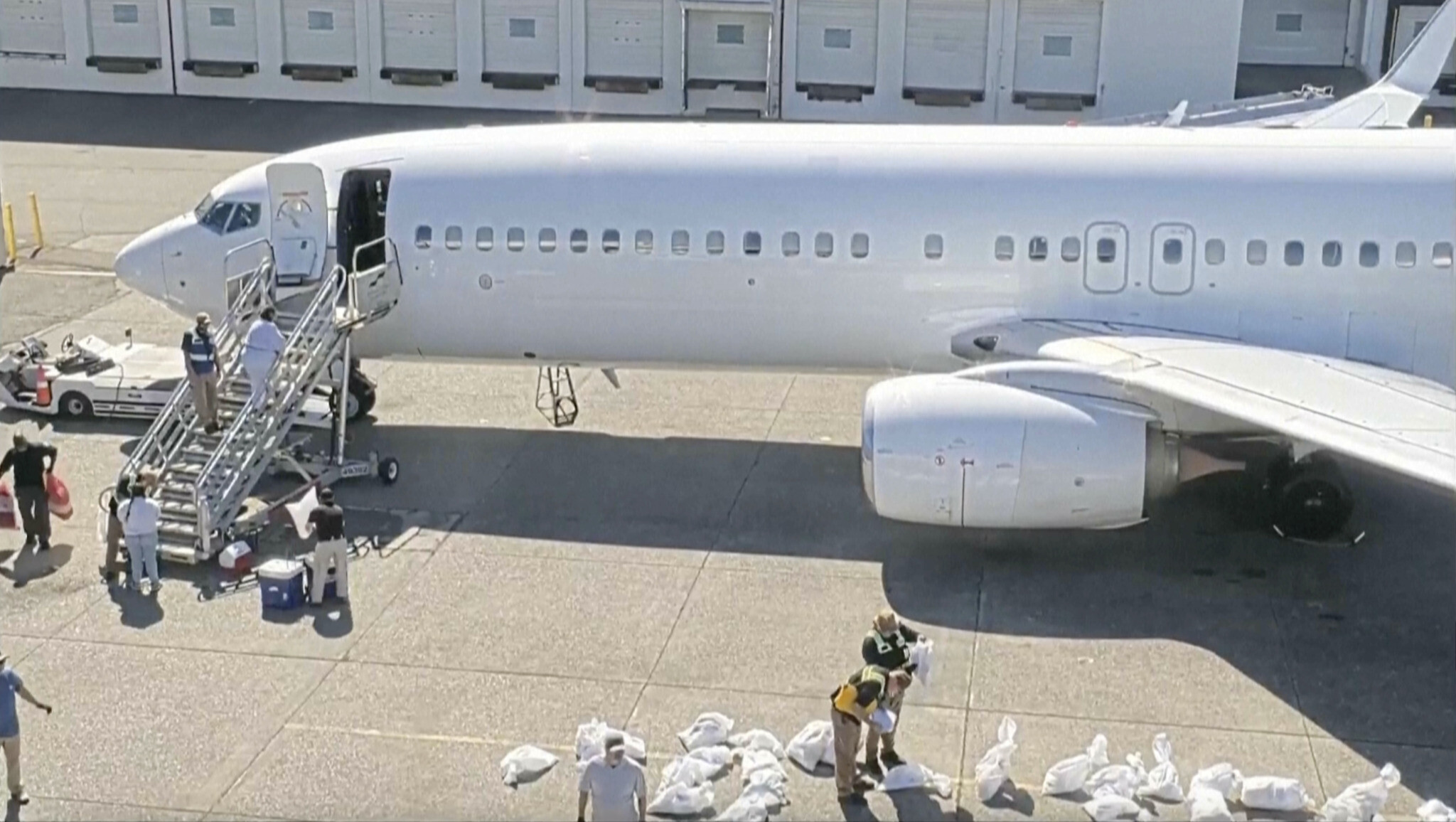
US Immigration and Customs Enforcement (ICE) declined to answer questions from The Associated Press about the flight, saying it “does not confirm or deny specific flights for operational security.”
“ICE removal flights are occurring every day,” the agency added.
The deportations represent a collision of a top priority of US President Donald Trump — targeting illegal immigration — against a decades-long practice by the US of welcoming Iranian dissidents, exiles, and others since the 1979 Islamic Revolution.
In September, Iranian officials acknowledged as many as 400 Iranians could be returned under the Trump administration policy. That month, the first such flight arrived in Tehran.

In the lead-up to and after the 1979 revolution, a large number of Iranians fled to the US. In the decades since, the US has been sensitive in allowing those fleeing from Iran over religious, sexual, or political persecution to seek residency. Iran has maintained that only those facing criminal charges face prosecution, while others can travel freely. However, Tehran has detained Westerners and others with ties abroad in the past to be exchanged in prisoner swaps.
Iran has criticized Washington for hosting dissidents and others in the past. US federal prosecutors have accused Iran of hiring hitmen to target dissidents as well in America.







The Times of Israel Community.