

New site offers travel by armchair to Eilat’s magnificent coral reefs
Website aimed at raising awareness about Gulf of Eilat’s marine wonders; includes virtual safaris through different underwater habitats, a reef live cam, scientific research
 Add ToI as a Preferred Source on Google
Sue Surkes is The Times of Israel's environment reporter
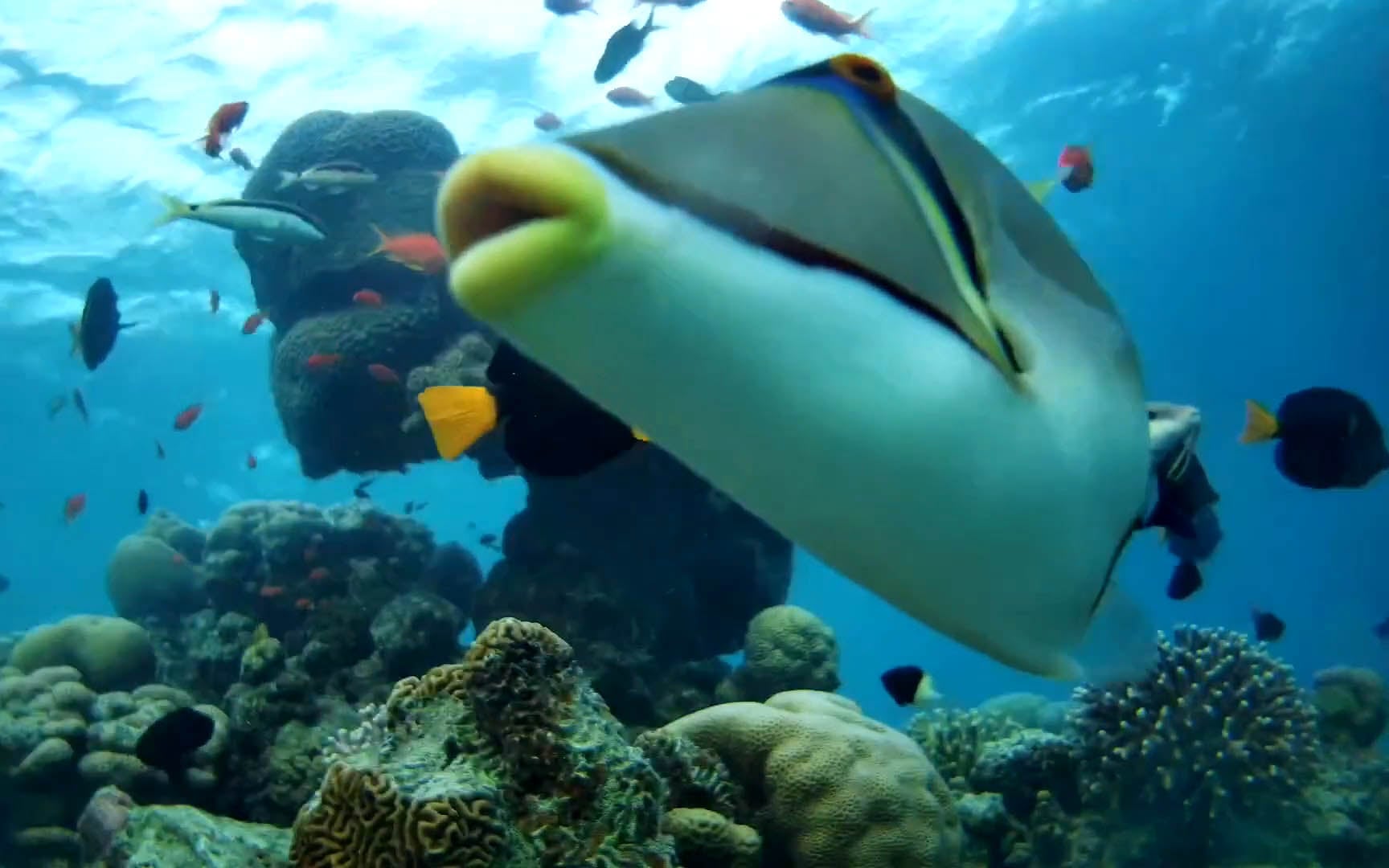
Live webcams, 360-degree cameras, AI “conversations” with marine creatures, scientific findings, and data on over 1,000 species are part of a new website aimed at bringing the wonders of the Gulf of Eilat to everyone, from marine researchers and divers to the general public.
An effort to raise awareness of the bounty of life and call for further conservation, the initiative is a collaboration between the Interuniversity Institute for Marine Sciences in Eilat and the Society for the Protection of Nature in Israel, funded by the Rothschild family’s foundation, Yad Hanadiv.
Threats to this national treasure, with its magnificent coral reefs, range from pollution and fishing to uncontrolled development and a lack of protected marine areas.
Among the website’s features are:
- A 360° virtual safari of four habitats — the coral reef, seagrass meadows, the sandy bottom, and the open sea
- Reef LIVE: A special underwater camera installed by the laboratory of Prof. Maoz Fine at the Interuniversity Institute broadcasts live. A highlight reel below, taken from the LIVE camera, shows a yellow-saddle goatfish (in the center) at a “cleaning station” where smaller fish pick parasites off its body
- Chat with the Reef: An AI-based feature allowing users to “talk” to marine creatures
- A large database: Information on over 1,000 underwater species
- Videos covering 7 marine habitats
- Scientific research and a digital magazine of ecological discoveries by IUI researchers
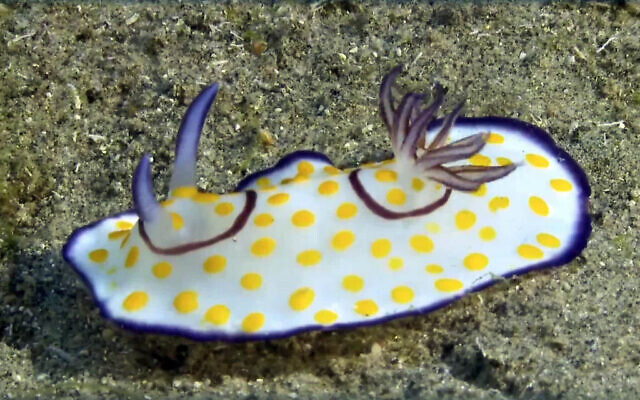
The site is being translated into Arabic and English.
Fine, a coral reef researcher at IUI and the Hebrew University, said, “The coral reefs in the Gulf of Eilat demonstrate extraordinary resilience to ocean warming. While over 90 percent of the world’s reefs are expected to perish due to global climate change, Eilat’s reefs serve as a focal point for groundbreaking research and a global hope for the reefs of the future.”
Shai Oron, Eilat Gulf ecologist at the SPNI, said, “The general public and policymakers are often unaware of the quality of the world beneath the waves.”
She added, “The Gulf of Eilat is a local treasure with global importance. In a relatively small marine area, you find everything from tiny plankton to the world’s largest fish, the whale shark. This abundance exists right next to a vibrant city whose economy relies on tourism. We must manage this asset wisely to protect it.”






The Times of Israel Community.