

Over quarter of families suffer from food insecurity, as living costs jump – study
Latet charity says 867,256 families in Israel, including 1.2 million children, struggle to get proper nutrition, as economic war toll and rise in cost of living squeeze incomes
 Add ToI as a Preferred Source on Google
Sharon Wrobel is a tech reporter for The Times of Israel
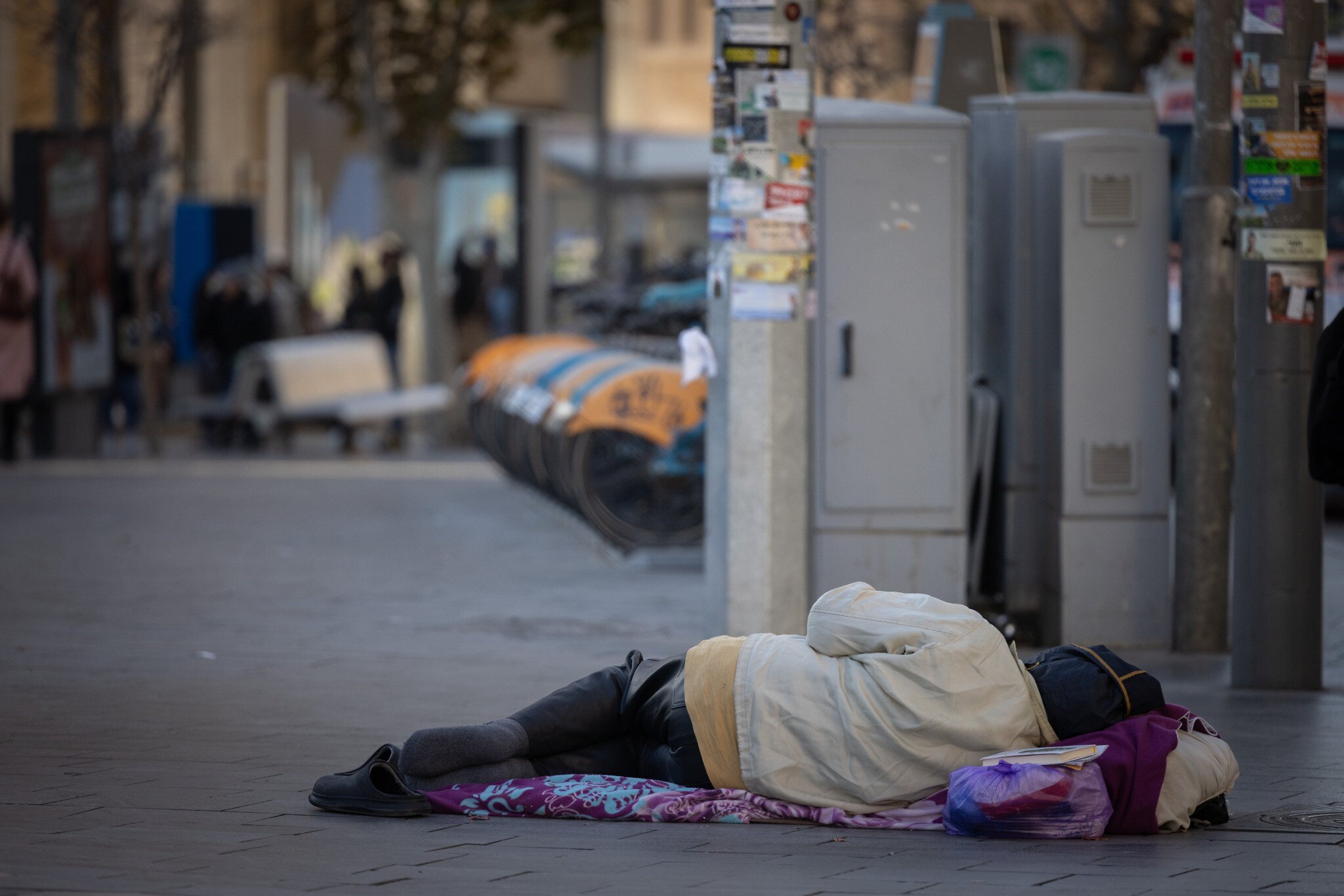
More than a quarter of families in Israel struggle to access enough food as the country’s two-year war against the Hamas terror group and a rising cost of living deepened economic hardship, aid organization Latet warned in a new report.
In the Alternative Poverty report released on Monday, Latet cautioned about the emergence of a new class of the “war’s poor” who are living slightly above the official poverty line as they struggle with the high cost of living, despite employment.
“The repercussions of the war, the costs of security and the enormous reconstruction needs, alongside a trend of rising costs of living and the expected decrease in government civil spending, will bring us, after two years of war in the military-political arena, to a struggle in the social-economic arena,” said Latet CEO Eran Weintraub. “The social situation, which was already difficult even before the war, requires a systemic approach.”
The report by Latet, a nonprofit organization working to combat poverty and nutritional insecurity, is based on a survey and data collection from more than 3,500 households carried out from July to August 2025.
According to the report, the minimum cost of living, defined as the expenditure required for basic subsistence, including food, housing and health care, has increased by more than 5 percent over the past year and stands at NIS 5,589 ($1,733) per person and NIS 14,139 per household of two adults and two children a month. Meanwhile, inflation has accelerated by a mere 3.4% over the past year.
The minimum monthly income below which a household is considered poor is set at NIS 4,105 per person and NIS 10,508 for a family of four, according to the National Insurance Institute (NII).
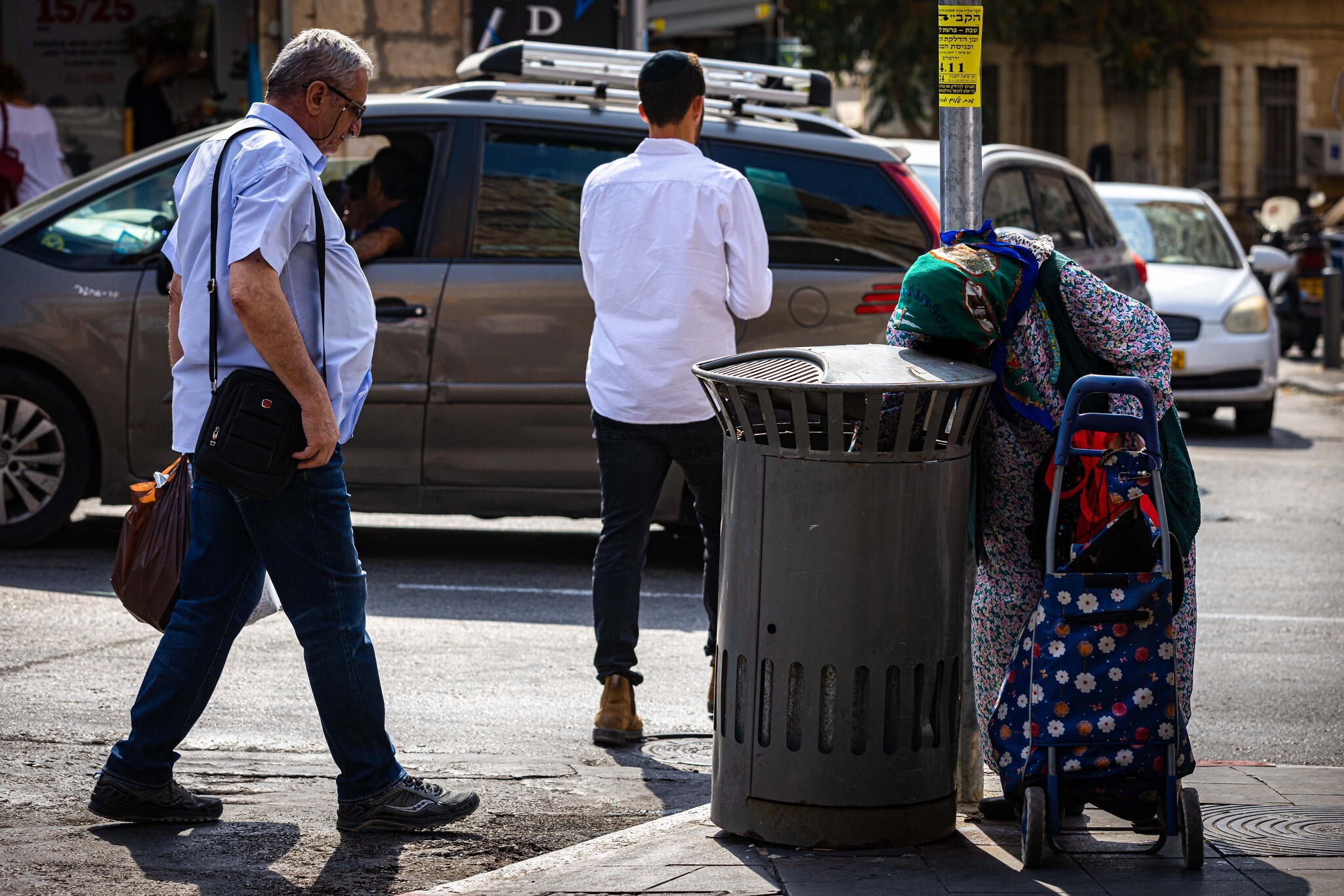
Due to the increasing cost of essential goods, an average family in Israel had to cope with an additional annual expense of NIS 9,000 and a single household with NIS 3,500 to maintain a basic standard of living, according to Latet’s calculation.
Israel is ranked in fourth place in cost of living in the Organisation for Economic Co-operation and Development (OECD) list of developed countries with the highest comparable prices. The country’s high cost of living continues to reduce welfare and spur social tensions as Israelis are contending with the economic repercussions of a two-year war, including extended reserve duty callups, prolonged work absences and business closures.
Almost 27% of families, or 867,256 households, including 1.2 million children, live with food insecurity, an increase of more than 25% compared to a year ago, according to the report. About a quarter of Israeli aid recipients began needing food assistance since the war began in October 2023, the report said.
Food insecurity has been defined as the inability to ensure a constant supply of food that contains all the nutritional elements necessary for proper development and health. While it can lead to malnutrition, it is not the same thing. It is a prime cause of obesity and is closely linked to disease and increased vulnerability to illnesses.
According to Latet, 42.5% of assistance-seeking households surveyed in the study said they “experienced hunger” due to not having enough money to buy sufficient food, with 67.6% testifying that they had to forgo medications or necessary medical treatments. The survey showed that 83.2% of households receiving assistance have at least one breadwinner, while 54.8% reported worsening employment conditions since the war erupted on October 7, 2023.
Weintraub asserted that “a comprehensive government response is needed, and it involves taking responsibility for the issue of food security and establishing the de facto National Authority for Combating Poverty, in order to finally formulate a government plan and measurable goals for a problem that creates additional generations of poverty, exacerbates disparities and polarization, and threatens the resilience and ability of Israeli society to heal and rebuild.”







The Times of Israel Community.