

Palestinians accuse Israel of negligence after prisoner dies of cancer
Protesters dedicate ‘day of rage’ activities to Sami Abu Diak, who was serving 3 life sentences for involvement in the killing of 3 alleged Palestinians collaborators
 Add ToI as a Preferred Source on Google
RAMALLAH, West Bank — A Palestinian prisoner died Tuesday in Israeli custody after battling cancer, Israel’s prisons service said, ahead of demonstrations in the West Bank that had been planned before his death.
The protests, dubbed a “day of rage” by organizers, are against the US announcement last week that it no longer considers Israeli settlements in the West Bank to be a violation of international law, reversing four decades of American policy. The protests were also set to call for Sami Abu Diak’s release.
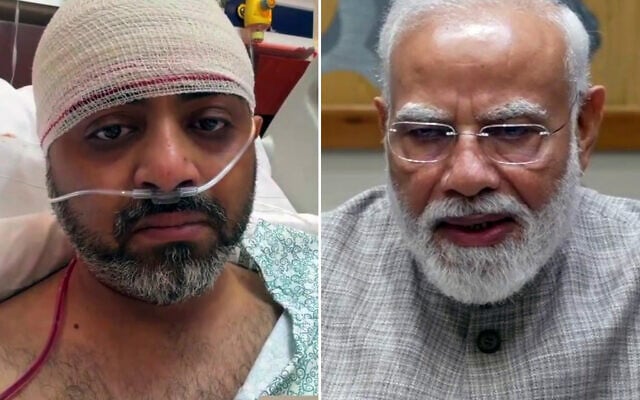
In a statement, the prisons service said Abu Diak, 35, died in an Israeli hospital early Tuesday. The statement said he was serving three life sentences for voluntary manslaughter and kidnapping, among other charges.
Abu Diak was linked to the armed wing of the Palestinian Fatah faction and was arrested in the early 2000s, during the second Palestinian intifada, or uprising. He was convicted for involvement in the killing of three Palestinians accused of collaborating with Israeli security forces.
The Palestinian Authority and Abu Diak’s family had asked for his release to allow him to die at his family’s side, but Israeli officials denied the request. The Palestinians also reached out to European countries and the Red Cross to apply pressure on Israel to release him.
Palestinian detainee, Sami Abu Diak, was suffering from cancer and other health problems, including kidney and lung failures, which resulted from deliberate medical neglect and maltreatment. pic.twitter.com/FdoPMwme3X
— Palestine Info Center (@palinfoen) November 26, 2019
The Palestinian Prisoners Club, a forum representing Palestinians held in Israeli prisons, accused Israel of “medical negligence.”
Tuesday’s protests were called before Abu Diak died, but were also later dedicated to his death.
"The Palestinian Youth Intifada Coalition in the West Bank calls for protests at 1pm at the 'points of contact' [Israeli military checkpoints] to condemn the martyrdom of the prisoner Sami Abu Diak in occupation prisons" https://t.co/zomFDhvWJ4
— Marian Houk (@Marianhouk) November 26, 2019
Organized by Palestinian Authority President Mahmoud Abbas’s Fatah movement, the demonstrations were mainly set to protest what it saw as the Trump administration’s embrace of a pro-Israeli view on settlements at the expense of the Palestinian quest for statehood.
Schools, universities and government offices will close their doors just before midday and rallies will be held in city centers around the Israeli-occupied West Bank, with marches expected to move to Israeli checkpoints where confrontations with Israeli security forces could take place.
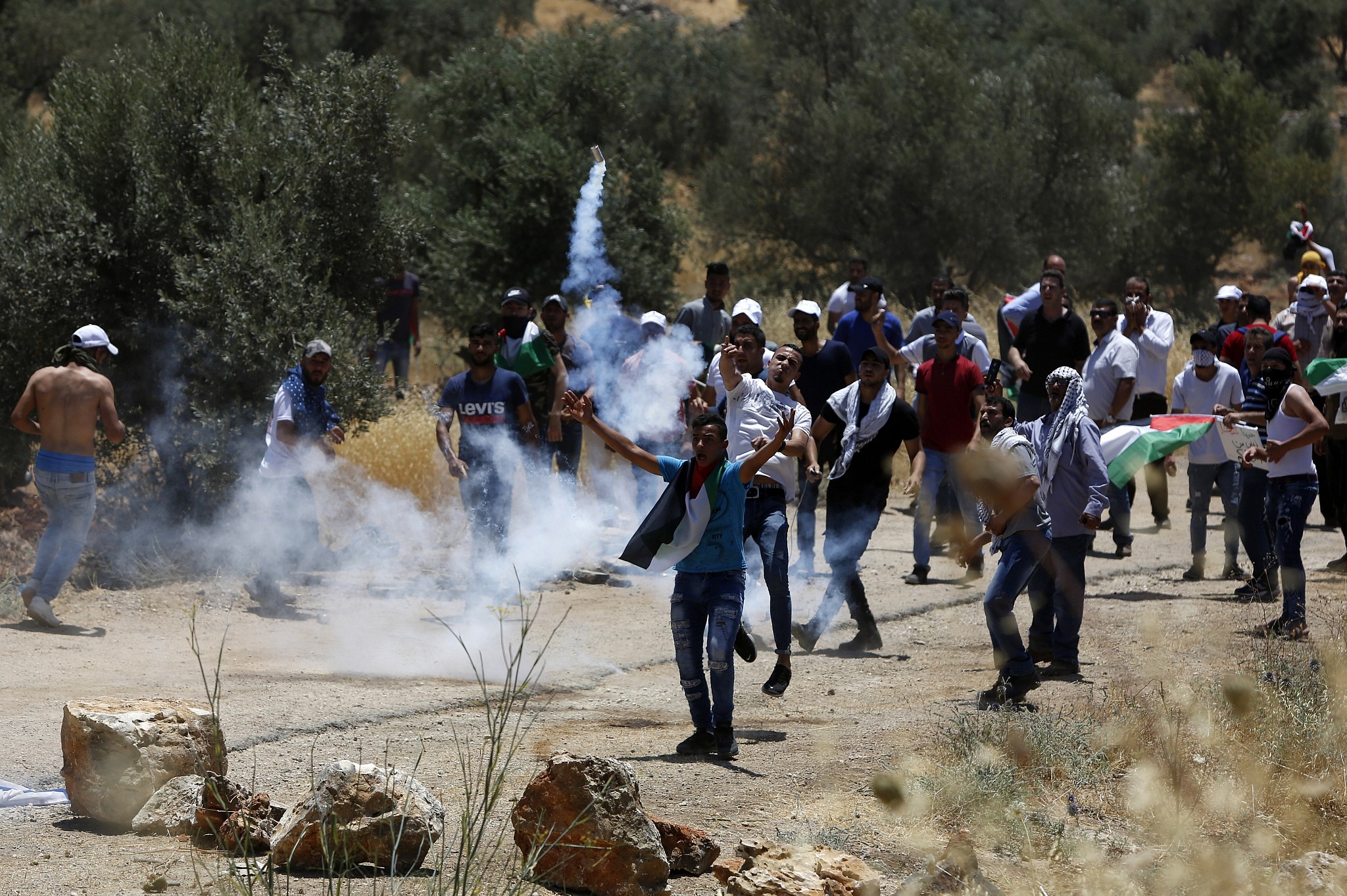
Illustrative — Palestinian protesters throw back a tear gas canister fired by Israeli troops during a protest near the West Bank city of Nablus, June 28, 2019 (AP Photo/Majdi Mohammed)Israeli leaders welcomed the US decision last week, while Palestinians and other nations warned that it undercut any chance of a broader peace deal.
The Palestinians and most of the world say the settlements undermine hopes for a two-state solution by gobbling up land sought by the Palestinians. Israel says the fate of the settlements should be determined in negotiations, even as it steadily expands them.
US Secretary of State Mike Pompeo had announced that the US was repudiating the 1978 State Department legal opinion that held that civilian settlements in the occupied territories are “inconsistent with international law.”


The Times of Israel Community.