

Red tape, lack of coordination, delaying Gaza border rehab, state comptroller finds
Audit says funds sitting unused or going to waste due to bureaucracy, failure to consult with locals; state also criticized for not helping those looking to start over elsewhere
 Add ToI as a Preferred Source on Google
Sue Surkes is The Times of Israel's environment reporter
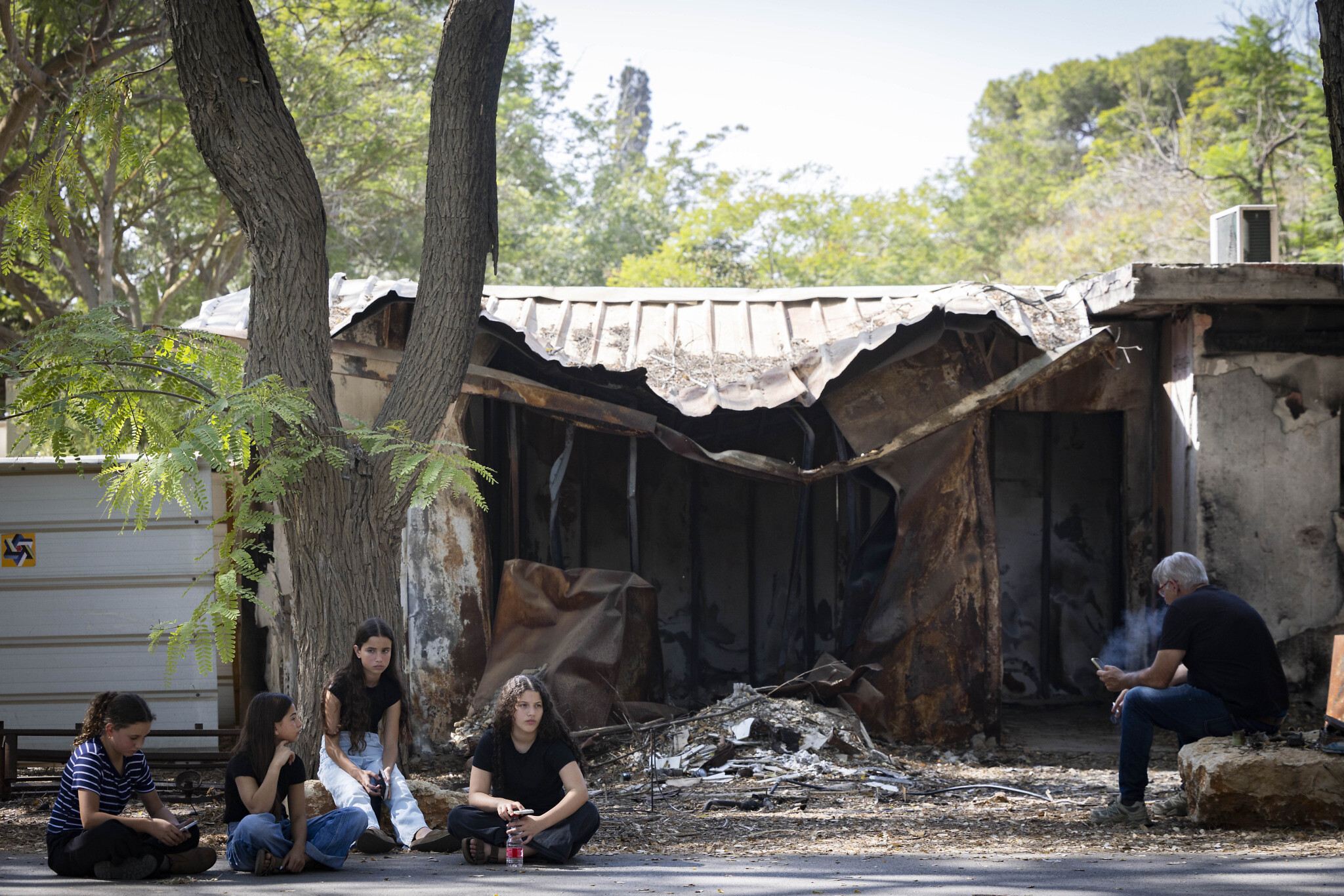
Bureaucratic delays, a lack of coordination, and other issues have hamstrung efforts to rehabilitate southern Israel following the Hamas-led October 7, 2023, attack, the state comptroller said in a new report published Tuesday.
The analysis, covering January 2024 to August 2025, criticized officials for failing to allocate earmarked funds meant to bolster the Western Negev, and slammed the government for failing to create or implement a support system for those attempting to start lives outside the Gaza border region following the traumatic assault there.
Some 80,000 people were forced from their homes by the devastating Hamas-led invasion, in which some 1,200 people were massacred, 251 were kidnapped and whole swaths of communities destroyed.
More than 90 percent of those who left have returned home, but an unspecified number who have no intention of returning have fallen through the cracks, according to the report.
It is “unacceptable that a systematic, alternative government solution has yet to be formulated for residents who are unable to return to their homes,” the report found.
On the plus side, the report notes the “sense of public mission” and professional commitment of those working in the Tekuma Directorate, which the state established to oversee the massive rehabilitation effort.
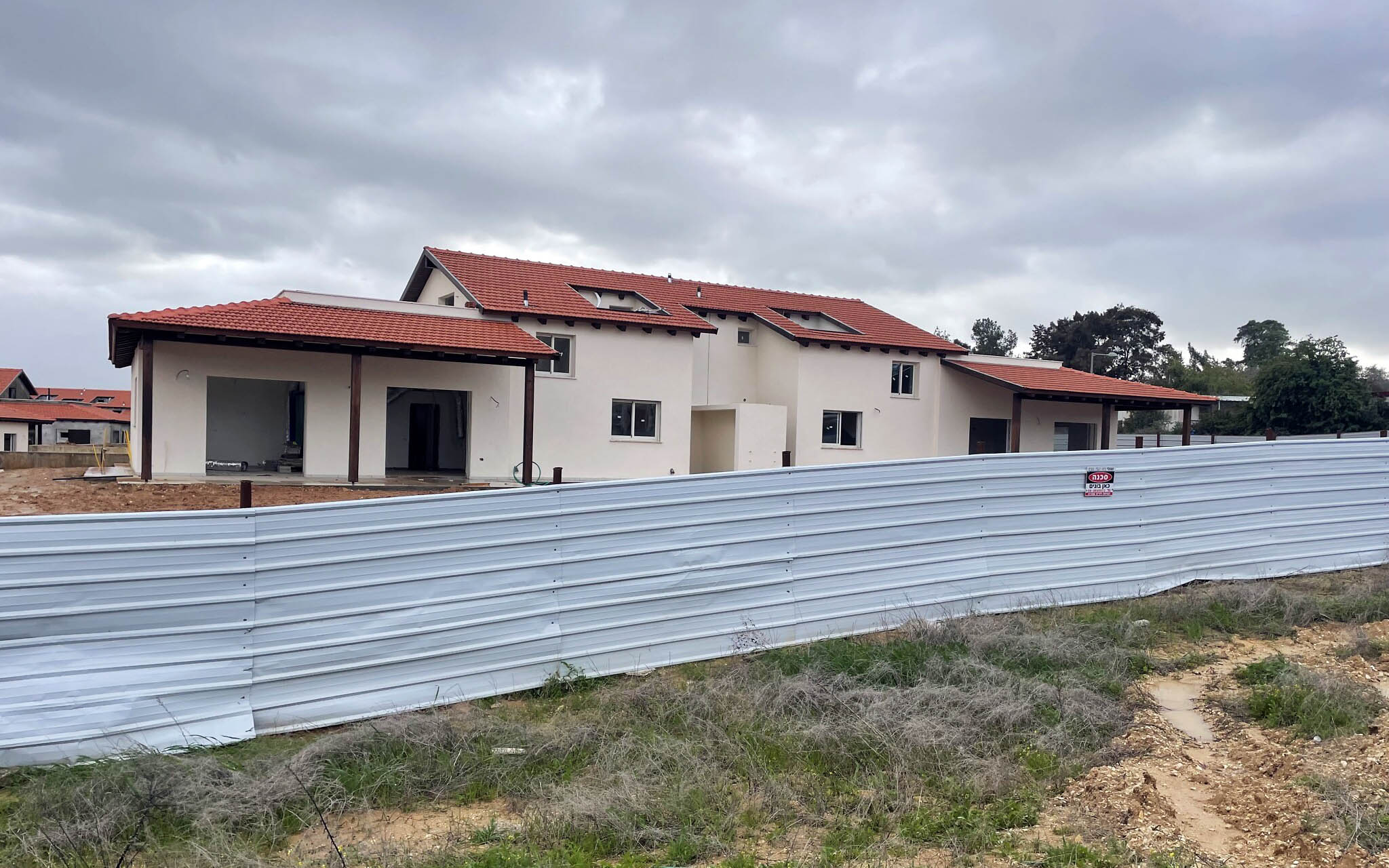
But the report criticized the state for delaying the implementation of a five-year rehabilitation plan by 18 months while it deliberated on the geographical boundaries for billions of shekels in budget allocation.
This “hindered rehabilitation efforts and the advancement of regional development projects, including high-quality infrastructure, public services, and the creation of new employment sources,” the state comptroller said.
The ombudsman specifically slammed the Interior Ministry for failing to implement an NIS 190 million ($61 million) portion of the plan to strengthen local governments.
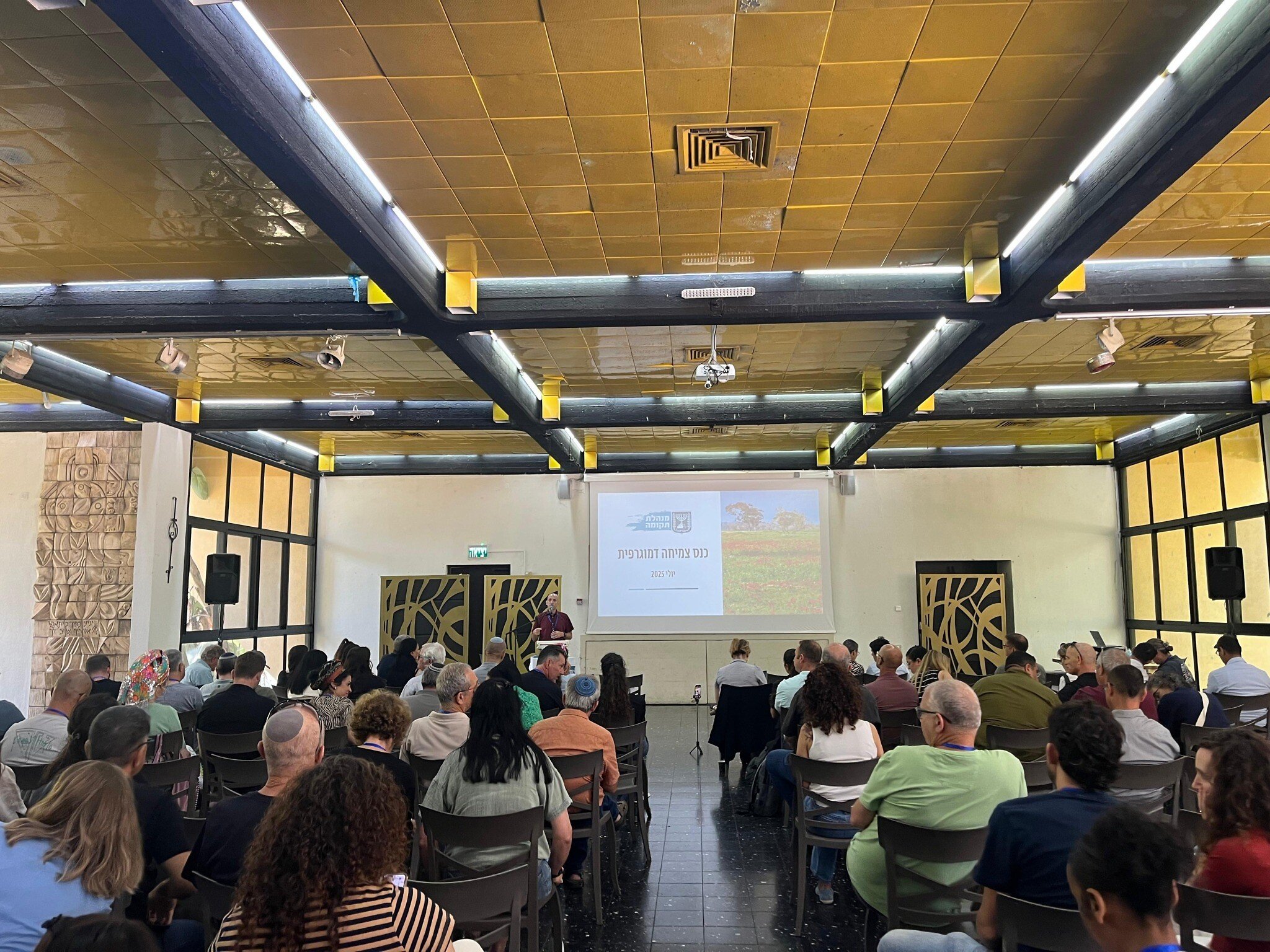
The audit also found that, for over a year, funding intended to strengthen local authorities was not used. It was only in September 2025 that the Tekuma Directorate published a call for proposals to distribute NIS 138 million ($44.4 million) in grants.
No reason was given for the delay.
The report also pointed out a lack of coordination between state authorities and local officials, such as the Tekuma Directorate’s failure to consult adequately with the regional councils before offering incentives to attract teachers that were not needed.
“No actual shortage of teaching staff was found in the region,” the report said.
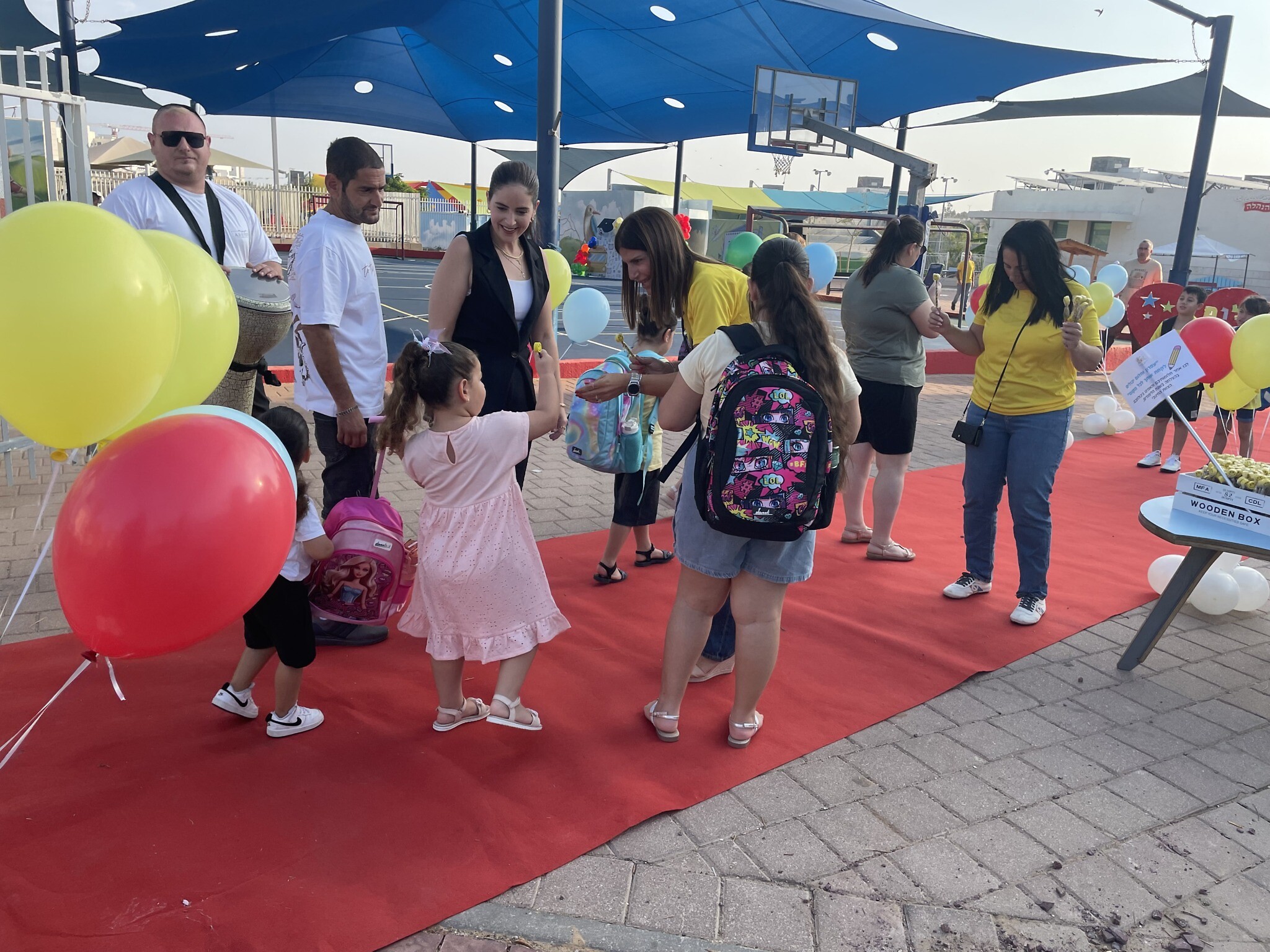
The audit chided Tekuma for dealing directly with small towns and communities rather than coordinating with the regional councils that serve as the local authority.
Doing so, it said, “complicates the councils’ work, creates tension between them and the communities, and imposes an avoidable administrative burden that could be mitigated through cooperation.”
The report lamented the treatment of the Gaza border area without considering plans for the metropolitan area of Beersheba, which serves as the main employment, healthcare, and transportation hub for much of the Gaza border region.
The directorate risked duplication, unnecessary competition, and waste of public funds with projects such as a large agro-tech initiative it launched for the region, which ignored an agro-tech initiative operating in the nearby town of Ofakim since 2020, the report charged.

In education, the analysis found that special funding allocations meant to help pupils from the Gaza border area ended up being shared across the student body.
Thus students from the affected region who attended schools where they made up only a small portion of the overall student population saw fewer benefits than those who went to schools where most kids came from the Gaza border area.
At one school in the Hof Ashkelon Regional Council, students from the Gaza border were effectively allocated NIS 442 ($142) each in extra funding, while at another in the Eshkol Regional Council, they received NIS 5,866 ($1,890) each, even though the actual disbursed amount per pupil was the same, according to the report.
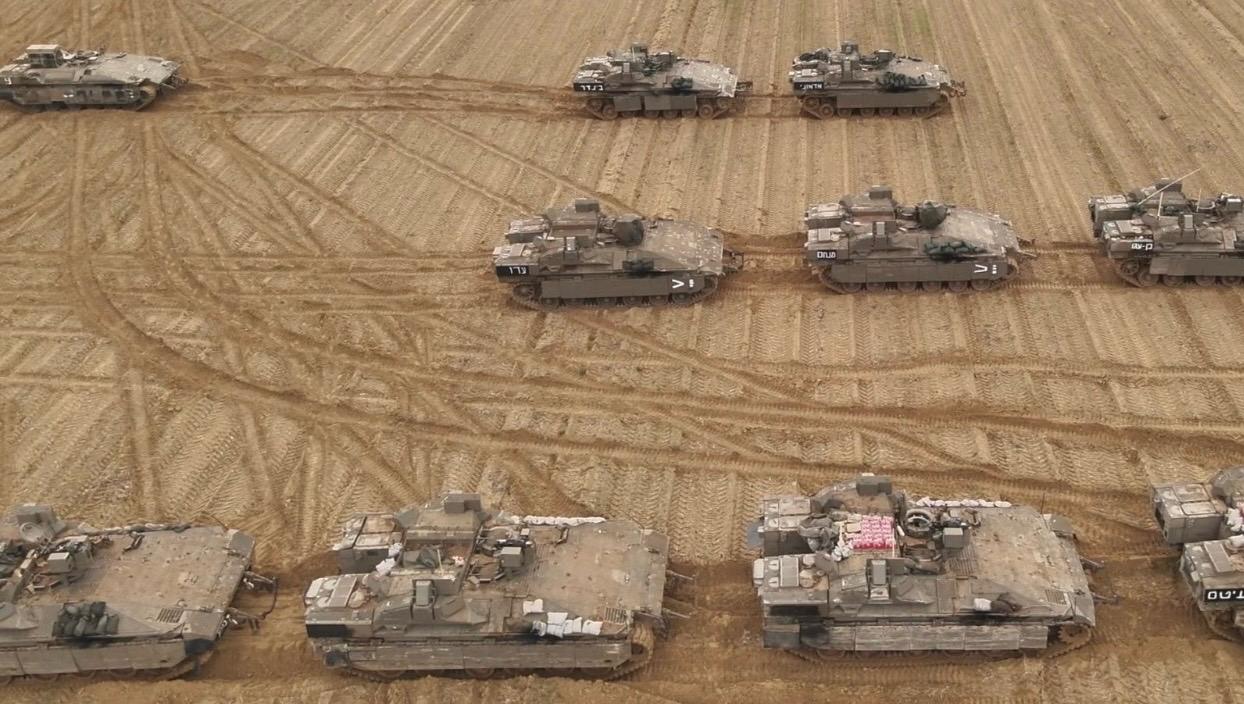
The report also called out the Environmental Protection Ministry for failing to produce an outline plan to restore 7,893 dunams (1,950 acres) of nature spaces damaged during the Hamas invasion and the subsequent war.
It was not until August 2025 that the Environmental Protection Ministry issued a call to local authorities for funding proposals for a NIS 43 million ($13.8 million) budget on nature restoration.
But, said the report, “in the absence of a coordinating body for [nature] restoration efforts, local authorities are budgeting and executing these actions without a centralized entity to consolidate information on which spaces have been restored and which still require work.”

The report is the 31st by State Comptroller Matanyahu Englman on civilian aspects of the post-October 2023 period.
In December, the High Court ordered Englman to freeze an ongoing probe into policy and strategy issues surrounding the attack, including the authorization of the Nova music festival, defense readiness in southern cities, Gaza border defenses, and the functioning of the government and cabinet ministers, the IDF and the Shin Bet on October 7 itself.
Englman’s investigation had been criticized as liable to taint evidence and the investigative process that should be dealt with by a future state commission of inquiry.
Prime Minister Benjamin Netanyahu has refused to appoint a state commission of inquiry into mistakes surrounding the attack, including his own, arguing that it would be politically biased. Instead, he has pushed for the government to establish its own inquest into the Gaza border massacre.






The Times of Israel Community.