

State comptroller urges PM to finish review of southern communities eligible for aid
Interim report notes difficulties faced by moshavim and cities of Ofakim and Netivot, which suffered on October 7 but are outside of area earmarked for support
 Add ToI as a Preferred Source on Google
Sue Surkes is The Times of Israel's environment reporter
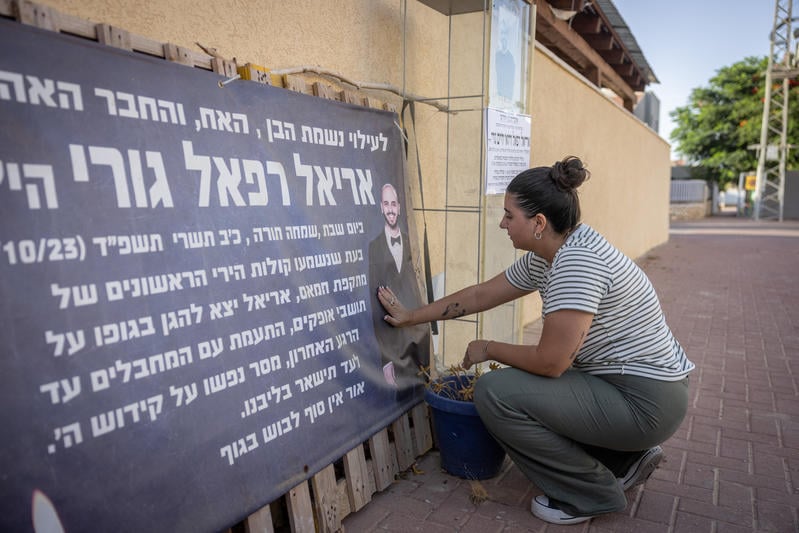
An interim report issued Monday by the State Comptroller on the rehabilitation of Gaza border communities following the October 7, 2023, Hamas invasion found that communities badly hit on that day but located more than 7 kilometers (4.3 miles) from the Gaza border — thus making them ineligible for special state support — were suffering and in need of aid.
These include the southern city of Ofakim, where 53 people were murdered. The Ofakim municipality was finding it hard to help residents despite the involvement of government ministries and philanthropic help, the report said.
By December last year, some 500 residents were waiting to begin therapy at Ofakim’s Resilience Center, and new referrals averaged 30 per week, the report said. The average waiting time was 60 days, with social workers saying they had triple the workload without the resources.
Ofakim, Netivot and four moshavim located just more than seven kilometers from Gaza all suffered the effects of the Hamas attack. They have petitioned the High Court to be included within the boundary for state support.
The report said the Prime Minister’s Office and the Finance and Defense ministries had not met their commitments to review and decide on an updated geographical boundary. The decision should have been brought for government approval by February 10, 2024.
This failure, said the State Comptroller, had led to a freeze on NIS 5 billion ($1.4 billion) of development funds for the region, which was holding up major projects, such as the creation of a southern Wingate sports facility in the city of Sderot and employment centers, as well as capital investment to draw innovative companies to the area that could provide high salaried jobs.
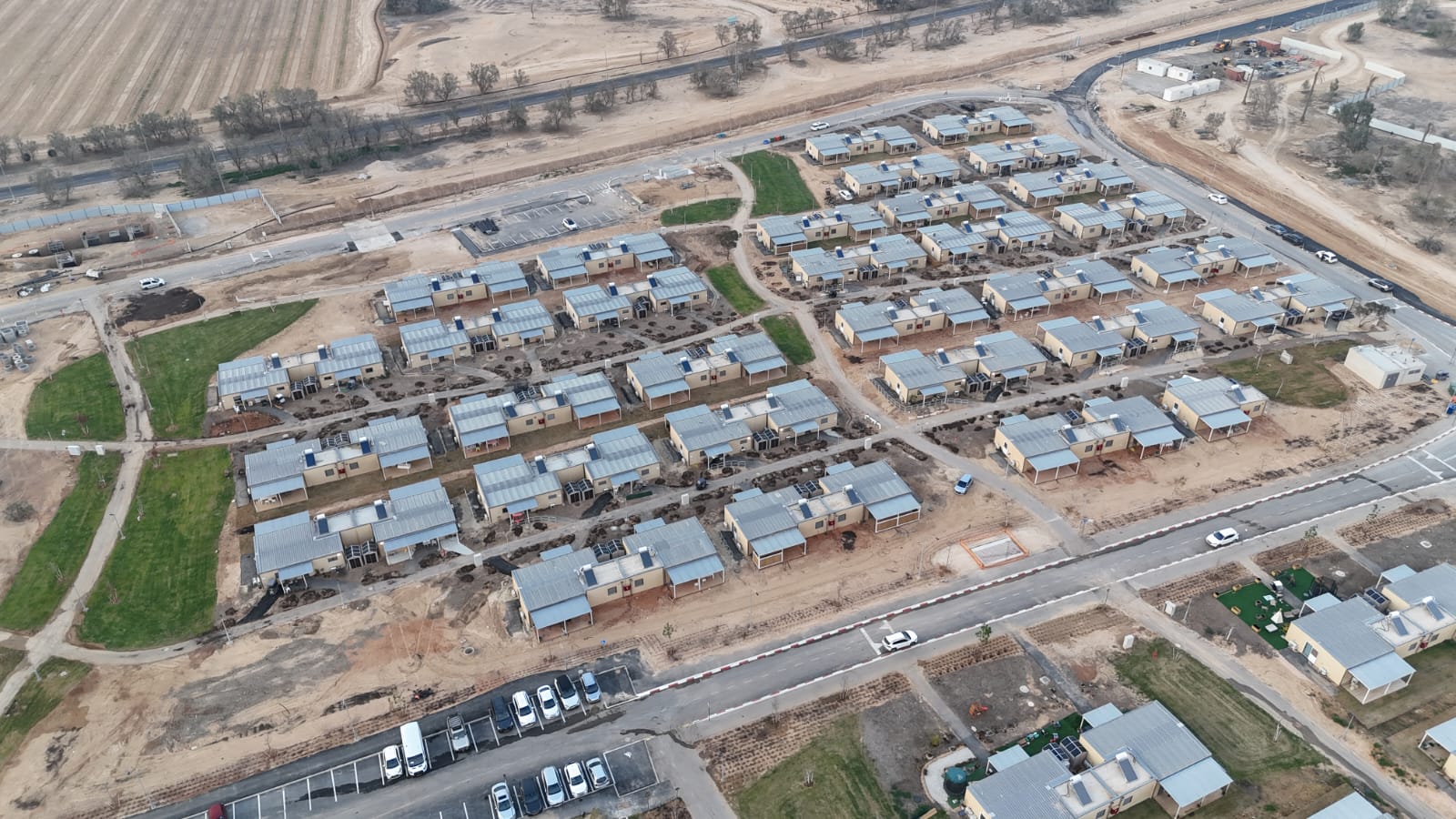
The report criticized the government for leaving the Tekuma Directorate — tasked with rehabilitating the region — without a full-time director and deputy since August, when Brig. Gen. (Res) Moshe Edri and his deputy left their posts. This impeded quick decision-making and solutions to problems that arose during the construction of temporary housing for three of the worst-hit kibbutzim — Be’eri, Kfar Aza and Holit — it said. Yossi Shelley, director of the Prime Minister’s Office, was sent to run the directorate in addition to his regular duties. In November, it was announced that he had been appointed ambassador to the United Arab Emirates.
That same month, responsibility for rehabilitating the southern and northern borders was moved from the Prime Minister’s Office to the Finance Ministry. MK Ze’ev Elkin was appointed a minister there with overall responsibility for both regions.
The report said that if the government had had a plan in hand for establishing temporary sites to accommodate evacuees in emergency events with a single coordinator, work could have proceeded more quickly.
Following an inspection from January 2024 to February 2025, the report described delays to the completion of temporary housing sites for Be’eri, Kfar Aza and Holit, citing bureaucracy, defective buildings and late completion of public facilities, paved access roads and landscaping. In some cases, families with children moved in after the start of the school year.
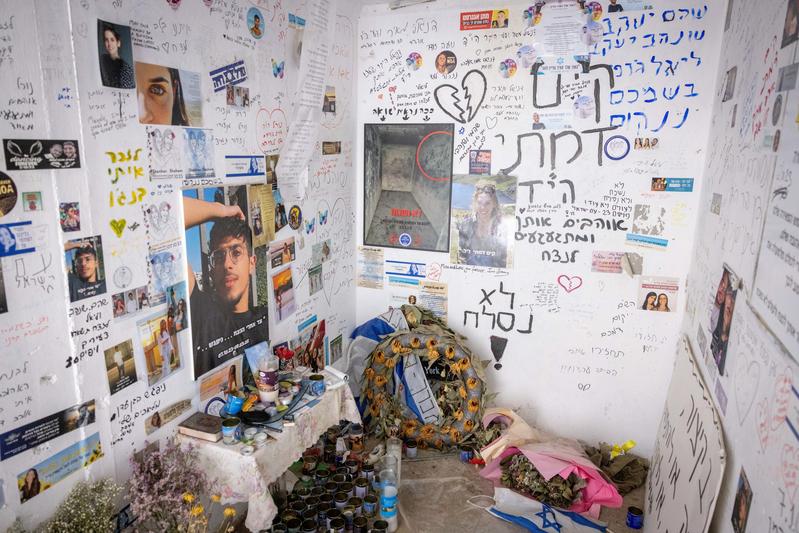
Regarding memorials, a government decision in April last year determined that the PMO would work with the Tekuma Directorate on a national site to commemorate the 1,200 fallen and murdered on October 7. In September, the government decision was amended to oblige the PMO to set up a corporation responsible for planning a national commemoration site, with its responsibilities anchored in law. This had not been done, the report said.
With private memorial sites peppering the sides of Highway 232, it was important to create policies on memorialization, the State Comptroller added, to ensure that all the murdered and fallen were commemorated equally.







The Times of Israel Community.