

Gaza border-area development on hold as treasury freezes NIS 5 billion
Release of funds contingent on government deciding whether they will also be shared by cities beyond traditionally recognized southern frontline
 Add ToI as a Preferred Source on Google
Sue Surkes is The Times of Israel's environment reporter
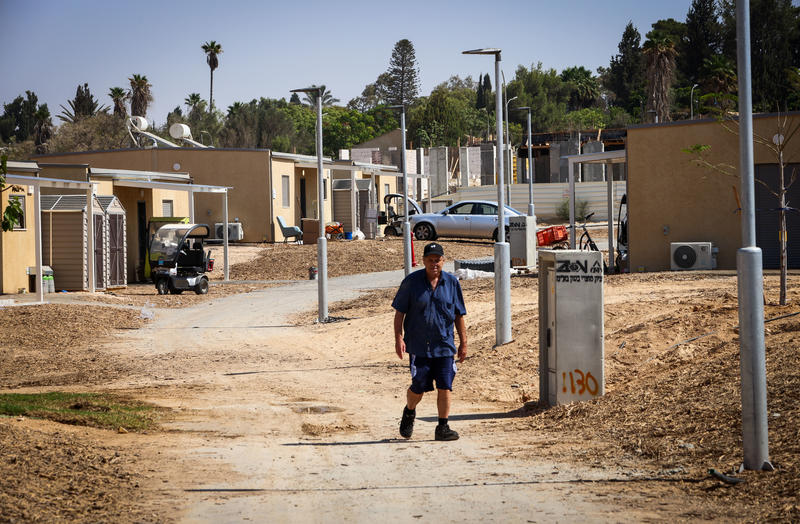
The Tekuma Directorate, tasked by the government with rehabilitating the Gaza border communities attacked on October 7 last year, will be forced to delay critical development plans unless the Finance Ministry releases NIS 5 billion ($1.3 billion) of the directorate’s NIS 19 billion ($5 billion) budget, the Knesset Economics Committee heard Tuesday.
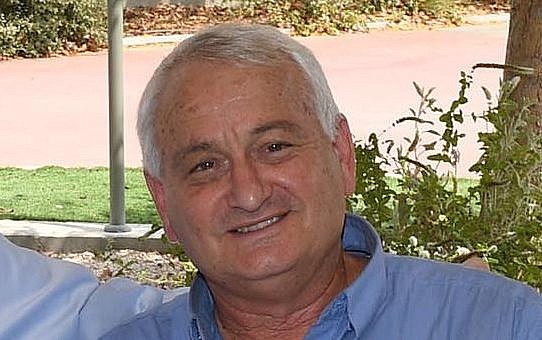
Lawmaker Alon Schuster of the opposition National Unity party, who called for the emergency discussion, said the funding was “not just something nice to have” but was vital to ensuring demographic growth in the frontline region crippled by the Hamas onslaught a year ago.
Shortly after the deadly invasion of the Gaza border settlements by Hamas terrorists, the government approved an immediate rehabilitation budget of NIS 1 billion (just under $270 million).
In December, it approved spending an additional NIS 18 billion ($4.8 billion) over five years.
In April, a government decision reiterated that NIS 19 billion would be available for the directorate. However, it split the sum into two: NIS 14 billion ($3.8 billion) to be spent through 2028 to restore the area within seven kilometers (4.3 miles) of the Gaza border to its pre-attack state (by repairing damaged buildings and supporting trauma treatment, for example) and NIS 5 billion to be “reserved” for new social and economic projects that enhance the region’s appeal.
The latter would encourage existing residents to return and encourage new ones to move in.
However, the NIS 5 billion can only be released once the government decides whether to limit it to communities within seven kilometers from the border — the so-called “Gaza envelope” frontline area given special status and financial support for the past two decades — or apply it to a wider area.
The city of Sderot and the over 45 rural communities within this seven-kilometer-wide area suffered the brunt when Hamas gunmen breached the border on October 7, 2023, killing some 1,200 people and kidnapping 251 to the Gaza Strip.
However, with the creation and budgeting of the Tekuma Directorate, other nearby southern cities, such as Ashkelon, Netivot, and Ofakim, stepped forward and demanded special support, too.

Hamas terrorists entered Ofakim on October 7, massacring 47 people. Gunmen tried to enter Netivot, but defense forces were able to block them at the entrance thanks to cameras in public spaces.
Ashkelon, on the southern coast, while not invaded on October 7, has suffered from many Hamas rocket attacks for years.
Netivot and Ofakim are suing the government in the High Court for funds.
The Defense Ministry determines which frontline communities should be eligible for special financial support based on security considerations. However, amid the ongoing war in Gaza and Lebanon, it has not updated its assessment. Whether the boundaries will be expanded to allow additional towns and cities to enjoy some of the NIS 5 billion or whether further funds will be made available remains unknown. In the meantime, the NIS 5 billion is frozen.

Tekuma Directorate deputy director Yigal Gorvitz told the Knesset Economics Committee that out of the NIS 14 billion for rehabilitation, NIS 7 billion ($1.9 billion) would be spent by the end of this year and NIS 2 billion ($537 million) next year.
In addition, NIS 800 million ($215 million) had been taken from the NIS 14 billion to start planning new development projects to help the region flourish again. These range from incentives for industry and support for advanced agriculture to new sports and cultural facilities.
Gorvitz said work on these projects could only continue next year if the NIS 5 billion were released.
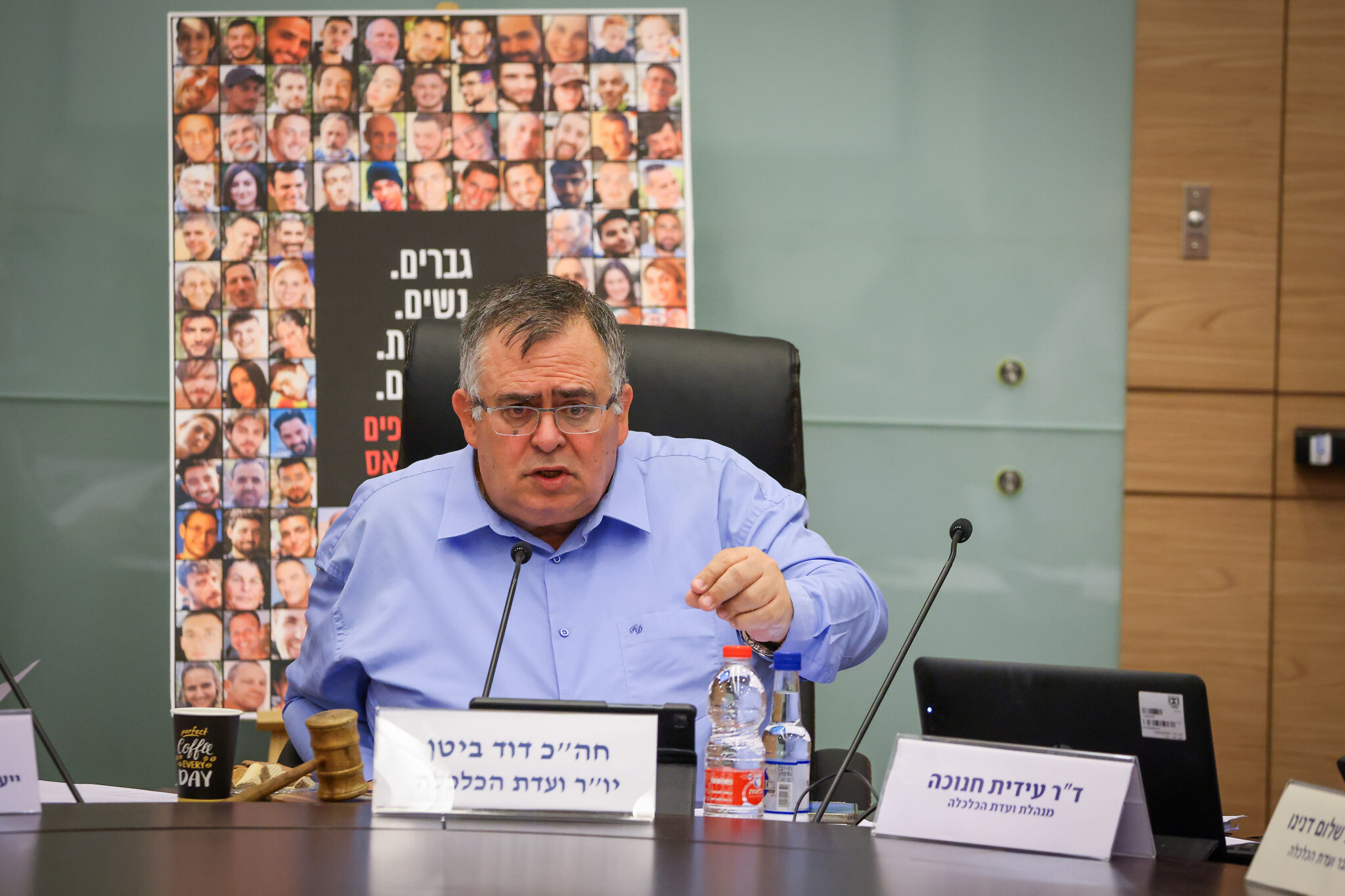
Committee chairman David Bitan (Likud) said nobody disagreed that the “envelope beyond the envelope” (the communities just beyond the seven-kilometer line) also deserved financial support.
The question is where that money will come from.
Much of that will depend on whether the cabinet reaches a decision by Thursday night, when it is likely to approve the 2025 budget.
Ohad Cohen, a resident of Kibbutz Or HaNer, told Bitan, “I need you to do everything for Thursday. I have no interest other than settling this amazing region of the country. (The NIS 5 billion) is stuck at the Finance Ministry, and our kids are wetting their beds at night while you’re talking about the envelope of the envelope.”
Bitan ordered further discussions within the next 10 days with representatives of the Prime Minister’s Office and Defense Ministry. He also called on the Justice Ministry to try to resolve Netivot and Ofakim’s cases through arbitration.




The Times of Israel Community.