

Rejecting return to Likud, New Hope’s Haskel sees herself as ‘politically homeless’
Deputy foreign minister bemoans the ‘personal’ and ‘sectoral’ turn in politics, indicates she could join another party in order to advance her agenda

 Add ToI as a Preferred Source on Google
Sam Sokol is a former political correspondent at The Times of Israel. He was previously a reporter for the Jerusalem Post, Jewish Telegraphic Agency and Haaretz. He is the author of "Putin’s Hybrid War and the Jews"
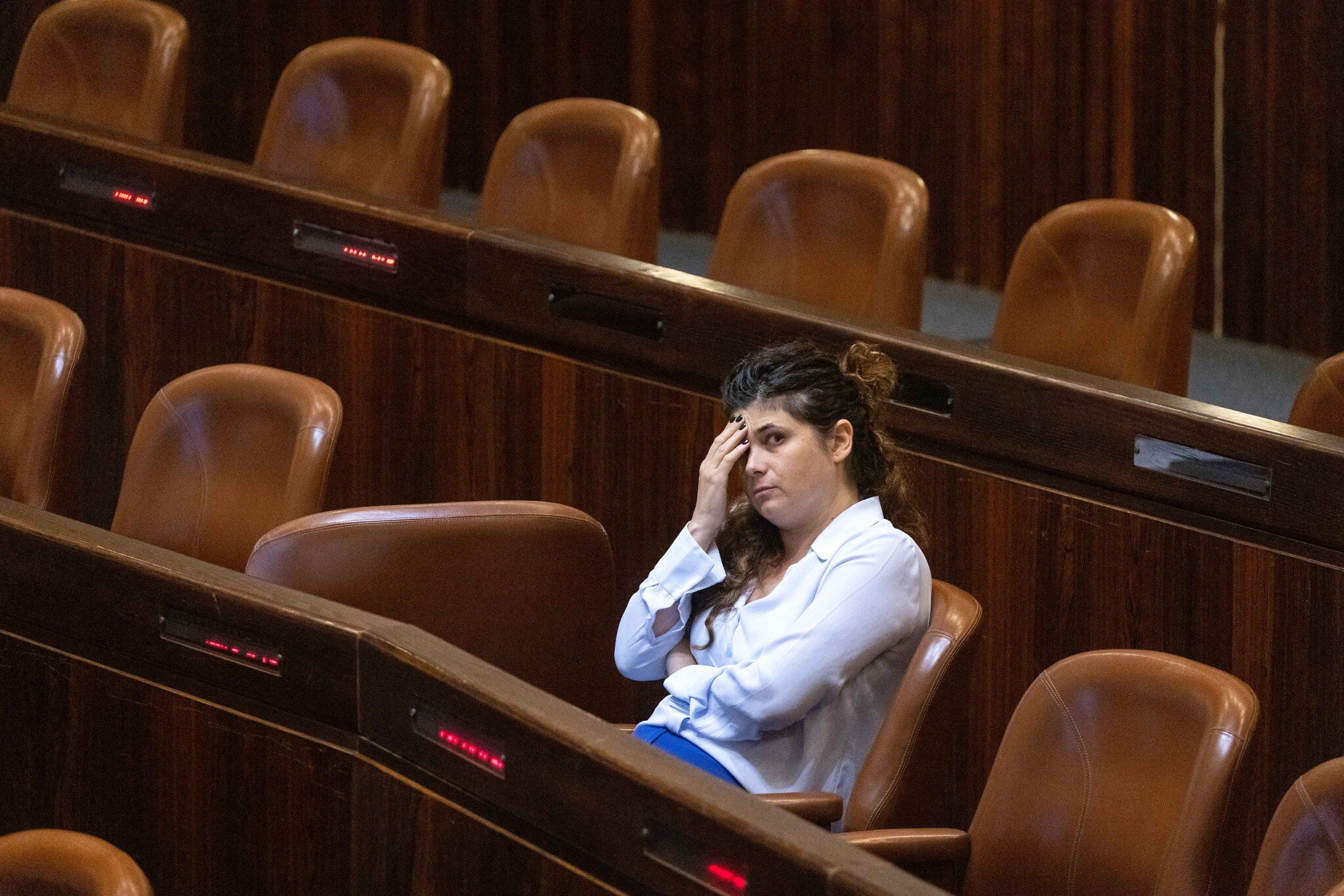
Earlier this month, the Likud Central Committee voted overwhelmingly to approve a merger with the coalition’s hawkish New Hope party, bringing its chairman, Foreign Minister Gideon Sa’ar, back into the fold five years after he left over differences with Prime Minister Benjamin Netanyahu.
Addressing the party conference in Tel Aviv, Sa’ar told delegates that it felt “good to return home” — a sentiment emphatically not shared by fellow New Hope member Deputy Foreign Minister Sharren Haskel.
Speaking with The Times of Israel at an upscale cafe in the central city of Kfar Saba on Sunday morning, Haskel said that the decision to merge the two right-wing factions left her without a place in Israeli politics because she did not feel that she could advance her agenda from within Likud.
There are many on the political right — security hawks and economic conservatives — who are “politically homeless, and that’s how I feel right now too,” she declared, adding that while she was convinced it was correct for her party to rejoin the government late last year, “it just doesn’t feel right” to return to Likud at this time.
A devotee of the Revisionist Zionist ideology of Likud’s founders, Haskel quit the party for Sa’ar’s New Hope in late 2020, complaining at the time that there was “a big gap between these ideas and the values and norms that characterize Likud today.”
New Hope, which had been part of the National Unity alliance led by Benny Gantz, entered the war coalition shortly after the October 7, 2023, attack, only to end its union with Gantz and quit the coalition in March 2024, saying it felt it had no ability to influence the government’s prosecution of the conflict.
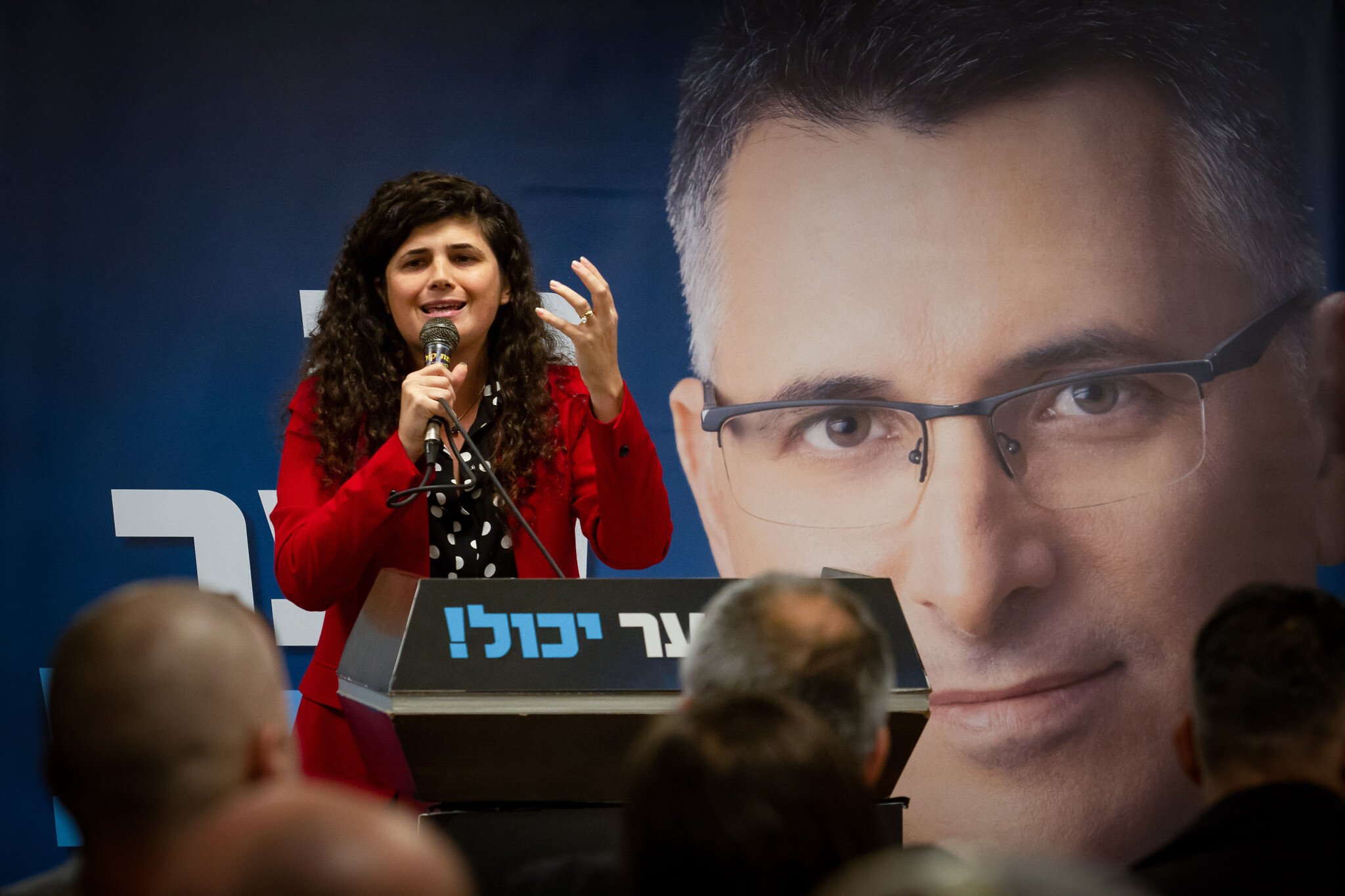
The party — which holds four out of 120 seats in the Knesset — rejoined the government in September 2024, and in March 2025, Sa’ar signed an agreement to dissolve the faction into Likud, after polls consistently showed New Hope would fail to clear the electoral threshold if it ran solo in the next election.
During their time in the opposition, Sa’ar and his party’s MKs were harsh critics of the government’s handling of the war and other security and political issues, with Haskel insisting in August 2024 that Netanyahu’s was “one of the worst governments that we could have had in such a difficult, challenging time for our country.”
Despite this, Haskel told The Times of Israel she felt she had “made the right decision going into the government” because of its subsequent military achievements against Hezbollah and Iran as well as the January-March ceasefire deal, during which Hamas released 30 hostages.
Defending Netanyahu’s handling of the war in Gaza, Haskel asserted that he had been “making the right decisions” over the past year, although that was not enough to make her comfortable with returning to Likud.
“I feel like politics in Israel has become so personal, instead of talking about ideology, about our point of view. And that’s not where I want to be,” Haskel said, insisting that Likud was becoming increasingly beholden to “sectoral groups,” like the ultra-Orthodox, to the point where its ability to advance its own agenda was impaired.
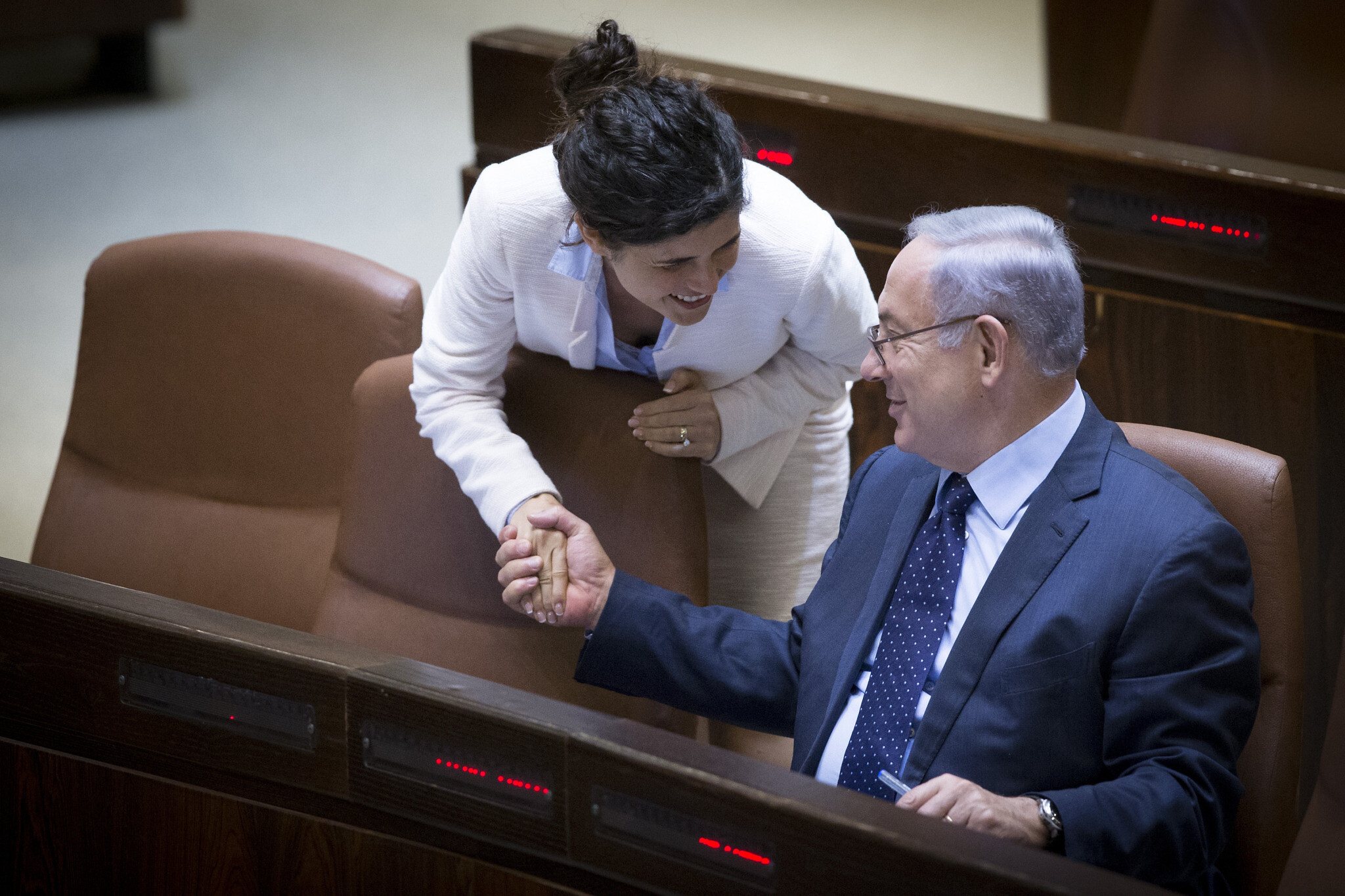
As deputy foreign minister, Haskel said that she sees herself “as a soldier in the frontline fighting” and that while her position has allowed her to defend Israel, “when criticism needs to be heard, I’ll be there to issue it.”
“I am very critical of bad decisions that are being made, like the recruitment bill,” she said, referring to legislation demanded by the Haredi parties that would exempt yeshiva students from military service.
“I’ve drawn a red line in regard to that. I think that definitely during a time of war, we cannot pass legislation” exempting the ultra-Orthodox from serving in the army, she said.
While praising her friends in Likud, Haskel argued that they “are failing to represent those people who are Zionist, hardworking, serve and love the country.”
“I will be in a party that I feel can represent the political point of view of the right-wing side of the map that believes in security, that believes in capitalism, that believes that the government needs to reduce taxes, reduce regulation, and to give us a breath of air,” she said.
She declined to elaborate as to her next move.
Asked if she had been in contact with representatives of right-wing opposition figures like former prime minister Naftali Bennett or Yisrael Beytenu chairman Avigdor Liberman, Haskel replied that “certain people reached out to me.”
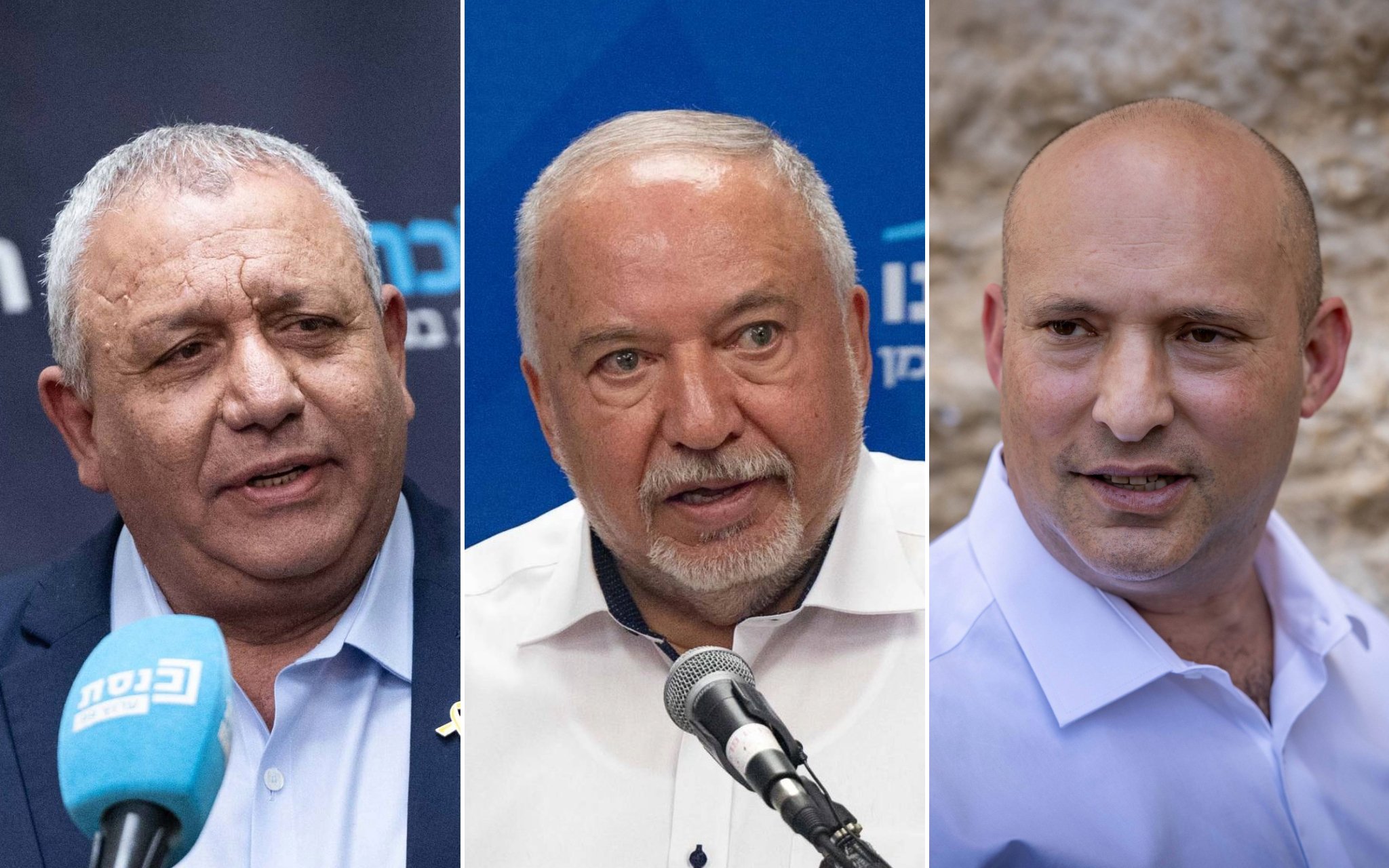
“When I make a decision, I’ll definitely make it public. But I can assure you that wherever I will be in my next political journey, it will be a place where I can represent right-wing, hardworking people,” she said.
“I feel that right now there needs to be a right-wing, non-personal party that can [push] the next government into a unity government and into representing the actual hardworking right-wing people.”
One of the “most disastrous” developments in Israeli politics has been the division between competing pro- and anti-Netanyahu camps, she contended, insisting that Netanyahu’s future should be decided by the voters and that “the healthiest thing we can do in politics in order to heal is maybe to force Bennett and Bibi’s camps to build a unity government that will serve the people and not a person.”
Such a unity government could include Bennett, Gadi Eisenkot, Bezalel Smotrich and other representatives of the center and right but would exclude ultranationalist National Security Minister Itamar Ben Gvir’s Otzma Yehudit party and Yair Golan’s The Democrats, she said.
The next government must not be “reliant on the extremists,” including the Haredim, Haskel argued. “The ultra-Orthodox need to be part of it, but they cannot extort the government. It needs to be extremely wide. We need to work for everybody.”





The Times of Israel Community.